
Table of Contents
- Key Principles of Minimalist Home Office Décor
- Minimalist Home Office Décor: Decluttering the Mind
- Choosing the Right Furniture for a Minimalist Home Office Décor
- Minimalist Home Office Décor: Selecting a Desk That Works
- Color Palette and Lighting in Minimalist Home Office Décor
- Minimalist Home Office Décor: Lighting Strategies That Boost Productivity
- Smart Storage Solutions for Minimalist Home Office Décor
- Minimalist Home Office Décor: Organising Cables and Tech Accessories
- Incorporating Technology Seamlessly into Minimalist Home Office Décor
- Minimalist Home Office Décor: Choosing Tech That Complements Simplicity
- Quick Tips for Minimalist Home Office Décor
- Common Mistakes in Minimalist Home Office Décor
- Frequently Asked Questions
Minimalist Home Office Décor: A Complete Guide to Calm, Productive Spaces
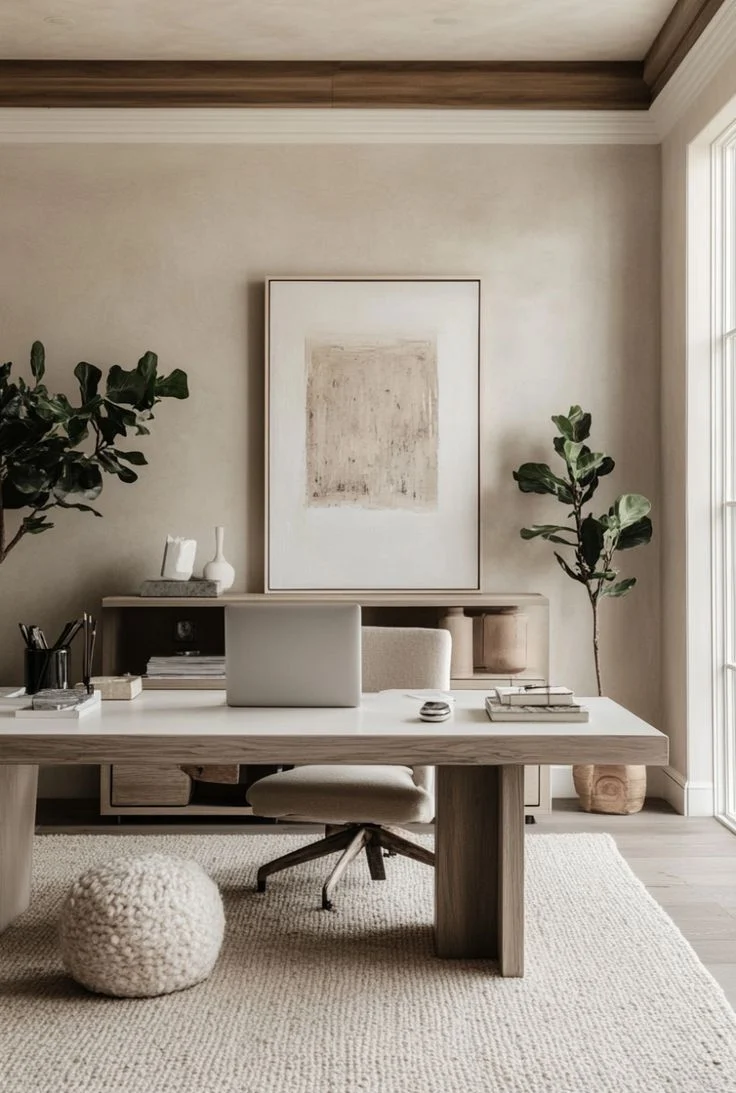
Working from home has become a permanent reality for many, and the space where we spend our most focused hours can greatly influence our productivity and wellbeing. A minimalist home office décor embraces simplicity, purpose, and visual calm, stripping away excess while keeping everything you need within arm’s reach. By focusing on clean lines, thoughtful storage, and a restrained colour palette, you can turn a modest corner into a sophisticated workspace that feels both inviting and efficient.
In this article we’ll explore the core principles of minimalist home office décor, walk through furniture selection, colour choices, lighting strategies, storage solutions, and seamless technology integration. You’ll also find quick actionable tips, common pitfalls to avoid, and answers to frequently asked questions, giving you a full‑stack toolkit to design an office that supports focus without sacrificing style.
Key Principles of Minimalist Home Office Décor
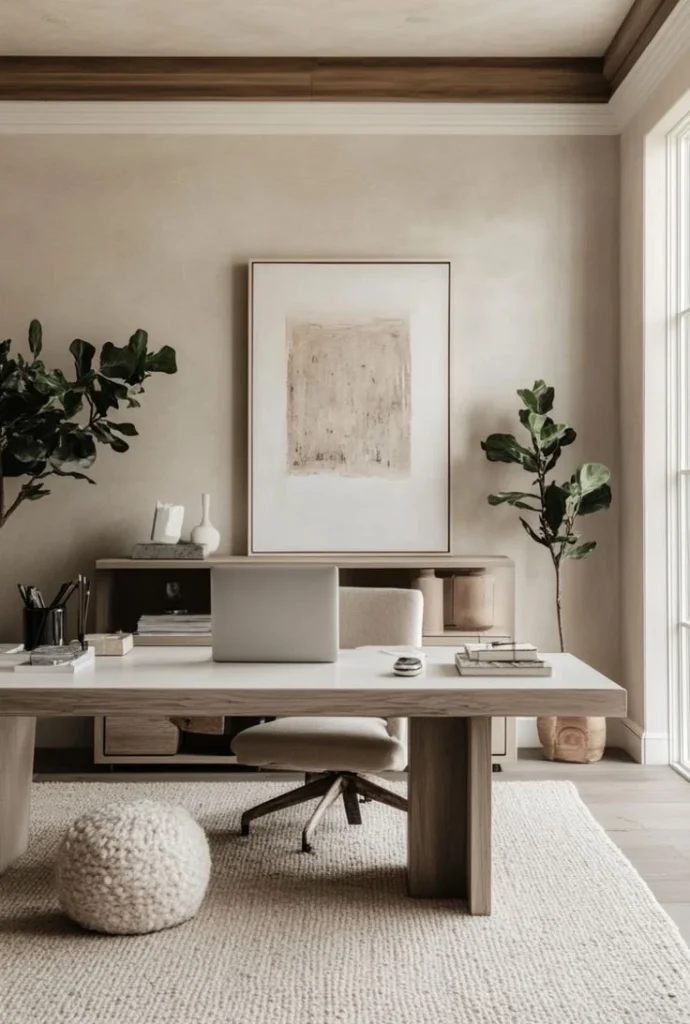
The foundation of any successful minimalist home office décor lies in intentionality. Start by defining the purpose of the space: is it a primary work hub, a creative studio, or a part‑time desk for occasional tasks? Once the function is clear, apply the three‑rule mantra of “less is more, but only if it works.” This means selecting only the items that truly serve a functional or aesthetic role.
Clutter is the enemy of calm. Adopt a “one‑in, one‑out” policy for accessories and keep surfaces clear to maintain visual serenity. A neutral base—think soft whites, warm greys, or muted earth tones—creates a backdrop that reduces visual noise and allows the eye to rest. If you crave a pop of colour, introduce it sparingly through a single piece of art, a desk lamp, or a tasteful rug.
Minimalist Home Office Décor: Decluttering the Mind
Psychologically, a tidy environment translates to a clearer mind. Use the “five‑box method” (keep, toss, donate, store, relocate) when sorting through existing items. Every object that does not support your work routine or enhance the aesthetic should be considered for removal. The result is a space that feels light, airy, and ready for focused activity.
Choosing the Right Furniture for a Minimalist Home Office Décor
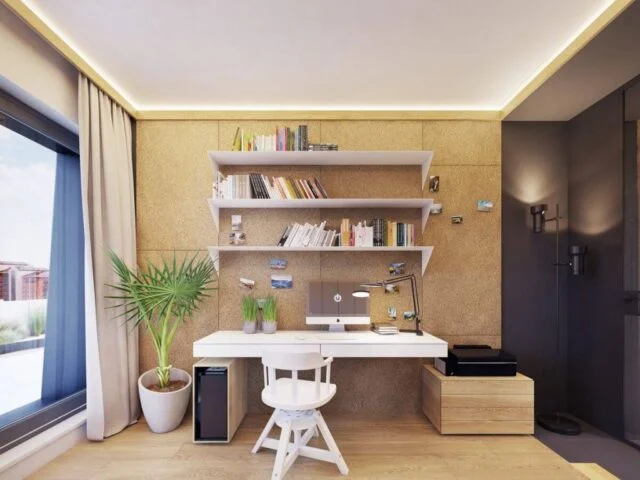
Furniture selection is the heart of minimalist home office décor. Opt for pieces with sleek silhouettes, exposed legs, and natural materials like wood, metal, or glass. A streamlined desk with clean edges, paired with an ergonomic chair that blends form and function, forms the core of the workspace.
- Desk shape: Rectangular or slightly angled desks keep the layout efficient while preserving open floor space.
- Material: Light‑finished wood adds warmth without heaviness; matte metal frames reinforce the minimalist vibe.
- Size: Choose a desk that fits the room’s scale—avoid oversized tables that dominate the floor.
When space is limited, consider a wall‑mounted floating desk or a compact height‑adjustable sit‑stand unit. Both options free up floor area, making the room appear larger and more breathable. Pair the desk with a simple, upholstered chair that offers lumbar support; look for neutral upholstery that blends with the overall palette.
Minimalist Home Office Décor: Selecting a Desk That Works
A desk should accommodate your essential tools—laptop, notepad, and perhaps a single monitor—without excess surface area. Many minimalist enthusiasts favor desks with built‑in cable management channels, keeping cords hidden and preserving the clean aesthetic. For those who love a hint of texture, a reclaimed wood top can introduce subtle character while staying within the minimalist framework.
Color Palette and Lighting in Minimalist Home Office Décor
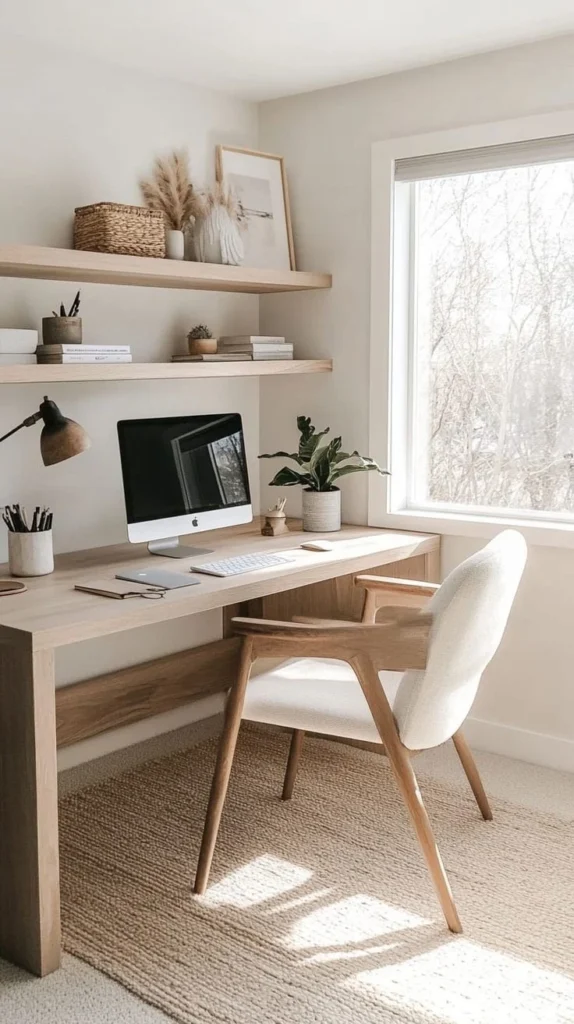
Colour and light are the two most powerful tools for shaping mood in a minimalist home office décor. A restrained palette of whites, soft greys, and muted beiges establishes a serene base. If you wish to add depth, incorporate a single accent colour—such as a muted teal or warm terracotta—through a wall art piece or a decorative vase.
Lighting should be layered: ambient, task, and accent. A large, diffused overhead fixture provides gentle illumination, while an adjustable desk lamp offers focused light for reading or detailed work. Incorporating natural light wherever possible not only reduces eye strain but also enhances the sense of openness. When selecting window treatments, choose sheer curtains or light‑filtering blinds that allow daylight while maintaining privacy.
For a nuanced colour decision, explore our paint shade comparison article, which delves into timeless neutrals that work beautifully in minimalist settings.
Minimalist Home Office Décor: Lighting Strategies That Boost Productivity
Position task lighting to avoid glare on screens and to illuminate the work surface evenly. LED desk lamps with adjustable colour temperature let you shift from cool light in the morning to warmer tones in the evening, supporting circadian rhythms. Adding a subtle LED strip behind a floating shelf can also serve as soft accent lighting, reinforcing the clean lines of the design.
Smart Storage Solutions for Minimalist Home Office Décor
Storage is where minimalist home office décor meets practicality. The goal is to conceal clutter while keeping everyday items easily accessible. Wall‑mounted shelving, narrow credenzas, and minimalist drawer units are excellent options. Choose storage pieces that blend with the wall colour or use the same finish as the desk to maintain visual continuity.
- Vertical storage: Tall, slim cabinets utilise height without consuming floor space.
- Hidden compartments: Desks with built‑in drawers keep stationery out of sight.
- Open shelving: Curated displays of a few decorative objects add personality without chaos.
Consider multi‑functional furniture such as an ottoman with internal storage or a bench that doubles as a filing cabinet. For a sleek look, opt for hardware‑free drawers that open with a gentle push, eliminating the visual clutter of handles.
Minimalist Home Office Décor: Organising Cables and Tech Accessories
Cable management is essential for preserving the clean aesthetic. Use cable trays, clips, or a simple fabric cord cover that runs along the back of the desk. Labeling cords can also save time when you need to troubleshoot equipment. The result is a workspace where every line and edge feels intentional.
Incorporating Technology Seamlessly into Minimalist Home Office Décor
Modern work demands technology, but sleek devices can coexist with a minimalist aesthetic. Choose peripherals with minimalist designs—wireless keyboards, mouse devices with matte finishes, and monitors with thin bezels. Mount monitors on adjustable arms to free desk space and maintain a clean line of sight.
When possible, hide routers, power strips, and chargers inside cabinets or decorative boxes. For sound‑critical work, consider a compact Bluetooth speaker that blends with the décor rather than a bulky audio system. If you need a whiteboard or bulletin board, opt for a frameless acrylic version that feels lightweight and modern.
For those interested in a broader look at how style choices compare, our interior design comparison article offers insight into balancing bold statements with minimalist restraint.
Minimalist Home Office Décor: Choosing Tech That Complements Simplicity
When selecting a laptop or desktop, consider models with brushed aluminium finishes that echo the minimalist material palette. Pair them with a single, high‑resolution monitor to avoid a cluttered multi‑screen setup, unless multiple screens are essential for your workflow. In that case, align them on a clean, low‑profile stand to preserve visual harmony.
Quick Tips for Minimalist Home Office Décor
- Limit decorative items to three purposeful pieces—perhaps a plant, a piece of art, and a stylish lamp.
- Use a single colour for all hardware (handles, hinges) to keep the visual flow consistent.
- Introduce texture through natural fibres like a woven rug or a linen chair cushion rather than busy patterns.
- Keep paperwork in sleek, colour‑coded folders stored in a hidden drawer.
- Schedule a monthly “tidy‑up” session to reassess items that have accumulated.
Common Mistakes in Minimalist Home Office Décor
Even with the best intentions, it’s easy to slip into habits that undermine a minimalist vibe. One frequent error is over‑personalising the space with excessive memorabilia, which can create visual noise. Another pitfall is choosing furniture solely for its minimal look without considering ergonomics; comfort should never be sacrificed for style.
Additionally, neglecting proper lighting can make a minimalist office feel stark or cold. Finally, ignoring the importance of acoustic comfort—hard surfaces can amplify echo—can affect concentration. Address these issues early to preserve both the aesthetic and functional integrity of your workspace.
Frequently Asked Questions
What size desk works best in a minimalist home office décor?
A desk that fits the room’s scale without overwhelming it is ideal. For small rooms, a floating or wall‑mounted desk of 48–60 inches in length works well, while larger spaces can accommodate a standard 60–72 inch desk. Prioritise clean lines and built‑in storage to keep the surface clear.
Can I add colour without breaking the minimalist look?
Yes. Use colour sparingly as an accent—think a single vase, a muted rug, or a piece of abstract art. The key is to keep the base palette neutral and let the accent colour pop without competing with other elements.
How do I keep cables hidden in a minimalist office?
Invest in cable trays, clips, or fabric sleeves that run along the back of the desk. Route power strips inside closed cabinets and use wireless devices where possible. This approach maintains a sleek appearance while keeping functionality intact.
Is a minimalist office suitable for collaborative work?
Absolutely. By using modular furniture, you can create flexible zones that expand or contract as needed. Simple, movable storage units and lightweight chairs allow the space to adapt for occasional meetings without compromising the overall minimalist aesthetic.
Where can I find inspiration for small‑space minimalist offices?
Explore our guide on small living room ideas, which offers valuable tips on maximising limited square footage—principles that translate directly to a compact home office.
By applying these principles, you’ll craft a minimalist home office décor that not only looks elegant but also supports your daily productivity.
Remember, the journey toward a refined workspace is iterative. Start with the essentials, assess how the space feels after a week of use, and make small adjustments as needed. Over time, the room will evolve into a true reflection of both your professional needs and your aesthetic preferences.