
Table of Contents
- Relaxing Home Décor Ideas: Color and Light Foundations
- How to Choose a Calming Color Palette
- Relaxing Home Décor Ideas for Living Rooms
- Key Elements for a Calm Living Area
- Relaxing Home Décor Ideas for Bedrooms
- Bedroom Styling Tips
- Relaxing Home Décor Ideas for Small Spaces
- Space‑Saving Strategies
- Relaxing Home Décor Ideas for Home Offices
- Designing a Calm Workspace
- Quick Relaxing Home Décor Tips
- Common Mistakes to Avoid When Creating Calm Spaces
- Frequently Asked Questions
Relaxing Home Décor Ideas for a Serene Living Space
Creating a sanctuary within four walls is more than a trend; it’s a response to the fast‑paced world we live in. When a home feels peaceful, every activity—from working from a desk to winding down after a long day—becomes more enjoyable. This article explores practical, stylish, and affordable relaxing home décor ideas that anyone can apply, whether you live in a compact apartment or a spacious house.
We’ll walk through room‑by‑room suggestions, discuss color palettes, textures, and lighting, and share quick fixes that instantly elevate a space’s calm factor. By the end, you’ll have a toolbox of design strategies ready to turn any room into a soothing haven.
Let’s begin the journey toward a more relaxed home environment, where aesthetics and wellbeing work hand in hand.
Relaxing Home Décor Ideas: Color and Light Foundations
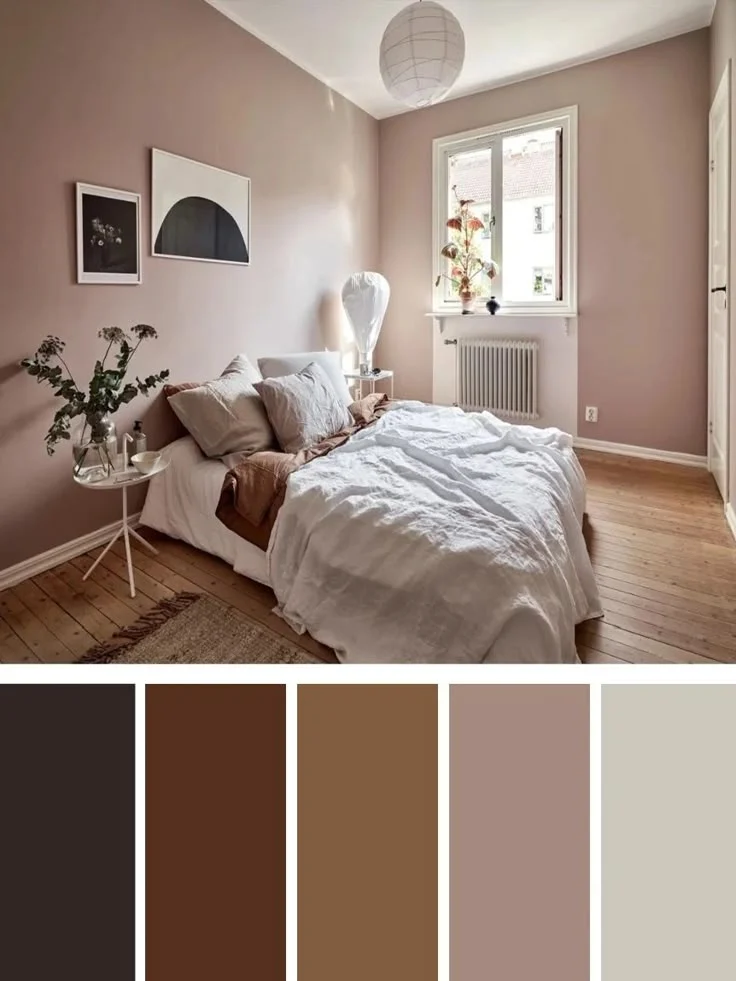
The first step toward a tranquil interior is choosing the right colors and lighting. Soft neutrals, muted blues, and gentle greens create a backdrop that encourages relaxation. Pair these hues with layered lighting—ambient overhead fixtures, task lamps, and warm accent lights—to avoid harsh shadows and maintain a balanced atmosphere.
How to Choose a Calming Color Palette
- Start with a base of warm whites or light grays; they reflect natural light and make rooms feel airy.
- Introduce a single accent color, such as sage green or muted lavender, through cushions, throws, or artwork.
- Use the 60‑30‑10 rule: 60% dominant color, 30% secondary, 10% accent.
For more inspiration on balancing colors, see our guide on cozy bedroom styling, which demonstrates how subtle tones can transform a sleeping area into a restful retreat.
Relaxing Home Décor Ideas for Living Rooms
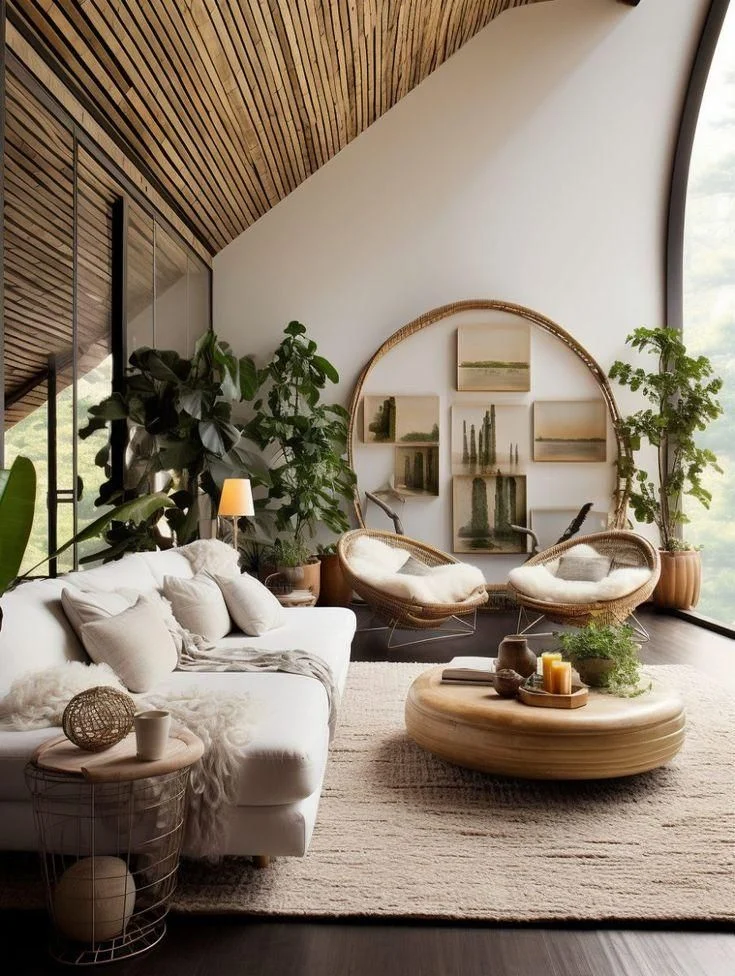
The living room often serves as the family’s central hub, making it an ideal space to apply relaxing home décor ideas. Focus on comfort, texture, and a layout that encourages conversation without feeling crowded.
Key Elements for a Calm Living Area
- Seating: Opt for plush sofas with soft, natural fabrics. A deep‑seat sectional in a muted hue invites lounging.
- Textured Rugs: A low‑pile natural fiber rug adds warmth underfoot and subtly defines the seating zone.
- Nature Touches: Incorporate indoor plants; their green foliage improves air quality and visual serenity.
Choosing the right furniture can also impact posture and wellbeing. Our article on chairs that alleviate anterior pelvic tilt highlights ergonomic selections that support both comfort and health.
Relaxing Home Décor Ideas for Bedrooms

A bedroom should be your personal retreat. By blending soft lighting, layered bedding, and minimal clutter, you create a space that promotes deep, restorative sleep.
Bedroom Styling Tips
- Layered Bedding: Use a combination of a breathable fitted sheet, a lightweight duvet, and a few textured throw pillows.
- Soft Lighting: Install dimmable wall sconces or a bedside lamp with a warm bulb (2700‑3000 K) for a gentle glow.
- Declutter: Keep nightstands clear; a single lamp, a book, and a small tray for essentials are enough.
When deciding between a headboard and a bed frame, read our comparison headboard vs bed frame to ensure the foundation supports your aesthetic and comfort goals.
Relaxing Home Décor Ideas for Small Spaces
Even the tiniest apartment can feel like a peaceful oasis with strategic design choices. The key lies in visual expansion, multifunctional furniture, and thoughtful storage solutions.
Space‑Saving Strategies
- Monochrome Scheme: Using varying tones of the same color reduces visual clutter.
- Multipurpose Furniture: A sofa bed or an ottoman with hidden storage maximizes utility.
- Vertical Gardens: Install a small wall‑mounted planter; it adds greenery without consuming floor space.
Our guide on balcony décor with plant stands offers ideas for integrating vertical greenery, perfect for apartments lacking a garden.
Relaxing Home Décor Ideas for Home Offices
With remote work becoming commonplace, a calm home office is essential for productivity and mental health. Blend functional design with soothing aesthetics to create a space that encourages focus without feeling sterile.
Designing a Calm Workspace
- Ergonomic Chair: Choose a chair that supports proper posture; see our article on chairs for anterior pelvic tilt.
- Natural Light: Position your desk near a window and use sheer curtains to diffuse glare.
- Minimalist Desk Setup: Keep only essential items on the desk; store paperwork in decorative boxes.
For a broader view of neutral styling, explore our neutral workspace interior styling guide, which details how understated palettes enhance concentration.
Quick Relaxing Home Décor Tips
- Swap harsh white bulbs for warm amber LEDs to instantly soften a room’s atmosphere.
- Add a scented candle with lavender or eucalyptus for an olfactory layer of calm.
- Introduce a soft, oversized throw on sofas or chairs for tactile comfort.
- Replace heavy curtains with light, linen drapes to allow gentle daylight.
- Use low‑profile shelving to display a few curated décor pieces instead of overcrowding walls.
Common Mistakes to Avoid When Creating Calm Spaces
- Over‑decorating: Too many accessories create visual noise, defeating the purpose of relaxation.
- Ignoring Scale: Large furniture in a small room feels overwhelming; choose appropriately scaled pieces.
- Choosing the Wrong Lighting: Bright, cool‑white lights can feel clinical; prioritize warm tones.
- Neglecting Acoustics: Hard surfaces echo sound; add rugs and fabric wall hangings to absorb noise.
- Forgetting Personal Touches: A space that reflects your personality feels more inviting than a generic showroom look.
Frequently Asked Questions
What are the best colors for a relaxing bedroom?
Soft neutrals like warm whites, light grays, and muted blues or greens work well. These hues reduce visual stimulation and promote a sense of calm, especially when paired with natural textures.
Can I achieve a tranquil look on a tight budget?
Absolutely. Focus on inexpensive changes such as swapping out harsh lighting, adding affordable throw pillows, and incorporating houseplants. Small, thoughtful updates often have the biggest impact.
How important is lighting in creating a relaxed environment?
Lighting is crucial; warm, dimmable light sources mimic natural sunset tones, helping the body’s melatonin production. Layered lighting also prevents stark shadows and creates a balanced ambience.
Should I use a lot of accessories to make a space feel cozy?
Less is more. Curate a few meaningful pieces—like a favorite artwork, a textured rug, or a single vase of fresh flowers—to add personality without clutter.
Are there specific materials that enhance relaxation?
Natural materials such as linen, cotton, wool, and wood bring tactile warmth and visual softness. They also age gracefully, adding depth to the space over time.
By applying these relaxing home décor ideas, you’ll transform everyday rooms into restorative retreats that nurture both body and mind. Experiment with color, texture, and light, and remember that simplicity often yields the most profound sense of peace. When you feel ready, explore more inspiration across The Homara’s extensive library of modern interior design guides.