
Table of Contents
- Understanding the Core Functions of a Headboard and a Bed Frame
- Key Differences Between Headboard and Bed Frame
- Style Considerations: Matching Headboard and Frame to Your Interior Design Vision
- Choosing Materials That Align With Your Lifestyle
- Functional Benefits: How the Right Combination Improves Comfort and Practicality
- Tips for Enhancing Mattress Support
- Space‑Saving Strategies: Making the Most of Small Bedrooms
- Quick Space‑Saving Checklist
- Budget Considerations: Getting the Best Value Without Compromising Quality
- Budget‑Friendly Tips
- Installation and Maintenance: What to Expect When Setting Up Your New Bed
- Step‑by‑Step Installation Overview
- Quick Tips for a Cohesive Look
- Common Mistakes to Avoid When Choosing Between Headboard and Bed Frame
- Frequently Asked Questions
- Do I need both a headboard and a bed frame?
- Can I attach a headboard to a platform bed?
- Is a metal frame better for a memory foam mattress?
- How high should a headboard be?
- What’s the best way to clean an upholstered headboard?
- Can a headboard improve bedroom acoustics?
When it comes to creating a bedroom that feels both inviting and functional, the choices you make at the foundation level matter more than you might think. A well‑chosen headboard can become the focal point of the room, while a sturdy bed frame determines the longevity and stability of your sleeping surface. Understanding the nuances of headboard vs bed frame is essential for anyone looking to blend comfort, aesthetics, and practicality in a modern bedroom.
Homeowners, renters, and interior‑design enthusiasts often wonder whether to prioritize a decorative headboard, an ergonomic frame, or a combination of both. The answer isn’t one‑size‑fits‑all; it depends on space constraints, personal style, and even the type of mattress you own. In this guide we’ll break down the functional differences, explore style considerations, and walk you through the decision‑making process so you can pick the perfect pairing for your bedroom.
By the end of the article you’ll be able to answer questions like: Should I buy a headboard and a separate frame, or look for an all‑in‑one solution? How does the choice affect storage, cleaning, and long‑term durability? And most importantly, how can you make the headboard vs bed frame decision enhance the overall look of your sanctuary?
Understanding the Core Functions of a Headboard and a Bed Frame
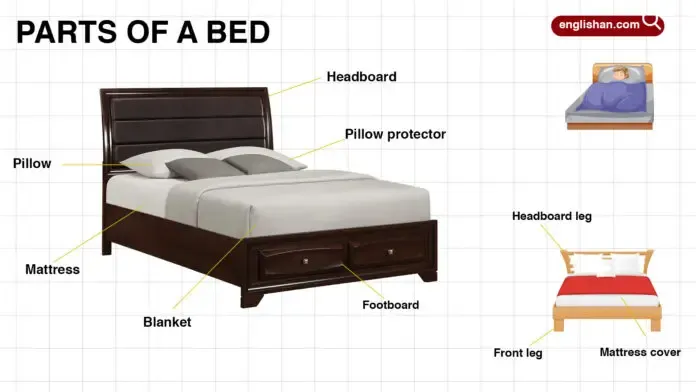
The first step in navigating the headboard vs bed frame debate is to recognize that each piece serves distinct purposes. A headboard is primarily decorative, offering a backdrop for pillows, artwork, or ambient lighting. It can also provide a comfortable backrest for reading in bed, protect the wall from wear, and add height that balances the visual weight of the mattress.
A bed frame, on the other hand, is the structural skeleton that supports the mattress and distributes weight evenly. Frames can be simple metal slats, elaborate wooden platforms, or adjustable bases with built‑in storage. The frame’s design influences airflow to the mattress, ease of assembly, and the ability to add accessories such as under‑bed drawers.
Key Differences Between Headboard and Bed Frame
- Purpose: Headboard – aesthetics and back support; Bed frame – structural support and stability.
- Material variety: Headboards often use upholstered fabric, reclaimed wood, or metal art; frames usually rely on wood, metal, or engineered composites.
- Installation: Headboards may attach to the wall or the frame; frames can be freestanding or wall‑mounted.
- Impact on storage: Frames with built‑in drawers add functional space; headboards rarely provide storage unless they incorporate shelves.
Style Considerations: Matching Headboard and Frame to Your Interior Design Vision

Modern home décor thrives on cohesion. When you compare headboard vs bed frame options, think about the overall style palette of the room. A sleek metal headboard paired with a low‑profile platform frame works wonderfully in a minimalist loft, while a tufted, upholstered headboard with a classic wooden frame can anchor a more traditional bedroom.
For those seeking a balanced look, consider the concept of “visual continuity.” This means selecting finishes that echo each other—such as a walnut frame that complements a walnut‑stained headboard, or a matte black headboard that matches black metal legs on the frame. Consistency in color, texture, and scale will make the headboard vs bed frame pair feel intentional rather than mismatched.
Looking for more inspiration? Check out our Neutral Cozy Bedroom Styling guide for ideas on creating harmony between bedding elements and surrounding furniture.
Choosing Materials That Align With Your Lifestyle
- Upholstered headboards: Ideal for plush comfort and sound absorption; best for softer, cozy aesthetics.
- Wooden frames: Offer warmth and durability; perfect for classic or rustic themes.
- Metal frames: Provide a contemporary edge and strong support; great for small spaces where a low profile matters.
- Hybrid options: Some manufacturers combine a padded headboard with a metal platform, delivering both comfort and modern flair.
Functional Benefits: How the Right Combination Improves Comfort and Practicality

Beyond looks, the practical side of headboard vs bed frame choices can affect sleep quality and daily routines. A properly ventilated frame extends mattress lifespan by preventing moisture buildup, while an ergonomic headboard can reduce neck strain when you sit up to read or work on a laptop.
Storage is another critical factor. If floor space is limited, a frame with integrated drawers or a loft‑style platform that frees up area beneath the bed can be a game‑changer. Some headboards incorporate side shelves or built‑in USB ports, merging technology and convenience.
Don’t forget about maintenance. A headboard made from washable fabric can simplify cleaning, while a metal frame usually requires only a quick wipe with a damp cloth. Selecting materials that align with your cleaning habits will keep your bedroom looking fresh with minimal effort.
Tips for Enhancing Mattress Support
- Choose a frame with slats spaced no more than 2.5 inches apart for optimal support.
- If you own a memory foam mattress, a solid platform can prevent sagging.
- Adjustable frames allow you to raise the head or foot, adding flexibility for health needs.
Space‑Saving Strategies: Making the Most of Small Bedrooms
In apartments and compact homes, every square foot counts. When evaluating headboard vs bed frame for a tight space, prioritize low‑profile frames that sit close to the floor. A headboard that doubles as a storage unit—think built‑in cubbies or a narrow bookshelf—can replace a nightstand and free up floor space.
Another clever approach is to use a wall‑mounted headboard that does not require a bulky frame. Pair it with a minimalist metal platform that slides under the mattress, creating a sleek floating effect. This arrangement opens up the visual field and makes the room appear larger.
For more ideas on making limited areas work, see our article on 8×10 vs 9×12 rug sizing, which discusses proportion and scale—principles that also apply to choosing the right headboard and frame dimensions.
Quick Space‑Saving Checklist
- Measure the room’s length and width before buying.
- Select a frame with a low height (under 12 inches from floor to mattress).
- Opt for a headboard with built‑in shelves or a narrow profile.
- Consider a platform that includes storage drawers.
- Keep the color palette light to enhance the sense of openness.
Budget Considerations: Getting the Best Value Without Compromising Quality
Price ranges for headboards and frames can vary dramatically. While a high‑end upholstered headboard may cost several hundred dollars, a simple metal frame can be found for a fraction of that price. The key is to balance budget with durability. Investing in a quality frame can extend the life of an expensive mattress, while a budget‑friendly headboard can still make a strong style statement if chosen wisely.
Look for sales on multi‑piece sets that include both headboard and frame; manufacturers often bundle these for a discount. Also, consider second‑hand options—vintage wooden headboards can be refinished for a unique look at a lower cost.
If you’re unsure about how much to allocate, use the 70/30 rule: spend about 70 % of your bedding budget on the frame (the structural component) and 30 % on the headboard (the decorative component). This ensures a stable sleeping foundation while still achieving the desired aesthetic.
Budget‑Friendly Tips
- Shop during holiday sales or clearance events.
- Look for DIY kits that allow you to assemble a headboard from reclaimed wood.
- Consider a basic metal frame and upgrade the headboard later.
Installation and Maintenance: What to Expect When Setting Up Your New Bed
Installation varies depending on whether you choose a wall‑mounted headboard, a freestanding frame, or a combination of both. Most modern kits come with step‑by‑step instructions, but it’s helpful to know the basics before you start.
For a wall‑mounted headboard, you’ll need a stud finder, level, and appropriate screws. Ensure the wall can support the weight; otherwise, opt for a floor‑standing headboard that attaches directly to the frame. When assembling a frame, pay attention to slat spacing and make sure all bolts are tightened to avoid squeaking later on.
Maintenance is straightforward: dust the headboard regularly, especially if it’s upholstered, and check the frame’s joints every few months for looseness. If you have a wooden frame, occasional polishing can preserve its finish and prevent drying cracks.
Step‑by‑Step Installation Overview
- Gather tools: drill, screwdriver, level, stud finder.
- Assemble the frame according to the manufacturer’s guide.
- Attach slats or platform panels, ensuring even spacing.
- If using a wall‑mounted headboard, locate studs and secure the mounting brackets.
- Place the mattress on the frame, then attach the headboard (if not wall‑mounted).
- Final check: tighten all bolts and verify stability.
Quick Tips for a Cohesive Look
- Match the headboard finish with other bedroom furniture to create unity.
- Use accent lighting—like wall sconces behind the headboard—to highlight the design.
- Choose a frame with a low profile if ceiling height is limited.
- Incorporate storage solutions within the frame to reduce clutter.
- Consider a headboard with built‑in USB ports for modern convenience.
Common Mistakes to Avoid When Choosing Between Headboard and Bed Frame
Even seasoned decorators can slip up. Here are some frequent errors and how to prevent them:
- Ignoring mattress compatibility: Some frames aren’t suitable for box springs or specific mattress types. Always verify manufacturer recommendations.
- Overlooking room scale: A massive headboard can overwhelm a small bedroom. Scale the headboard to the wall space and ceiling height.
- Skipping ventilation considerations: A solid platform without airflow can lead to moisture buildup, shortening mattress life.
- Choosing style over function: A beautiful headboard is great, but if the frame wobbles, comfort suffers. Prioritize stability.
- Forgetting future moves: If you rent, consider a headboard that can be easily removed without wall damage.
Frequently Asked Questions
Do I need both a headboard and a bed frame?
While you can use a mattress directly on the floor, a proper bed frame provides essential support, airflow, and height. A headboard is optional but adds visual interest and comfort for sitting up in bed.
Can I attach a headboard to a platform bed?
Yes, many platform beds come with pre‑drilled holes or brackets for headboard attachment. If not, most headboards include optional mounting hardware that works with most frames.
Is a metal frame better for a memory foam mattress?
Metal frames with closely spaced slats or a solid platform are ideal for memory foam because they prevent sagging and promote even weight distribution.
How high should a headboard be?
Typically, the top of the headboard should be about 48‑60 inches from the floor, depending on ceiling height and personal preference. It should be high enough to be a focal point without overwhelming the space.
What’s the best way to clean an upholstered headboard?
Vacuum regularly with a brush attachment, spot‑clean stains with a mild fabric cleaner, and follow the manufacturer’s care instructions. Avoid saturating the fabric.
Can a headboard improve bedroom acoustics?
Upholstered headboards can absorb sound, reducing echo and creating a quieter sleeping environment—especially useful in open‑plan apartments.
Choosing between headboard vs bed frame isn’t just about picking the prettiest piece; it’s about creating a balanced, functional, and aesthetically pleasing bedroom that supports your lifestyle. By assessing your space, style preferences, and practical needs, you can select a combination that feels both luxurious and purposeful.
Ready to transform your sleeping sanctuary? Start by measuring your room, explore the materials that match your décor, and remember that a well‑chosen headboard paired with a solid frame can elevate both comfort and style. For more design inspiration, browse our other articles on modern home styling and discover how small tweaks can make a big impact.