
Table of Contents
- pella vs andersen vs marvin: Understanding the Core Differences
- pella vs andersen vs marvin: Energy Ratings Explained
- Design Flexibility: Aesthetic Options for Every Room
- Installation, Maintenance, and Warranty Considerations
- Pricing, Value, and Return on Investment
- Quick Home Décor Tips for Window Styling
- Common Mistakes to Avoid When Selecting Windows
- Frequently Asked Questions
- Which brand offers the best energy efficiency?
- Is there a noticeable visual difference between Pella, Andersen, and Marvin windows?
- How does warranty affect my decision?
- Can I install these windows myself?
- Do high‑end windows justify the extra cost?
pella vs andersen vs marvin: Which Window Brand Wins for Modern Homes
Choosing the right windows is one of the most impactful decisions you’ll make when updating a home. Windows control natural light, influence energy bills, and frame the view that defines a room’s personality. In the crowded market of premium brands, three names dominate the conversation: Pella, Andersen, and Marvin. Understanding how they stack up helps homeowners, renters, and design enthusiasts make an informed choice that aligns with style, performance, and budget.
In this guide we’ll break down the strengths and weaknesses of each manufacturer, compare their product lines, and translate technical specifications into real‑world décor benefits. By the end you’ll know which brand fits your modern interior, whether you’re designing a sleek high‑rise condo or a cozy suburban bedroom.
pella vs andersen vs marvin: Understanding the Core Differences
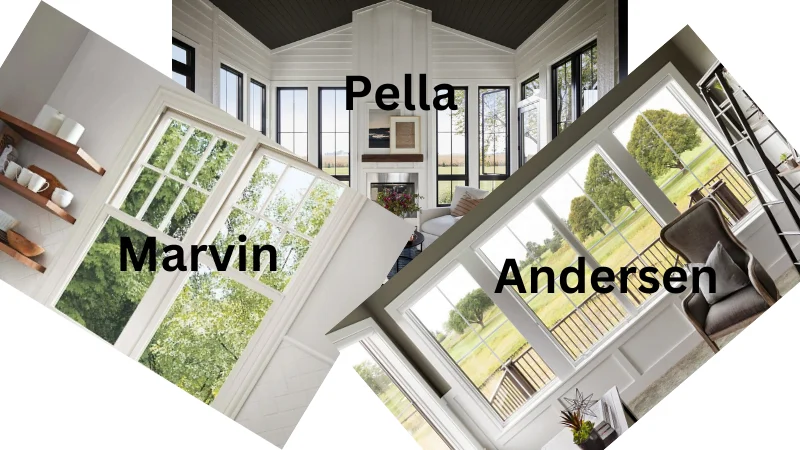
All three companies have been in the window business for over a century, yet they each occupy a distinct niche. Pella began as a family‑run operation in Iowa and has grown into a broad portfolio that includes budget‑friendly vinyl, wood‑clad, and high‑end architectural collections. Andersen, based in Minnesota, is renowned for its pioneering Fibrex material—a hybrid of wood fibers and polymer—that blends durability with a natural wood appearance. Marvin, hailing from Wisconsin, leans heavily on premium wood and aluminum options, positioning itself as a luxury brand for custom design projects.
The core difference lies in how each brand balances material technology, customization, and price. Pella offers a wide price spectrum, making it accessible for first‑time remodelers. Andersen focuses on innovative materials that reduce maintenance while preserving a classic look. Marvin emphasizes craftsmanship and offers a deep catalog of sizes, finishes, and hardware options for architects and designers seeking a truly bespoke solution.
pella vs andersen vs marvin: Energy Ratings Explained
Energy performance is a primary driver for modern homeowners, especially in regions with extreme temperatures. The three brands all meet or exceed ENERGY STAR standards, but their approaches differ. Pella’s Triple‑Pane and Insulite lines use low‑E glass and argon gas fills to achieve U‑values as low as 0.20 Btuh/ft²·°F. Andersen’s Fibrex frames naturally resist thermal bridging, allowing their 400 Series and A-Series windows to reach similar U‑values while maintaining a slimmer sightline. Marvin’s Ultimate line incorporates thermally broken aluminum and high‑performance wood cores, delivering U‑values in the 0.18–0.22 range, often paired with triple‑pane glazing for the most demanding climates.
When you compare these numbers side by side, the differences are subtle, but they matter over the life of the home. For a typical 2,000‑sq‑ft house, the energy savings can range from $50 to $150 per year depending on climate, window size, and installation quality. In other words, the brand you choose can have a measurable impact on your utility bills and carbon footprint.
Design Flexibility: Aesthetic Options for Every Room

From minimalist kitchens to ornate living rooms, the visual language of a window must complement the overall décor. Pella’s Designer Series offers a wide palette of exterior colors, interior grille patterns, and custom wood grain finishes that work well in both contemporary and traditional settings. Andersen’s A-Series and Architectural collections provide sleek, frameless looks ideal for modern interiors, while the 200 Series offers classic colonial profiles for heritage homes.
Marvin excels in customization. Their Ultimate and Elevate lines allow designers to mix wood interiors with aluminum exteriors, choose from over 150 paint colors, and add custom hardware such as decorative hinges or motorized operators. This level of detail makes Marvin a favorite among architects creating high‑end residential projects where every millimeter counts.
When planning a room‑by‑room redesign, consider how the window frame thickness, mullion pattern, and finish will interact with other elements like flooring, wall color, and furniture. A narrow‑profile, low‑profile window can enhance the feeling of spaciousness in a small bedroom, while a deeper, more ornate frame can add gravitas to a formal dining area.
Installation, Maintenance, and Warranty Considerations
Even the best‑crafted window will underperform if not installed correctly. All three brands recommend certified installers, but their warranty language reflects different confidence levels. Pella provides a limited 10‑year warranty on most vinyl windows and up to 25 years on wood and fiberglass models, contingent on professional installation. Andersen backs its Fibrex frames with a 20‑year limited warranty and offers a 10‑year warranty on glass.
Marvin’s warranty is the most extensive, featuring a 20‑year limited warranty on frames and glass for its premium lines, with the option to purchase a transferable, lifetime warranty on certain custom orders. This can be a decisive factor for homeowners who plan to sell the property later, as a transferable warranty adds resale value.
Maintenance varies by material. Vinyl and Fibrex require only occasional cleaning, while wood frames—common in Pella’s Designer and Marvin’s Ultimate collections—need periodic sealing or painting to protect against moisture. Understanding the upkeep schedule helps you match the brand to your lifestyle. For low‑maintenance living, Andersen’s Fibrex may be the most appealing.
Pricing, Value, and Return on Investment
Price is often the deciding factor, but it’s important to look beyond the sticker. Pella’s entry‑level vinyl windows can start around $250 per unit, making them an attractive choice for budget‑conscious projects. Mid‑range wood‑clad options range from $500 to $800, while high‑end Designer Series can exceed $1,200 per window.
Andersen’s Fibrex windows sit in the $400‑$1,000 range depending on series and customization. The added durability and lower maintenance can offset the higher upfront cost over time. Marvin’s premium lines typically start at $700 and can climb above $2,000 for fully custom configurations, reflecting the brand’s emphasis on craftsmanship and bespoke options.
When evaluating ROI, consider energy savings, warranty transferability, and aesthetic impact. Studies show that high‑quality replacement windows can increase home value by 3‑5 % and improve marketability, especially in upscale neighborhoods where buyers appreciate the nuanced differences between brands.
Quick Home Décor Tips for Window Styling
- Layer sheer curtains with blackout drapes to control light while maintaining a polished look.
- Use interior window stools to create a cozy reading nook; see our guide on Window Stool vs Sill: Choosing the Best for Your Home for detailed advice.
- Incorporate decorative grille patterns that echo the architectural style of the room—simple grids for modern spaces, colonial‑style muntins for traditional settings.
- Choose hardware finishes (brass, matte black, oil‑rubbed bronze) that complement other fixtures; learn more in Oil Rubbed Bronze vs Black: Choosing the Right Finish for Modern Interiors.
Common Mistakes to Avoid When Selecting Windows
Even seasoned homeowners can slip up. One frequent error is focusing solely on price and overlooking long‑term performance. Choosing the cheapest vinyl option may seem economical, but poor thermal performance can increase heating and cooling costs. Another mistake is ignoring the importance of proper framing depth; a window that doesn’t match the wall thickness can cause air leaks and compromise structural integrity.
Lastly, many people forget to coordinate the window style with existing architectural details. A sleek, frameless window can look out of place in a Craftsman‑style home, just as an ornate wood frame may overwhelm a minimalist loft. Aligning the window aesthetic with the overall design theme ensures a harmonious result.
Frequently Asked Questions
Which brand offers the best energy efficiency?
All three brands meet ENERGY STAR standards, but Marvin’s Ultimate line with triple‑pane glass and thermally broken frames generally provides the lowest U‑values, making it the most energy‑efficient option for extreme climates.
Is there a noticeable visual difference between Pella, Andersen, and Marvin windows?
Yes. Pella offers a broader range of traditional and contemporary styles, Andersen’s Fibrex frames deliver a clean, modern look with slim sightlines, and Marvin stands out with highly customizable wood and aluminum combinations that can be tailored to any design vision.
How does warranty affect my decision?
Marvin’s transferable, extended warranty can add resale value, while Andersen’s 20‑year limited warranty provides solid protection for the frame. Pella’s warranty varies by material but is generally competitive. Consider how long you plan to stay in the home and whether a transferable warranty is important to you.
Can I install these windows myself?
Professional installation is strongly recommended for all three brands. Proper sealing, flashing, and alignment are critical for performance, and most warranties require certified installers to remain valid.
Do high‑end windows justify the extra cost?
For many homeowners, the added energy savings, reduced maintenance, and enhanced aesthetic appeal of premium lines from Andersen or Marvin offset the higher upfront investment, especially in high‑value markets.
Choosing between Pella, Andersen, and Marvin ultimately depends on your priorities—whether you value cost‑effectiveness, cutting‑edge material technology, or unparalleled customization. By weighing performance metrics, design flexibility, and warranty terms, you can select the window brand that not only fits your budget but also elevates the overall look and feel of your home.
Ready to start your window project? Explore more design inspiration in our Beautiful Home Décor Inspiration Ideas for Every Room guide, and don’t forget to check out our tips on Decorating Your Home with Wine for a touch of elegance that pairs beautifully with new windows.