
Table of Contents
- Oil Rubbed Bronze vs Black: Understanding the Finish
- Oil Rubbed Bronze vs Black: Color Characteristics
- Where to Use Oil Rubbed Bronze and Black Finishes
- Durability and Maintenance: What to Expect
- Matching Hardware with Your Design Palette
- Cost Considerations and Value
- Quick Tips for Choosing Between Oil Rubbed Bronze and Black
- Common Mistakes When Selecting a Finish
- Frequently Asked Questions
- Is oil rubbed bronze more prone to tarnishing than black?
- Can I use oil rubbed bronze hardware in a modern minimalist bathroom?
- How does black hardware affect the perception of space?
- Are there any health concerns with oil‑based finishes?
- Which finish pairs best with natural wood cabinets?
- Do black fixtures require more frequent cleaning?
Oil Rubbed Bronze vs Black: Choosing the Right Finish for Modern Interiors
When it comes to hardware, lighting, or accent pieces, the finish you choose can make or break the overall mood of a room. Two of the most popular dark finishes today are oil rubbed bronze and classic black. Both offer a sophisticated, moody aesthetic, yet they behave very differently under various lighting conditions, usage patterns, and design schemes. Understanding these nuances helps homeowners, renters, and interior‑design enthusiasts make confident decisions that enhance rather than clash with their existing décor.
In this article we’ll explore the visual characteristics, practical performance, and style implications of oil rubbed bronze vs black. You’ll learn how each finish interacts with different materials, which rooms benefit most from each, and how to maintain their beauty over the years. By the end, you’ll be equipped with actionable insights to select the perfect finish for your next project—whether you’re updating a bathroom vanity, outfitting a kitchen island, or adding a statement light fixture in a living room.
Oil Rubbed Bronze vs Black: Understanding the Finish
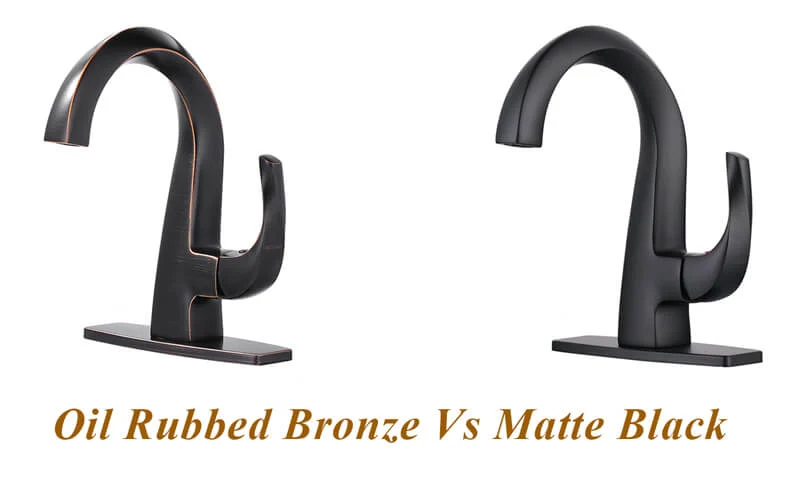
At first glance, oil rubbed bronze and black may appear similar because both belong to the “dark metal” family. However, the underlying composition and finishing process create distinct visual and tactile experiences. Oil rubbed bronze is typically a brass or bronze base that receives a series of oil‑based coatings, followed by a rubbing process that highlights the grain and adds depth. The result is a warm, earthy tone with subtle variations that catch the light in a way that feels almost antique.
Black finishes, on the other hand, are often achieved through powder coating, anodizing, or a high‑gloss paint. The surface is uniform, delivering a sleek, modern look that can appear either matte or glossy depending on the application method. Black is a “true” neutral that reflects minimal color, making it a versatile backdrop for bold design statements.
Oil Rubbed Bronze vs Black: Color Characteristics
- Warmth: Oil rubbed bronze carries reddish‑brown undertones, adding a sense of coziness.
- Coolness: Black offers a cooler, more contemporary vibe that can appear stark in bright spaces.
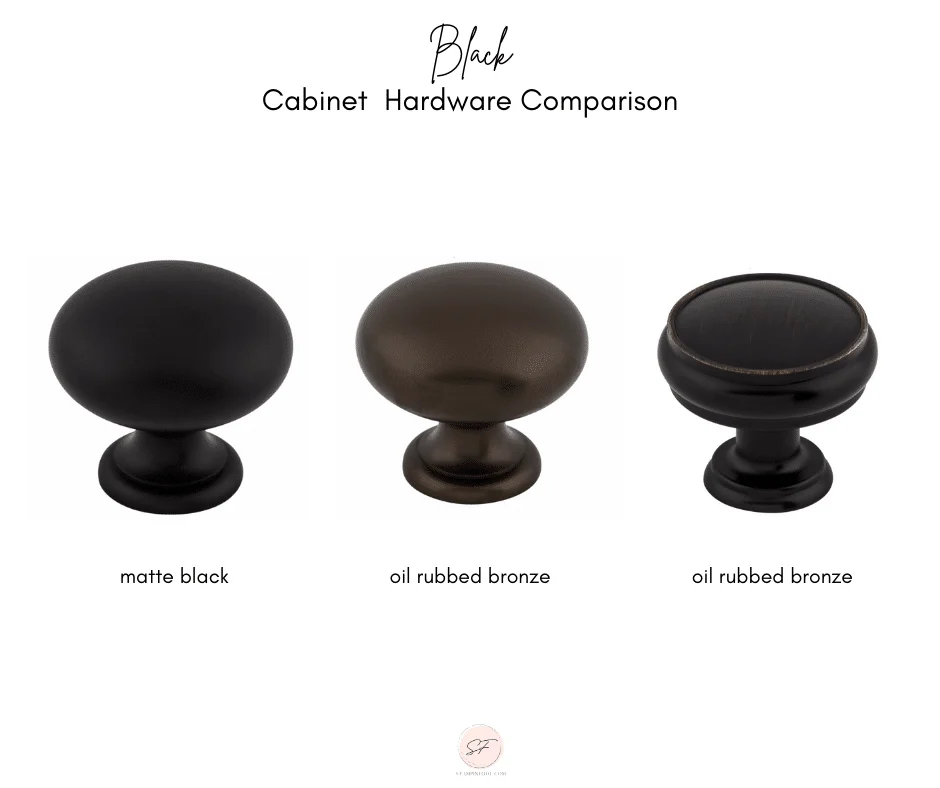
- Reflectivity: The rubbed texture of bronze scatters light, creating a subtle shimmer; black can be matte (low reflectivity) or glossy (high reflectivity).
- Ageing: Bronze develops a patina over time, while black tends to retain its original hue unless scratched.
These characteristics influence how each finish pairs with surrounding colors, textures, and lighting. For instance, a brushed oil rubbed bronze faucet can add warmth to a marble countertop, whereas a matte black cabinet pull can reinforce a minimalist, high‑contrast kitchen.
Where to Use Oil Rubbed Bronze and Black Finishes
Choosing the right setting is crucial. Oil rubbed bronze shines in spaces that benefit from a touch of historic charm or natural warmth. Think of a farmhouse bathroom with a freestanding tub, exposed brick walls, or reclaimed wood vanity. The finish complements earthy palettes—think olive greens, deep terracotta, and warm grays.
Black, by contrast, excels in contemporary interiors where clean lines and strong contrast are key. A sleek black pendant over a kitchen island can become an instant focal point, especially when paired with stainless steel appliances or white quartz. In living rooms, black picture frames or metal shelving create a gallery‑like atmosphere that highlights artwork without competing for attention.
Both finishes can coexist within the same home if you use them strategically. For example, oil rubbed bronze hardware in the master bathroom paired with black accents in the hallway creates a subtle journey from warm to cool tones, guiding the eye through different moods.
Durability and Maintenance: What to Expect

Durability is often a deciding factor for homeowners who want lasting beauty. Oil rubbed bronze, despite its elegant appearance, is more susceptible to scratches and fingerprints because the oil‑based coating can wear over time. Regular cleaning with a soft, damp cloth and occasional application of a non‑abrasive metal polish helps maintain its sheen. Avoid harsh chemicals that can strip the protective oil layer.
Black finishes, especially those achieved through powder coating, are known for their robustness. They resist chipping, fading, and corrosion better than many other finishes. Maintenance is straightforward: a quick wipe with a microfiber cloth is usually enough. However, if a black surface becomes scratched, the contrast of the mark can be more noticeable than on a bronze surface, so using protective pads on high‑traffic hardware is advisable.
In high‑humidity areas like bathrooms, both finishes perform well when properly sealed. Oil rubbed bronze may develop a subtle patina that many find appealing, while black retains a consistent appearance when the coating is of high quality.
Matching Hardware with Your Design Palette
Hardware is the connective tissue between a room’s overall color scheme and its functional elements. When deciding between oil rubbed bronze vs black, consider the surrounding palette:
- Warm neutrals (beige, taupe, warm gray): Oil rubbed bronze amplifies the coziness.
- Cool neutrals (cool gray, white, blue): Black provides a crisp, modern edge.
- Bold colors (emerald, navy, deep red): Both finishes can work, but black creates stronger contrast while bronze adds a muted harmony.
For a cohesive look, pair oil rubbed bronze with other warm metal accents such as copper or brass. Black pairs naturally with chrome, stainless steel, or even brushed nickel for a layered metallic effect. If you’re unsure, consult our guide on how to find your home decor style for deeper insight into creating a harmonious palette.
Cost Considerations and Value
Budget is always on the table. Generally, oil rubbed bronze finishes are slightly more expensive than standard black due to the multiple coating steps and the use of premium base metals. The price difference can range from 10% to 30% depending on the manufacturer and the item (e.g., a simple drawer pull versus a custom chandelier).
However, the perceived value of oil rubbed bronze often justifies the cost in premium projects. The finish can elevate a standard fixture into a design statement, potentially increasing the resale appeal of a home. Black finishes, while more affordable, also add high‑style value when used thoughtfully—especially in modern apartments where sleek aesthetics command higher rental rates.
When budgeting, factor in long‑term maintenance. If you anticipate heavy use, the durability of black may result in lower replacement costs over time. Conversely, if you love the patina that develops on oil rubbed bronze, the occasional refinishing expense may be worth the visual payoff.
Quick Tips for Choosing Between Oil Rubbed Bronze and Black
- Assess the room’s natural light. Bright spaces benefit from black’s contrast; dimmer rooms gain warmth from oil rubbed bronze.
- Match the finish to your existing metal accents—don’t mix bronze with chrome unless you intend a mixed‑metal look.
- Consider the level of traffic. High‑traffic cabinets favor black for durability.
- Think about long‑term styling. Oil rubbed bronze ages gracefully; black remains static.
- Test samples side‑by‑side before committing to large purchases.
Common Mistakes When Selecting a Finish
Even seasoned designers can stumble. One frequent error is using oil rubbed bronze in a high‑contrast, all‑white kitchen. The subtle warmth may get lost against stark white, making the hardware appear faded. Instead, pair bronze with warm wood tones or a soft gray backsplash.
Another pitfall is over‑using black in small spaces. While black can create drama, too much can make a room feel cramped. Balance black fixtures with lighter surrounding elements—think white walls, light‑colored flooring, or natural wood.
Finally, neglecting to consider the finish’s finish (matte vs glossy) can lead to mismatched visual weight. A glossy black knob on a matte black cabinet can look intentional; the opposite might appear careless.
Frequently Asked Questions
Is oil rubbed bronze more prone to tarnishing than black?
Oil rubbed bronze develops a natural patina over time, which many find attractive. It does not tarnish in the same way silver does, but the surface can darken slightly with exposure to moisture. Proper sealing and occasional polishing keep it looking fresh. Black finishes, especially powder‑coated, resist tarnish altogether.
Can I use oil rubbed bronze hardware in a modern minimalist bathroom?
Yes, if you balance the warm tone with neutral tiles, clear glass, and simple lines. The key is to avoid overly ornate shapes; choose streamlined fixtures that let the finish speak without competing with decorative details.
How does black hardware affect the perception of space?
Black creates visual depth and can make a room feel more intimate. In larger rooms, it adds a grounding element. In compact spaces, use black sparingly or opt for matte finishes to avoid a shrinking effect.
Are there any health concerns with oil‑based finishes?
High‑quality oil rubbed bronze finishes are cured to be VOC‑compliant, but it’s wise to ensure proper ventilation during installation. Once cured, the finish is inert and safe for household use.
Which finish pairs best with natural wood cabinets?
Oil rubbed bronze complements the warm undertones of natural wood, creating a cohesive, rustic feel. Black works well with light‑stained wood for a contemporary contrast, especially when the cabinetry features clean, flat panels.
Do black fixtures require more frequent cleaning?
Because fingerprints and smudges show up more starkly on black, a quick wipe-down with a microfiber cloth is recommended daily in high‑traffic areas. The cleaning effort is similar to that for oil rubbed bronze, but the visual impact of grime is more immediate on black.
Choosing between oil rubbed bronze vs black ultimately hinges on the atmosphere you wish to create, the functional demands of the space, and your long‑term maintenance preferences. By evaluating light, color palette, traffic patterns, and budget, you can select a finish that not only looks stunning today but also ages gracefully with your home’s evolving style.
Ready to experiment? Pair a brushed oil rubbed bronze vanity faucet with a soft teal wall paint for a spa‑like bathroom retreat, or install sleek black pendant lights over a white marble island to achieve a bold, modern kitchen statement. Whichever route you take, remember that the finish is more than a color—it’s an expression of your personal design narrative.
For additional inspiration on coordinating finishes with larger design concepts, explore our article on Bleeker Beige vs Shaker Beige: Which Shade Elevates Your Space?. If you’re focused on kitchen hardware, the comparison of Hickory vs Oak Cabinets – Which Is Right for Your Kitchen? offers valuable context on material pairing. And for a holistic view of style development, check out our piece on Why Is Dog Scratching Carpet? A Home‑Stylist’s Guide to Protecting Your Floors, which, while about pets, highlights the importance of durable finishes throughout the home.
Whatever your choice, the right finish can transform a functional element into a design focal point, adding depth, character, and lasting appeal to any room.