
Table of Contents
- What Defines Organic Minimalist Interior Design?
- Choosing Materials That Speak to Both Minimalism and Nature
- Designing Organic Minimalist Living Spaces
- Organic Minimalist Living Room Tips
- Creating Calm Bedrooms with an Organic Minimalist Touch
- Bedroom Quick Wins
- Applying Organic Minimalism in Small Apartments
- Small‑Space Organic Minimalist Checklist
- Integrating Sustainable Practices
- Sustainable Material Tips
- Common Mistakes and How to Avoid Them
- Frequently Asked Questions
- Is organic minimalist interior design suitable for families with children?
- How can I add color without breaking the minimalist vibe?
- Can I incorporate metal elements while staying true to organic minimalism?
- What type of flooring works best for this style?
- Do I need to eliminate all patterns?
- How much greenery is appropriate?
- Quick Tips for an Immediate Organic Minimalist Refresh
Organic Minimalist Interior Design: A Complete Guide
In a world where clutter often feels inevitable, the organic minimalist interior design movement offers a refreshing antidote. It combines the clean, purposeful lines of minimalism with the warmth and texture of natural materials, creating spaces that feel both serene and alive. Whether you’re a homeowner looking to revamp a single room or a renter seeking a cohesive aesthetic, understanding this hybrid style can transform the way you experience your home.
This guide walks you through the core principles, practical applications, and common pitfalls of organic minimalist interior design. You’ll learn how to select the right materials, balance light and shadow, and integrate subtle greenery without compromising the uncluttered vibe. By the end, you’ll have a toolbox of ideas ready to be applied to living rooms, bedrooms, kitchens, or even small apartments.
What Defines Organic Minimalist Interior Design?
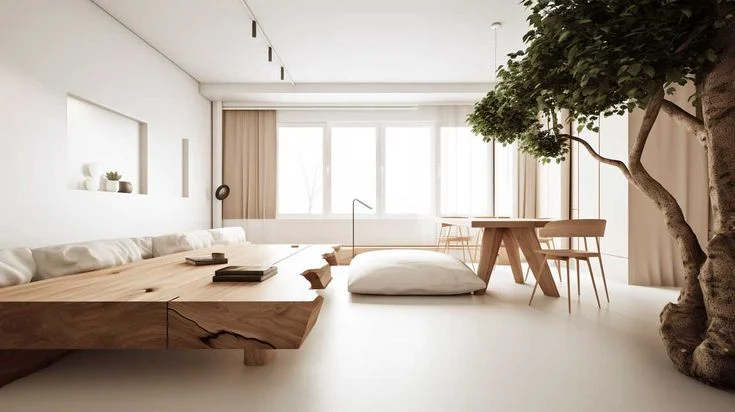
The term “organic minimalist interior design” might sound contradictory at first—how can something be both “organic” and “minimalist”? The answer lies in the intentional blending of two philosophies. Minimalism emphasizes reduction, functionality, and the removal of excess, while the organic aspect introduces natural textures, earthy palettes, and sustainable choices. The result is a space that feels spacious yet grounded, sophisticated yet comforting.
Key characteristics include:
- Neutral color palettes dominated by whites, beiges, soft grays, and muted earth tones.
- Natural materials such as wood, stone, linen, and jute that add tactile depth.
- Clean lines with simple furniture silhouettes that avoid unnecessary ornamentation.
- Strategic use of greenery to soften geometry and improve indoor air quality.
- Focused lighting—both natural and artificial—to highlight textures without overwhelming the eye.
When executed well, the approach creates a harmonious backdrop where personal items become accent pieces rather than visual clutter.
Choosing Materials That Speak to Both Minimalism and Nature
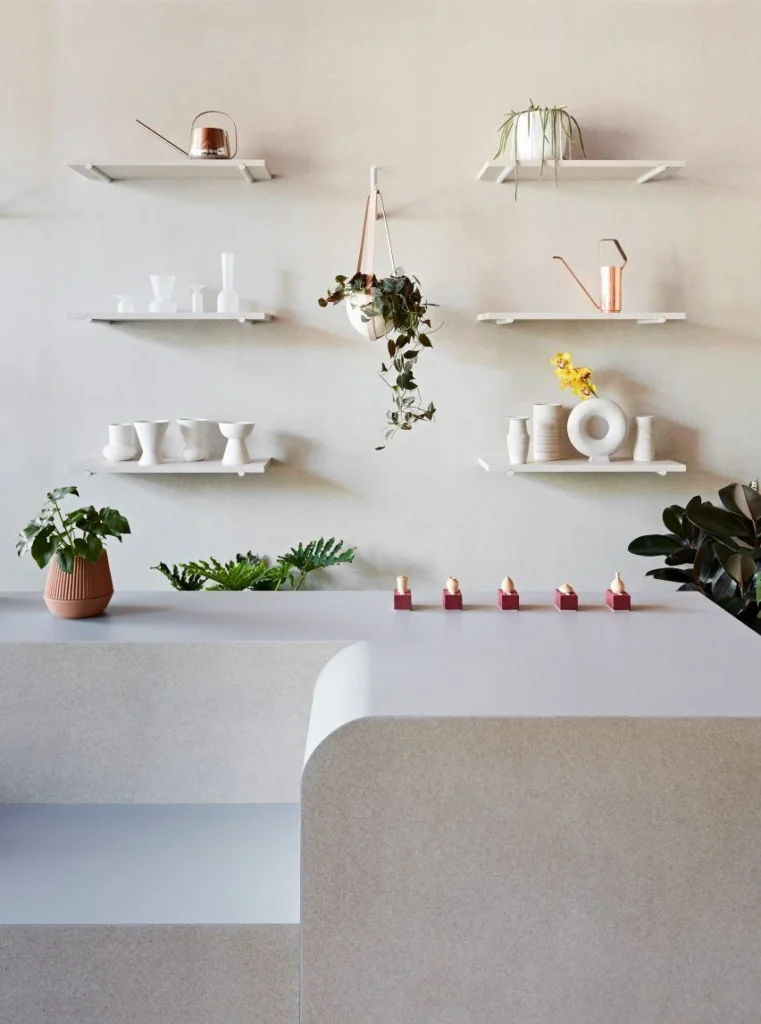
The material palette is the heart of organic minimalist interior design. Opt for finishes that feel raw yet refined. Reclaimed wood, for example, offers a story and texture while maintaining a clean silhouette. Stone countertops or accent walls add weight and a sense of permanence without demanding visual attention.
Consider the following material pairings:
- Wood + White: Light oak or walnut paired with crisp white walls amplifies natural warmth while preserving a minimalist backdrop.
- Linen + Concrete: Soft, breathable linen upholstery against a polished concrete floor creates a subtle contrast between softness and industrial cool.
- Bamboo + Glass: Bamboo blinds or furniture juxtaposed with glass elements maintain openness and light flow.
When you select a material, ask yourself: Does it age gracefully? Is it sustainably sourced? Does it add texture without adding visual noise? Answering these questions ensures that every piece contributes to the overall harmony of the design.
Designing Organic Minimalist Living Spaces
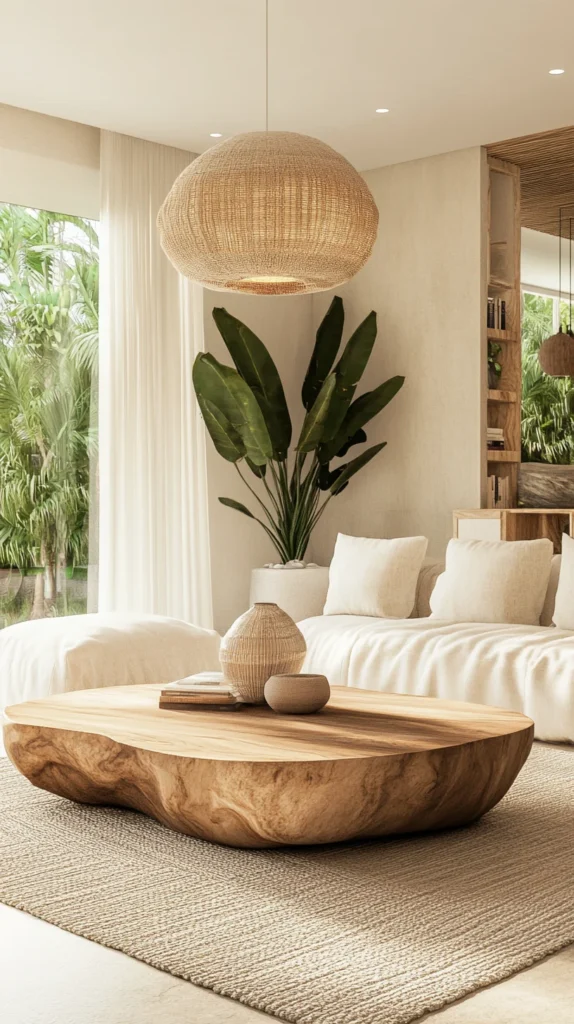
Living rooms often serve as the social hub of a home, making them an ideal canvas for the organic minimalist interior design style. Start with a low-profile sofa in a neutral fabric—think linen or a muted wool blend. Pair it with a reclaimed wood coffee table that has clean, straight legs. A simple area rug made from natural fibers like jute or sisal grounds the space without competing with the furniture.
To add a touch of nature without overcrowding, place a single, statement‑size plant—perhaps a fiddle leaf fig or a snake plant—on a sleek metal stand. The plant adds life, improves air quality, and reinforces the organic element of the aesthetic. For those interested in further living‑room inspiration, our Modern Neutral Living Room Ideas – A Complete Guide offers additional color and layout suggestions that blend seamlessly with minimalist principles.
Organic Minimalist Living Room Tips
- Keep décor to a minimum—choose one or two sculptural pieces rather than multiple small ornaments.
- Use hidden storage solutions like built‑in cabinets or low, sliding drawers to keep everyday items out of sight.
- Layer lighting: combine recessed ceiling lights with a simple floor lamp made of natural wood.
Creating Calm Bedrooms with an Organic Minimalist Touch
A bedroom should be a sanctuary, and the organic minimalist interior design approach excels at fostering calm. Begin with a platform bed featuring a low, unadorned headboard crafted from reclaimed timber. Dress the bed in high‑thread‑count cotton sheets in off‑white or soft gray, and add a single throw blanket in a natural linen weave for texture.
Nightstands can be floating shelves made from reclaimed wood, keeping the floor space open. A pair of small ceramic vases with fresh cut flowers provide a subtle organic accent. Finally, incorporate a muted artwork—perhaps a simple black‑and‑white line drawing—that echoes the minimalist aesthetic while adding personality.
Bedroom Quick Wins
- Choose a single, high‑quality mattress and avoid overly padded headboards.
- Install dimmable, warm‑tone lighting to transition smoothly from day to night.
- Swap synthetic décor for natural alternatives like a wool rug or a bamboo bedside lamp.
Applying Organic Minimalism in Small Apartments
Space constraints often drive people toward cluttered solutions, but the organic minimalist interior design philosophy is especially effective in small apartments. The key lies in multi‑functional furniture and visual continuity. A sofa that converts into a bed, paired with a wall‑mounted folding desk made from reclaimed wood, maximizes utility without sacrificing style.
Open shelving—preferably floating and crafted from light wood—provides storage while maintaining an airy feel. Keep the color scheme monochromatic to avoid visual fragmentation; a single shade of soft gray across walls, furniture, and textiles can make the space feel larger.
For more small‑space ideas, explore our article on Interior Design Inspiration for Apartments – Modern Small‑Space Ideas. The guidance aligns perfectly with organic minimalist principles, emphasizing simplicity, natural materials, and clever storage.
Small‑Space Organic Minimalist Checklist
- Opt for furniture with built‑in storage, like ottomans that open.
- Use mirrors strategically to reflect light and expand perceived space.
- Limit the number of decorative items; each should serve a functional or aesthetic purpose.
Integrating Sustainable Practices
One of the most rewarding aspects of organic minimalist interior design is its compatibility with sustainable living. Choose locally sourced timber, recycled metal fixtures, and low‑VOC paints. When possible, repurpose existing furniture—refinish an old wooden dresser instead of purchasing new, which reduces waste and adds a unique story to your home.
In the kitchen, for instance, compare countertop options that align with sustainability goals. Our analysis of Vicostone vs Cambria highlights the environmental footprints of each material, helping you make an informed decision that complements an organic minimalist aesthetic.
Sustainable Material Tips
- Select reclaimed wood for flooring or accent walls.
- Choose natural fibers—linen, wool, cotton—for textiles.
- Prioritize energy‑efficient lighting, such as LED fixtures with dimmers.
Common Mistakes and How to Avoid Them
Even seasoned designers can stumble when blending organic elements with minimalist rigor. Below are frequent errors and simple fixes:
- Over‑accessorizing: Adding too many decorative objects defeats the purpose of minimalism. Keep accessories to one or two statement pieces.
- Ignoring Scale: Large, heavy wood furniture can overwhelm a small room. Balance scale by pairing heavier pieces with light, airy textiles.
- Poor Lighting Balance: Relying solely on natural light can create harsh shadows. Incorporate layered lighting—ambient, task, and accent—to soften the environment.
- Choosing the Wrong Color Palette: Bright, saturated colors clash with the subdued nature of organic minimalism. Stick to muted, earthy tones for walls and large furniture.
By staying mindful of these pitfalls, you ensure the final design remains true to the core ethos of simplicity and natural elegance.
Frequently Asked Questions
Is organic minimalist interior design suitable for families with children?
Absolutely. The style’s emphasis on durable, natural materials such as solid wood and woven textiles can stand up to everyday wear. Opt for rounded furniture edges and washable fabrics to combine safety with aesthetics.
How can I add color without breaking the minimalist vibe?
Introduce muted accent colors through textiles—think a soft sage throw pillow or a terracotta vase. The key is to keep the hue subtle and limit it to one or two accessories per room.
Can I incorporate metal elements while staying true to organic minimalism?
Yes. Metals such as brushed brass or matte black can provide sleek contrast when used sparingly—perhaps in lighting fixtures, hardware, or a minimalist coffee table frame.
What type of flooring works best for this style?
Wide‑plank hardwood, bamboo, or polished concrete are ideal choices. They provide a natural foundation that complements the understated furniture and allows the room’s textures to shine.
Do I need to eliminate all patterns?
Not necessarily. Subtle, linear patterns—like a simple herringbone rug or a linen fabric with a faint texture—add depth without overwhelming the minimalist clean lines.
How much greenery is appropriate?
One to two thoughtfully placed plants per room are enough to evoke the organic feel. Choose low‑maintenance varieties such as snake plants, pothos, or ZZ plants for easy upkeep.
Quick Tips for an Immediate Organic Minimalist Refresh
- Swap synthetic curtains for linen panels in a natural hue.
- Replace heavy, patterned rugs with a light jute or sisal runner.
- Introduce a single large plant to any room that feels too stark.
- Use hidden storage—under‑bed drawers or built‑in cabinets—to keep surfaces clear.
- Switch to LED bulbs with a warm color temperature for a softer glow.
Implementing these small changes can instantly shift the mood of a space toward the calm, purposeful atmosphere championed by organic minimalist interior design.
When you blend the purity of minimalism with the warmth of natural materials, you create environments that are both visually calming and emotionally grounding. The approach encourages mindful living, reduces visual noise, and supports sustainable choices—benefits that extend beyond aesthetics to improve overall well‑being. As you experiment with textures, light, and layout, remember that each decision should serve both function and feeling. The result is a home that feels like a breath of fresh air, every day.