
Table of Contents
- Understanding the Core Concept: Neutral Home Interior with Warm Lighting
- Neutral Home Interior with Warm Lighting: Choosing the Right Fixtures
- Color Palette and Materials: Building the Neutral Foundation
- Room‑by‑Room Applications
- Living Room
- Bedroom
- Kitchen
- Small Apartments
- Quick Tips for a Neutral Home Interior with Warm Lighting
- Common Mistakes and How to Avoid Them
- Frequently Asked Questions
- What color temperature is best for a neutral home interior?
- Can I use colored lighting with a neutral palette?
- How many light sources should I have in a typical room?
- Is it necessary to repaint walls when switching to warm lighting?
- Do I need a lighting plan for each room?
- Can I achieve a neutral home interior with warm lighting on a budget?
Neutral Home Interior with Warm Lighting – A Complete Guide
Designing a space that feels both tranquil and inviting is a common goal for many homeowners. A neutral home interior with warm lighting achieves exactly that, blending subtle color palettes with gentle illumination to create a serene atmosphere that works for any lifestyle. Whether you’re decorating a compact apartment, a sprawling family house, or a stylish loft, mastering this balance can transform ordinary rooms into comfortable retreats.
In this guide we’ll explore why neutral tones and warm lighting complement each other, how to choose the right fixtures, and which accessories enhance the overall effect. You’ll also find practical tips for every room, a quick‑tips checklist, and answers to frequently asked questions, so you can confidently apply these ideas to your own home.
Ready to make your living spaces feel calm, welcoming, and effortlessly chic? Let’s dive into the fundamentals of a neutral home interior with warm lighting and see how simple changes can have a big impact.
Understanding the Core Concept: Neutral Home Interior with Warm Lighting
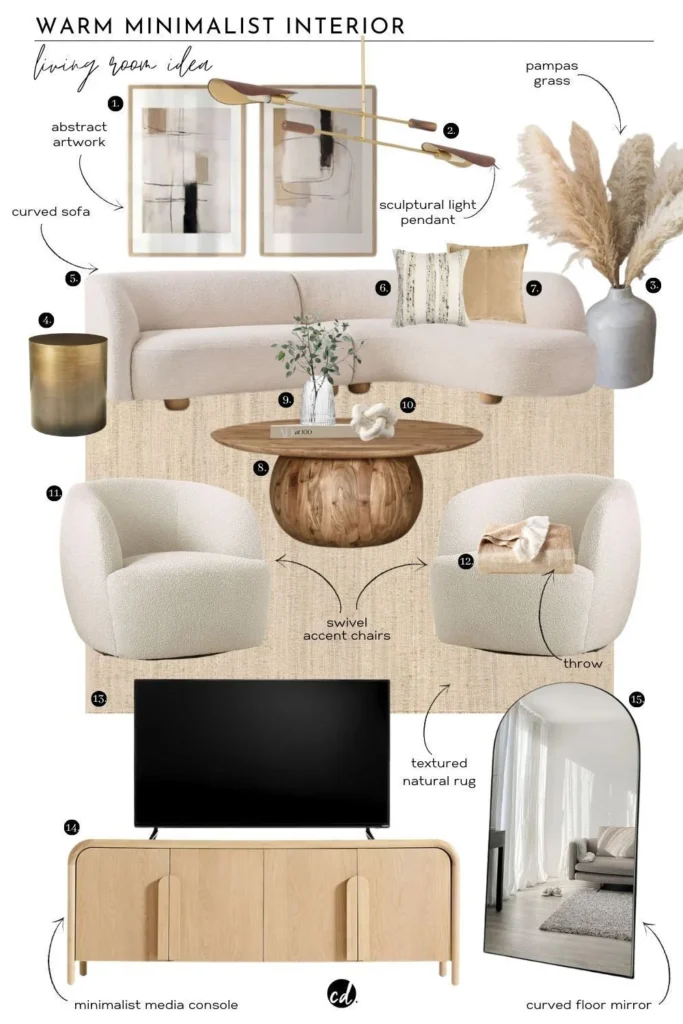
Neutral colors—think shades of beige, gray, ivory, and soft whites—form a versatile backdrop that allows other design elements to shine without competing for attention. When paired with warm lighting, which typically falls between 2700K and 3000K on the color temperature scale, these hues gain depth and a cozy glow. The result is a space that feels expansive yet intimate, perfect for relaxation and entertaining alike.
Warm lighting mimics the natural light of sunrise and sunset, encouraging a relaxed mood. It reduces harsh contrasts that can make neutral walls appear flat, instead highlighting texture and subtle color variations. This synergy is especially effective in rooms that lack abundant natural light, as the warm glow compensates for the missing daylight, keeping the environment comfortable throughout the day.
Neutral Home Interior with Warm Lighting: Choosing the Right Fixtures
Choosing the proper lighting fixtures is crucial. Here are three categories to consider:
- Ambient lighting: Overhead chandeliers, recessed lights, or flush‑mount fixtures provide overall illumination. Opt for dimmable LEDs with a warm color temperature to adjust the mood as needed.
- Task lighting: Table lamps, floor lamps, and under‑cabinet lights focus light where it’s needed, such as reading nooks or kitchen countertops. Look for shades in natural fibers (linen, woven paper) that diffuse the glow gently.
- Accent lighting: Spotlights or LED strips can highlight artwork, architectural details, or textured walls, adding visual interest without overwhelming the neutral palette.
By layering these three lighting types, you create depth and flexibility, ensuring the neutral home interior with warm lighting feels balanced from every angle.
Color Palette and Materials: Building the Neutral Foundation
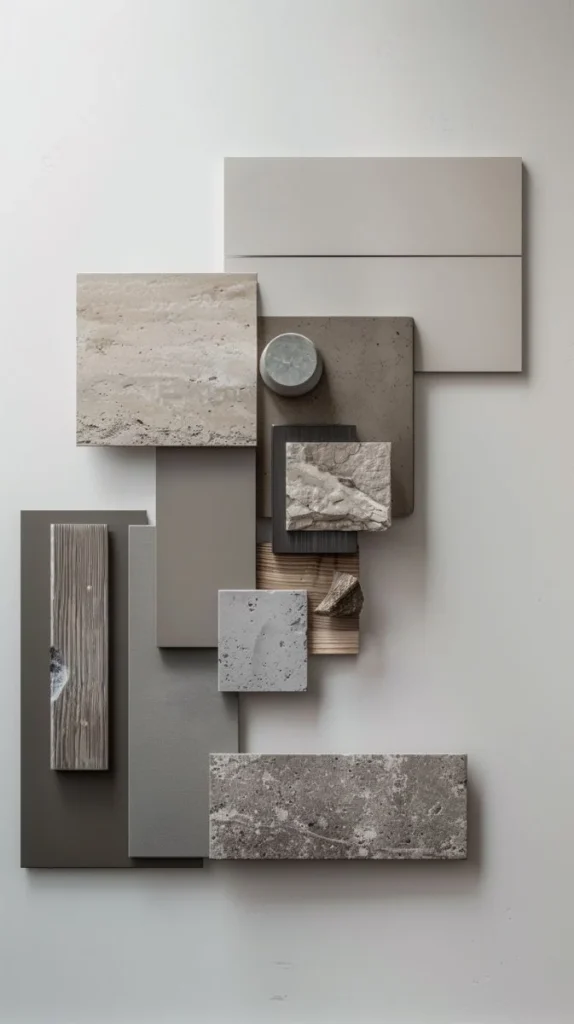
A successful neutral scheme starts with a thoughtful selection of colors and textures. While pure white can feel sterile, mixing soft whites with warm greys, taupes, or sand tones adds subtle warmth. Pair these hues with natural materials—wood, stone, and woven textiles—to enhance the effect of warm lighting.
Consider the following material choices:
- Wood flooring: Light oak or reclaimed wood introduces a warm undertone that reflects light beautifully.
- Stone accents: Marble or limestone countertops in light shades add elegance without detracting from the calming palette.
- Textiles: Linen curtains, chunky knit throws, and plush rugs in muted tones provide tactile comfort and soften the space.
When you combine these elements, the neutral home interior with warm lighting becomes a canvas that feels both timeless and inviting.
Room‑by‑Room Applications
Below are specific strategies for key areas of the house. Each example demonstrates how to apply the neutral‑plus‑warm‑light formula without sacrificing functionality.
Living Room
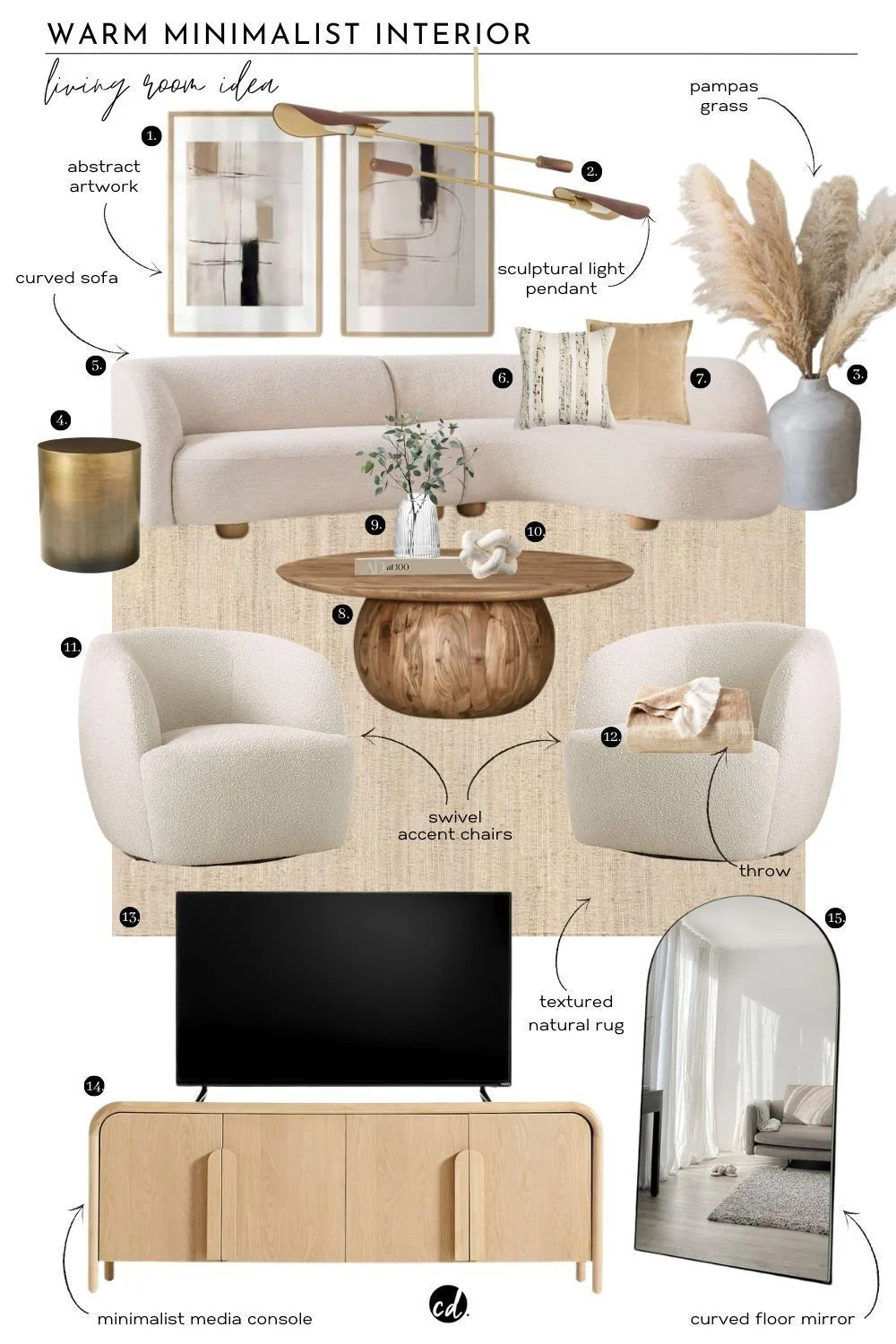
The living room often serves as the social hub, so creating a welcoming ambiance is essential. Start with a neutral wall color—soft greige works well—and add a large area rug in a slightly darker shade to anchor the seating area. Place a dimmable floor lamp with a linen shade beside the sofa, and incorporate a recessed light strip behind a floating bookshelf to showcase decorative objects.
For inspiration on color coordination, see our article on neutral bedroom décor ideas, which showcases similar palette strategies that translate beautifully to living spaces.
Bedroom
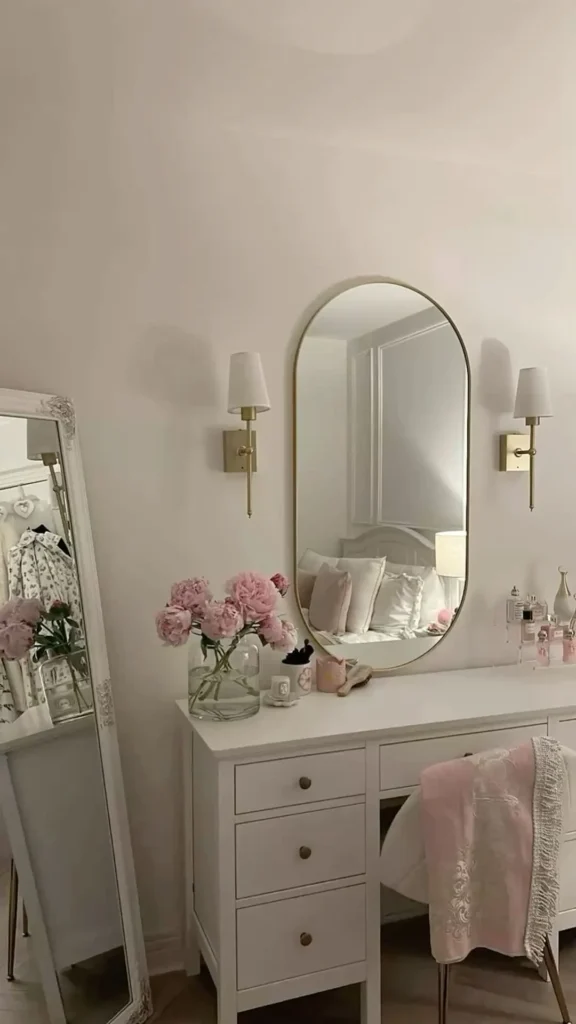
In the bedroom, comfort is paramount. Choose a warm ivory paint and layer it with a plush duvet in muted taupe. Bedside tables equipped with small table lamps featuring amber glass shades provide intimate task lighting for reading. A subtle wall sconce with a brushed‑nickel finish adds a decorative accent while maintaining the warm glow.
Explore further ideas in our guide on mastering bedroom décor with layered pillows, which complements the neutral and warm aesthetic.
Kitchen
Even kitchens can benefit from a neutral backdrop. Light gray cabinetry paired with warm wood countertops creates a balanced look. Under‑cabinet LED strips set to a warm tone illuminate work surfaces without harsh glare. A pendant light with a frosted glass shade over the island adds a soft focal point while enhancing the overall warmth.
For a splash of greenery, check out our ideas on creative kitchen plant shelf ideas, which integrate natural elements that echo the warm lighting theme.
Small Apartments
Limited square footage calls for strategic lighting. Use wall-mounted sconces in warm amber to free up floor space, and choose multi‑functional furniture in neutral tones—like a storage ottoman in soft beige. Mirrors placed opposite a warm LED fixture bounce light around the room, making the space feel larger and brighter.
Quick Tips for a Neutral Home Interior with Warm Lighting
- Choose dimmable LED bulbs (2700K–3000K) for flexibility.
- Layer lighting: combine ambient, task, and accent sources.
- Use natural textures—wood, linen, wool—to reflect warmth.
- Incorporate mirrors to amplify warm light.
- Keep clutter minimal to let the neutral palette breathe.
Common Mistakes and How to Avoid Them
Even seasoned decorators can slip into pitfalls that diminish the soothing effect of a neutral‑plus‑warm‑light approach. Here are three frequent errors and practical solutions:
- Over‑white walls: Pure white can feel clinical. Add a hint of warm gray or beige to soften the space.
- Using only cool‑temperature bulbs: Cool light (over 4000K) clashes with neutral tones, creating a sterile vibe. Replace them with warm LEDs.
- Ignoring light balance: Relying solely on overhead lighting can create harsh shadows. Introduce table and floor lamps to distribute light evenly.
Frequently Asked Questions
What color temperature is best for a neutral home interior?
Warm white bulbs ranging from 2700K to 3000K provide a gentle, inviting glow that complements neutral shades without creating harsh contrasts.
Can I use colored lighting with a neutral palette?
Yes, but keep it subtle. Soft amber or muted gold tones work well for accent lighting, while vivid colors should be limited to decorative fixtures or smart‑light settings used occasionally.
How many light sources should I have in a typical room?
Aim for at least three layers: ambient (overhead), task (lamps, under‑cabinet), and accent (spotlights, wall sconces). This combination ensures functional illumination and visual interest.
Is it necessary to repaint walls when switching to warm lighting?
Not always. If your existing paint is a cool gray, adding warm lighting can shift the perception toward a cozier feel. However, a warm undertone paint enhances the effect.
Do I need a lighting plan for each room?
While a detailed plan isn’t mandatory, sketching a simple layout—identifying where ambient, task, and accent lights will go—helps prevent gaps and ensures a harmonious result.
Can I achieve a neutral home interior with warm lighting on a budget?
Absolutely. Start with affordable warm LED bulbs, use inexpensive fabric lamp shades, and incorporate DIY projects like painting furniture in muted tones. Over time, you can upgrade fixtures as budget permits.
Creating a neutral home interior with warm lighting is more than a design trend; it’s a timeless strategy that brings comfort, elegance, and flexibility to any space. By selecting the right color palette, layering warm light sources, and paying attention to texture and proportion, you’ll craft environments that feel both modern and welcoming. Experiment with the ideas shared here, avoid common missteps, and let the gentle glow guide your styling journey.