
Table of Contents
- kitchen plant shelf ideas: built‑in herb walls
- Design considerations for kitchen plant shelf ideas
- Freestanding plant shelves that double as storage
- Choosing the right freestanding kitchen plant shelf ideas
- Floating shelves with integrated planters
- Installation tips for kitchen plant shelf ideas on floating systems
- Corner plant shelves for under‑utilized spaces
- Maximizing corner kitchen plant shelf ideas
- Pull‑out pantry shelves with built‑in planting slots
- Designing pull‑out kitchen plant shelf ideas
- Quick Tips for thriving kitchen plant shelves
- Common mistakes to avoid with kitchen plant shelf ideas
- Frequently Asked Questions
Creative kitchen plant shelf ideas for vibrant cooking spaces
Bringing greenery into the heart of your home does more than add a splash of color—it improves air quality, lifts mood, and creates a lively backdrop for everyday cooking. Yet many homeowners wonder how to integrate plants without sacrificing precious counter space or cluttering the workflow. That’s where thoughtful kitchen plant shelf ideas come into play. By pairing functional storage with stylish displays, you can nurture both herbs and aesthetics in a single, cohesive unit.
In this guide, we’ll explore a variety of shelving concepts that accommodate everything from petite succulents to thriving herb gardens. Whether you live in a compact apartment or a spacious farmhouse kitchen, the ideas below will help you design a plant-friendly zone that feels intentional and effortlessly chic. Expect practical tips, design inspirations, and solutions for common challenges, all tailored to modern home décor.
kitchen plant shelf ideas: built‑in herb walls
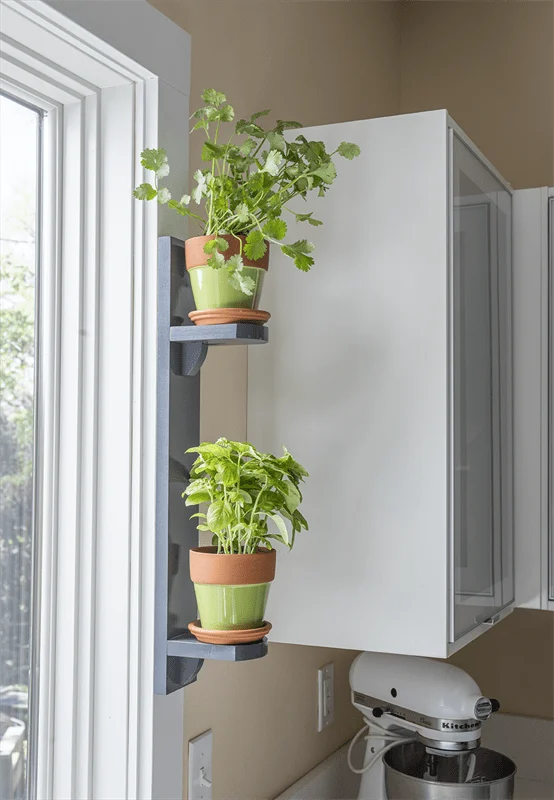
One of the most striking ways to showcase fresh herbs is by installing a built‑in plant wall. These vertical gardens can be recessed between cabinets or mounted directly on an empty backsplash. Not only do they free up countertop real estate, but they also turn a functional feature into a living artwork.
Design considerations for kitchen plant shelf ideas
- Lighting: Position the shelf near a south‑facing window or integrate LED grow lights to ensure sufficient sunlight.
- Material choice: Use moisture‑resistant wood, metal brackets, or reclaimed pallet boards to prevent warping.
- Drainage: Incorporate a shallow tray or waterproof backing to catch excess water and protect cabinets.
Pair the herb wall with sleek magnetic spice jars to keep seasonings within arm’s reach while maintaining a clean look. For additional inspiration, check out our Creative Wall Styling Ideas guide.
Freestanding plant shelves that double as storage
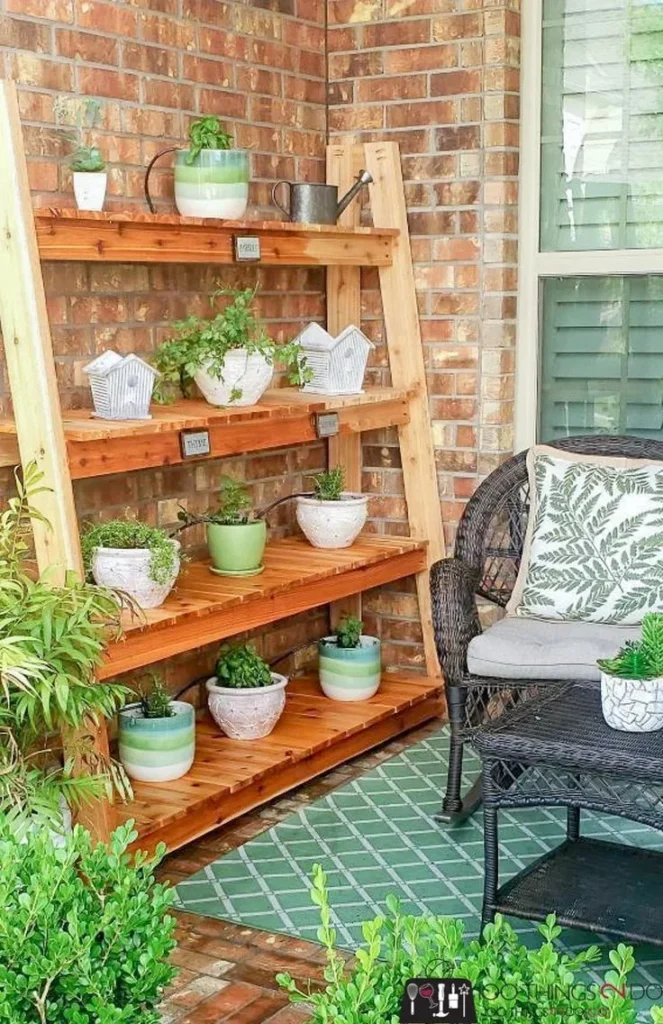
Freestanding units are ideal for kitchens that lack built‑in options or for renters who prefer non‑permanent solutions. Look for shelves with adjustable tiers, allowing you to customize height for different plant sizes. Incorporate baskets or bins on lower shelves for pantry items, creating a harmonious blend of greenery and organization.
Choosing the right freestanding kitchen plant shelf ideas
- Opt for sturdy metal frames with a powder‑coat finish to resist humidity.
- Include a small rolling cart for mobility, especially in open‑plan homes.
- Use removable liners to simplify cleaning after watering.
A popular configuration places trailing pothos on the top tier, medium‑sized basil pots on the middle, and root vegetables in woven baskets below. This tiered approach maximizes vertical space while keeping essentials within easy reach.
Floating shelves with integrated planters
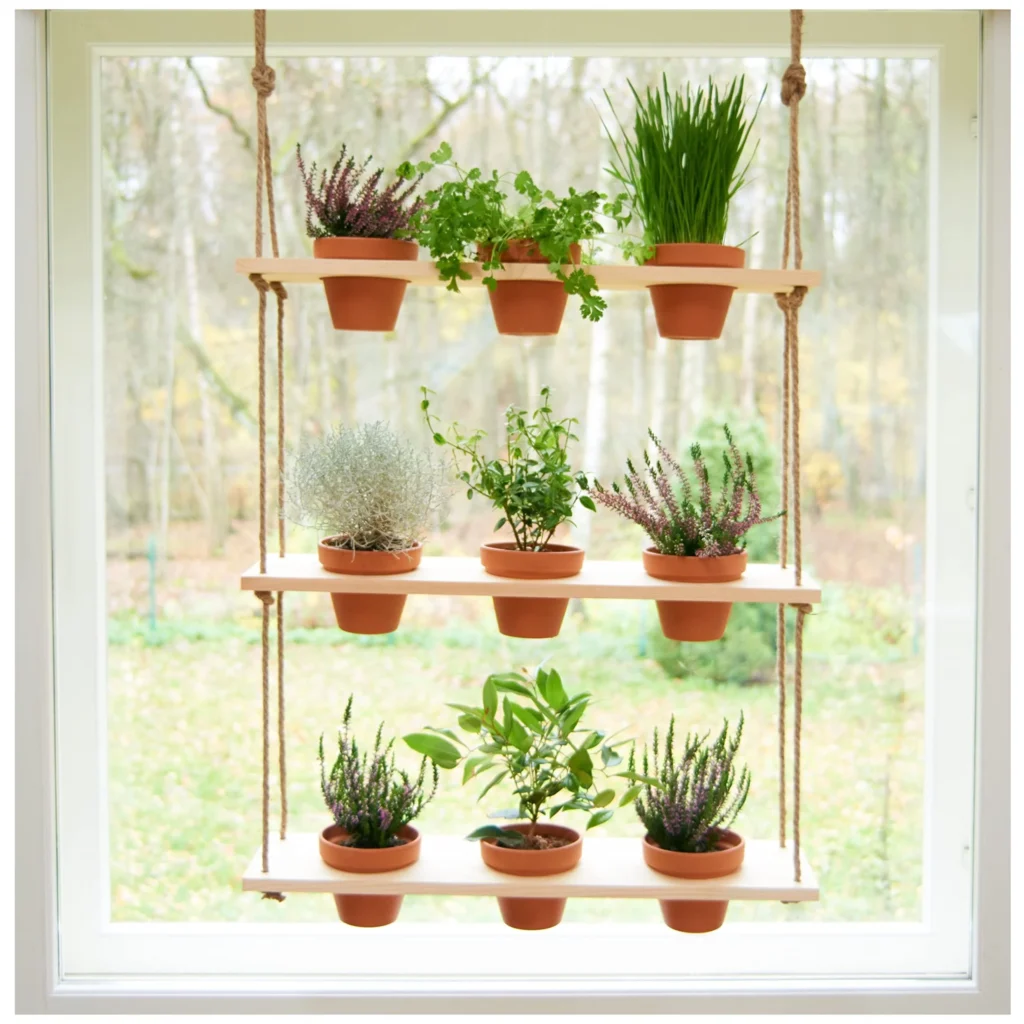
Floating shelves offer a minimalist aesthetic that works beautifully in modern kitchens. When combined with built‑in planters, they become a dual‑purpose feature—displaying artful pots while providing a platform for dishes or decorative objects.
Installation tips for kitchen plant shelf ideas on floating systems
- Secure brackets into wall studs to support the weight of soil and water.
- Choose shelves with a lip or groove to prevent pots from slipping.
- Match the shelf finish to existing cabinetry for a seamless look.
Consider using self‑watering containers to reduce maintenance and keep the area tidy. For a cohesive style, pair the floating shelf with a neutral desk décor setup in an adjoining home office—see our Neutral Desk Décor Inspiration article for ideas.
Corner plant shelves for under‑utilized spaces
Every kitchen has corners that often become dead zones. Corner plant shelves transform these awkward spots into thriving micro‑gardens. A triangular or L‑shaped unit fits snugly, allowing you to grow herbs, air‑purifying plants, or decorative succulents without encroaching on primary work areas.
Maximizing corner kitchen plant shelf ideas
- Choose shallow, wide shelves to accommodate a variety of pot diameters.
- Install a small, low‑profile lighting strip to illuminate darker corners.
- Rotate pots regularly to ensure even light exposure.
By integrating a corner shelf, you also free up wall space for hanging cookware or decorative plates, enhancing both functionality and visual balance.
Pull‑out pantry shelves with built‑in planting slots
Pull‑out pantry systems are a dream for organization enthusiasts. Adding planting slots inside these drawers creates a hidden garden that stays out of sight until you open the door. This clever approach protects plants from kitchen splatter while keeping herbs within arm’s reach for cooking.
Designing pull‑out kitchen plant shelf ideas
- Use lightweight, breathable fabric pots to reduce weight on drawer slides.
- Install a thin waterproof liner at the drawer base to catch water.
- Place moisture‑loving herbs like mint in the lower, cooler sections.
Combine this solution with a well‑organized pantry system for spices and dry goods, and you’ll have a seamless workflow from prep to plating.
Quick Tips for thriving kitchen plant shelves
- Rotate pots weekly to promote even growth and prevent one‑sided leaning.
- Group plants with similar water and light needs to simplify care routines.
- Use saucers or trays to catch runoff and protect cabinet finishes.
- Refresh soil annually to maintain nutrient levels and prevent compaction.
- Choose containers with drainage holes; if not possible, add a layer of pebbles at the bottom.
Common mistakes to avoid with kitchen plant shelf ideas
Even the most well‑planned plant shelf can falter if certain pitfalls are overlooked. Overwatering is a frequent error—excess moisture can damage cabinets and promote mold. To avoid this, water only when the top inch of soil feels dry, and always empty excess water from saucers.
Another common issue is placing shade‑loving herbs in direct sunlight, which leads to scorching. Match each plant’s light preference to the shelf’s location, and consider supplemental LED grow lights for dimmer areas. Finally, neglecting proper airflow can cause humidity buildup; ensure there’s enough spacing between pots and consider a small fan for circulation in enclosed cabinets.
Frequently Asked Questions
Can I use regular kitchen cabinets for plant shelves?
Yes, but add a waterproof backing or shelf liner to protect wood from moisture. Choose cabinets away from direct heat sources like ovens.
What are the best herbs for kitchen shelves?
Basil, parsley, cilantro, thyme, and mint thrive in bright, indirect light and regular watering. Their compact size makes them perfect for shelf displays.
How often should I fertilize kitchen plants?
During the growing season, apply a balanced liquid fertilizer once a month. Reduce feeding in winter when growth naturally slows.
Do I need special pots for indoor kitchen gardens?
Self‑watering containers or pots with drainage holes work best. If using decorative pots without holes, place a liner with holes underneath.
Is it safe to keep edible herbs near cooking fumes?
Most herbs tolerate typical kitchen steam, but keep them away from intense heat and direct grease splatter to preserve flavor and health.
Integrating plants into your kitchen isn’t just a trend; it’s a functional design choice that enhances both aesthetics and daily life. By applying the kitchen plant shelf ideas discussed—from built‑in herb walls to clever pull‑out drawers—you’ll create a vibrant, organized space that encourages cooking creativity. Remember to choose appropriate lighting, ensure proper drainage, and select containers that complement your overall décor.
Ready to transform your kitchen into a green oasis? Explore more home styling inspiration on The Homara, and let your culinary space flourish with life and style.