
Table of Contents
- What Is Transitional Home Decor: Defining the Style
- Color Schemes that Anchor Transitional Spaces
- Furniture Selection: Blending Classic and Contemporary
- Texture and Layering: Adding Depth Without Clutter
- Room‑by‑Room Applications of Transitional Design
- Living Room: What Is Transitional Home Decor in Practice?
- Bedroom: Softening the Transitional Aesthetic
- Kitchen: Modern Meets Traditional Functionality
- Entryway: First Impressions That Set the Tone
- Quick Tips for Mastering Transitional Home Decor
- Common Mistakes and How to Avoid Them
- Frequently Asked Questions
- What is transitional home decor and how does it differ from modern design?
- Can transitional decor work in small apartments?
- Is it okay to mix different wood tones in a transitional room?
- How do I choose the right artwork for a transitional space?
- What flooring options suit transitional interiors?
- Can I incorporate bold colors without breaking the transitional look?
What Is Transitional Home Decor? A Complete Guide
Transitional home decor has become one of the most sought‑after styles in modern interiors, bridging the gap between traditional elegance and contemporary simplicity. Homeowners and renters alike appreciate its ability to feel both timeless and fresh, offering a versatile canvas that adapts to changing tastes without requiring a complete overhaul.
Understanding what is transitional home decor means recognizing how it balances warm, classic details with clean, modern lines. In this guide, we’ll explore the core principles of the style, practical ways to implement it room by room, and common pitfalls to avoid. Whether you’re redesigning a single room or revamping your entire house, the insights below will give you a clear roadmap to create a harmonious, sophisticated living space.
By the end of this article, you’ll know how to blend textures, colors, and furniture choices to achieve that seamless “in‑between” feel that defines transitional design. Let’s dive into the details and see why this style continues to dominate interior design trends worldwide.
What Is Transitional Home Decor: Defining the Style
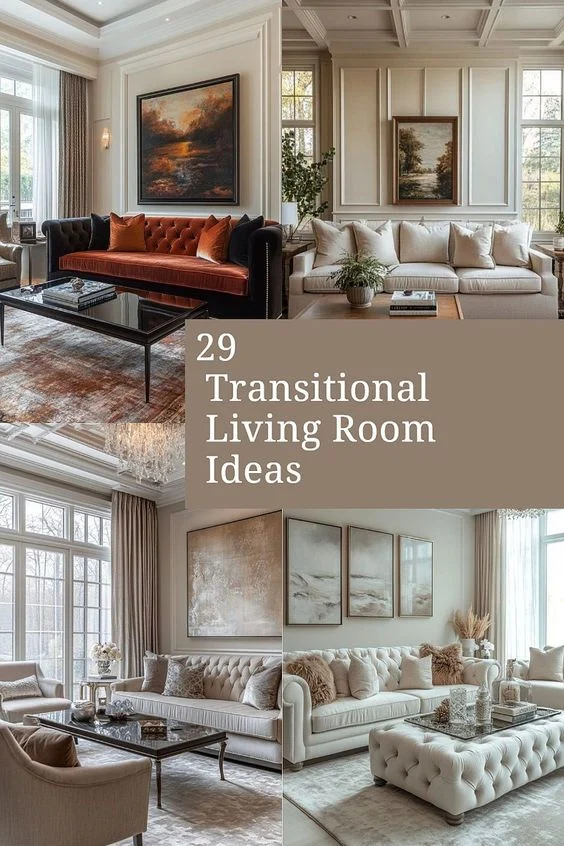
At its core, what is transitional home decor is a design philosophy that merges the ornate comfort of traditional interiors with the sleek, uncluttered vibe of contemporary spaces. Think of it as a dialogue between the past and the present, where you might pair a classic, carved wooden sideboard with a minimalist, metal lamp.
Key characteristics include:
- Neutral color palettes – soft beiges, taupes, cool grays, and muted blues dominate, providing a calm backdrop that lets furnishings shine.
- Balanced textures – plush fabrics like velvet sit alongside smooth surfaces such as glass or polished wood.
- Mixed material furniture – a leather sofa may coexist with a brass coffee table, creating visual interest without overwhelming the eye.
- Simple lines with subtle detailing – clean silhouettes are accented by modest decorative trims, like a subtle crown molding or a delicately patterned rug.
Because it’s neither strictly modern nor purely traditional, transitional design works well in a wide range of homes, from historic townhouses to new‑build apartments. Its flexibility makes it especially appealing to those who want a timeless aesthetic without feeling locked into a specific era.
Color Schemes that Anchor Transitional Spaces
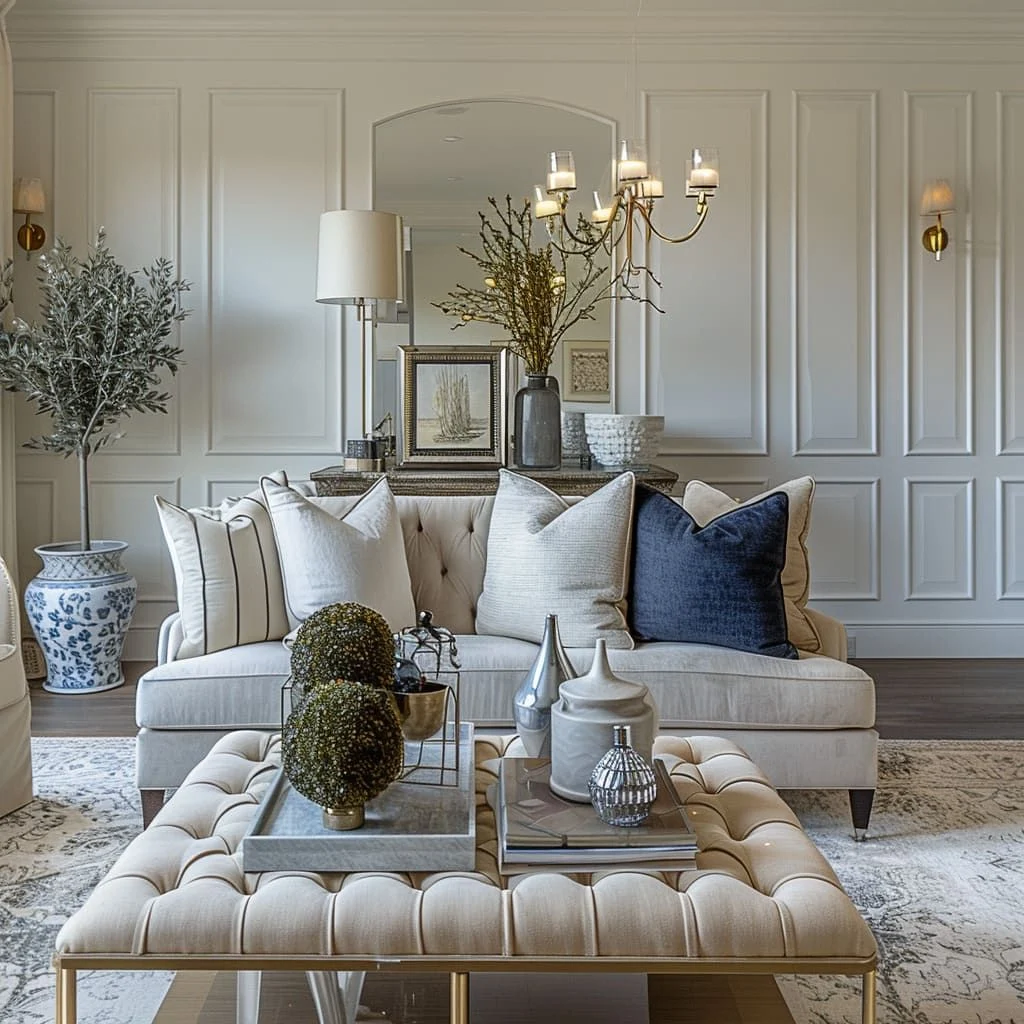
Choosing the right palette is essential when answering the question what is transitional home decor and how it should feel in your home. The aim is to create a soothing, cohesive environment that can accommodate both bold accents and understated pieces.
Here are some proven color strategies:
- Soft neutrals: Warm greys, creamy whites, and gentle greiges set a tranquil tone.
- Accent colors: Deep navy, muted sage, or dusty rose can be introduced through throw pillows, artwork, or a feature wall.
- Monochromatic layers: Using varying shades of the same hue (e.g., different grays) adds depth without visual chaos.
- Natural tones: Earthy browns and stone colors evoke the classic side of transitional design, while crisp whites keep the modern edge alive.
When you pair these colors thoughtfully, you’ll notice that rooms feel spacious yet inviting—exactly what transitional decor strives for. For a practical example of how color can transform a space, see our article on simple wall decoration ideas for every home, which demonstrates how a neutral wall can become a canvas for subtle art and décor.
Furniture Selection: Blending Classic and Contemporary
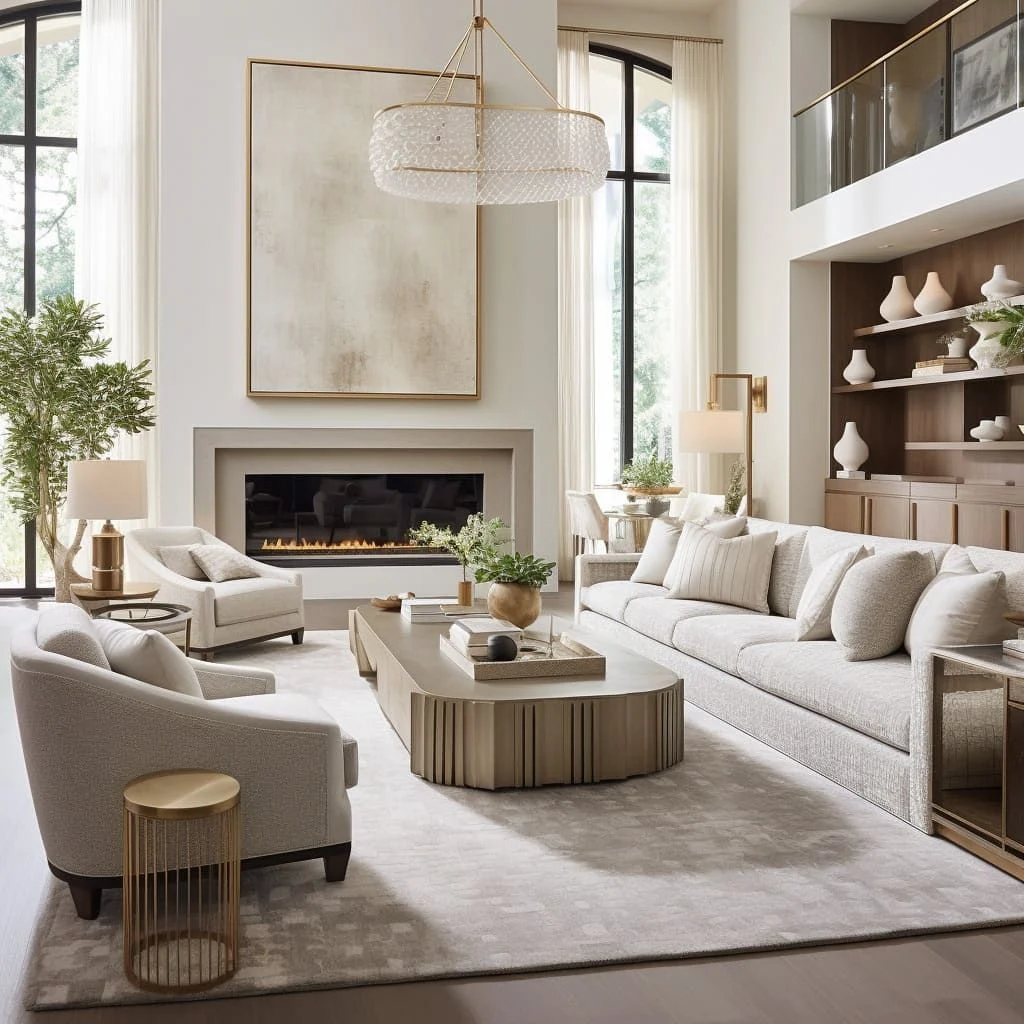
Furniture is the heart of any interior, and answering what is transitional home decor without the right pieces is impossible. The style calls for a curated mix where each item respects the overall balance of old and new.
Consider these guidelines when selecting furniture:
- Silhouette: Choose pieces with clean, straight lines—think a low‑profile sofa or a rectangular dining table—while allowing for gentle curves in secondary items like an upholstered armchair.
- Material mix: Combine warm wood finishes (maple, walnut) with sleek metal or glass accents. A wooden console topped with a brushed‑nickel lamp illustrates this harmony.
- Upholstery: Opt for natural fabrics such as linen, cotton, or wool in muted tones. Occasionally, a velvet accent can add a luxurious touch without dominating the room.
- Scale and proportion: Keep furniture appropriately sized for the space. Over‑scaled pieces can make a room feel cramped, while under‑sized items may look lost.
One effective way to test your furniture blend is by visualizing the layout with a digital tool before purchasing. This reduces the risk of over‑mixing styles, a common mistake in transitional design.
Texture and Layering: Adding Depth Without Clutter
Texture is a subtle yet powerful element in answering what is transitional home decor. By layering varied materials, you create interest and tactile comfort while maintaining a clean aesthetic.
Here are some layering ideas:
- Rugs: A low‑pile natural fiber rug under a sleek coffee table anchors the space. For extra warmth, add a plush area rug in a muted hue.
- Cushions and throws: Mix linen cushions with a silk throw, staying within the same color family to avoid visual clutter.
- Wall treatments: Combine smooth painted walls with a textured wallpaper accent strip. This contrast adds dimension without overwhelming the eye.
- Lighting: Use a combination of recessed lighting, a modern pendant, and a classic table lamp to create layered illumination.
If you’re looking for a specific example of wall styling, explore our guide on wall décor with minimalist line drawings, which illustrates how subtle graphic art can enhance texture while staying true to transitional principles.
Room‑by‑Room Applications of Transitional Design
Living Room: What Is Transitional Home Decor in Practice?
The living room is often the first space people experience in a home, making it the perfect canvas to showcase what is transitional home decor. Begin with a neutral sofa, add a sleek coffee table, and finish with classic accents like a marble fireplace mantle.
Key steps:
- Choose a sofa in a soft gray or beige with clean lines.
- Introduce a wooden sideboard with subtle detailing to bring warmth.
- Layer a patterned rug that incorporates both neutral and accent colors.
- Add decorative objects—think brass vases or a glass sculpture—to create focal points.
Lighting plays a crucial role; pair a modern floor lamp with an understated chandelier for balanced illumination.
Bedroom: Softening the Transitional Aesthetic
In the bedroom, what is transitional home decor translates to a serene retreat that feels both luxurious and uncluttered. Opt for a platform bed with a simple headboard, complemented by a pair of classic nightstands.
Tips for a cohesive bedroom:
- Use crisp white bedding with a subtle texture, such as a linen‑blend.
- Introduce a statement rug that echoes the room’s color scheme.
- Incorporate a mix of metal and wood in bedside lamps for a balanced look.
- Keep décor minimal—perhaps a single piece of art or a small plant—to maintain tranquility.
Kitchen: Modern Meets Traditional Functionality
Applying what is transitional home decor in the kitchen means blending sleek cabinetry with timeless hardware. Choose shaker‑style cabinets painted in a soft gray, paired with brushed‑nickel handles.
Enhance functionality and style by:
- Adding a marble or quartz countertop for a luxurious yet practical surface.
- Installing open shelving made from reclaimed wood to display curated dishware.
- Using pendant lights with a minimalist silhouette over the island.
- Incorporating a small herb garden for a touch of nature.
Entryway: First Impressions That Set the Tone
The entryway is where you set the mood for the rest of the home. A transitional entryway might feature a wooden console table, a sleek mirror, and a statement rug.
For inspiration, check out our piece on entryway décor with wooden shoe racks – practical styling ideas. It demonstrates how functional storage can blend with elegant design, a perfect illustration of what is transitional home decor in action.
Quick Tips for Mastering Transitional Home Decor
- Start with a neutral base; add color through accessories.
- Mix materials—pair wood with metal, glass, or stone.
- Maintain balance; avoid over‑accessorizing.
- Use layered lighting to highlight different zones.
- Incorporate texture through textiles and natural elements.
Common Mistakes and How to Avoid Them
Even experienced decorators can stumble when navigating transitional design. Here are typical errors and solutions:
- Over‑mixing patterns: Stick to one or two patterns at a time, keeping the scale consistent.
- Choosing too many bold colors: Let neutral tones dominate; use bold colors sparingly as accents.
- Ignoring proportion: Ensure furniture fits the room’s size; oversized pieces can dominate a space meant to feel airy.
- Neglecting lighting: A well‑lit room feels welcoming; combine ambient, task, and accent lighting.
- Forgetting functionality: Style should enhance, not hinder, everyday use. Choose pieces that are both beautiful and practical.
Frequently Asked Questions
What is transitional home decor and how does it differ from modern design?
Transitional home decor blends classic, traditional elements—such as ornate woodwork and warm fabrics—with modern, streamlined pieces. Unlike pure modern design, which often favors stark minimalism, transitional design embraces subtle details and a richer palette while still maintaining a clean, uncluttered look.
Can transitional decor work in small apartments?
Yes. Because the style relies on neutral colors and streamlined silhouettes, it can make small spaces feel larger and more cohesive. Use multi‑functional furniture, keep accessories minimal, and let natural light highlight the balance of textures.
Is it okay to mix different wood tones in a transitional room?
Mixing wood tones is encouraged when done thoughtfully. Pair a light oak coffee table with a darker walnut sideboard, ensuring the overall color palette remains harmonious. This adds visual interest without creating conflict.
How do I choose the right artwork for a transitional space?
Select artwork that complements the neutral base—think abstract pieces with muted colors, or classic landscapes in soft frames. Avoid overly busy or highly contrasting works that could disrupt the calm balance of transitional design.
What flooring options suit transitional interiors?
Hardwood floors in medium to light finishes are ideal, as they provide warmth and a timeless feel. Layering with area rugs in natural fibers (jute, wool) adds texture while defining zones within open‑plan spaces.
Can I incorporate bold colors without breaking the transitional look?
Absolutely. Introduce bold hues through cushions, throws, or a single accent wall. Keep the overall room palette neutral, allowing the color pop to serve as a focal point rather than an overwhelming presence.
Understanding what is transitional home decor equips you with the tools to create spaces that feel both current and timeless. By focusing on neutral foundations, balanced textures, and thoughtful mixing of classic and contemporary pieces, you can craft rooms that evolve gracefully with changing trends.
As you begin applying these concepts, remember that the essence of transitional design lies in harmony—not perfection. Feel free to experiment with materials, play with scale, and let your personal style shine through the balanced backdrop. When in doubt, revisit the core principles outlined here, and your home will naturally embody the refined, adaptable elegance that defines transitional decor.
Ready for more inspiration? Explore our guide on Windsor Windows vs Andersen to learn how the right window choice can further enhance the seamless flow of light and style in a transitional home.
Enjoy the journey of creating a space that feels both classic and contemporary, comfortable and chic—exactly what transitional home decor promises.