

Table of Contents
- Understanding the Core of Minimalist Living Room Furniture Styling
- Selecting Essential Furniture Pieces
- Minimalist Living Room Furniture Styling: The Sofa
- The Armchair and Accent Seating
- Functional Coffee Tables and Side Tables
- Embracing Light, Color, and Texture
- Smart Storage Solutions for a Clutter‑Free Space
- Adding Personality Without Overcrowding
- Quick Tips for Immediate Impact
- Common Mistakes to Avoid in Minimalist Living Room Furniture Styling
- Frequently Asked Questions
- What is the ideal colour palette for minimalist living room furniture styling?
- Can I incorporate bold colours in a minimalist living room?
- How do I make a small living room feel larger with minimalist furniture?
- Is it okay to mix different materials in a minimalist design?
- What are the best flooring options for a minimalist living room?
- How often should I reassess my minimalist living room setup?
Minimalist Living Room Furniture Styling: A Complete Guide
Creating a living room that feels both airy and purposeful is a goal many homeowners share. A minimalist approach to furniture styling removes clutter, emphasizes clean lines, and lets the architecture of the space shine. Whether you are moving into a compact apartment or refreshing an oversized lounge, understanding how to select and arrange pieces can transform the room from ordinary to effortlessly elegant.
In this guide, we’ll explore the core principles behind minimalist living room furniture styling, from choosing the right scale to balancing texture and light. You’ll learn practical strategies that work in real‑world settings, discover common pitfalls to avoid, and find quick actionable tips you can apply today. By the end, you’ll have a clear roadmap to curate a space that feels calm, functional, and undeniably stylish.
Ready to simplify your living area without sacrificing comfort? Let’s dive into the essential steps that will help you master the art of minimalism in your living room.
Understanding the Core of Minimalist Living Room Furniture Styling

The first step toward a successful minimalist living room is grasping the philosophy behind it. Minimalism isn’t about having nothing; it’s about intentionality. Each piece of furniture should serve a purpose, whether that’s seating, storage, or defining a focal point. By limiting the number of items and focusing on quality over quantity, you create a sense of spaciousness that feels both welcoming and refined.
Key considerations include:
- Scale and proportion: Choose furniture that fits the room’s dimensions. Over‑sized sofas can dominate a modest floor plan, while low‑profile chairs maintain a light visual weight.
- Neutral palette: Soft whites, warm greys, and muted earth tones form a calm backdrop that allows architectural details and accessories to stand out.
- Material honesty: Natural wood, brushed metal, and matte finishes convey a sense of authenticity without unnecessary ornamentation.
When you align these principles, the overall aesthetic becomes cohesive, and every element feels purposeful—a hallmark of effective minimalist living room furniture styling.
Selecting Essential Furniture Pieces
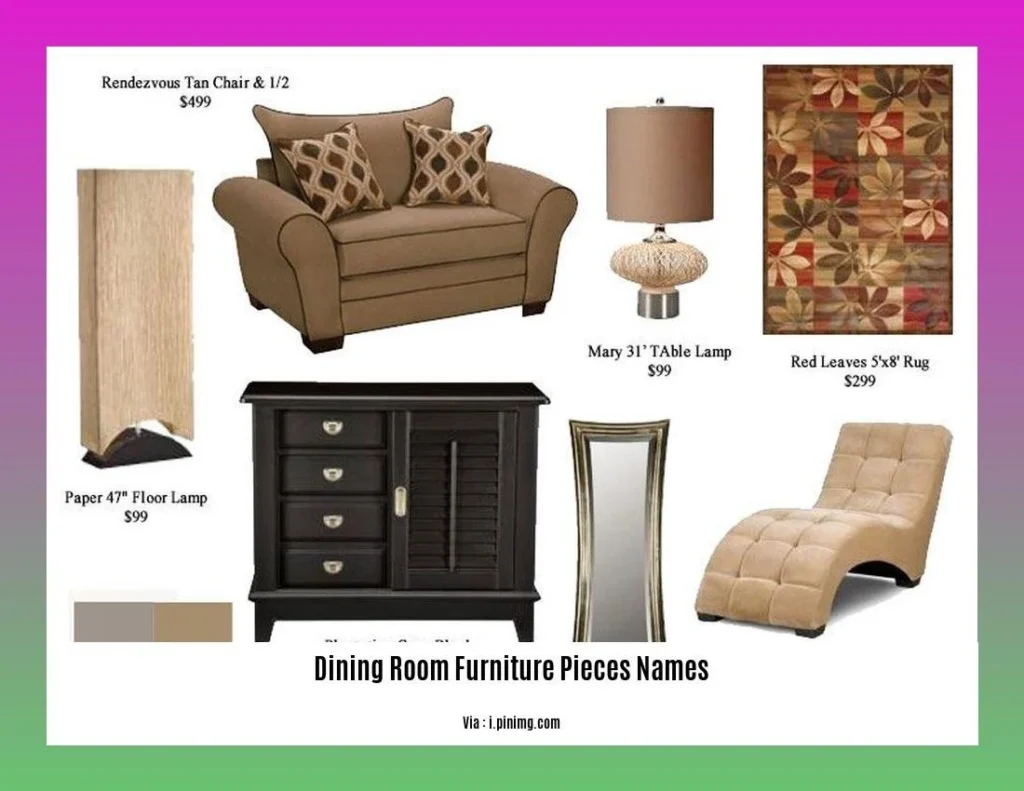
Choosing the right furniture is the foundation of any minimalist design. Below are the core pieces you’ll need, along with tips for keeping the look sleek.
Minimalist Living Room Furniture Styling: The Sofa
A sofa is often the centerpiece, so opt for a low‑profile design with clean lines. A sectional can work if it’s modular and avoids bulky arms. Look for fabrics in solid, muted tones such as light grey, beige, or pastel blues. If you enjoy a touch of texture, a linen upholstery adds depth without overwhelming the space.
The Armchair and Accent Seating
In a minimalist setting, armchairs should complement the sofa rather than compete with it. Choose a single statement chair—perhaps with a tapered wooden frame or a sleek metal base. Pairing it with a simple pouf or a minimalist ottoman provides flexible seating without clutter.
Functional Coffee Tables and Side Tables
A coffee table in a minimalist living room should be functional yet unobtrusive. Transparent glass tops, reclaimed wood slabs, or matte metal frames work well. Keep the height proportionate to the sofa seat, typically 1–2 inches lower, to maintain a harmonious visual line.
For side tables, consider nesting sets or wall‑mounted shelves that keep floor space open. These pieces can double as display areas for a curated selection of books, a small plant, or a decorative bowl.
Embracing Light, Color, and Texture
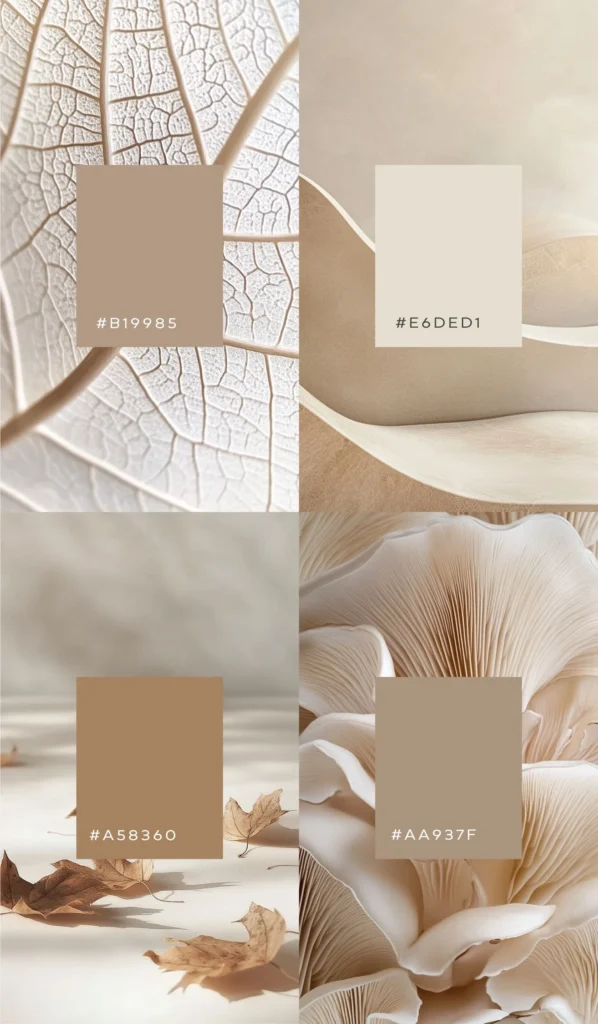
Even in a stripped‑back environment, light and texture play crucial roles in creating a warm, inviting atmosphere. Natural light is your best ally; maximize window treatments with sheer curtains or simple blinds that let sunlight filter gently.
When artificial lighting is needed, choose fixtures with clean geometry—think cylindrical floor lamps or recessed LED strips. A warm white temperature (2700K–3000K) adds coziness without harsh glare.
Texture can be introduced through subtle layers: a woven rug, a linen throw, or a set of matte ceramic vases. These tactile elements prevent the room from feeling sterile while keeping the visual palette restrained.
Smart Storage Solutions for a Clutter‑Free Space
Minimalist living room furniture styling thrives on hidden storage that keeps everyday items out of sight. Built‑in cabinetry, floating shelves, and sleek media consoles with concealed compartments provide ample space without disrupting the clean aesthetic.
- Floating wall units: These create a floating effect that enhances the sense of height while offering storage for books, media devices, or decorative objects.
- Multi‑functional ottomans: Choose an ottoman with a lift‑top that can store blankets, magazines, or gaming accessories.
- Under‑sofa drawers: Many modern sofas feature discreet pull‑out drawers, perfect for storing throws or remote controls.
When storage is integrated thoughtfully, it eliminates visual noise and reinforces the minimalist vibe.
Adding Personality Without Overcrowding
Minimalist design does not mean a lack of personality. Carefully selected art pieces, a single statement plant, or a curated collection of objects can inject character. The rule of thumb is “one‑to‑three” – no more than three focal items per visual zone.
For example, a large abstract painting in muted tones can become the room’s visual anchor. A tall, sculptural plant such as a fiddle‑leaf fig adds organic shape and a splash of green. Finally, a few well‑chosen decorative objects—perhaps a ceramic bowl or a set of vintage books—can provide a sense of lived‑in comfort.
For further inspiration on how to balance decorative pieces, see our guide on DIY home décor with simple frames, which demonstrates how framing can enhance a minimalist setting.
Quick Tips for Immediate Impact
- Start with a neutral base: paint walls in soft whites or light greys before adding furniture.
- Choose one statement piece—such as a sofa or a piece of art—and let it drive the color scheme.
- Declutter surfaces: keep coffee tables and side tables mostly empty, using trays to corral essentials.
- Introduce natural elements: a single large plant or a woven rug adds warmth without visual overload.
- Use hidden storage: opt for furniture with built‑in compartments to maintain a clean look.
Common Mistakes to Avoid in Minimalist Living Room Furniture Styling
Even seasoned decorators can slip into habits that undermine minimalism. Here are the most frequent errors and how to sidestep them:
- Over‑accessorizing: Adding too many decorative items creates visual clutter. Stick to a few purposeful pieces.
- Choosing the wrong scale: Oversized sofas or overly tall coffee tables can make a room feel cramped. Measure your space and select proportionate furniture.
- Neglecting lighting: A minimalist room can feel cold without adequate light. Layer natural and artificial lighting for balance.
- Ignoring texture: Purely flat surfaces feel sterile. Introduce subtle textures through textiles and natural materials.
- Skipping functional storage: Without hidden storage, everyday items quickly create mess. Incorporate sleek storage solutions early in the design process.
Frequently Asked Questions
What is the ideal colour palette for minimalist living room furniture styling?
A neutral palette of whites, greys, beiges, and soft earth tones works best. These colours create a calm backdrop and allow furniture and accents to stand out without competing for attention.
Can I incorporate bold colours in a minimalist living room?
Yes, but use them sparingly. A single bold accent—such as a deep navy sofa or an emerald green rug—can add personality while preserving the overall minimalist feel.
How do I make a small living room feel larger with minimalist furniture?
Choose low‑profile pieces, avoid bulky furniture, and keep floor space open. Mirrors, light‑colored walls, and strategic lighting also amplify the sense of space.
Is it okay to mix different materials in a minimalist design?
Mixing materials like wood, metal, and glass can add visual interest, provided the shapes remain simple and the colour scheme stays cohesive.
What are the best flooring options for a minimalist living room?
Light‑coloured hardwood, polished concrete, or large‑format porcelain tiles work well. Pair them with a low‑pile rug to define seating areas without adding bulk.
How often should I reassess my minimalist living room setup?
Periodically—every six months to a year—review the space. Remove items that no longer serve a purpose and refresh accessories to keep the environment feeling intentional and fresh.
Adopting a minimalist approach to living room furniture styling is a rewarding journey that blends functionality with refined aesthetics. By focusing on quality pieces, strategic placement, and thoughtful accessories, you can create a space that feels both spacious and inviting. Remember to keep the design intentional, let natural light lead the way, and embrace subtle textures to avoid a sterile look.
As you begin to refine your living area, explore more ideas on our site, such as minimal bedroom bedside lighting ideas for a cohesive home aesthetic, or check out our cozy bathroom décor ideas for complementary design inspiration throughout your home.
Take these insights, apply them to your own space, and enjoy the calm, sophisticated atmosphere that only true minimalist living room furniture styling can provide.