
Table of Contents
- Understanding the Core of a Minimal Balcony Plant Arrangement
- Selecting the Right Plants for a Minimal Aesthetic
- Ideal Plants for a Minimal Balcony Plant Arrangement
- Choosing Planters That Complement Minimalism
- Layout Strategies for a Cohesive Minimal Balcony Plant Arrangement
- 1. The Linear Row
- 2. The Clustered Group
- 3. The Tiered Shelf
- Incorporating Functional Décor Elements
- Quick Tips for Maintaining Your Minimal Balcony Plant Arrangement
- Common Mistakes to Avoid
- Frequently Asked Questions
- Bringing It All Together: A Step‑by‑Step Plan
- Further Inspiration and Related Reads
Minimal Balcony Plant Arrangement: A Complete Guide to Stylish Small‑Space Greenery
Balconies often become the forgotten corner of a home, especially in urban apartments where space is at a premium. Yet, with the right approach, a modest outdoor platform can transform into a serene retreat that reflects your personal style while staying true to a minimalist aesthetic. This guide walks you through everything you need to know about creating a minimal balcony plant arrangement that feels fresh, organized, and effortlessly elegant.
Whether you’re a seasoned plant parent or just beginning to explore the world of indoor‑outdoor greenery, understanding the principles of proportion, texture, and functionality will help you avoid clutter and keep maintenance manageable. In the sections that follow, you’ll discover practical plant selections, layout strategies, and décor accents that work harmoniously on even the tiniest balcony.
Ready to turn your balcony into a calm, green haven without overwhelming the space? Let’s dive into the essential steps and creative ideas that will make your minimal balcony plant arrangement a standout feature of your home.
Understanding the Core of a Minimal Balcony Plant Arrangement
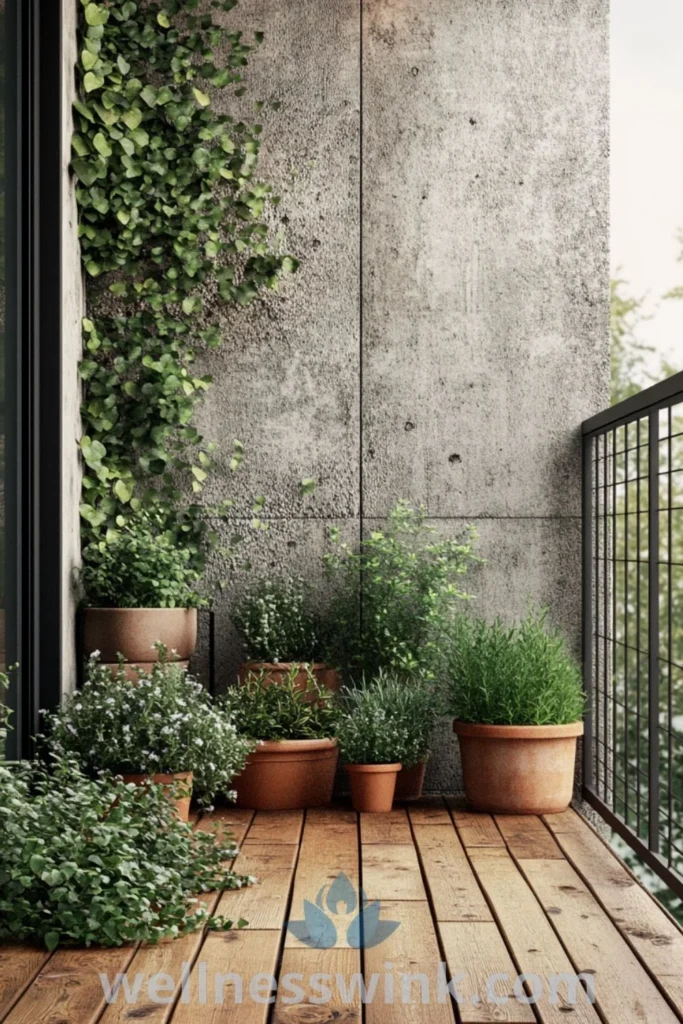
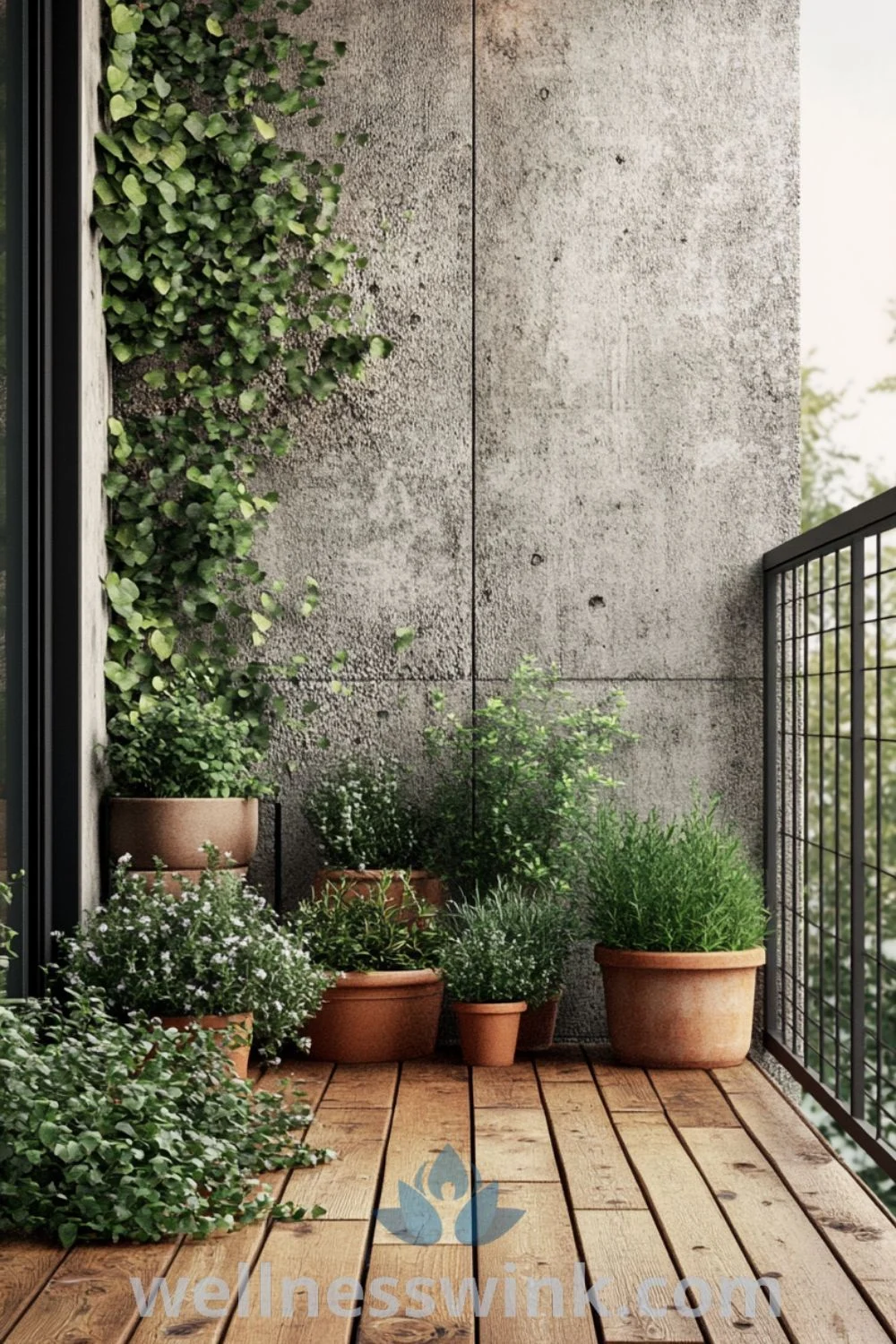
The essence of a minimal balcony plant arrangement lies in simplicity, balance, and intentionality. Instead of filling every inch with foliage, focus on a curated selection of plants that serve both aesthetic and functional purposes. This approach not only enhances visual appeal but also makes watering, pruning, and seasonal care much easier.
Key considerations include:
- Scale: Choose plants that match the dimensions of your balcony. A towering palm may dominate a small slab, while a collection of tiny succulents can feel sparse on a larger platform.
- Texture: Mix foliage types—smooth, glossy leaves with soft, feathery fronds—to create subtle depth without clutter.
- Color Palette: Stick to a restrained palette of greens, occasional whites, or muted pastel blooms to maintain a clean look.
- Functionality: Incorporate planters that double as storage or seating, maximizing utility.
By keeping these principles front and center, you set a solid foundation for a minimal balcony plant arrangement that feels cohesive and purposeful.
Selecting the Right Plants for a Minimal Aesthetic
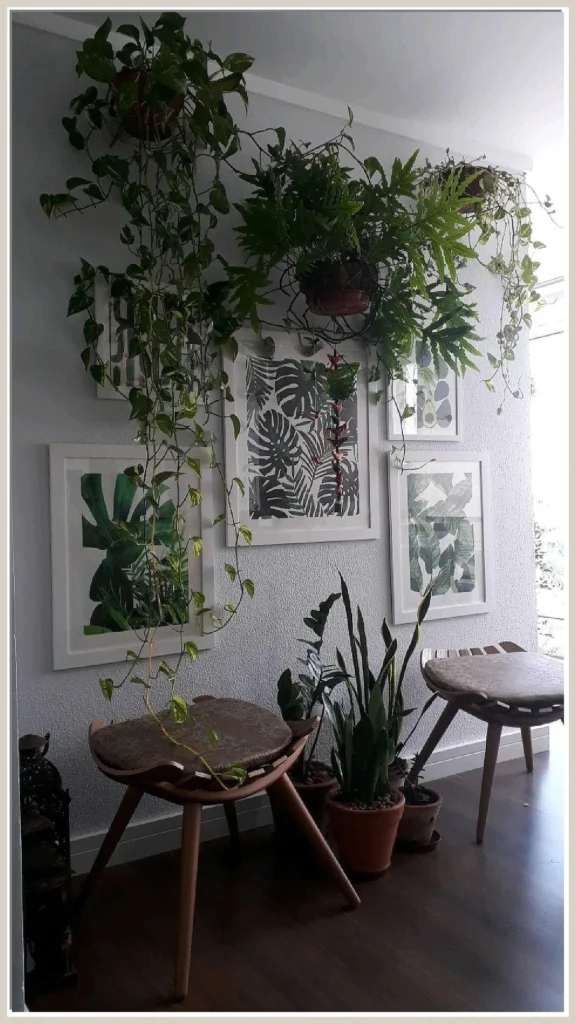
The plant selection process is crucial. You want species that thrive in the microclimate of a balcony—exposure to wind, fluctuating sunlight, and limited soil depth—while contributing to a sleek, understated design.
Ideal Plants for a Minimal Balcony Plant Arrangement
- Snake Plant (Sansevieria): Tolerates low light and irregular watering, offering upright, architectural leaves.
- ZZ Plant (Zamioculcas zamiifolia): Shiny, waxy foliage that adds a touch of gloss without demanding much care.
- Silver Dollar Echeveria: Compact rosettes that bring subtle texture and a hint of muted color.
- Fiddle Leaf Fig Miniature (Ficus lyrata ‘Petite’): Provides a sculptural element while staying small enough for limited space.
- Lavender (Lavandula angustifolia): Offers a gentle fragrance and soft purple blooms that complement a neutral palette.
- Air Plants (Tillandsia): Perfect for wall-mounted displays, requiring only occasional misting.
When choosing plants, consider their sunlight needs. A south‑facing balcony can accommodate sun‑loving succulents, while a north‑facing space may be better suited for shade‑tolerant foliage like the snake plant.
Choosing Planters That Complement Minimalism

Planters are more than just containers; they are integral design elements that can reinforce the minimal vibe. Opt for clean lines, neutral colors, and materials that reflect your overall home décor—whether that’s concrete, light wood, or matte ceramic.
Some smart options include:
- Geometric Concrete Boxes: Provide a modern, industrial feel and are durable against weather.
- White Ceramic Pots with Thin Rims: Offer a fresh, airy look that emphasizes the plants themselves.
- Stackable Wooden Crates: Add warmth while allowing you to create tiered levels without sacrificing floor space.
- Hanging Fabric Baskets: Ideal for trailing vines, keeping the floor clear.
For a truly seamless look, match the planter color to the balcony rail or wall, creating a unified visual flow.
Layout Strategies for a Cohesive Minimal Balcony Plant Arrangement
Effective layout balances visual weight and ensures each plant has room to breathe. Here are three proven strategies:
1. The Linear Row
Arrange planters in a single line parallel to the balcony edge. This creates a clean horizon that accentuates the depth of the space. Use varying heights—low, medium, and tall—to add subtle interest without breaking the line.
2. The Clustered Group
Group 2‑3 planters together to form a focal point. Choose plants with complementary shapes, such as a tall snake plant paired with a round echeveria. Keep the cluster compact, allowing the surrounding area to remain open.
3. The Tiered Shelf
If your balcony has a railing, install a slim, floating shelf. This lets you layer plants vertically, turning the railing into a functional display. Place lighter, trailing varieties on the top tier and sturdier, upright plants on lower shelves for balance.
Whichever layout you adopt, ensure there’s enough space for easy watering and airflow—two critical factors for plant health.
Incorporating Functional Décor Elements
Minimalism isn’t about stripping away comfort; it’s about integrating purposeful items that enhance the experience. Consider adding the following:
- Compact Seating: A narrow folding chair or a built‑in bench with hidden storage for gardening tools.
- Weather‑Resistant Lighting: Soft LED string lights or solar lanterns to extend enjoyment into the evening without overwhelming the design.
- Decorative Pebbles or Gravel: Use a thin layer in planters to improve drainage and add a subtle textural element.
- Vertical Garden Panels: Attach a slim, modular planting system to the balcony wall for extra greenery without sacrificing floor space.
These touches keep the space functional while maintaining the clean lines central to a minimal balcony plant arrangement.
Quick Tips for Maintaining Your Minimal Balcony Plant Arrangement
- Water early in the morning to reduce evaporation and prevent fungal growth.
- Rotate pots monthly to ensure even light exposure.
- Use a balanced, slow‑release fertilizer every 6‑8 weeks for steady growth.
- Prune dead leaves promptly to preserve a tidy appearance.
- Invest in lightweight, breathable soil mixes designed for containers.
Common Mistakes to Avoid
Even the most carefully planned minimal balcony plant arrangement can fall short if you overlook a few pitfalls.
- Overcrowding: Packing too many plants leads to competition for light and nutrients, resulting in a tangled, unkempt look.
- Ignoring Wind Exposure: Balconies are often windy. Choose sturdy pots with secure bases and consider windbreaks like a lattice screen.
- Inconsistent Watering: Both over‑watering and under‑watering can cause stress. Stick to a regular schedule based on each plant’s needs.
- Neglecting Seasonal Changes: Some plants may need to be moved indoors during winter or protected from intense summer sun.
- Choosing the Wrong Planters: Heavy pots can strain balcony railings. Opt for lightweight materials that still provide adequate drainage.
Frequently Asked Questions
Can I create a minimal balcony plant arrangement on a balcony that receives only shade?
Yes. Focus on low‑light tolerant species such as snake plants, ZZ plants, and certain ferns. Pair them with light‑colored, reflective planters to maximize any indirect light.
How often should I repot my balcony plants?
Typically, repot every 12‑18 months or when you notice roots emerging from drainage holes. Choose slightly larger containers to allow growth while maintaining a minimal aesthetic.
Is it okay to use artificial lighting on a balcony?
Absolutely. If natural light is limited, consider a compact, energy‑efficient LED grow light. Position it to mimic the sun’s angle for a natural look.
What is the best way to protect my balcony plants during winter?
Move tender varieties indoors or use frost‑protective covers. For evergreen herbs, a layer of mulch can insulate the roots against cold snaps.
Can I mix herbs with decorative plants in a minimal balcony plant arrangement?
Mixing herbs adds utility and scent. Choose herbs with compact growth habits—like thyme, oregano, or basil—and place them in sleek, uniform pots to keep the look cohesive.
How do I keep my balcony clean while watering plants?
Use a tray underneath each pot to catch excess water. Opt for self‑watering containers with a built‑in reservoir, reducing spill risk and maintenance.
Bringing It All Together: A Step‑by‑Step Plan
1. Assess Your Space: Measure the balcony’s length, width, and railing height. Note sunlight patterns throughout the day.
2. Choose a Color Scheme: Stick to neutrals—white, gray, or natural wood tones—for planters. This reinforces the minimal vibe.
3. Select Plants: Pick 3‑5 varieties that thrive in your light conditions and match the scale of the balcony.
4. Pick Planters: Opt for uniform shapes and materials that complement your home’s interior design.
5. Design the Layout: Sketch a quick floor plan. Decide whether a linear row, clustered group, or tiered shelf works best.
6. Arrange and Plant: Start with the tallest plant in the back or on the highest shelf, then fill in with mid‑size and low‑profile pieces.
7. Add Functional Décor: Place a slim bench, install subtle lighting, and include a small storage basket for tools.
8. Maintain Regularly: Follow the quick tips above for watering, pruning, and seasonal care.
By following this systematic approach, you’ll create a minimal balcony plant arrangement that feels intentional, inviting, and perfectly suited to modern living.
Further Inspiration and Related Reads
For a deeper dive into cohesive interior styling, explore our guide on minimalist living room furniture styling. If you’re curious about blending indoor and outdoor spaces, the article on living room décor with woven décor trays offers complementary ideas. And for those interested in how window choices affect balcony light, read our comparison of Window World vs Simonton.
Embrace the simplicity of a minimal balcony plant arrangement, and watch how a few thoughtfully chosen elements can dramatically elevate your outdoor living space.
Enjoy the process, experiment with textures, and let your balcony become a quiet sanctuary that reflects your modern aesthetic.