
Table of Contents
- LED Disc Lights vs Can Lights: Understanding the Basics
- LED Disc Lights vs Can Lights – Installation Considerations
- Design Impact: How Each Light Shapes Your Space
- Energy Efficiency and Longevity
- Choosing the Right Fixture for Specific Rooms
- Cost Comparison and Return on Investment
- Quick Home Décor Tips for Using LED Disc Lights vs Can Lights
- Common Mistakes When Installing LED Disc Lights vs Can Lights
- Frequently Asked Questions
- Integrating Lighting with Overall Home Décor
LED Disc Lights vs Can Lights – Choosing the Right Spot Lighting for Your Home
When it comes to illuminating a modern interior, the choice between LED disc lights and can lights can feel like a subtle yet pivotal decision. Both options belong to the family of recessed lighting, but they differ in shape, light distribution, and aesthetic impact. Understanding these nuances helps homeowners, renters, and design enthusiasts create spaces that feel both functional and stylish.
This article walks you through the key characteristics of each fixture, compares performance, installation, and design flexibility, and offers practical advice for integrating the right lighting into living rooms, kitchens, bedrooms, and even small apartments. By the end, you’ll have a clear roadmap for deciding whether LED disc lights or can lights best serve your project’s goals.
LED Disc Lights vs Can Lights: Understanding the Basics
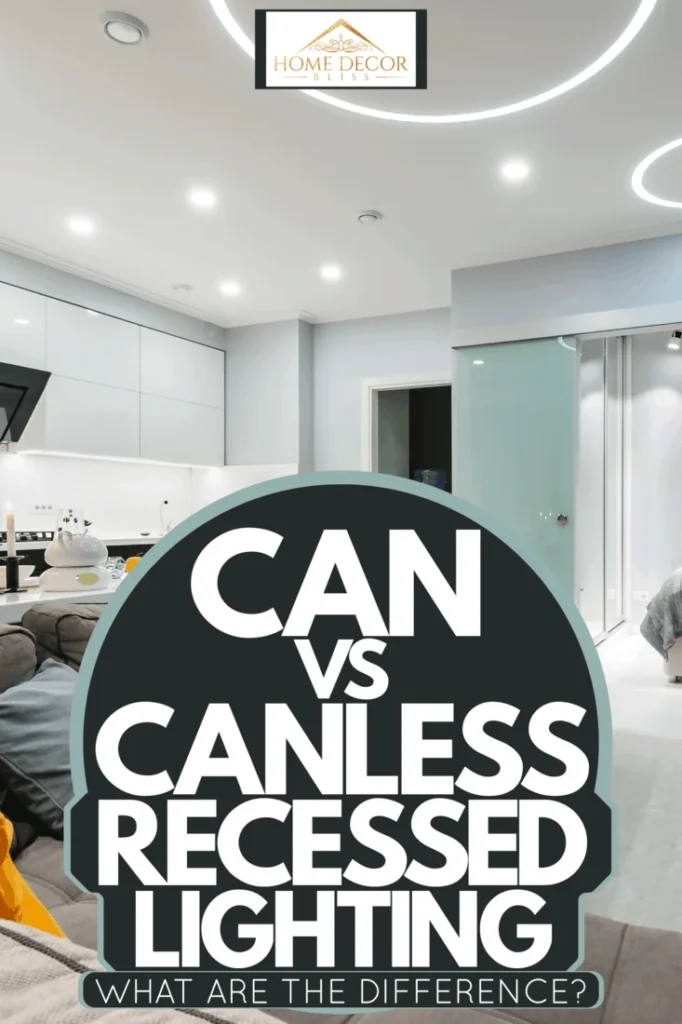
LED disc lights are thin, circular fixtures that sit flush with the ceiling, delivering a broad, soft wash of light. Their slim profile makes them ideal for low‑ceiling rooms where you want minimal visual intrusion. Can lights, on the other hand, are deeper recessed fixtures that accommodate a variety of bulb types (including LED) and typically produce a more focused beam.
Both types are energy‑efficient, but LED disc lights often come with integrated drivers and color‑temperature controls, simplifying wiring. Can lights provide more versatility for directional lighting, making them a favorite for task‑oriented spaces like kitchens and home offices.
LED Disc Lights vs Can Lights – Installation Considerations
Installation depth is a major factor. LED disc lights require a shallow cavity—usually 1 to 2 inches—so they’re easier to retrofit in existing ceilings without major demolition. Can lights need a deeper housing (3 to 4 inches), which may involve cutting a larger hole and possibly adding framing to support the fixture.
Wiring is also simpler with LED disc lights because many models are “plug‑and‑play,” containing all necessary electronics inside the trim. With can lights, you often need an external driver or ballast, especially if you’re using non‑LED bulbs, which adds complexity and cost.
- Check ceiling height before choosing a recessed fixture.
- Consider the existing joist layout; shallow disc lights are more forgiving.
- Plan for adequate ventilation to prevent overheating of LED components.
Design Impact: How Each Light Shapes Your Space
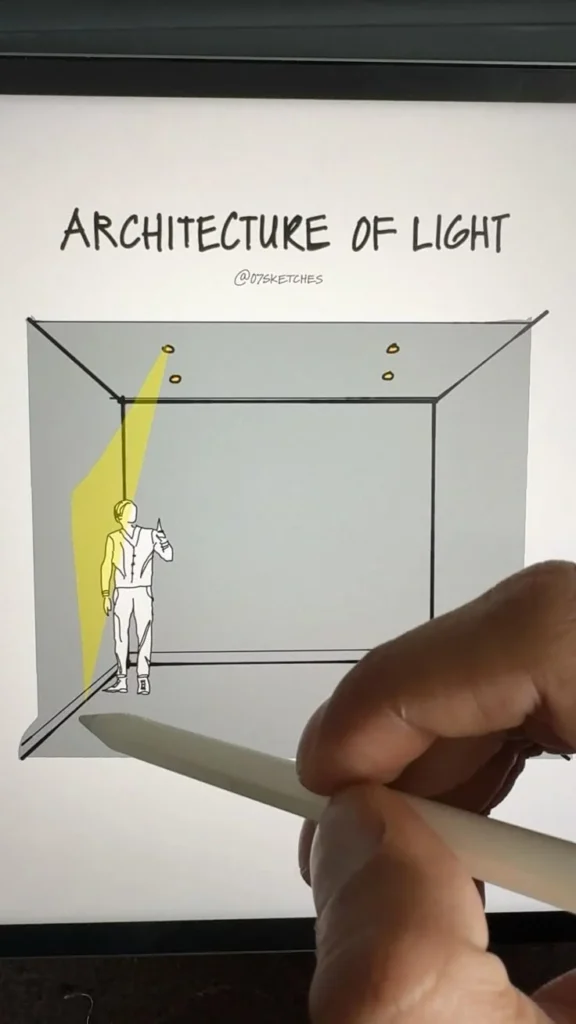
LED disc lights create an even, diffused illumination that works well in open‑plan living areas, bedrooms, and bathrooms where you want a calm, ambient glow. Their low profile keeps the ceiling line clean, enhancing the feeling of height—perfect for small apartments or rooms with modest ceiling clearance.
Can lights excel at accentuating architectural features, artwork, or kitchen countertops. Because they can be angled or paired with directional trims, you can spotlight a backsplash, highlight a crown molding, or create layered lighting that adds depth and drama.
For a cohesive look, many designers blend both: disc lights for general illumination and can lights for targeted accents. This layered approach mirrors professional interior design strategies seen in high‑end living rooms and upscale kitchens.
Energy Efficiency and Longevity
Both LED disc lights and can lights benefit from LED technology’s low wattage and long lifespan. However, disc lights often have integrated heat sinks that improve thermal management, extending the LED’s useful life by up to 30 % compared to some can light installations where heat may build up if the housing isn’t properly ventilated.
When comparing the two, consider the lumen output per watt. Modern LED disc lights can deliver 100–130 lumens per watt, while high‑quality LED can light modules typically range from 90–120 lumens per watt. The difference is modest, but in large projects the cumulative savings can be noticeable.
Choosing the Right Fixture for Specific Rooms
Living Room: Opt for LED disc lights to achieve a seamless ambient glow that encourages relaxation. Pair with a few adjustable can lights to highlight a media console or a statement artwork.
Kitchen: Can lights are often preferred above countertops and islands because they provide focused task lighting. If you have low ceilings, consider shallow LED disc lights around the perimeter for overall illumination.
Bedroom: LED disc lights work well for soft, even lighting that doubles as a night‑light. Add a dimmable can light beside the bed for reading.
Small Apartments: The low‑profile nature of LED disc lights maximizes ceiling height perception. Use a few can lights strategically to create visual interest without overcrowding the space.
Cost Comparison and Return on Investment
Initial costs vary by brand and features. Basic LED disc lights start around $15–$25 per unit, while high‑end models with dimming and color‑temperature controls can exceed $60. Can lights themselves are often cheaper (about $10–$20), but the need for separate drivers or trim kits can raise the overall price.
When factoring in installation, disc lights usually require less labor, translating to lower professional fees. Over the life of the product, both options offer significant energy savings compared to incandescent or halogen fixtures, making the ROI attractive for eco‑conscious homeowners.
Quick Home Décor Tips for Using LED Disc Lights vs Can Lights
- Mix disc lights with recessed directional can lights to create layered lighting that feels both modern and functional.
- Use dimmable LED disc lights in bedrooms and living rooms for adjustable ambiance.
- Install can lights in a grid pattern above kitchen islands to ensure even task lighting.
- Pair warm‑tone LED disc lights with natural wood furnishings to enhance a cozy, inviting atmosphere.
- For small spaces, limit the number of can lights to avoid a cluttered ceiling view; rely on disc lights for most of the illumination.
Common Mistakes When Installing LED Disc Lights vs Can Lights
1. Ignoring Ceiling Height: Installing deep can lights in a room with a ceiling under 8 feet can make the space feel cramped. Always measure before cutting holes.
2. Overloading a Single Circuit: Both disc lights and can lights draw power, and using too many on one circuit can cause tripping. Distribute fixtures across multiple circuits when possible.
3. Choosing the Wrong Trim: A mismatched trim can expose the housing or create unsightly shadows. Select trims that complement the fixture shape and décor style.
4. Skipping Proper Sealing: In moist areas like bathrooms, ensure LED disc lights are rated for damp locations and properly sealed to prevent moisture ingress.
Frequently Asked Questions
What is the main visual difference between LED disc lights and can lights?
LED disc lights sit flush with the ceiling and emit a broad, even light, while can lights have a deeper housing and produce a more focused beam that can be directed or angled.
Can I replace existing recessed can lights with LED disc lights?
Yes, if the existing cavity is shallow enough. Most LED disc lights require a minimum depth of about 1‑2 inches, so you’ll need to verify the cutout size before swapping.
Are LED disc lights dimmable?
Many modern LED disc lights include built‑in dimming capabilities, but you’ll need a compatible dimmer switch. Check the product specifications for dimming support.
Do can lights work with smart home systems?
When paired with smart LED bulbs or compatible drivers, can lights can be integrated into voice‑controlled platforms like Alexa, Google Assistant, or Apple HomeKit.
Which type offers better heat dissipation?
LED disc lights often have integrated heat‑sink designs that manage temperature efficiently, extending LED life. Can lights rely on proper housing ventilation; poor ventilation can reduce lifespan.
How many fixtures do I need for a typical 12‑by‑12‑foot room?
A general rule is to aim for 20‑30 lumens per square foot. For a 144 sq ft room, that’s roughly 2,880‑4,320 lumens. You could achieve this with six 600‑lumens LED disc lights or a combination of eight 500‑lumens can lights.
Integrating Lighting with Overall Home Décor
Lighting is a core element of interior design, working alongside color palettes, textures, and furniture placement. When planning LED disc lights vs can lights, think about the story you want your space to tell. For example, a minimalist living room with clean lines benefits from the unobtrusive look of disc lights, while a traditional dining room can gain drama with angled can lights that accentuate a chandelier or a decorative ceiling medallion.
Pair your lighting choices with other décor elements for a harmonious result. If you’re exploring entryway décor with small baskets, consider installing a pair of warm‑tone disc lights near the door to create a welcoming glow. In a kitchen makeover, combine neutral kitchen styling ideas with can lights that highlight the backsplash, reinforcing the sleek, modern aesthetic.
For small apartments, blend LED disc lights with strategic can lights to avoid a monotonous ceiling plane while preserving a spacious feel. This approach mirrors the principles discussed in our guide on stylish small apartment décor ideas, where every fixture serves both function and form.
Finally, remember that lighting layers—ambient, task, and accent—work together to create depth. LED disc lights provide the ambient layer, can lights serve the task layer, and decorative fixtures like pendant lamps add the accent layer, completing a well‑rounded lighting design.
By carefully evaluating the strengths of LED disc lights vs can lights and aligning them with your interior design goals, you can craft a luminous environment that feels both contemporary and inviting.