
Table of Contents
- Understanding kitchen drawers vs pull out shelves
- When to choose kitchen drawers vs pull out shelves
- Design considerations for kitchen drawers vs pull out shelves
- Material and hardware choices for kitchen drawers vs pull out shelves
- Space optimization strategies with kitchen drawers vs pull out shelves
- Smart organization ideas for kitchen drawers vs pull out shelves
- Cost and installation: what to expect
- Quick Tips for Choosing Between Kitchen Drawers and Pull Out Shelves
- Common Mistakes to Avoid
- Frequently Asked Questions
- Are pull out shelves more durable than kitchen drawers?
- Can I install pull out shelves in an existing cabinet without removing the door?
- Do kitchen drawers affect the resale value of a home?
- Which option is better for a small apartment kitchen?
- How do I maintain the smooth operation of my drawers and shelves?
- Putting It All Together: A Practical Decision‑Making Guide
Kitchen Drawers vs Pull Out Shelves – Which Storage Solution Fits Your Home?
When it comes to organizing a kitchen, the battle between traditional cabinets, sleek drawers, and innovative pull out shelves often determines how efficiently you can work and how pleasant the space feels. Homeowners and renters alike face the question: should I invest in more kitchen drawers or opt for pull out shelves? Both options promise better accessibility, but each brings its own set of advantages, limitations, and design implications.
This article walks you through the core differences, design considerations, and practical tips that will help you decide which storage style aligns with your cooking habits, layout constraints, and aesthetic goals. By the end, you’ll have a clear roadmap for turning any kitchen—whether compact apartment galley or spacious modern remodel—into a well‑organized, user‑friendly haven.
We’ll also sprinkle in expert interior design advice, quick‑action tips, and answers to the most common questions people ask about kitchen storage. Ready to upgrade your culinary workspace? Let’s dive in.
Understanding kitchen drawers vs pull out shelves
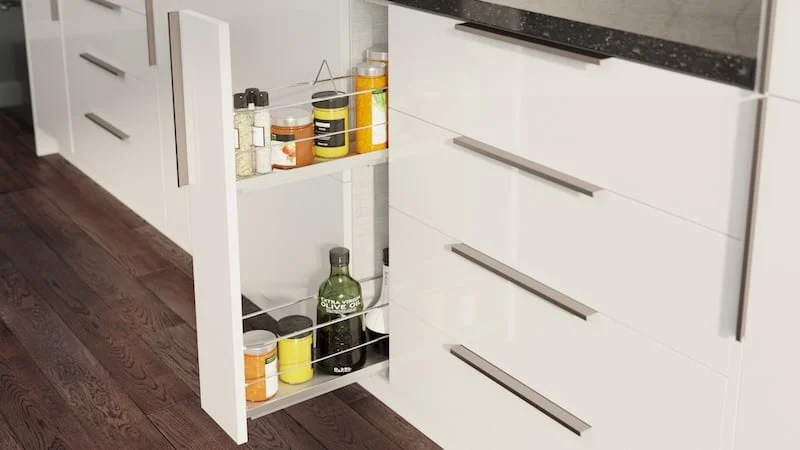
At first glance, kitchen drawers and pull out shelves may appear to serve the same purpose: providing easy access to stored items. However, the mechanics, installation requirements, and ergonomic outcomes differ significantly.
Kitchen drawers are typically built into a cabinet box and slide horizontally on rails. They excel at containing smaller items—cutlery, spices, utensils—and can be stacked in a vertical series, maximizing vertical space. Pull out shelves, also known as slide-out trays or rack systems, attach to the interior side of a cabinet and glide outward, exposing the entire depth of the cabinet when opened. This makes them ideal for larger, bulky items such as pots, pans, and pantry goods.
Understanding these functional nuances is the first step in evaluating kitchen drawers vs pull out shelves for your specific needs.
When to choose kitchen drawers vs pull out shelves
- Drawer‑friendly items: utensils, silverware, small appliances, spice jars.
- Shelf‑friendly items: baking sheets, cutting boards, large containers, wine bottles.
- Space constraints: drawers need less clearance in front of the cabinet, while pull out shelves require enough aisle width to fully extend.
- Budget considerations: high‑quality full‑extension drawer slides can be pricey, but basic pull out shelves often cost less to retrofit.
By matching the storage type to the items you use most, you’ll improve workflow and reduce the time spent rummaging for what you need.
Design considerations for kitchen drawers vs pull out shelves

Beyond pure functionality, aesthetics and ergonomics play a crucial role in the kitchen drawers vs pull out shelves decision. Modern kitchens prioritize clean lines, seamless integration, and tactile satisfaction.
Drawer fronts can be customized with wood, laminate, or metal finishes that blend with the overall kitchen theme. Soft‑close mechanisms add a premium feel and reduce noise—an important factor in open‑plan homes. Pull out shelves, meanwhile, can be fitted with clear acrylic panels or wire mesh to keep items visible while maintaining an airy look.
Consider the visual weight of each solution. A row of deep drawers can create a solid, grounded appearance, whereas pull out shelves often introduce a sense of openness, especially when paired with glass‑front cabinets.
Material and hardware choices for kitchen drawers vs pull out shelves
- Drawer slides: Choose full‑extension ball-bearing slides for smooth operation and maximum reach.
- Shelf glides: Heavy‑duty linear rails support the weight of large cookware.
- Finish harmony: Match drawer pulls to cabinet hardware for a cohesive look.
- Lighting: Install LED strips under pull out shelves to illuminate stored items.
These details not only affect durability but also influence the overall ambiance of the cooking space.
Space optimization strategies with kitchen drawers vs pull out shelves
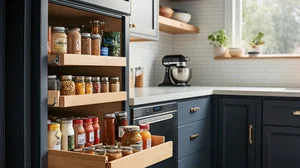
Maximizing storage without compromising circulation is a hallmark of effective kitchen design. Both drawers and pull out shelves offer unique ways to free up countertop real estate.
For narrow or shallow cabinets, installing a pull out shelf can transform an underutilized nook into a fully accessible pantry. Conversely, a series of slim drawers can replace a bulky cabinet door, allowing you to pull out the entire contents without lifting heavy items.
In small apartments, where every inch counts, consider the following hybrid approach: use drawers for everyday utensils and a single pull out shelf for occasional bulk items like holiday bakeware. This combination provides flexibility without overwhelming the limited floor plan.
Smart organization ideas for kitchen drawers vs pull out shelves
- Dividers and inserts: Custom drawer organizers keep cutlery and gadgets tidy.
- Tiered trays: Add a second tier inside pull out shelves for spices or snacks.
- Vertical stacking: Use stackable bins inside deep drawers for layered storage.
- Labeling system: Clear labels on pull out shelf containers speed up retrieval.
These small adjustments can dramatically improve the efficiency of both storage types.
Cost and installation: what to expect
Budget is often the deciding factor when weighing kitchen drawers vs pull out shelves. Basic drawer kits start at around $30 per unit, while premium soft‑close systems can exceed $150 each. Pull out shelves range from $40 for a simple wire rack to $200 for a fully loaded, full‑extension rail system with built‑in dividers.
Installation complexity also varies. Drawer boxes typically require precise measurements and may involve cutting into existing cabinet structures. Pull out shelves can often be retrofitted into existing cabinets with minimal modifications, making them a popular DIY choice.
If you’re not comfortable with carpentry, hiring a professional installer ensures a flawless fit and protects your warranty. For those who love a hands‑on project, many brands provide step‑by‑step video guides that simplify the process.
Quick Tips for Choosing Between Kitchen Drawers and Pull Out Shelves
- Assess the items you store most often; drawers excel with small, frequently used objects.
- Measure the aisle width—pull out shelves need enough clearance to fully extend.
- Factor in ergonomics; deep drawers can cause bending, while pull out shelves keep items at eye level.
- Prioritize soft‑close hardware for a quiet, upscale feel.
- Combine both solutions in high‑traffic zones for maximum versatility.
Common Mistakes to Avoid
Even seasoned homeowners can stumble when selecting storage solutions. Below are typical errors and how to sidestep them.
- Overloading drawers: Packing a drawer beyond its weight rating leads to sagging rails and eventual failure.
- Choosing the wrong depth: Pull out shelves that are too deep can make the cabinet front hard to reach.
- Ignoring clearance: Forgetting to account for door swing or appliance movement results in cramped spaces.
- Neglecting aesthetic cohesion: Mismatched hardware creates visual clutter—select pulls and finishes that echo the overall kitchen palette.
- Skipping soft‑close mechanisms: Hard‑close drawers generate noise and wear over time, especially in open‑plan homes.
Frequently Asked Questions
Are pull out shelves more durable than kitchen drawers?
Durability depends on the quality of the hardware. Heavy‑duty linear rails used for pull out shelves can support substantial weight, but low‑grade drawer slides may wear out faster. Investing in premium, full‑extension slides for both options ensures long‑term performance.
Can I install pull out shelves in an existing cabinet without removing the door?
Yes. Most pull out shelf kits are designed for retrofit installation and can be fitted behind the cabinet door, allowing you to keep the existing façade intact.
Do kitchen drawers affect the resale value of a home?
Modern, well‑designed drawer systems—especially soft‑close—are seen as upscale upgrades and can positively influence resale perception, particularly in higher‑end markets.
Which option is better for a small apartment kitchen?
A hybrid approach works best: install slim drawers for everyday utensils and a single pull out shelf for occasional bulk items. This maximizes vertical storage while preserving limited floor space.
How do I maintain the smooth operation of my drawers and shelves?
Periodically clean the rails with a dry cloth, apply a silicone‑based lubricant if recommended by the manufacturer, and avoid overloading to prevent strain on the moving parts.
Putting It All Together: A Practical Decision‑Making Guide
Choosing between kitchen drawers and pull out shelves need not be an either‑or dilemma. Start by inventorying the items you store most frequently. If you find yourself reaching for knives, forks, and small gadgets multiple times a day, prioritize drawers in those zones. For pots, pans, and pantry staples, pull out shelves provide a clear view and effortless access.
Next, map out your kitchen layout. Identify cabinets that have adequate depth for pull out shelves and those that are better suited for drawer installations. Consider traffic patterns—high‑traffic areas benefit from soft‑close drawers that stay quiet, while low‑traffic corners can accommodate deeper pull out shelves.
Finally, align your choice with your budget and style preferences. If you love the look of seamless, handle‑less cabinetry, opt for integrated drawer fronts and concealed pull out shelves with sleek metal glides. For a more rustic feel, wooden drawer fronts paired with exposed wire pull out racks can add character.
By blending thoughtful analysis with design flair, you can create a kitchen that feels both luxurious and highly functional.
For more inspiration on blending style and practicality, check out our guide on apartment friendly décor ideas. If you’re curious about how lighting can enhance storage visibility, the article on best high bay LED lights offers valuable insights. And for a touch of artisanal charm, explore handwoven textiles for wall décor to complement your kitchen’s aesthetic.
Whether you lean toward the clean efficiency of drawers or the expansive reach of pull out shelves, the right choice will elevate your cooking experience and keep your space organized for years to come.