
Table of Contents
- Understanding back tab vs rod pocket: Core Differences
- Design Impact: Aesthetic Choices for Different Rooms
- Installation Ease: When Back Tab Beats Rod Pocket
- Fabric Compatibility: Matching Material to Method
- Cost Considerations: Budgeting for Back Tab vs Rod Pocket
- Styling Tips: Enhancing Your Curtain Choice
- Choosing back tab vs rod pocket for Your Space
- Quick Tips for Perfect Curtain Results
- Common Mistakes and How to Avoid Them
- Frequently Asked Questions
- Conclusion
Back Tab vs Rod Pocket: Choosing the Perfect Curtain Style for Your Home
When it comes to dressing a window, the choice between a back tab and a rod pocket curtain can feel surprisingly nuanced. Both options promise a clean, polished look, yet they behave very differently once hung. Understanding the subtle mechanics behind each style helps you decide which will best complement your interior design goals, budget, and functional needs. In this guide, we’ll break down the construction, aesthetic impact, and practical considerations of back tab vs rod pocket curtains, providing you with clear, actionable advice that works for everything from a compact apartment bedroom to a grand living‑room with soaring ceilings.
Whether you’re a seasoned décor enthusiast or a first‑time renter eager to add personality without permanent alterations, the decision you make now will influence how light, privacy, and visual balance play out across your space. By the end of this article, you’ll be equipped to choose confidently, avoid common pitfalls, and apply the right style to each room’s unique character.
Understanding back tab vs rod pocket: Core Differences
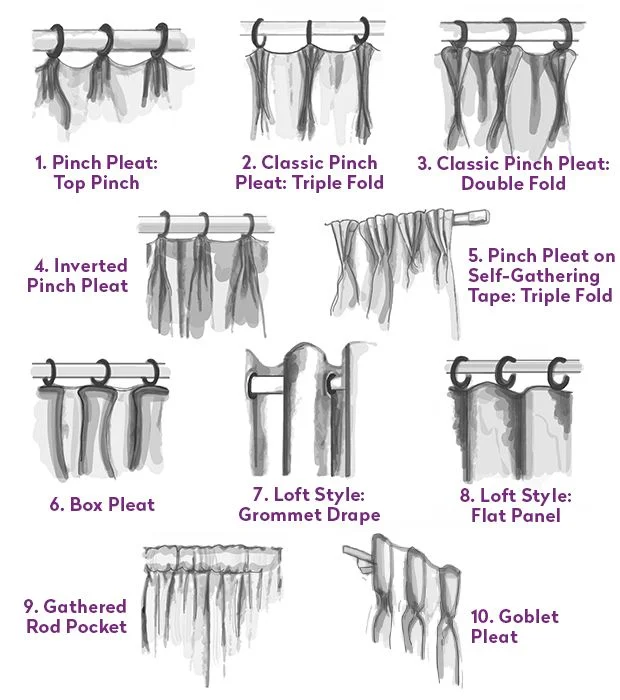
The most fundamental distinction lies in how the curtain attaches to the rod. A rod pocket curtain features a sewn fabric channel along the top edge; the rod slides directly through this pocket, creating a seamless, “no‑hardware” appearance. In contrast, a back tab curtain incorporates small fabric loops—often called tabs—stitched onto the back of the panel. These loops slip over the rod, offering a slightly looser drape and easier installation.
From a visual standpoint, rod pockets tend to sit closer to the wall, emphasizing a sleek, minimalist line. Back tabs, because they create a small gap between the fabric and the rod, can add a subtle depth that works well with layered window treatments. Both methods hide the hardware, but the way they interact with fabric weight, length, and rod diameter can dramatically affect the final look.
Design Impact: Aesthetic Choices for Different Rooms

Choosing back tab vs rod pocket is not just a technical decision; it’s a design statement. In a modern living room where clean lines dominate, rod pocket curtains often reinforce the architectural simplicity, especially when paired with a thin, brushed‑metal rod. Conversely, a cozy bedroom with a plush, textured fabric may benefit from the relaxed, slightly gathered silhouette that back tabs provide, adding a soft, tactile quality.
Consider the height of your ceiling as well. In rooms with high ceilings, a rod pocket can help the curtain sit closer to the ceiling, elongating the vertical space. For low‑ceiling apartments, back tabs can create a visual lift, as the slight offset draws the eye upward without overwhelming the limited height.
Installation Ease: When Back Tab Beats Rod Pocket
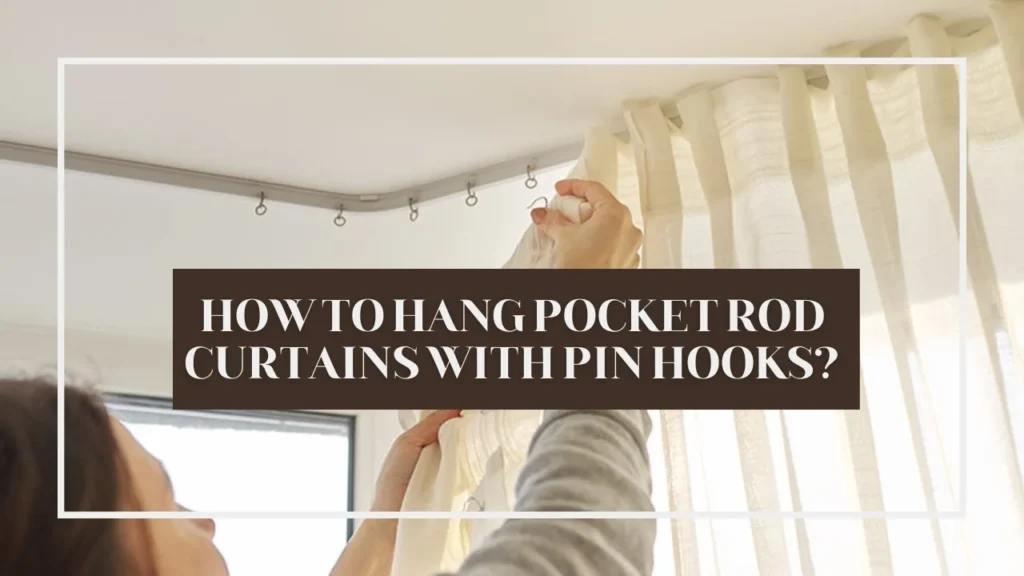
Installation speed can be a decisive factor, especially for renters. Back tab curtains typically require fewer steps: you simply thread the rod through each tab and adjust the length as needed. Rod pocket curtains demand that the rod be fully inserted into the fabric channel, which can be tricky if the pocket is tight or the rod is thick. Moreover, adjusting the length of a rod pocket curtain often means re‑sewing the pocket or using a curtain ring, adding time and potential cost.
If you anticipate changing your window treatments seasonally, back tabs offer a more adaptable solution. The tabs can accommodate various rod diameters, allowing you to swap between a decorative pole for a formal gathering and a minimalist rod for everyday use without re‑tailoring the curtain.
Fabric Compatibility: Matching Material to Method
Not all fabrics perform equally with back tab vs rod pocket. Heavy drapery such as velvet or thick linen benefits from a rod pocket, as the sewn channel provides sturdy support that prevents sagging. Light, airy fabrics—think chiffon, voile, or sheer cotton—work well with back tabs, which distribute weight more evenly across the rod and reduce the risk of the pocket stretching or tearing.
When selecting a fabric, also think about the desired fullness. Rod pockets often require more fabric to achieve a gathered look, while back tabs can achieve a similar fullness with slightly less material, making them a cost‑effective choice for larger windows.
Cost Considerations: Budgeting for Back Tab vs Rod Pocket
From a budgeting perspective, back tab curtains generally come at a lower price point. The construction involves simple stitching of small loops, which reduces labor time for manufacturers. Rod pocket curtains, however, require an additional sewn channel and often extra reinforcement at the top edge, leading to higher production costs.
That said, the long‑term value can tilt the scales. Rod pocket curtains tend to hold up better under frequent washing and heavy use, potentially extending their lifespan. If you’re planning a high‑traffic area like a family living room, the added upfront investment may pay off with fewer replacements over time.
Styling Tips: Enhancing Your Curtain Choice
Whichever method you choose, there are simple styling tricks that amplify the effect of back tab vs rod pocket curtains. Pair rod pocket curtains with decorative finials that echo the clean lines of the fabric; this creates a cohesive visual anchor. For back tab curtains, consider adding a subtle tie‑back or a decorative rope to emphasize the depth created by the tabs.
Layering is another powerful technique. Combine a sheer back tab curtain with a heavier rod pocket drape for a sophisticated, multi‑dimensional look. This approach works beautifully in a bedroom, where the sheer layer diffuses morning light while the heavier layer offers privacy at night. For more inspiration on layered window décor, check out our article on wall décor with handwoven textiles that showcases how texture can transform a space.
Choosing back tab vs rod pocket for Your Space
To make the final decision, ask yourself these quick questions:
- What is the weight of the fabric? Heavy fabrics usually favor rod pocket.
- Do I need easy installation or frequent changes? Back tab wins on flexibility.
- Is my ceiling high, low, or average? Rod pocket can accentuate height; back tab can add lift in low ceilings.
- What is my budget? Back tab is generally more economical.
- Do I want a layered look? Back tabs pair well with additional sheers or blinds.
Quick Tips for Perfect Curtain Results
- Measure the window width and add 2–4 inches on each side for a full, gathered appearance.
- Use a curtain rod that matches the overall room style; brushed nickel for modern, polished brass for classic.
- Hang curtains 2–3 inches above the window frame to maximize perceived height.
- Consider adding a valance or pelmet to hide any gaps left by back tabs.
- When using rod pocket curtains, ensure the pocket width is at least 1.5 times the rod diameter for smooth sliding.
Common Mistakes and How to Avoid Them
Even seasoned decorators slip up when dealing with back tab vs rod pocket choices. A frequent error is selecting a rod pocket for a lightweight fabric, which can cause the curtain to slip or look limp. The remedy is either to reinforce the pocket with interfacing or switch to back tabs. Another mistake is using a rod that’s too thick for the chosen style; an oversized rod can stretch a rod pocket or make back tabs look cramped. Always match rod diameter to the curtain’s construction guidelines.
Lastly, neglecting proper length can undermine the entire look. A rod pocket curtain that hangs too low may drag on the floor, while a back tab set too short can appear unfinished. Aim for the curtain tip to just kiss the floor or hover about half an inch above for a polished finish.
Frequently Asked Questions
Can I convert a rod pocket curtain to a back tab style?
Yes, a skilled seamstress can add back tabs to an existing rod pocket curtain by stitching loops onto the back edge. However, this alteration may affect the fabric’s drape, so it’s best done on lightweight materials.
Which style is better for blackout curtains?
Rod pocket curtains generally provide a tighter seal against light because the fabric wraps fully around the rod, reducing gaps. If total darkness is essential, opt for a rod pocket with a thick, blackout lining.
Do back tab curtains work with curtain rings?
While technically possible, using rings defeats the purpose of the hidden hardware look. If you need the flexibility of rings, a rod pocket with clip rings is a more suitable alternative.
Is one style more eco‑friendly?
Back tab curtains often require less fabric and simpler construction, resulting in a lower carbon footprint. However, the overall environmental impact depends on fabric choice, manufacturing practices, and lifespan.
How do I clean back tab versus rod pocket curtains?
Both styles can be machine‑washed, but rod pocket curtains benefit from a protective laundry bag to prevent the pocket from catching on other items. Back tabs should be turned inside out to protect the loops during washing.
For a deeper dive into lighting choices that complement your curtain decisions, see our guide on Best High Bay LED Lights Illuminate Your Space Efficiently – A Complete Guide. Proper lighting enhances the texture and color of both back tab and rod pocket curtains.
Conclusion
Choosing between back tab and rod pocket curtains ultimately hinges on fabric weight, installation preferences, budget, and the visual narrative you want to craft in each room. By evaluating these factors and applying the practical tips shared above, you can select a curtain style that not only meets functional needs but also elevates your home décor aesthetic. Remember, the right curtain can frame a view, control light, and add a layer of personality without overwhelming the space. Explore more design inspiration on The Homara, and let your windows become a canvas for your personal style.