
Table of Contents
- Understanding the Basics of Mixing Metals
- Why Is It OK to Mix Metals in Home Decor? The Design Logic Behind the Trend
- Is It OK to Mix Metals in Home Decor? Practical Rules to Follow
- How to Choose a Cohesive Color Palette When Mixing Metals
- Practical Ways to Blend Metals in Different Rooms
- Living Room: Layering for Luxury
- Bedroom: Calm Meets Glam
- Kitchen: Functional Elegance
- Bathroom: Spa‑Like Sophistication
- Outdoor & Misc: Extending the Mix Beyond Walls
- Accessorizing with Mixed Metals: Tips and Tricks
- Quick Home Décor Tips
- Common Mistakes When Mixing Metals (And How to Avoid Them)
- Frequently Asked Questions
- Conclusion
Is It OK to Mix Metals in Home Decor? A Complete Guide
Mixing metals has become one of the most talked‑about trends in modern interior design, yet many homeowners still wonder, is it ok to mix metals in home decor? The answer is a resounding yes—when done thoughtfully, blending brass, copper, gold, silver, and blackened finishes can add depth, visual interest, and a sense of curated sophistication to any space. In this article we’ll explore the principles behind successful metal mixing, break down practical strategies for every room, and give you the confidence to experiment without fear.
From the sleek lines of a contemporary living room to the cozy details of a small bedroom, the right balance of metallic tones can elevate a design from ordinary to memorable. You’ll learn how to choose a cohesive palette, where to place statement pieces, and how to avoid the common pitfalls that turn a stylish mix into visual chaos. Ready to answer the question, “is it ok to mix metals in home decor?” Let’s dive in.
Understanding the Basics of Mixing Metals
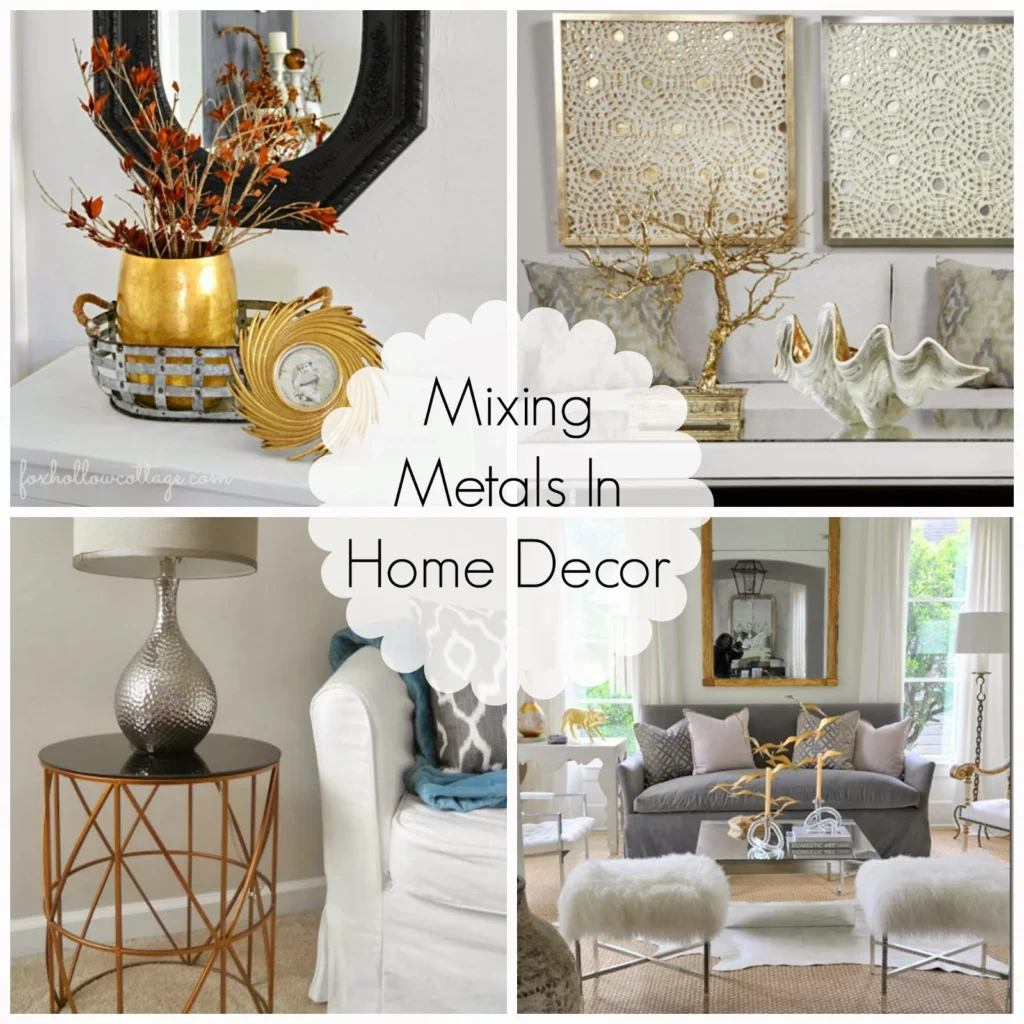
Before you answer the core question—is it ok to mix metals in home decor—it helps to understand the visual language of metal finishes. Each metal conveys a distinct mood:
- Brass & Gold: Warm, luxurious, and often associated with classic elegance.
- Copper: Earthy, inviting, and perfect for creating a tactile, handcrafted feel.
- Silver & Chrome: Cool, contemporary, and great for high‑gloss, minimalistic looks.
- Blackened or Oil‑Rubbed Bronze: Industrial, moody, and ideal for grounding brighter tones.
When you mix these finishes, you’re essentially creating a conversation between warm and cool, polished and matte, light and shadow. The key is to maintain a sense of harmony, allowing each piece to support the other rather than compete.
Why Is It OK to Mix Metals in Home Decor? The Design Logic Behind the Trend
The short answer is that design is no longer bound by the rigid rules of the past. Historically, designers kept metal finishes uniform to avoid visual clutter, but contemporary aesthetics celebrate contrast and layering. Modern psychology also tells us that varied textures and tones stimulate interest and can make a space feel more lived‑in and authentic.
When you ask, “is it ok to mix metals in home decor?” consider these three design principles:
- Balance: Pair a dominant metal with one or two accent metals. For example, a brushed nickel kitchen faucet can be complemented with copper pendant lights.
- Scale: Larger pieces (like a brass floor lamp) set the tone, while smaller accessories (silver picture frames) add subtle contrast.
- Context: The surrounding color palette and materials—wood, glass, stone—can either unify or fragment the metallic mix.
By respecting balance, scale, and context, you’ll find that mixing metals feels natural, not forced. This approach also aligns with the broader How to Decorate a Contemporary Home: Expert Tips & Ideas guide, which encourages layering textures for a sophisticated finish.
Is It OK to Mix Metals in Home Decor? Practical Rules to Follow
Here are three practical rules that answer the question directly:
- Choose a Base Metal: Decide which finish will dominate the room. Everything else should act as an accent.
- Use a Unifying Element: A common material—such as wood, marble, or a particular color—ties disparate metals together.
- Introduce One New Metal at a Time: Gradual addition prevents overwhelm and allows you to assess the overall feel.
Following these guidelines ensures that you can confidently ask yourself, “is it ok to mix metals in home decor,” and answer with a confident yes.
How to Choose a Cohesive Color Palette When Mixing Metals
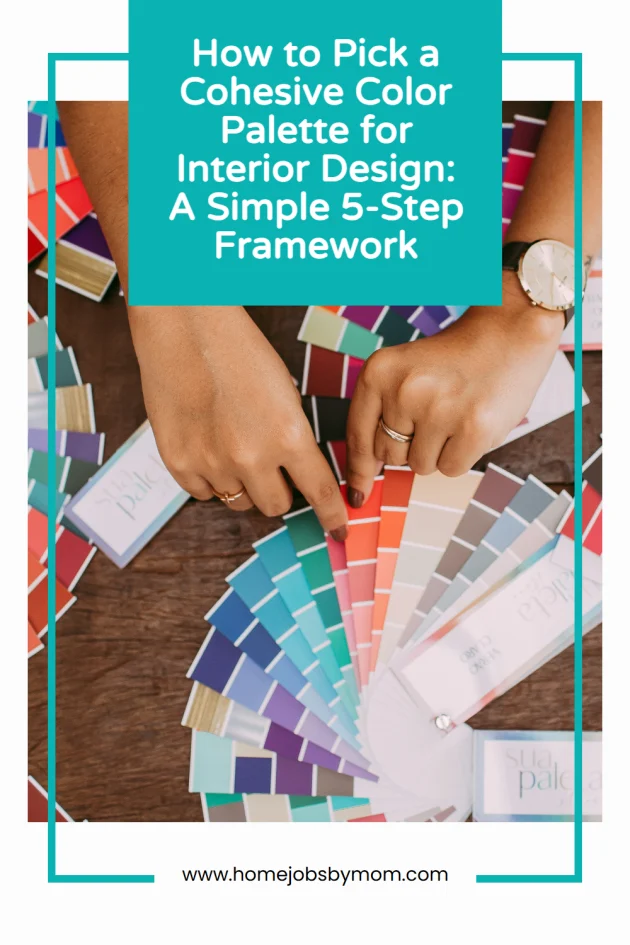
Color is the invisible thread that can make disparate metals appear intentional. Start by selecting a neutral base—soft gray, warm beige, or muted navy—then layer metallic accents that complement the undertones. For instance, a room with a cool gray sofa will harmonize beautifully with silver and chrome accessories, while a warm ivory backdrop welcomes brass and copper.
Consider using a color wheel to find analogous hues. If your primary metal is gold, look for warm shades like terracotta or olive to echo its richness. Conversely, a silver-dominant space can be paired with cool blues or crisp whites for a sleek aesthetic.
Don’t forget the power of matte versus glossy finishes. A matte black bronze side table can sit beside a high‑gloss chrome lamp without clashing, as the difference in sheen creates visual rhythm while the color family stays aligned.
Practical Ways to Blend Metals in Different Rooms
Let’s explore how the question “is it ok to mix metals in home decor” plays out across various spaces. Below are room‑specific strategies that keep the mix purposeful.
Living Room: Layering for Luxury
In a living room, start with a statement piece—perhaps a brass coffee table. Pair it with a sleek silver media console and a few blackened bronze side tables. Add texture with a Simple Wall Décor with Macrame piece that incorporates natural fibers, which softens the metallic sheen.
Soft furnishings—think velvet cushions in deep teal or mustard—bridge the warm and cool metal tones. A patterned rug that includes both gold and silver threads can further unify the palette.
Bedroom: Calm Meets Glam
In the bedroom, restraint is key. Choose a polished chrome nightstand and pair it with a brushed brass lamp. A copper picture frame adds a subtle pop of warmth without dominating the space. Keep bedding in neutral tones (gray or ivory) to let the metals shine without overwhelming the sanctuary.
If you have a small bedroom, refer to Small Room Styling Ideas for smart placement tips—such as hanging a copper wall sconce opposite a silver mirror to reflect light and create balance.
Kitchen: Functional Elegance
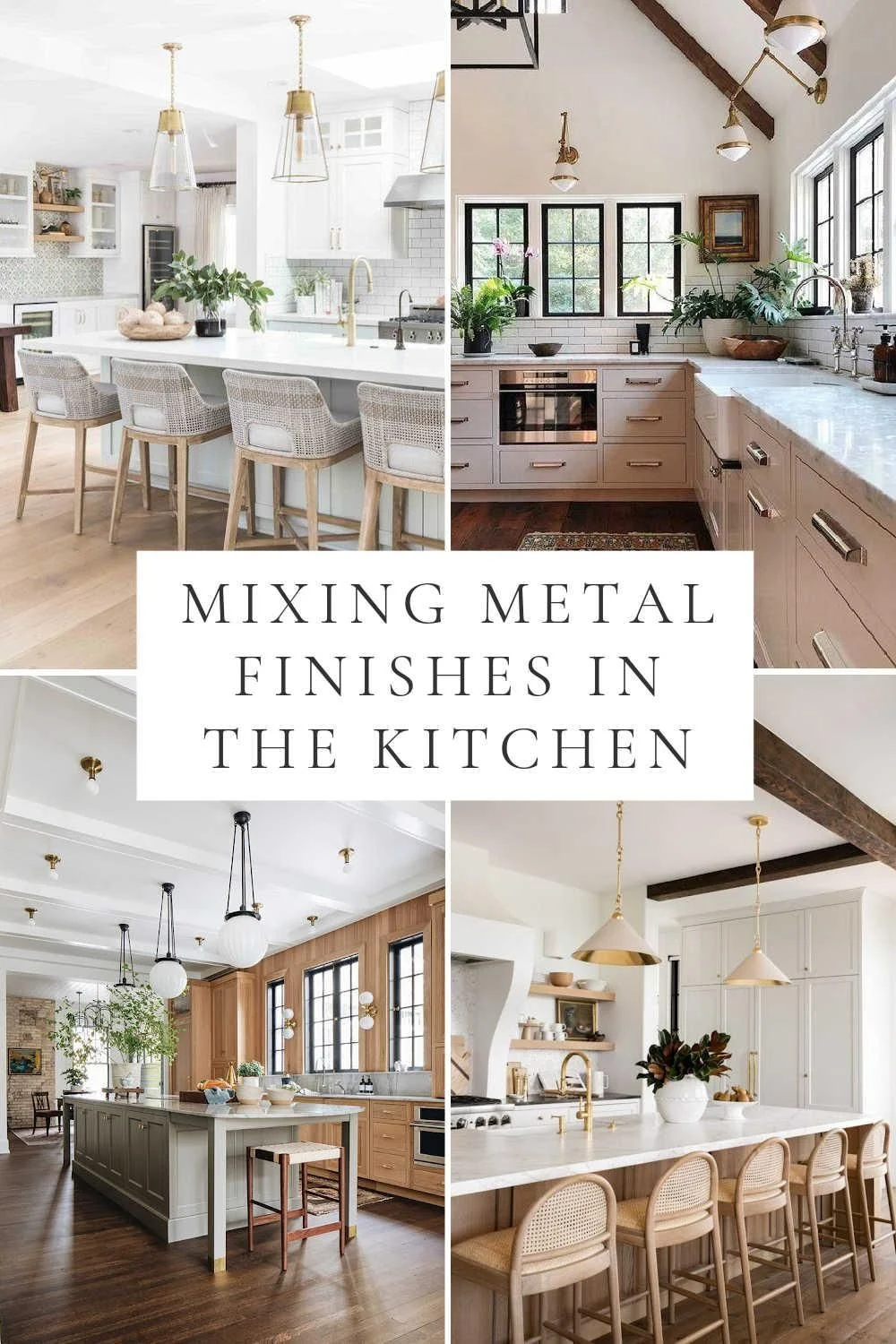
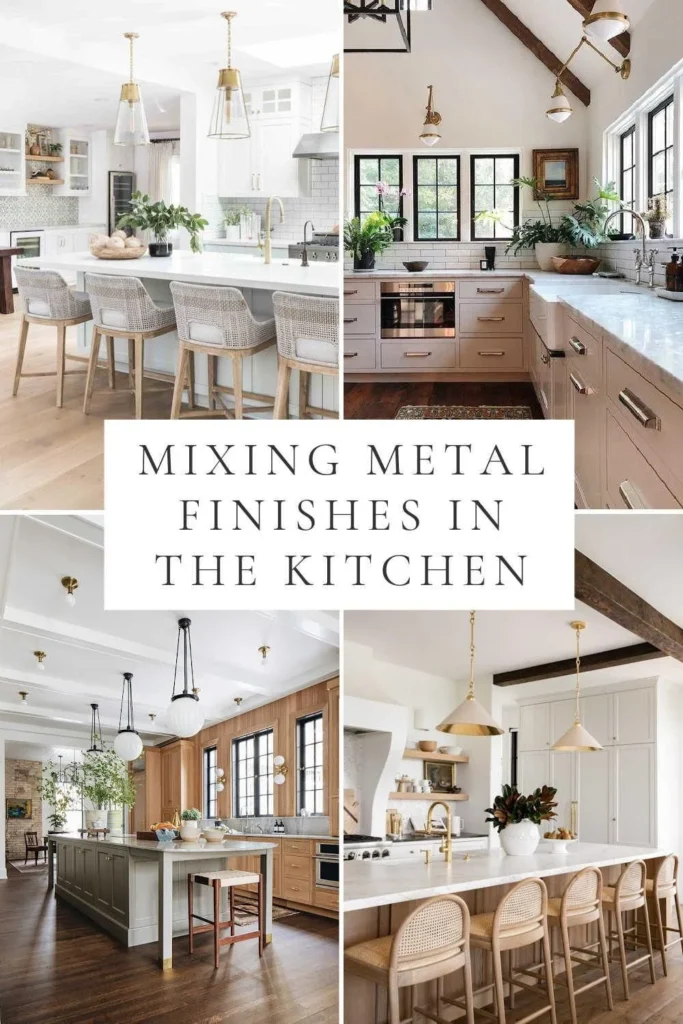
The kitchen is a natural playground for metal mixing. Stainless steel appliances pair effortlessly with a brass faucet and copper pendant lights. Use a blackened bronze backsplash tile to ground the bright finishes, creating a balanced triad that feels cohesive.
When choosing hardware, pick one finish for cabinets (e.g., brushed nickel) and introduce a contrasting metal in accessories—like a copper pot rack or gold‑toned spice jars. This approach answers the core query—is it ok to mix metals in home decor—by demonstrating that functionality and style can coexist.
Bathroom: Spa‑Like Sophistication
A bathroom can exude spa‑like calm while showcasing mixed metals. Combine a chrome rain showerhead with a brushed gold towel bar and a matte black soap dispenser. The contrast of polished and matte finishes adds depth without feeling chaotic.
For inspiration, check out the Toto vs Kohler: The Definitive Bathroom Fixture Showdown article, which highlights how different brands use metal finishes to create distinct atmospheres.
Outdoor & Misc: Extending the Mix Beyond Walls
Outdoor furniture often utilizes weather‑resistant metals like aluminum or powder‑coated steel. Pair a bronze fire pit with a sleek stainless steel garden sculpture, and incorporate copper planters for an organic touch. The same principles—balance, scale, and unifying color—apply outdoors just as they do indoors.
Accessorizing with Mixed Metals: Tips and Tricks
Accessories are the easiest way to test the waters before committing to larger mixed‑metal pieces. Here are five quick ways to introduce variety without overwhelming a room:
- Lighting: Swap a single lamp shade for a set of metallic table lamps in different finishes.
- Hardware: Use a mix of brass drawer pulls and silver cabinet knobs for a subtle statement.
- Artwork Frames: Hang a gallery wall with frames in gold, silver, and copper.
- Decorative Objects: Place a copper vase on a silver tray; the juxtaposition feels intentional.
- Textiles: Look for cushions or throws that incorporate metallic threads.
These accessories echo the broader concept of Organic Modern Living Room Styling, where natural textures meet sleek metals for a balanced aesthetic.
Quick Home Décor Tips
- Start with one dominant metal and add one accent metal.
- Use natural materials (wood, stone) as a unifying backdrop.
- Maintain consistent finish families—matte with matte, polished with polished.
- Introduce metal through lighting first; it instantly changes the room’s mood.
- Test the mix in a small area before committing to large pieces.
Common Mistakes When Mixing Metals (And How to Avoid Them)
Even seasoned designers can slip into pitfalls. Recognizing them helps you answer is it ok to mix metals in home decor with confidence.
- Overloading with Too Many Metals: More than three distinct finishes can create visual noise. Stick to a maximum of two accent metals.
- Ignoring Scale: A tiny copper trinket next to a massive brass chandelier may look out of proportion. Match sizes to maintain balance.
- Neglecting the Overall Color Scheme: Metals clash when the surrounding colors are too bold. Keep walls and large furniture neutral.
- Choosing Incompatible Finishes: Mixing a highly polished chrome with a heavily brushed bronze can feel disjointed. Opt for finishes with similar texture levels.
- Forgetting Functionality: In high‑traffic areas, prioritize durability. A delicate gold handle may not suit a kitchen drawer.
Frequently Asked Questions
Can I mix gold and silver in a small apartment?
Yes. In a small space, use one metal as the primary (e.g., gold lamp) and incorporate silver in smaller accessories like picture frames. This creates a curated look without overcrowding.
Does mixing metals work in minimalist design?
Absolutely. Minimalism thrives on restraint; a single matte black bronze side table paired with a sleek chrome floor lamp adds interest while keeping the overall aesthetic clean.
How do I transition from a single‑metal scheme to a mixed‑metal one?
Begin with interchangeable accessories—swap out a brass lamp shade for a silver one, or add a copper decorative bowl. Gradually increase the variety as you become comfortable.
Is it okay to mix metals in a bathroom with high humidity?
Yes, but choose corrosion‑resistant finishes like stainless steel, chrome, or oil‑rubbed bronze. These metals hold up well in moist environments while still allowing for visual contrast.
What if I love both warm and cool tones?
Blend them by using a neutral base and pairing warm metals (gold, copper) with cool ones (silver, chrome) in equal measure. The neutral backdrop prevents any one tone from dominating.
Conclusion
Answering the question “is it ok to mix metals in home decor” reveals that the practice is not only acceptable but also a powerful tool for creating depth, personality, and modern elegance. By focusing on balance, scale, and a unifying color palette, you can confidently blend brass, copper, silver, and blackened finishes across living rooms, bedrooms, kitchens, bathrooms, and even outdoor spaces. Remember to start small, test combinations, and let natural textures anchor your metallic adventure. With the tips, common mistakes, and FAQs provided, you’re ready to experiment and make your home truly your own. For more inspiration, explore our other guides on contemporary styling and small‑space solutions, and let The Homara be your trusted source for all things beautiful.