
Table of Contents
- How to Decorate a Contemporary Home: Foundations of Modern Style
- How to Decorate a Contemporary Home: Color Palette Essentials
- Choosing the Right Furniture for a Contemporary Look
- Lighting Strategies that Enhance Modern Spaces
- Integrating Textures and Materials for Depth
- Maximizing Small Spaces with Contemporary Design
- Personalizing Your Contemporary Home without Losing Cohesion
- Quick Tips for Immediate Impact
- Common Mistakes When Decorating Contemporary Spaces
- Frequently Asked Questions
How to Decorate a Contemporary Home: Expert Tips & Ideas
Contemporary design is more than a fleeting trend; it’s a philosophy that embraces clean lines, functional spaces, and a balanced mix of warmth and sophistication. Whether you’re moving into a newly built loft, renovating an older property, or simply looking to refresh a single room, mastering how to decorate a contemporary home can transform ordinary walls into a canvas for modern living. This approach values simplicity without sacrificing personality, allowing each element to speak clearly while contributing to a cohesive whole.
In this guide we’ll walk you through the essential principles, from choosing the right color palette to selecting furniture that feels both sleek and inviting. You’ll learn how to layer textures, illuminate spaces strategically, and make the most of small footprints—all while keeping the overall aesthetic fresh and timeless. By the end, you’ll have a toolbox of actionable ideas that you can apply room by room, ensuring your home feels intentionally curated rather than assembled piece by piece.
How to Decorate a Contemporary Home: Foundations of Modern Style
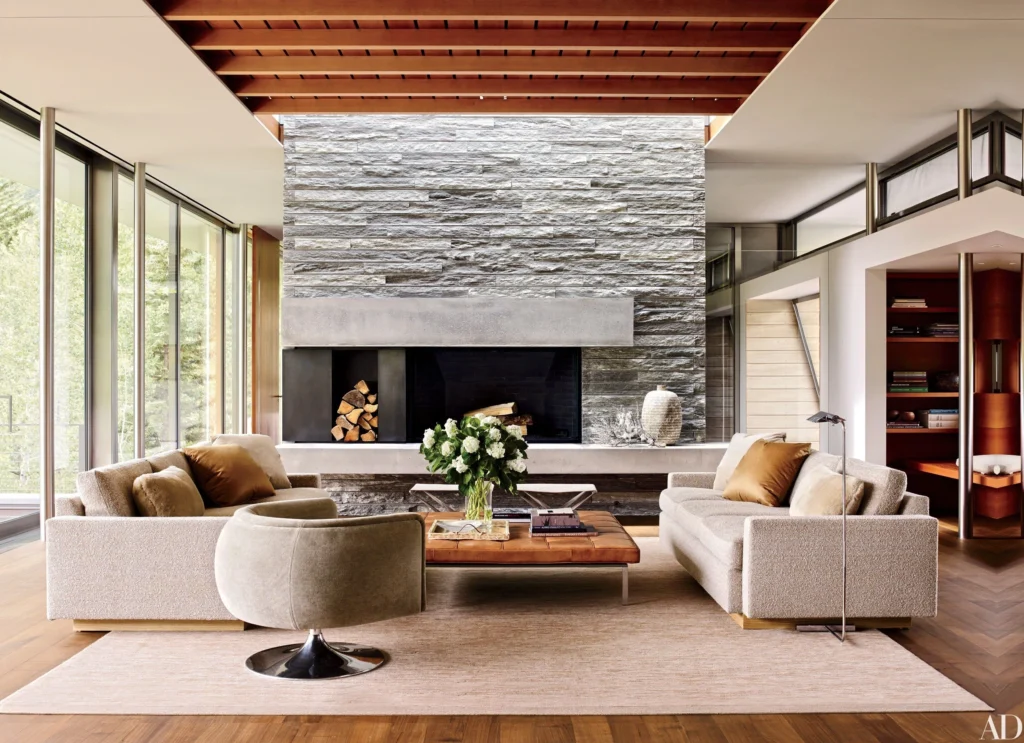
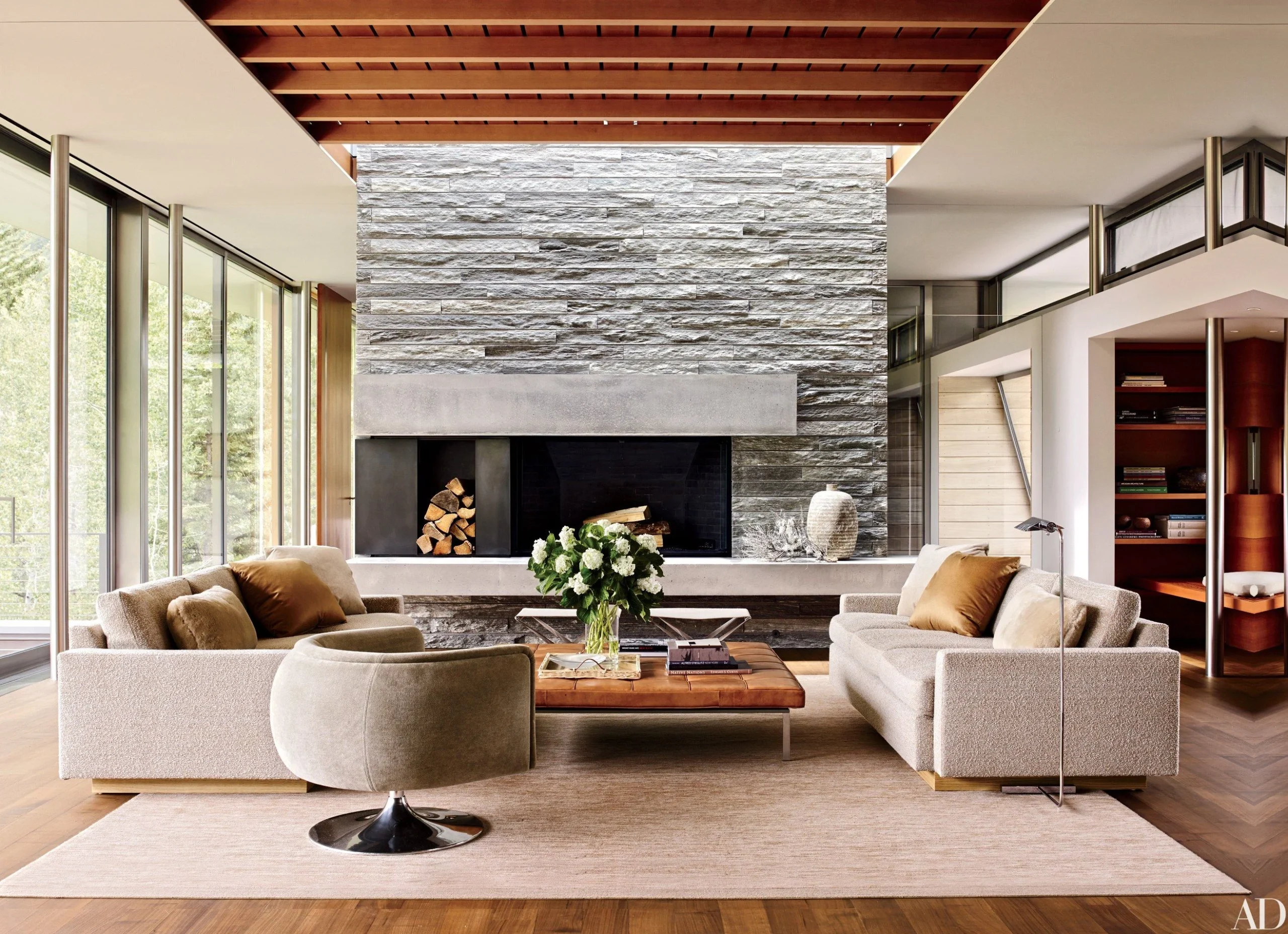
The first step in learning how to decorate a contemporary home is establishing a clear visual foundation. Contemporary interiors typically favor a neutral base—soft whites, cool grays, or muted earth tones—because these hues provide a calming backdrop that lets furniture, art, and accessories shine. Once the base is set, you can introduce accent colors in measured doses, using bold splashes of navy, emerald, or burnt orange to create focal points without overwhelming the space.
Another cornerstone is the concept of “less is more.” This doesn’t mean the space must be barren; rather, each piece should earn its place. Think of the room as a gallery where every object contributes to the narrative. By limiting clutter and opting for streamlined forms, you allow natural light and architectural features to become the star attractions. For more inspiration on cohesive color planning, check out our guide on kitchen décor with natural textures, which showcases how subtle hues can coexist with striking material contrasts.
How to Decorate a Contemporary Home: Color Palette Essentials
When it comes to color, start with a three‑tier system: a dominant neutral, a secondary supporting shade, and a vibrant accent. The dominant neutral covers walls, large rugs, and major furniture pieces. The secondary shade can appear in upholstery, curtains, or secondary furniture. Finally, the accent color lives in cushions, artwork, or decorative objects. This hierarchy prevents visual chaos while still offering depth.
Consider the psychological impact of each hue. Cool grays promote calm, while warm beiges add coziness. If you want to inject energy, a single bold element—perhaps a teal sofa or a mustard‑colored pendant lamp—can serve as a conversation starter. The key is consistency; repeat the accent color in at least two or three locations to create harmony without monotony.
Choosing the Right Furniture for a Contemporary Look
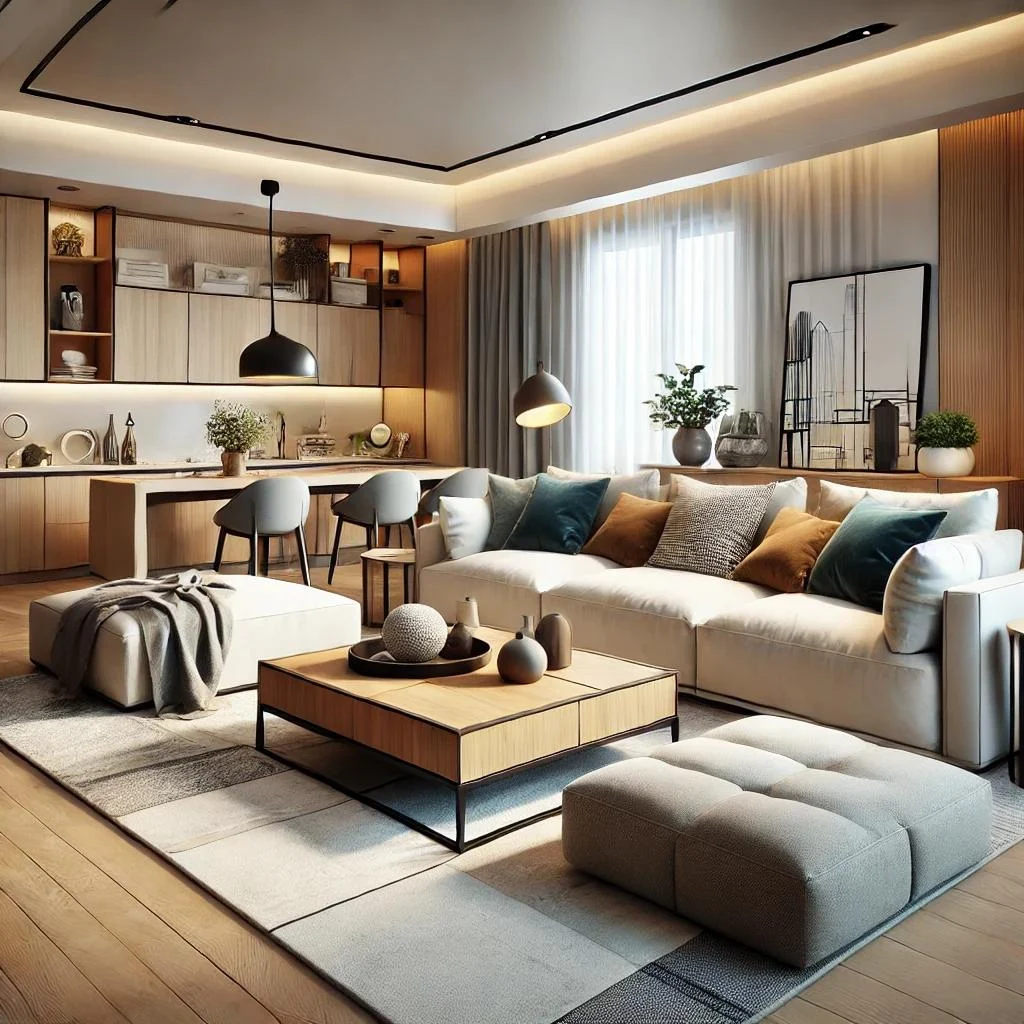
Furniture selection is arguably the most visible aspect of how to decorate a contemporary home. Look for pieces with clean, geometric lines, minimal ornamentation, and a focus on functionality. Materials such as polished metal, tempered glass, and natural wood with a light finish work well together, providing a balanced mix of industrial and organic feels.
When arranging a living area, anchor the space with a low‑profile sofa in a neutral tone. Pair it with a sleek coffee table—think marble tops or lacquered surfaces—and a pair of sculptural side chairs that introduce subtle curvature. In the bedroom, opt for platform beds with floating nightstands to keep the floor space open. Remember, scale matters: oversized furniture can dominate a room, while too‑small pieces can make it feel unfinished. Strive for a proportional layout that allows traffic flow and visual breathing room.
Lighting Strategies that Enhance Modern Spaces
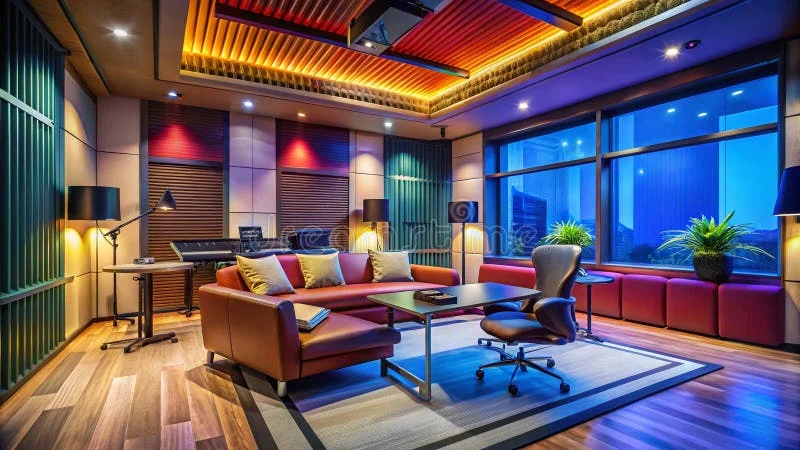
Lighting is the invisible thread that stitches together every element of a contemporary interior. Ambient lighting—often achieved with recessed ceiling fixtures or large, diffused pendant lights—provides even illumination across the room. Accent lighting, such as track lights or wall‑mounted sconces, highlights artwork or architectural details, adding depth and drama.
Layered lighting is essential. Combine a central fixture with task lighting (like desk lamps or under‑cabinet LEDs) and decorative pieces (such as a statement floor lamp) to create a dynamic environment that adapts to different activities and moods. For those who love a touch of nature, consider fixtures that incorporate natural materials like woven rattan or wood, bridging the gap between sleek modernism and organic warmth.
Integrating Textures and Materials for Depth
One common misconception about contemporary design is that it feels cold or sterile. In reality, texture is a powerful tool for adding tactile richness without compromising the clean aesthetic. Think of a plush velvet sofa paired with a smooth marble coffee table, or a wool rug layered over a concrete floor. These contrasting textures engage the senses and prevent the space from appearing flat.
Materials such as brushed steel, matte black finishes, and natural stone can coexist harmoniously when balanced with softer fabrics and wood grain. Introducing a textured wall covering—perhaps a subtle linen wallpaper—can serve as a backdrop for minimalist artwork. For a budget‑friendly way to explore texture, try simple wall décor ideas like macramé, which can be seen in our piece on simple wall décor with macrame. This adds handcrafted warmth while staying true to the contemporary vibe.
Maximizing Small Spaces with Contemporary Design
Small apartments or compact rooms can benefit enormously from how to decorate a contemporary home because the style naturally emphasizes openness. Start by selecting furniture that serves multiple functions—think an ottoman with hidden storage or a wall‑mounted desk that folds away when not in use. Mirrors placed opposite windows amplify natural light, making the space feel larger.
Maintain a monochromatic scheme on walls and large furniture to avoid visual fragmentation. Use vertical storage solutions, such as tall, slim bookcases, to draw the eye upward and create the illusion of height. When choosing décor, favor a few statement pieces over many small accessories. This restraint prevents clutter, preserving the airy feel that contemporary design champions.
Personalizing Your Contemporary Home without Losing Cohesion
Even within a sleek framework, there’s room for personal expression. Incorporate artwork, family photos, or travel souvenirs that resonate with you, but display them thoughtfully. A large, abstract painting can become a focal point above a sofa, while a curated gallery wall using matching frames adds a unified look.
Mixing in a single vintage element—a reclaimed wooden side table or an antique brass lamp—can introduce character without disrupting the modern flow. The trick is to keep the quantity low and ensure the piece complements the existing palette and material palette. By doing so, you create a space that feels both contemporary and uniquely yours.
Quick Tips for Immediate Impact
- Swap out heavy curtains for sheer panels to boost natural light.
- Add a pop of color with decorative cushions or a statement rug.
- Replace dated hardware (drawer pulls, door knobs) with matte black or brushed nickel.
- Introduce a single large plant to bring organic texture and fresh air.
- Rearrange furniture to create a clear line of sight through the room.
Common Mistakes When Decorating Contemporary Spaces
Even seasoned decorators can stumble on pitfalls that dilute the contemporary vibe. One frequent error is over‑accessorizing—crowding surfaces with too many decorative objects can create visual noise. Another is neglecting proportion; oversized furniture in a modest room overwhelms the scale, while undersized pieces leave awkward gaps. Additionally, ignoring the importance of lighting leads to dim, uninviting spaces. Finally, using too many competing accent colors can fracture the cohesive look; stick to a limited palette for harmony.
To avoid these issues, start with a clear plan, choose each piece deliberately, and step back frequently to assess the overall balance. Remember, the goal is to curate, not accumulate.
Frequently Asked Questions
What are the key color schemes for a contemporary home?
Neutral bases (white, gray, beige) combined with a secondary muted tone and a single bold accent create a balanced palette. Repeating the accent color in textiles, artwork, or décor ties the room together.
Can I use traditional furniture in a contemporary setting?
Yes, but select pieces with clean lines and simple silhouettes. A classic wooden chair with a modern metal frame or a traditional rug with a contemporary pattern can bridge the two styles effectively.
How do I make a small bedroom feel more spacious?
Use light-colored walls, minimal furniture, and strategic lighting. Incorporate built‑in storage to reduce floor clutter, and place a full‑length mirror opposite a window to reflect light and create depth.
Is it necessary to have a lot of tech gadgets to achieve a contemporary look?
Technology can enhance the modern feel, but it’s not required. Simple smart lighting or a sleek sound system can integrate seamlessly, while the overall design should still prioritize comfort and functionality.
Where can I find affordable contemporary décor?
Look for online marketplaces, local artisan fairs, and discount home stores. Items like geometric wall art, minimalist vases, or budget‑friendly lighting fixtures can add style without breaking the bank. For specific ideas, see our article on warm living room design ideas for budget‑conscious inspiration.
By understanding the fundamentals and applying the tips above, you’ll be well on your way to mastering how to decorate a contemporary home that feels fresh, functional, and unmistakably yours.
Take these concepts, experiment with textures, colors, and layouts, and watch your space transform into a modern sanctuary. For more detailed guides on room‑by‑room styling, explore other articles on The Homara and keep the creative momentum going.