
Table of Contents
- Understanding Rubber Cement and Carpet Fibers
- How to Get Rubber Cement Out of Carpet Without Damaging Fibers
- Step‑by‑Step Method: Solvent Approach
- Alternative Method: Using Rubbing Alcohol or Nail Polish Remover
- Mechanical Removal: Using a Plastic Scraper and Heat
- Preventing Future Stains: Proactive Home Décor Practices
- Quick Tips for Immediate Action
- Common Mistakes and How to Avoid Them
- Frequently Asked Questions
- Can I use a steam cleaner to remove rubber cement?
- Is there a risk of discoloration when using vinegar?
- What if the rubber cement has seeped into the carpet backing?
- Can I use a carpet shampoo after removing the cement?
- Will the removal process affect my rug’s anti‑slip pad?
- Is it safe to use this method on antique Persian rugs?
Rubber cement is a handy adhesive for crafts, mounting posters, and quick fixes, but accidents happen. A stray spill on a carpet can feel like a disaster, especially when you worry about stains, sticky residues, or damaging delicate fibers. Fortunately, with the right approach, you can restore your carpet to its original condition without calling a professional.
This guide walks you through the science behind rubber cement, the safest removal techniques, and practical tips that fit into a modern home décor routine. By the end, you’ll know exactly how to get rubber cement out of carpet, protect your flooring, and keep your living spaces looking fresh.
Whether you’re a renter, a homeowner, or a design enthusiast who loves a tidy, stylish interior, the methods below blend effective cleaning with a respect for your home’s aesthetic. Let’s dive in.
Understanding Rubber Cement and Carpet Fibers

Before tackling the stain, it helps to know why rubber cement behaves the way it does on carpet. Rubber cement is a mixture of elastic polymers dissolved in solvents such as acetone, hexane, or petroleum distillates. When the solvent evaporates, the polymer solidifies into a flexible, tacky film. On carpet, this film can bond with both the synthetic fibers (like nylon or polyester) and the backing material, making removal a two‑step process: dissolve the polymer and lift the residue.
Carpet fibers vary in how they react to solvents. Natural fibers like wool are more sensitive to harsh chemicals, while synthetic fibers tolerate mild solvents better. Knowing the composition of your carpet will guide you toward the safest cleaning agents and prevent inadvertent damage.
How to Get Rubber Cement Out of Carpet Without Damaging Fibers
- Test first: Always perform a spot test in an inconspicuous area. Apply a small amount of your chosen solvent, wait a few minutes, and check for color change or fiber weakening.
- Work from the edges: Gently loosen the adhesive from the outer perimeter before moving toward the center. This prevents the cement from spreading further.
- Use absorbent materials: Paper towels, clean white cloths, or microfiber pads help control excess liquid and protect surrounding areas.
Step‑by‑Step Method: Solvent Approach
The most reliable way to how to get rubber cement out of carpet is by using a mild solvent that breaks down the polymer without harming the fibers. Follow these detailed steps:
- Gather supplies: You’ll need a spray bottle, distilled water, white vinegar, a few drops of mild dish soap, a clean white cloth, a soft‑bristled brush, and a vacuum cleaner.
- Prepare a cleaning solution: Mix 1 cup of warm distilled water with 1 tablespoon of white vinegar and a few drops of dish soap. Vinegar acts as a gentle solvent, while soap emulsifies the loosened adhesive.
- Apply the solution: Lightly spray the affected area. Do not saturate the carpet; you only need enough moisture to dampen the fibers.
- Let it sit: Allow the mixture to work for 5–7 minutes. This gives the vinegar time to soften the rubber cement.
- Gently agitate: Using a soft‑bristled brush, work in small circular motions. Avoid vigorous scrubbing, which can embed the adhesive deeper.
- Blot, don’t rub: Press a clean white cloth onto the spot, absorbing the dissolved cement and excess liquid. Rotate the cloth to a clean section as it becomes saturated.
- Rinse lightly: Mist a small amount of plain distilled water over the area to remove any vinegar residue, then blot again.
- Dry thoroughly: Place a dry towel over the spot and weigh it down with a book. Leave for 30 minutes, then vacuum the fibers to restore their loft.
If the stain persists after the first attempt, repeat the process. Most rubber cement residues dissolve after two to three cycles.
Alternative Method: Using Rubbing Alcohol or Nail Polish Remover
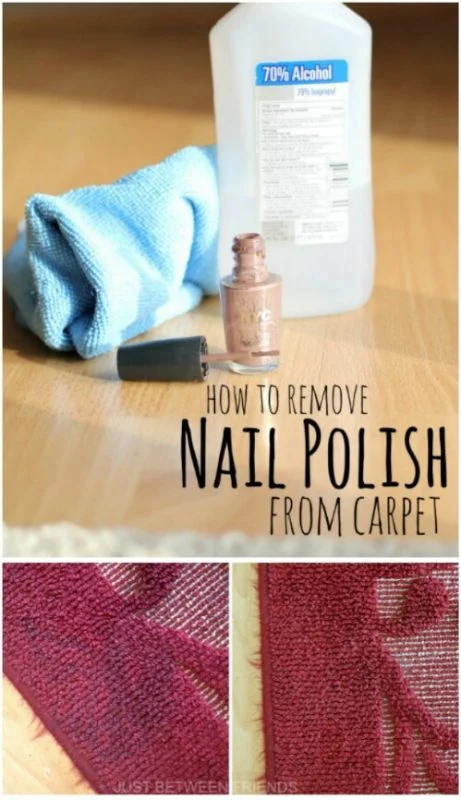
When vinegar isn’t enough, a stronger but still safe option is isopropyl rubbing alcohol (70%–90%). For stubborn spots, a small amount of acetone‑based nail polish remover can work, but only on carpets that are fully synthetic and after a thorough spot test.
Steps are similar to the solvent approach, with a few adjustments:
- Apply the alcohol or nail polish remover to a cotton ball, then dab the stain gently.
- Work from the edges inward, using a soft brush to loosen the cement.
- Immediately follow with a vinegar‑soap solution to neutralize any remaining solvent, preventing fiber weakening.
Always ensure good ventilation when using alcohol or acetone, and wear gloves to protect your skin.
Mechanical Removal: Using a Plastic Scraper and Heat
In cases where the adhesive has already dried and hardened, a mechanical approach can complement chemical methods. Here’s how to safely employ a plastic scraper and mild heat:
- Set a hair dryer on a low‑heat setting and hold it about 6 inches above the stain for 30 seconds. Heat softens the polymer, making it easier to lift.
- Using a plastic putty knife or a credit card, gently scrape the softened cement. Avoid metal tools, which can snag or cut carpet fibers.
- Immediately follow the scraping with the vinegar‑soap solution to remove any residual tackiness.
- Blot dry and vacuum as described earlier.
This technique works especially well on low‑pile or flat‑weave rugs where the backing is accessible.
Preventing Future Stains: Proactive Home Décor Practices
While learning how to get rubber cement out of carpet is valuable, prevention saves time and preserves the aesthetic integrity of your space. Consider these design‑friendly habits:
- Designate a crafting zone: Use a sturdy, washable mat or a dedicated workbench near a sink. This isolates adhesive work from high‑traffic carpet areas.
- Choose low‑odor adhesives: Modern, water‑based glues perform similarly to rubber cement but are easier to clean.
- Apply protective runner rugs: In hallways or entryways, a low‑pile runner can catch accidental spills before they reach your primary carpet.
For more inspiration on protecting high‑traffic areas while keeping a modern look, check out our guide on simple living room window décor ideas. The principles of layering and protecting can translate directly to floor coverings.
Quick Tips for Immediate Action
- Act within 5 minutes of the spill to prevent the cement from drying.
- Never use hot water directly on rubber cement; heat can set the adhesive.
- Keep a small “stain‑removal kit” in each room: spray bottle, white cloth, and a gentle brush.
Common Mistakes and How to Avoid Them
Even seasoned homeowners stumble on a few pitfalls when trying to remove rubber cement. Here are the most frequent errors and the right way to handle them:
- Rubbing aggressively: Scrubbing hard pushes the adhesive deeper into the carpet backing. Instead, use light, circular motions and let the solvent do the work.
- Using bleach or harsh chemicals: These can discolor or weaken fibers, especially wool. Stick to mild, pH‑balanced solutions.
- Over‑wetting the carpet: Excess moisture can lead to mold or carpet backing separation. Apply liquids sparingly and always blot.
- Skipping the spot test: Without testing, you risk permanent damage. A few drops on a hidden area can save you from costly repairs.
Frequently Asked Questions
Can I use a steam cleaner to remove rubber cement?
Steam cleaners introduce high heat and moisture, which can actually set the rubber cement rather than dissolve it. It’s best to rely on solvent‑based methods followed by gentle blotting.
Is there a risk of discoloration when using vinegar?
White distilled vinegar is color‑neutral and safe for most synthetic carpets. However, always perform a spot test, especially on dark or patterned rugs, to ensure no hue shift occurs.
What if the rubber cement has seeped into the carpet backing?
If the adhesive penetrates the backing, professional extraction may be necessary. In most cases, repeated gentle solvent applications combined with a soft brush can lift the majority of the residue.
Can I use a carpet shampoo after removing the cement?
Yes, a mild carpet shampoo can help restore the carpet’s original texture after the stain is gone. Use a low‑foam formula and rinse with a minimal amount of water to avoid over‑wetting.
Will the removal process affect my rug’s anti‑slip pad?
The pad underneath is usually made of rubber or foam, which can be sensitive to solvents. Keep the cleaning solution on the rug fibers only and avoid saturating the pad.
Is it safe to use this method on antique Persian rugs?
Antique rugs often have delicate fibers and natural dyes. For those pieces, consult a professional conservator before applying any liquid solutions.
By understanding the chemistry of rubber cement and following these systematic steps, you can confidently tackle any accidental spill. Remember, the key to success is quick action, gentle techniques, and respect for the material you’re working with.
Now that you know how to get rubber cement out of carpet, you can protect your home’s aesthetic while maintaining a clean, comfortable environment. For further décor ideas, explore our home decorating ideas for beginners guide, and keep your spaces stylish and stain‑free.