
Table of Contents
- Understanding the Sources of Carpet Odors
- How to Get Odors Out of Carpet – Basic Home Remedies
- How to Get Odors Out of Carpet with Baking Soda
- How to Get Odors Out of Carpet Using a Vinegar Solution
- How to Get Odors Out of Carpet with Enzymatic Cleaners
- Professional Cleaning Options – When to Call the Experts
- How to Get Odors Out of Carpet with Steam Cleaning
- Dry‑Cleaning Powder Systems
- Preventive Measures – Keep Your Carpets Fresh Long‑Term
- How to Get Odors Out of Carpet Prevention Tips
- Quick Tips for Immediate Odor Relief
- Common Mistakes When Removing Carpet Odors
- Frequently Asked Questions
How to Get Odors Out of Carpet – Proven Techniques for Fresh Floors
Carpets add warmth and style to any room, but they can also become silent traps for unwanted smells. Whether it’s a lingering pet aroma, a kitchen spill, or a musty basement scent, persistent odors can undermine the comfort of your living space. Homeowners and renters alike need reliable solutions that don’t require a full‑scale renovation, yet deliver lasting freshness.
In this guide you’ll learn exactly how to get odors out of carpet using everyday household items, professional services, and preventive habits. We’ll walk through the science behind carpet odors, break down DIY formulas, and highlight the moments when calling a specialist is the smartest move. By the end, you’ll have a toolbox of practical, affordable tactics to restore the inviting aroma of your home.
Understanding the Sources of Carpet Odors
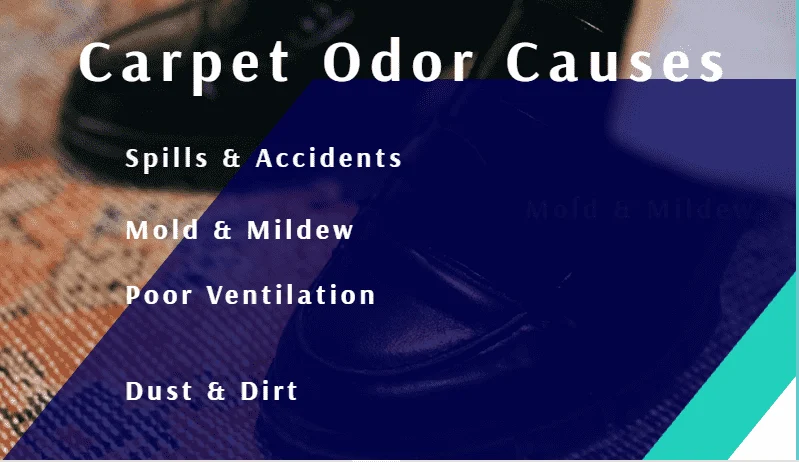
Before tackling the problem, it helps to know why carpets develop smells in the first place. Most odors are trapped in the carpet fibers, the backing, or the padding underneath. When moisture, organic matter, or chemicals seep into these layers, bacteria and mold begin to break down the material, releasing volatile compounds that our noses detect as “stale,” “musty,” or “pet‑like.” Common culprits include:
- Spilled food or drinks that soak into the padding.
- Pet accidents, especially urine, which contains nitrogen that fuels bacterial growth.
- High humidity environments that encourage mold.
- Smoke from cigarettes or cooking.
- Foot traffic that pushes dirt and sweat deep into the pile.
Understanding the source guides you toward the most effective method of removal. For instance, a urine stain requires an enzymatic cleaner that breaks down proteins, while a smoke odor may need activated charcoal or an ozone treatment.
How to Get Odors Out of Carpet – Basic Home Remedies
Most households can eliminate everyday smells with items already in the kitchen cabinet. These DIY approaches are safe for most carpet types, cost‑effective, and can be repeated as needed. Below are three proven methods, each with a clear step‑by‑step process.
How to Get Odors Out of Carpet with Baking Soda
Baking soda is a natural deodorizer that absorbs acidic and basic molecules alike. Here’s how to use it effectively:
- Vacuum the carpet thoroughly to remove loose debris.
- Sprinkle a generous layer of baking soda over the affected area—about a quarter‑inch thick.
- Let the powder sit for at least 4 hours; overnight works best for stubborn smells.
- Vacuum again, using a high‑efficiency filter if possible, to pull the odor‑laden particles out.
For larger rooms, you can spread the soda on the entire carpet, allowing the fresh scent to linger throughout the space.
How to Get Odors Out of Carpet Using a Vinegar Solution
White distilled vinegar neutralizes alkaline odors and helps break down organic residues. Follow these steps for a balanced cleaning solution:
- Mix one part white vinegar with three parts warm water in a spray bottle.
- Add a few drops of a mild dish soap for extra cleaning power (optional).
- Lightly mist the carpet—avoid soaking it to prevent mold growth.
- Allow the carpet to air‑dry completely; the vinegar smell will dissipate as it dries.
Vinegar works particularly well on coffee, wine, or pet odors. Test a small hidden area first to ensure colorfastness.
How to Get Odors Out of Carpet with Enzymatic Cleaners
Enzymatic cleaners contain proteins that digest the organic compounds responsible for foul smells. They are especially useful for pet urine or vomit. Use them as follows:
- Blot the spill with a clean towel to absorb as much liquid as possible.
- Apply the enzymatic solution liberally, ensuring it reaches the padding.
- Let it sit for the manufacturer‑recommended time (usually 10–15 minutes).
- Blot again and allow the carpet to dry fully.
Unlike chemical deodorizers, enzymatic cleaners destroy the odor source rather than merely masking it.
Professional Cleaning Options – When to Call the Experts
While DIY methods handle most everyday smells, certain scenarios demand professional equipment. If an odor persists after multiple home treatments, it may have penetrated deep into the carpet backing or subfloor. Professional services can provide the deep extraction and specialized treatments that regular vacuums cannot achieve.
How to Get Odors Out of Carpet with Steam Cleaning
Steam (or hot water extraction) machines inject hot water and cleaning agents into the carpet, then vacuum the mixture back out. The high temperature kills bacteria and loosens trapped particles. Here’s why it’s effective:
- The heat breaks down stubborn stains that house odor‑producing microbes.
- The powerful suction removes both the cleaning solution and the dissolved contaminants.
- Most professional cleaners use eco‑friendly detergents that won’t discolor your carpet.
Schedule a steam cleaning at least once a year for high‑traffic areas, or after a major spill. Many companies also offer “odor‑neutralizing” add‑ons that incorporate ozone or UV light.
Dry‑Cleaning Powder Systems
For delicate fibers (like wool or silk), a dry‑cleaning powder can be a gentler alternative. The powder absorbs dirt and odors, then is vacuumed away. This method avoids excess moisture, reducing the risk of mold.
Ask your cleaning professional whether a dry‑powder system is appropriate for your carpet type. They’ll also advise on the drying time and any post‑treatment care.
Preventive Measures – Keep Your Carpets Fresh Long‑Term
Eliminating odors is only half the battle; preventing them saves time, money, and stress. The following habits integrate seamlessly into everyday home life and support a clean, inviting carpet.
How to Get Odors Out of Carpet Prevention Tips
- Routine Vacuuming: At least twice a week in high‑traffic zones; use a vacuum with a HEPA filter to trap fine particles.
- Spot Clean Immediately: Blot spills within minutes; the longer a liquid sits, the deeper it penetrates.
- Use Door Mats and Rugs: Place absorbent mats at entrances to reduce tracked‑in dirt and moisture.
- Control Indoor Humidity: Keep indoor humidity between 30‑50 % with a dehumidifier to inhibit mold growth.
- Rotate Furniture: Shift heavy furniture periodically to avoid compression that can trap odors.
These simple actions complement the more intensive cleaning methods described earlier, ensuring that each carpet fiber stays breathable and odor‑free.
Quick Tips for Immediate Odor Relief
When you need a fast fix—perhaps before guests arrive—try these rapid‑action ideas:
- Sprinkle a thin layer of baking soda, let sit 30 minutes, then vacuum.
- Place a bowl of white vinegar in the room for a few hours; it will absorb lingering smells.
- Use an air purifier with a charcoal filter to capture airborne odor molecules.
- Run a steam mop over low‑pile areas (test for colorfastness first).
- Light a scented candle with a mild, natural fragrance like lavender to mask mild odors temporarily.
Common Mistakes When Removing Carpet Odors
Even well‑intentioned homeowners can unintentionally worsen the problem. Avoid these pitfalls:
- Over‑Saturating the Carpet: Excess water invites mold; always use a damp—not soaking—method.
- Skipping the Padding: Odors often reside in the underlay; neglecting it leaves the source untouched.
- Using Harsh Chemicals: Bleach or ammonia can damage fibers and create new smells.
- Neglecting Air Circulation: Close windows trap humidity; open a window or use fans to speed drying.
- Relying Solely on Fragrances: Masking scents doesn’t solve the underlying issue and can mix unpleasantly.
By recognizing these errors, you can adjust your approach and achieve cleaner, healthier carpets.
Frequently Asked Questions
Can I use carpet shampoo for odor removal?
Carpet shampoos are designed mainly for surface cleaning. They may lift some stains but often leave residues that trap odors. For persistent smells, enzymatic cleaners or professional extraction work better.
How long does it take for a carpet to dry after cleaning?
Drying time varies by humidity, carpet thickness, and cleaning method. Steam‑cleaned carpets typically need 6‑12 hours, while powder‑dry methods can dry within 2‑4 hours. Ensure proper ventilation to speed up the process.
Will baking soda damage my carpet fibers?
Baking soda is safe for most synthetic and natural fibers when used in moderate amounts. It’s a mild abrasive, so avoid scrubbing aggressively; simply let it sit and vacuum.
Do pet owners need special products?
Yes. Pet urine contains uric acid that can re‑solidify if not fully broken down. Enzymatic cleaners specifically target these compounds, preventing re‑odorization.
Is professional ozone treatment safe for families?
Ozone generators are effective but must be used when the area is unoccupied. Ozone can irritate lungs, so schedule treatment when no one is home and ventilate thoroughly afterward.
For more design inspiration, see our guide on small apartment interior ideas that incorporate low‑maintenance flooring.
If you have furry friends, you might wonder why dogs scratch at the carpet and how to protect both the floor and your pet.
Need to fix a damaged rug after cleaning? Check out how to repair a braided rug for a seamless finish.
By applying these strategies, you’ll not only master how to get odors out of carpet but also maintain a healthier, more inviting home environment.
Keeping carpets fresh is a blend of timely action, the right products, and regular maintenance. Whether you choose a quick baking‑soda sprinkle, a vinegar mist, or a professional steam extraction, each method contributes to a cleaner, more pleasant living space. Embrace these practices, experiment with the tips that suit your lifestyle, and enjoy the confidence that comes from walking on truly fresh floors.