
Table of Contents
- Factors to consider when choosing fertilizer for hanging baskets
- Factors to consider when choosing fertilizer for hanging baskets: Plant type and growth habit
- Soil composition and its impact on fertilizer efficiency
- Climate, seasonality, and watering habits
- Design goals: Colour, texture, and the role of fertilizer in visual harmony
- Environmental sustainability and safety considerations
- Quick Home‑Styling Tips for Hanging Baskets
- Common Mistakes When Fertilizing Hanging Baskets and How to Avoid Them
- Frequently Asked Questions
- Conclusion
Factors to Consider When Choosing Fertilizer for Hanging Baskets – A Home‑Styling Guide
Hanging baskets add a splash of colour and movement to balconies, porches, and even indoor corners. Yet their success hinges on more than just a pretty pot and a sunny spot; the right fertilizer can be the difference between a drooping display and a thriving, eye‑catching arrangement. For homeowners and renters who love blending greenery with modern décor, understanding the nuances of feeding these suspended gardens is essential.
In this article we’ll walk through the key variables that influence fertilizer selection, from the type of plants you’re showcasing to the micro‑climate around your home. You’ll come away with practical, design‑forward strategies that keep your hanging baskets lush while complementing the overall aesthetic of your space.
Factors to consider when choosing fertilizer for hanging baskets
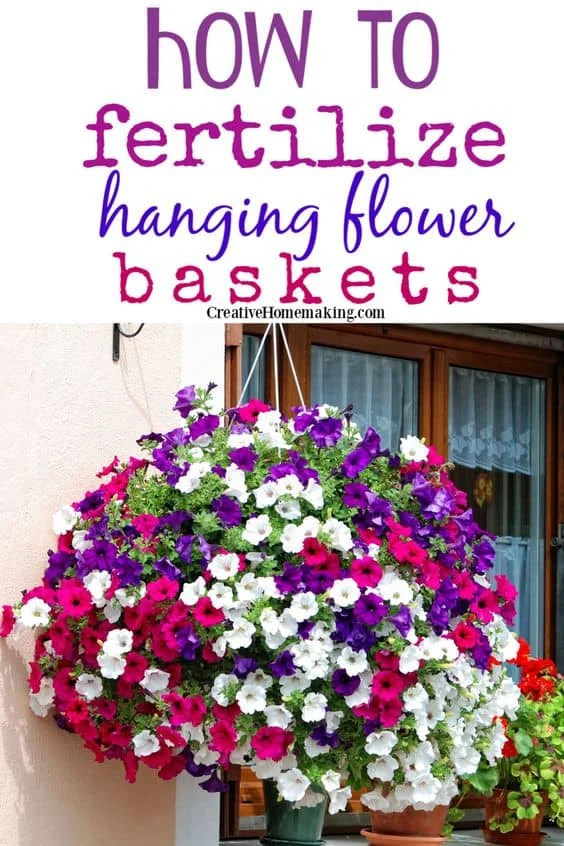
When you first glance at a hanging basket, the visual impact is immediate, but beneath the surface lies a delicate balance of nutrients. The primary factor is the nutrient ratio—typically expressed as N‑P‑K (nitrogen, phosphorus, potassium). For most flowering baskets, a balanced formula such as 10‑10‑10 works well, but if you’re focusing on foliage, a higher nitrogen blend (e.g., 20‑10‑10) will promote leaf growth. Conversely, a bloom‑boosting mix with more phosphorus (e.g., 5‑15‑10) can extend the flowering period of petunias, geraniums, or lobelia.
Another crucial consideration is the release mechanism. Slow‑release granular fertilizers dissolve gradually, providing a steady supply of nutrients over weeks or months—ideal for the limited soil volume in hanging baskets. Liquid concentrates, on the other hand, allow for quick adjustments based on plant response, making them useful during peak growth phases or when you notice signs of nutrient deficiency.
Factors to consider when choosing fertilizer for hanging baskets: Plant type and growth habit
Not all plants thrive on the same feeding schedule. Succulents and cacti, often used in modern, minimalist hanging displays, prefer low‑fertilizer regimes; a diluted, low‑nitrogen formula applied once a month is sufficient. In contrast, fast‑growing annuals like impatiens or begonias benefit from a richer blend applied every two weeks during the growing season.
Understanding the growth habit also helps you decide on application method. Vining plants such as sweet peas benefit from a liquid feed that can be absorbed through their foliage, while compact mound‑forming varieties respond better to granular feeds mixed directly into the potting medium.
Soil composition and its impact on fertilizer efficiency
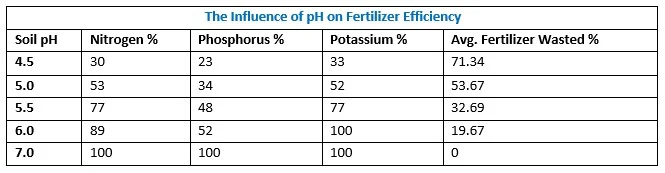
The medium inside a hanging basket is typically a lightweight mix of peat, perlite, and compost. Because these mixes retain less water than garden soil, nutrients can leach quickly, especially after rain or frequent watering. Selecting a fertilizer that includes a moisture‑retaining component—such as a polymer coating—helps keep nutrients available longer.
It’s also wise to test the pH of your basket’s soil. Most flowering plants prefer slightly acidic to neutral conditions (pH 6.0‑7.0). If the soil is too alkaline, the plant may struggle to absorb iron and other micronutrients, leading to chlorosis. In such cases, a fertilizer formulated with chelated micronutrients or a soil amendment like elemental sulfur can restore balance.
Climate, seasonality, and watering habits
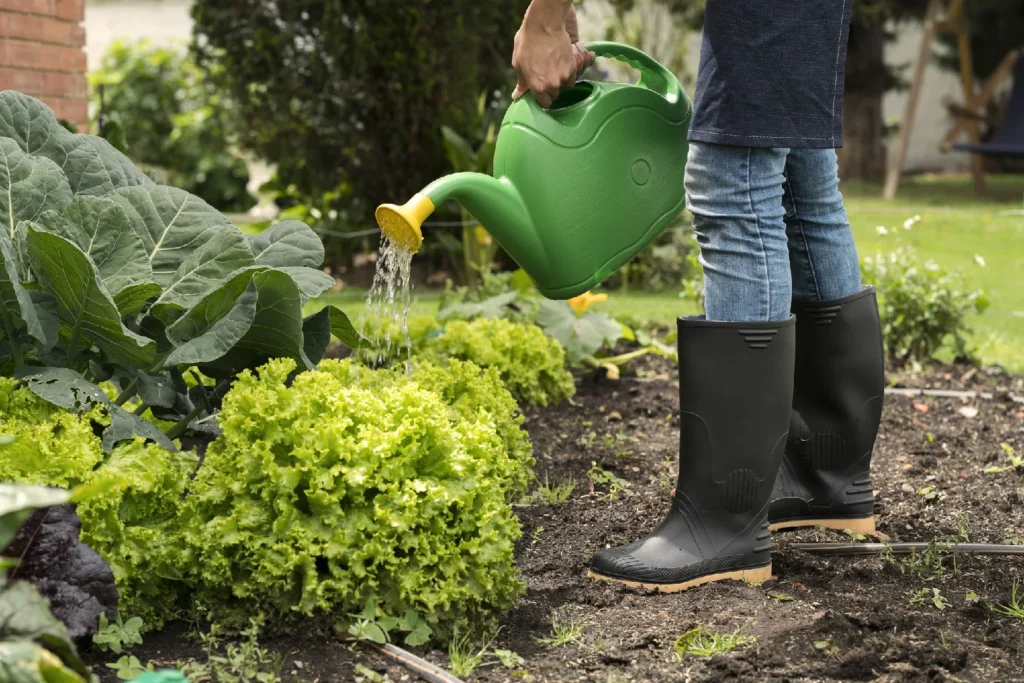
Outdoor hanging baskets are exposed to wind, sun, and rain—factors that influence how often you need to fertilize. In hot, dry climates, water evaporates rapidly, taking soluble nutrients with it. Here, a slow‑release granular fertilizer with a protective coating is advantageous because it releases nutrients gradually, even as the soil dries out.
During cooler months, many plants enter a semi‑dormant state, reducing their nutrient uptake. Switching to a low‑strength feed (or pausing fertilization altogether) prevents the buildup of salts that can damage roots. For indoor hanging baskets, temperature fluctuations are less extreme, but lighting conditions (natural vs. artificial) still dictate the feeding schedule. If you rely on grow lights, a balanced, water‑soluble fertilizer applied weekly can keep growth vigorous.
Design goals: Colour, texture, and the role of fertilizer in visual harmony
From a décor perspective, the choice of fertilizer indirectly influences the visual outcome of your hanging baskets. Over‑fertilizing can produce excessive foliage that obscures flower colour, while under‑feeding may lead to sparse blooms that fail to make a statement against a modern interior backdrop.
If your design goal is a bold, monochromatic display—say, all‑red petunias on a sleek black metal basket—opt for a bloom‑focused fertilizer that encourages abundant, uniform flowers. For a mixed‑texture arrangement featuring both foliage and flowers, a balanced feed that supports both leaf growth and bloom production will keep the composition harmonious.
Environmental sustainability and safety considerations
Eco‑conscious homeowners often look for fertilizers that minimize runoff and protect beneficial insects. Organic options such as composted bone meal, fish emulsion, or seaweed extracts provide nutrients in a natural form and are less likely to harm pollinators that may visit your hanging baskets.
When selecting a fertilizer, check for certifications like OMRI‑listed (Organic Materials Review Institute) or low‑phosphate formulations if you’re near waterways. Additionally, consider the container material; biodegradable pots paired with organic fertilizer create a fully sustainable hanging‑basket system that aligns with modern green‑living trends.
Quick Home‑Styling Tips for Hanging Baskets
- Choose a lightweight, breathable fabric pot for a boho‑chic look; pair with a slow‑release granular fertilizer for low‑maintenance colour.
- Mix a dash of liquid seaweed concentrate into your watering routine during peak bloom for an extra boost of natural nutrients.
- Rotate baskets weekly to ensure even light exposure, which helps the fertilizer work uniformly across all plants.
Common Mistakes When Fertilizing Hanging Baskets and How to Avoid Them
- Over‑fertilizing: Applying too much fertilizer creates salt buildup, leading to leaf scorch. Follow label instructions and adjust based on plant response.
- Ignoring drainage: Hanging baskets rely on excess water draining away. Using a fertilizer that clogs the pot’s holes can cause root rot.
- One‑size‑fits‑all approach: Different plant families have unique nutrient needs. Tailor your fertilizer choice to the specific species in each basket.
Frequently Asked Questions
What is the best fertilizer for a mixed‑flower hanging basket?
A balanced, slow‑release granular fertilizer with an N‑P‑K ratio of 10‑10‑10 works well for mixed‑flower arrangements. It provides steady nutrition without overwhelming any single species, allowing both foliage and blooms to thrive.
Can I use the same fertilizer for indoor and outdoor hanging baskets?
While the same base formula can be used, outdoor baskets often face leaching from rain, so a coated slow‑release product is preferable. Indoor baskets benefit from water‑soluble feeds that can be mixed into the watering routine for precise control.
How often should I fertilize hanging baskets during the summer?
In hot weather, fertilize every two weeks with a slow‑release granule or weekly with a diluted liquid feed. Monitor plant vigor; if growth slows, increase the frequency slightly, but avoid exceeding the recommended dosage.
Do ornamental grasses need fertilizer in hanging baskets?
Grasses have lower nutrient demands than flowering annuals. A light feeding of a nitrogen‑rich fertilizer once a month is sufficient to keep them upright and healthy without encouraging excessive growth.
Is it safe to use organic fertilizers around pets?
Most organic fertilizers, such as fish emulsion or compost tea, are low in toxicity. However, always keep the baskets out of reach of curious pets, especially if the fertilizer is applied in concentrated form.
What should I do if my hanging basket shows yellowing leaves?
Yellowing often signals a nitrogen deficiency or over‑watering. Test the soil pH, adjust watering, and apply a nitrogen‑rich fertilizer at half the recommended strength. Watch for improvement over the next week.
Conclusion
Choosing the right fertilizer for hanging baskets is a blend of science and style. By evaluating plant type, soil composition, climate, and your design ambitions, you can select a feeding regimen that keeps your suspended garden thriving while enhancing the overall aesthetic of your home. Remember to match the nutrient release rate to your watering habits, respect seasonal changes, and consider sustainable options whenever possible. With these factors in mind, your hanging baskets will become a living showcase of colour and texture, perfectly aligned with modern home décor trends. For more inspiration on integrating greenery into compact spaces, explore our guide on small apartment interior ideas and discover how a well‑fed hanging basket can transform even the tiniest balcony.