
Table of Contents
- how to get kitty litter out of carpet: Immediate Steps
- Understanding the Types of Litter and Their Impact on Carpet Fibers
- Clumping Clay
- Silica Gel Crystals
- Biodegradable Pellets
- how to get kitty litter out of carpet – Stain Removal Techniques
- DIY Baking Soda & Vinegar Method
- Enzyme Cleaner for Organic Stains
- Professional Carpet Shampoo
- Deep Cleaning with Home‑Friendly Solutions
- Preventive Measures for Future Accidents
- Quick Tips for Immediate Clean‑Up
- Common Mistakes When Removing Kitty Litter from Carpet
- Frequently Asked Questions
- Can I use a steam cleaner to remove kitty litter stains?
- Will baking soda leave a residue on the carpet?
- How often should I deep clean my carpet if I have a cat?
- Is there a specific type of carpet that resists kitty litter tracking?
- Can professional carpet cleaners handle kitty litter stains better than DIY methods?
- Does the color of my carpet affect how well I can see and remove litter?
How to Get Kitty Litter Out of Carpet: A Complete Guide for Pet‑Friendly Homes
Living with a cat brings joy, companionship, and occasionally a few messes that can test even the most diligent homeowner. One of the most common nuisances is kitty litter that ends up on the carpet—whether it’s a stray paw, a tossed scoop, or a tiny tumble during playtime. When this happens, the first instinct is to panic, but a calm, methodical approach can rescue your carpet from lingering grit, odors, and stubborn stains.
In this article, we’ll walk you through everything you need to know about how to get kitty litter out of carpet, from the quick actions you can take the moment you notice the spill to the deeper cleaning techniques that restore the fibers to their original brilliance. By the end, you’ll feel confident that a little feline accident doesn’t have to turn into a lasting eyesore.
Whether you’re a first‑time cat parent, a seasoned pet lover, or simply looking for practical home‑maintenance advice, the steps outlined here blend proven cleaning science with interior design sensibility—so your carpet stays beautiful, fresh, and ready for any décor plan you have in mind.
how to get kitty litter out of carpet: Immediate Steps
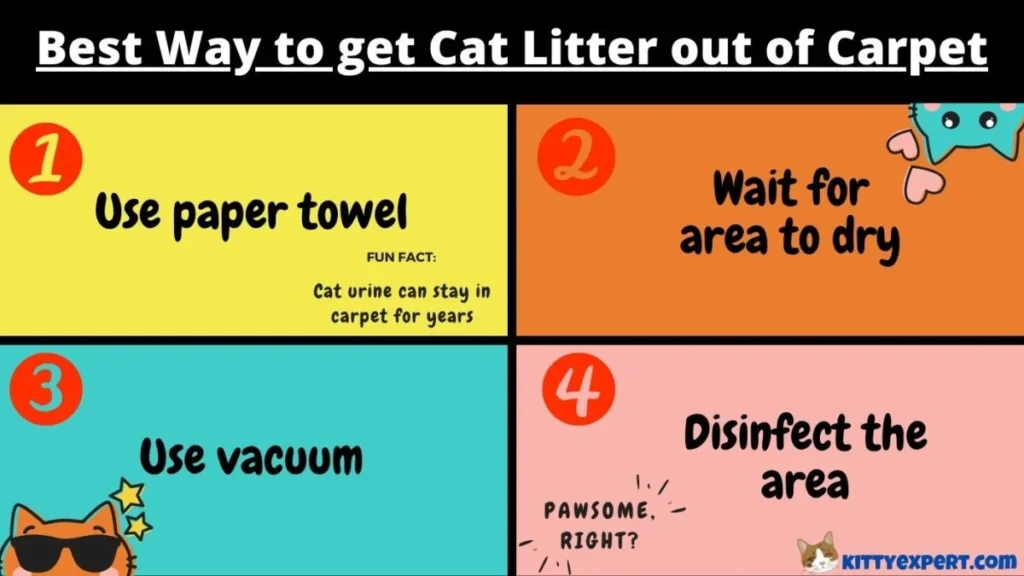
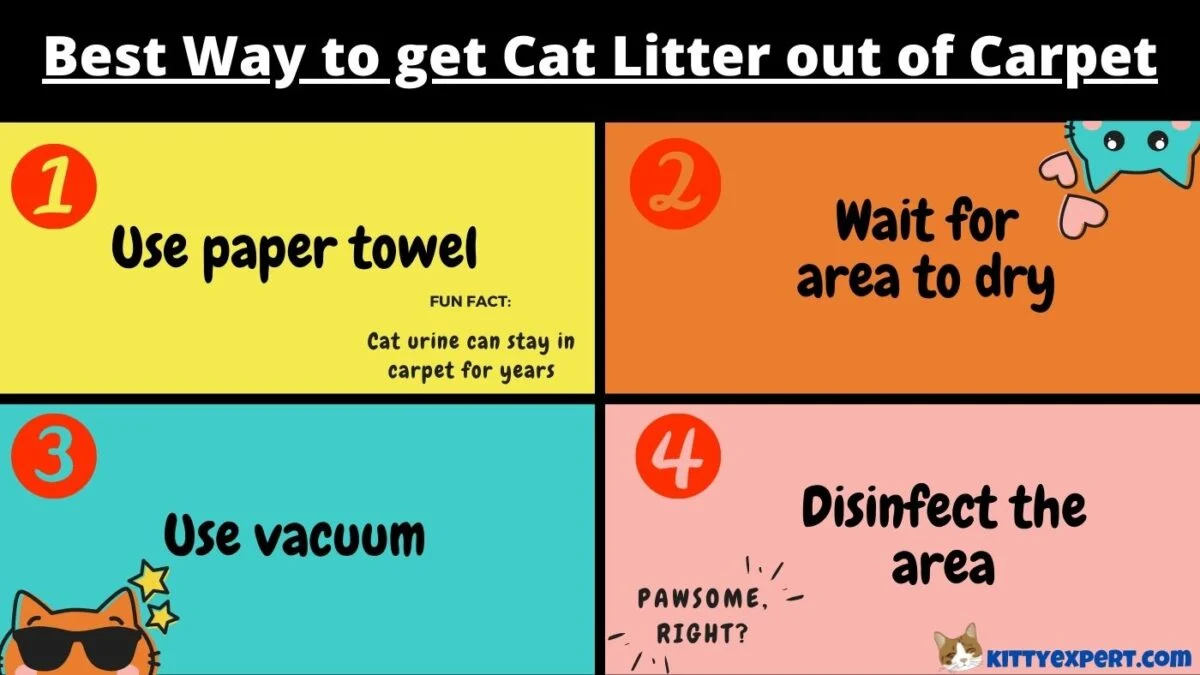
The speed of your response often determines how easy it will be to get kitty litter out of carpet. Acting within the first few minutes prevents the granules from embedding deeper into the fibers and reduces the risk of odor development. Follow these quick actions:
- Gather tools. You’ll need a clean, dry brush or a soft‑bristled broom, a vacuum with a strong suction setting, and a shallow container for the litter.
- Remove loose particles. Gently sweep the litter toward a central point using the brush, being careful not to push it further into the pile.
- Vacuum carefully. Set the vacuum to its highest suction and use a narrow nozzle. Run it over the area slowly, overlapping each pass to capture any remaining granules.
- Avoid rubbing. Rubbing can force the litter deeper; instead, lift and shake the carpet if it’s a small rug.
These initial steps are essential for how to get kitty litter out of carpet without causing additional damage. If you find that a few specks are still embedded after vacuuming, don’t worry—there are effective stain‑removing methods you can apply next.
Understanding the Types of Litter and Their Impact on Carpet Fibers
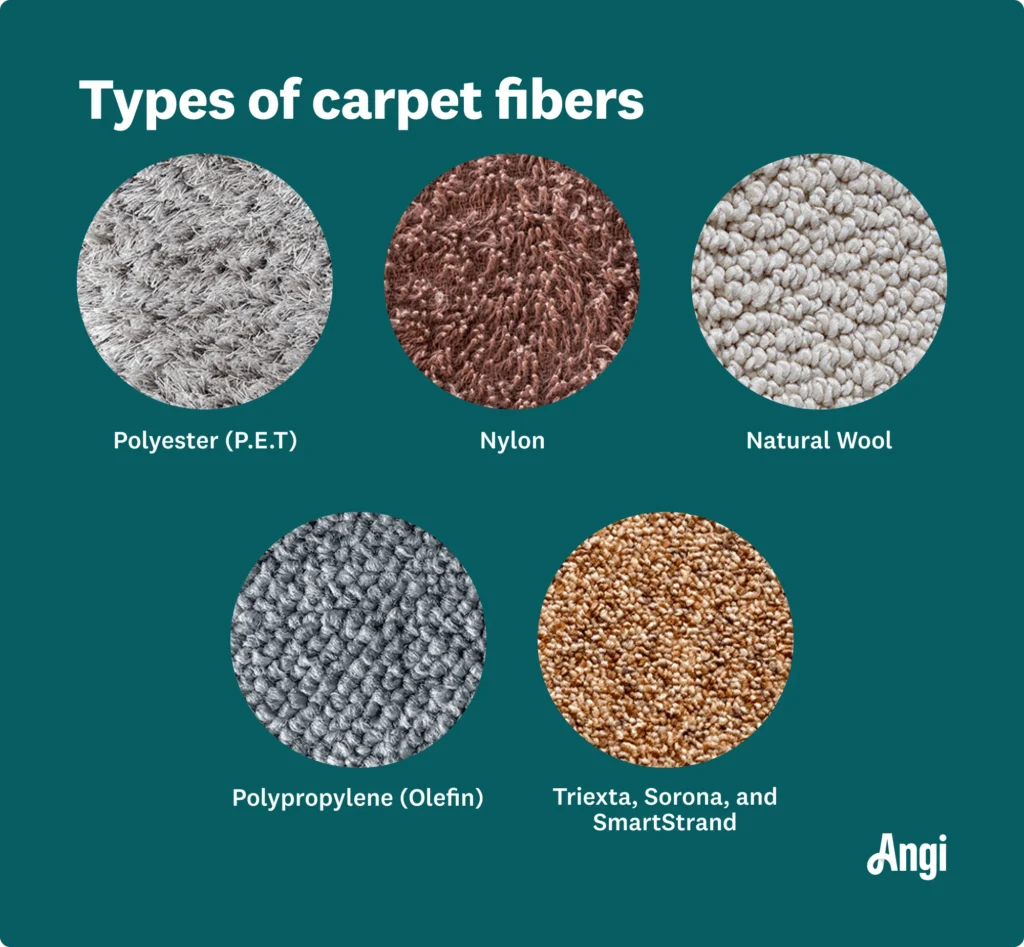
Not all kitty litters behave the same way. The most common varieties—clumping clay, silica gel crystals, and biodegradable corn‑based pellets—interact differently with carpet fibers.
Clumping Clay
Clumping clay tends to stick together when wet, which can create a paste that adheres to the carpet weave. When learning how to get kitty litter out of carpet, it’s important to treat clumping litter with a mild cleaning solution to break down the clumps before blotting.
Silica Gel Crystals
Silica crystals are lightweight and may scatter widely. Their smooth texture can be lifted relatively easily, but they can also leave a fine residue that feels gritty underfoot if not fully removed.
Biodegradable Pellets
These pellets dissolve faster when exposed to moisture, potentially releasing organic stains. Prompt action—using the “immediate steps” above—helps prevent the organic matter from bonding with carpet fibers.
Knowing which type of litter you use allows you to tailor the cleaning approach, ensuring that your strategy for how to get kitty litter out of carpet is both efficient and safe for the material.
how to get kitty litter out of carpet – Stain Removal Techniques
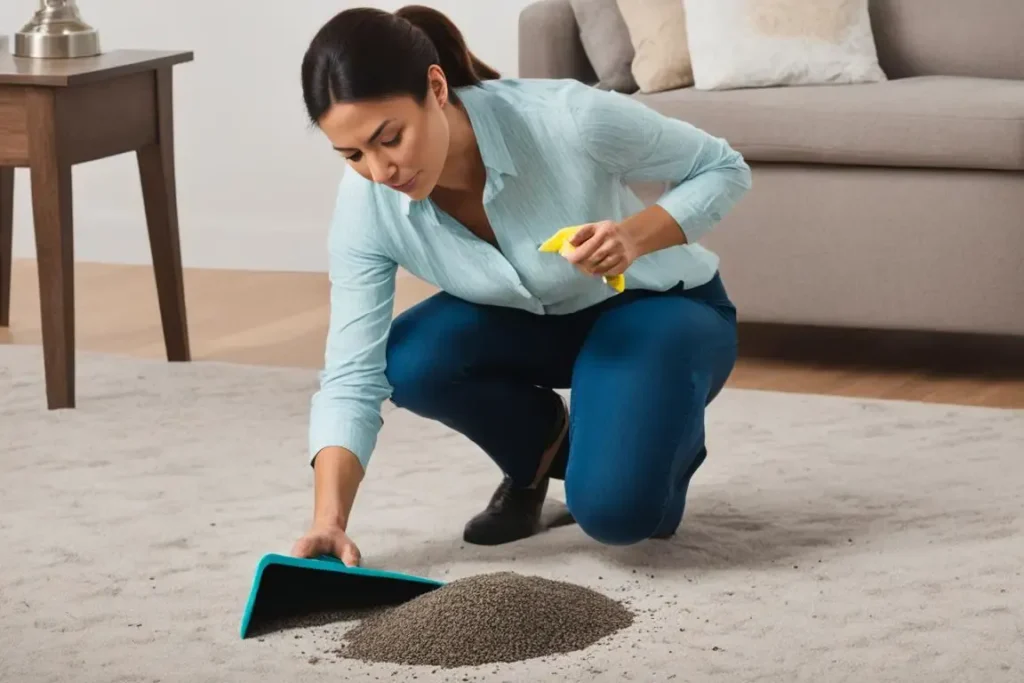
After you’ve cleared the loose particles, the next challenge is any discoloration or odor that may have settled. Below are proven techniques that keep your carpet looking fresh while respecting its texture.
DIY Baking Soda & Vinegar Method
- Sprinkle a generous layer of baking soda over the affected area; let it sit for 10‑15 minutes to absorb moisture and odor.
- Mix equal parts white vinegar and warm water in a spray bottle. Lightly mist the area—avoid soaking.
- Allow the solution to fizz and work for a few minutes, then blot with a clean white cloth. Repeat until the stain lifts.
- Vacuum the dried baking soda residue.
Enzyme Cleaner for Organic Stains
For biodegradable pellet stains, an enzyme‑based cleaner breaks down organic compounds. Apply the cleaner according to the manufacturer’s instructions, let it sit for the recommended dwell time, and then blot with a damp cloth.
Professional Carpet Shampoo
If the stain persists, consider a low‑foam carpet shampoo. Test a small hidden area first to ensure colorfastness. Work the shampoo into the fibers with a soft brush, then rinse with a lightly dampened cloth and blot dry.
These stain‑removing steps are integral to mastering how to get kitty litter out of carpet while preserving the carpet’s original hue and texture.
Deep Cleaning with Home‑Friendly Solutions
Sometimes, a thorough deep clean is the best way to ensure that every grain of litter and any hidden odor are eliminated. Here’s a step‑by‑step routine that blends household ingredients with professional‑grade results.
- Prepare a cleaning solution. Combine 2 cups of warm water, 1 tablespoon of mild dish soap, and 1 tablespoon of white vinegar.
- Test the solution. Apply a small amount to an inconspicuous spot and wait 5 minutes; if the color remains unchanged, proceed.
- Apply with a spray bottle. Lightly mist the carpet, focusing on the area where the litter was.
- Work with a soft brush. Use circular motions to loosen any remaining particles.
- Blot with a microfiber cloth. Press firmly to absorb moisture; repeat until the carpet feels dry to the touch.
- Finish with a dry‑air fan. Speed up drying and prevent mildew.
For homes that favor a modern aesthetic, pairing this deep‑clean routine with a minimalist gallery wall can keep the space feeling fresh and cohesive after the cleaning process.
Preventive Measures for Future Accidents
Even with the best cleaning knowledge, prevention is the smartest strategy for how to get kitty litter out of carpet in the long term. Consider these proactive steps:
- Use a litter mat. Place a high‑traction mat directly outside the litter box to catch stray granules before they reach the carpet.
- Choose a low‑tracking litter. Crystal or pellet litters tend to stay contained better than fine clay.
- Cover high‑traffic carpet areas. Temporary rugs or runners can protect valuable flooring while still fitting a stylish entryway décor scheme.
- Regularly vacuum the surrounding area. A weekly vacuum routine reduces the build‑up of fine particles that could be dragged onto the carpet.
Implementing these measures reduces the frequency of having to figure out how to get kitty litter out of carpet, allowing you to focus on other interior design projects such as selecting the perfect minimalist bedroom rug that complements your pet‑friendly home.
Quick Tips for Immediate Clean‑Up
- Keep a small hand‑held vacuum in the room where the litter box resides.
- Blot, don’t rub, when applying any liquid cleaning solution.
- Use a dry microfiber towel to absorb excess moisture before it seeps into the backing.
- Rotate the carpet area regularly to distribute foot traffic evenly and prevent wear.
Common Mistakes When Removing Kitty Litter from Carpet
Even seasoned pet owners can slip into habits that make the cleaning process harder. Here are some pitfalls to avoid:
- Using excessive water. Over‑wetting the carpet can cause the litter to spread and may lead to mold growth.
- Skipping the vacuum after sweeping. Loose granules left behind will settle deeper over time.
- Choosing harsh chemicals. Strong detergents can damage the carpet’s backing and fade colors.
- Neglecting to test cleaners. Always test a small hidden area to protect against discoloration.
By steering clear of these errors, your approach to how to get kitty litter out of carpet becomes more efficient, safer, and ultimately more satisfying.
Frequently Asked Questions
Can I use a steam cleaner to remove kitty litter stains?
Yes, a steam cleaner can be effective, especially for clumping clay. However, use the lowest steam setting and avoid saturating the carpet. Follow up with a dry blot to prevent moisture buildup.
Will baking soda leave a residue on the carpet?
If left for too long, baking soda can create a faint powdery layer. The recommended 10‑15 minute dwell time, followed by thorough vacuuming, eliminates any residue.
How often should I deep clean my carpet if I have a cat?
For households with cats, a deep clean every 3‑4 months is advisable. This schedule helps control odors and removes microscopic litter particles that regular vacuuming might miss.
Is there a specific type of carpet that resists kitty litter tracking?
Low‑pile, tightly woven synthetic fibers tend to trap fewer particles than high‑pile or plush carpets. Consider these options when redesigning a pet‑friendly space.
Can professional carpet cleaners handle kitty litter stains better than DIY methods?
Professional services have specialized equipment and stronger, carpet‑safe solvents that can lift stubborn stains. If a DIY attempt fails after two tries, it may be time to call in the pros.
Does the color of my carpet affect how well I can see and remove litter?
Lighter carpets reveal litter more readily, making it easier to see stray granules. Dark carpets can hide particles, so extra vigilance—such as using a flashlight—helps when learning how to get kitty litter out of carpet.
By integrating these practical insights into your routine, you’ll find that tackling kitty litter mishaps becomes a straightforward part of home maintenance rather than a dreaded chore.
Keeping your carpet immaculate while sharing your home with a feline friend is entirely achievable. Start with rapid removal, follow up with targeted stain treatment, and finish with a deep clean that respects both the carpet fibers and your interior design vision. With preventive measures in place, future clean‑ups will be quicker, and your living spaces will stay stylish and fresh.