
Table of Contents
- Understanding Carpet Bumps and Why They Occur
- Identify the Common Causes of Carpet Bumps
- Simple DIY Fixes: Tools and Step‑by‑Step Methods
- Step‑by‑Step: how to fix carpet bumps with a knee kicker
- When to Call a Professional Carpet Installer
- Maintaining a Smooth Carpet Surface Over Time
- Tools and Materials Checklist for Carpet Repair
- Quick Tips for Immediate Carpet Smoothing
- Common Mistakes to Avoid When Fixing Carpet Bumps
- Frequently Asked Questions
How to Fix Carpet Bumps: A Complete DIY Guide
Carpet bumps can turn a beautifully styled room into a visual distraction and a tripping hazard. Whether you’ve just moved into a new space or you’re refreshing an existing room, those uneven ripples often signal a deeper issue with the carpet’s installation or the subfloor beneath it. Understanding the root cause and learning practical methods to correct the problem not only restores the sleek look of your flooring but also protects your family from potential falls.
In this article, we’ll walk you through everything you need to know about how to fix carpet bumps, from quick DIY tricks you can try with household tools to the signs that it’s time to call a professional. By the end, you’ll feel confident tackling those stubborn creases, ensuring your home maintains the polished aesthetic that modern interior design demands.
Understanding Carpet Bumps and Why They Occur
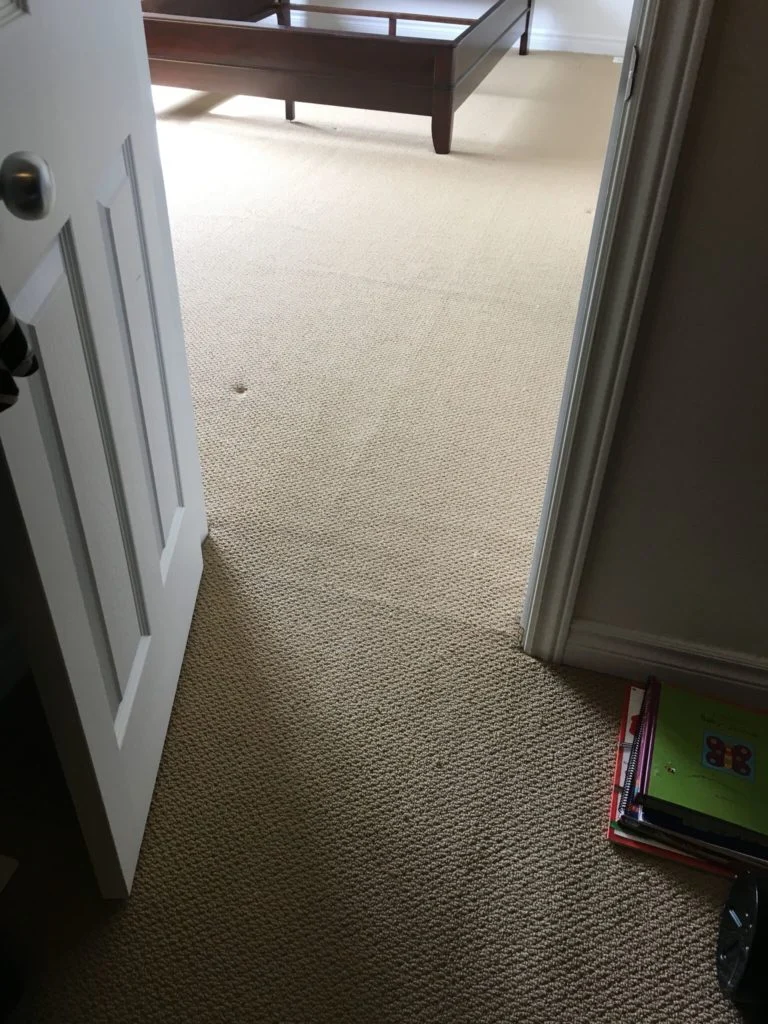
Before diving into solutions, it’s essential to grasp what creates carpet bumps in the first place. Most bumps appear when the carpet loses its tension against the tack strip or when the padding underneath shifts. Moisture, temperature changes, and heavy furniture can also cause the carpet to lift, forming visible ridges that disrupt the visual flow of a room.
Knowing the underlying cause helps you choose the most effective method for how to fix carpet bumps. For example, a simple stretch issue may be resolved with a knee kicker, while water damage to the padding could require a more extensive repair. By diagnosing the problem early, you avoid costly re‑installation and keep your living space looking fresh.
Identify the Common Causes of Carpet Bumps
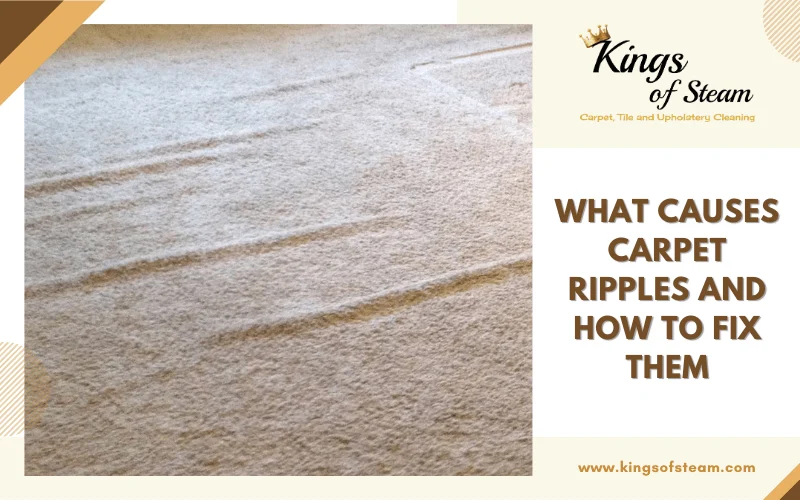
Spotting the exact trigger for carpet bumps empowers you to apply the right fix. Here are the most frequent culprits:
- Improper Installation: If the carpet wasn’t stretched tightly enough during the original install, it will naturally form waves over time.
- Padding Displacement: Shifting or compressing of the underlay can create pockets that push the carpet up.
- Moisture Intrusion: Leaks or high humidity can cause the backing to swell, lifting the carpet fibers.
- Heavy Furniture: Constant weight can compress the padding and cause the carpet to bulge around the legs.
- Subfloor Imperfections: Uneven joists or gaps in the subfloor can translate directly to surface irregularities.
Once you’ve pinpointed the cause, you can apply a targeted approach to how to fix carpet bumps, ensuring a lasting solution rather than a temporary patch.
Simple DIY Fixes: Tools and Step‑by‑Step Methods

For many homeowners, fixing carpet bumps is a manageable DIY project. Below is a concise, practical guide that covers the most common scenarios.
Step‑by‑Step: how to fix carpet bumps with a knee kicker
- Clear the area of furniture and vacuum the carpet to remove debris.
- Locate the nearest wall or a sturdy piece of baseboard where you can anchor the knee kicker.
- Insert the knee kicker’s tip under the carpet near the bump and press firmly, using your knee to drive the tool forward. This stretches the carpet back toward the wall.
- Repeat the process along the length of the bump, working slowly to avoid tearing.
- Secure the stretched edge by pressing it firmly against the tack strip; a hammer can help seat the strip if needed.
If the bump persists after stretching, consider these additional fixes:
- Use a power stretcher: For larger rooms, a power stretcher provides more leverage than a knee kicker.
- Re‑adhere the padding: Lift the carpet gently, replace or re‑secure the padding with carpet tape, then re‑stretch.
- Seal moisture: Apply a moisture‑resistant sealant to the subfloor if water is the root cause.
These methods are straightforward, cost‑effective, and often sufficient for most residential situations. For a deeper dive into carpet flexibility, see our article on how much does carpet stretch.
When to Call a Professional Carpet Installer
While DIY solutions work for many scenarios, there are times when professional help is the safest choice. If you encounter any of the following, it’s wise to seek expert assistance:
- Repeated bumps after multiple DIY attempts.
- Visible damage to the carpet backing or padding.
- Signs of mold or persistent moisture problems.
- Complex subfloor issues, such as uneven joists or squeaky floors.
A certified installer has specialized equipment, like high‑capacity power stretchers and seam rollers, that ensure an even tension across the entire carpet. Moreover, professionals can assess whether the carpet itself is beyond repair, potentially saving you from a costly redo later on.
Maintaining a Smooth Carpet Surface Over Time
Prevention is often easier than correction. Here are a few habit changes that help you maintain a flawless floor and reduce the need to relearn how to fix carpet bumps:
- Use furniture coasters under heavy legs to distribute weight evenly.
- Rotate rugs and area mats regularly to avoid pressure points.
- Maintain indoor humidity between 30‑50% to prevent swelling.
- Schedule periodic professional inspections, especially after renovations.
Adopting these simple practices extends the life of your carpet, keeps the aesthetic consistent, and supports the overall interior design theme of your home. For more styling inspiration, explore our guide on Living Room Décor with Warm Table Lamps.
Tools and Materials Checklist for Carpet Repair
Having the right tools on hand streamlines the process of how to fix carpet bumps. Below is a quick inventory you may want to assemble before starting:
- Knee kicker or power stretcher
- Carpet knife or utility blade
- Carpet tape or adhesive
- Hammer and tack strip
- Measuring tape and marker
- Moisture meter (optional for detecting hidden water)
Even if you’re a seasoned DIYer, a well‑organized toolbox can make the repair smoother and reduce the chance of damaging the carpet further.
Quick Tips for Immediate Carpet Smoothing
- Warm the carpet slightly with a hair dryer before stretching; warm fibers are more pliable.
- Place a heavy book on the bump overnight to gently press it flat.
- Apply a thin layer of carpet adhesive under the bump if the padding has shifted.
Common Mistakes to Avoid When Fixing Carpet Bumps
Even experienced homeowners can slip up. Here are typical errors and how to sidestep them:
- Overstretching: Pulling too hard can tear the carpet fibers. Work gradually and test tension frequently.
- Ignoring Padding: Skipping the step of checking the underlay often leads to recurring bumps.
- Using the Wrong Tools: A regular screwdriver won’t replace a knee kicker; using improper tools can damage the carpet edge.
- Neglecting Moisture Checks: Failing to address hidden water can cause new bumps to form after you finish.
By staying mindful of these pitfalls, you’ll increase your chances of a successful repair and preserve the integrity of your flooring.
Frequently Asked Questions
Can I fix carpet bumps without removing the carpet?
Yes, most minor bumps can be corrected using a knee kicker or power stretcher without fully lifting the carpet. The key is to apply tension gradually and secure the edge back onto the tack strip.
How long does it take to fix a carpet bump?
For a single bump, the process usually takes 15–30 minutes. Larger areas or multiple bumps may require an hour or more, especially if padding needs replacement.
Will stretching the carpet damage the seams?
If done correctly, stretching should not harm seams. However, excessive force can pull seams apart. Always test tension in small increments and use a seam roller after stretching.
What type of carpet padding is best to prevent bumps?
High‑density, low‑profile padding offers better support and reduces movement. Look for products labeled “commercial grade” or “high density” for optimal performance.
Is it safe to use a steam cleaner on a carpet with bumps?
Steam cleaning can exacerbate moisture issues, especially if the bump is caused by water damage. It’s better to resolve the underlying problem before applying any deep‑cleaning methods.
Addressing carpet bumps promptly not only improves the look of your space but also enhances safety and prolongs the life of your flooring.
By following the steps outlined above, you now have a solid roadmap for how to fix carpet bumps efficiently and confidently. Whether you opt for a DIY stretch, replace padding, or call in a professional, a smooth carpet contributes significantly to the overall harmony of your interior design. Keep experimenting with different décor ideas, and enjoy the seamless blend of functionality and style in your home.
Explore more home décor inspiration on The Homara, where modern design meets practical solutions.
[HOME DECOR IDEAS]