

Table of Contents
- Start with a Clear Vision: Planning How to Decorate a Small Home
- Set Priorities Before You Shop
- Maximize Light and Space: Color, Mirrors, and Layout
- Choose Light‑Reflecting Colors
- Mirrors as Visual Expansions
- Open Layout Strategies
- Smart Furniture Choices When You Want to Know How to Decorate a Small Home
- Multi‑Purpose Pieces
- Scale and Proportion
- Creative Storage Solutions for a Small Home
- Vertical Storage
- Under‑Floor and Under‑Stair Spaces
- Hidden Nooks
- Add Personality Without Overcrowding: Accessories and Textiles
- Strategic Use of Art
- Layered Textiles
- Plants for Freshness
- Integrating Technology and Modern Touches
- Concealed Wiring
- Smart Lighting
- Compact Appliances
- Quick Decorating Tips
- Common Mistakes to Avoid When Decorating Small Spaces
- Over‑Furnishing
- Ignoring Scale
- Neglecting Light Sources
- Choosing Dark Colors Exclusively
- Frequently Asked Questions
How to Decorate a Small Home: Practical Tips for Modern Living
Living in a compact footprint doesn’t mean you have to sacrifice style or comfort. Whether you’re a first‑time renter, a downsizing homeowner, or simply love the efficiency of a smaller layout, mastering the art of decorating a small home can transform a modest space into a welcoming sanctuary.
In this guide we’ll walk through the essential steps that turn limited square footage into a functional, beautiful environment. From clever color palettes to multi‑purpose furniture, each tip is grounded in modern interior design principles that keep the space feeling airy while still reflecting your personal taste.
By the end of the article you’ll have a clear plan for how to decorate a small home without feeling cramped, and you’ll be equipped with actionable ideas you can start applying today.
Start with a Clear Vision: Planning How to Decorate a Small Home
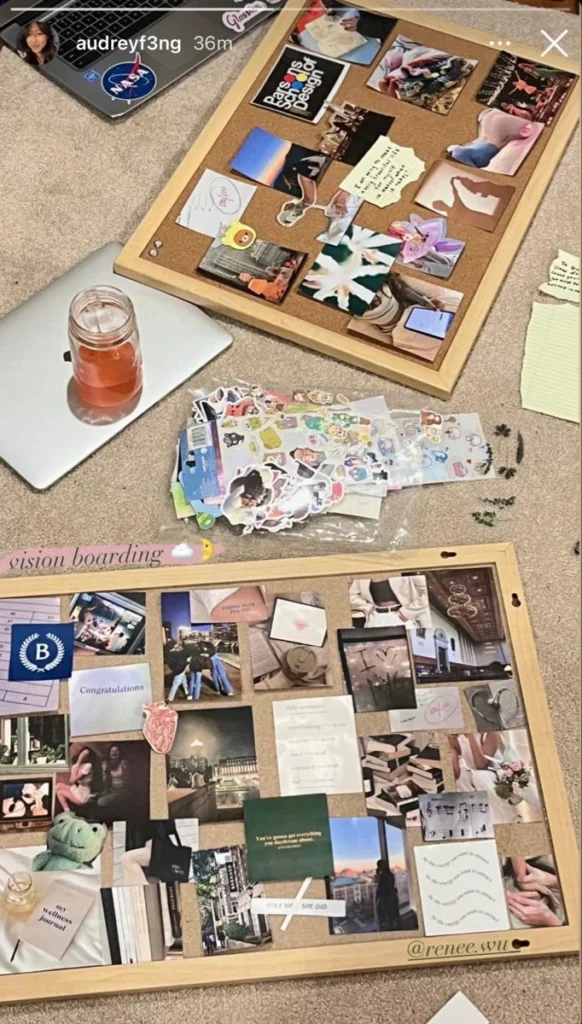
The first step in any design project is to define the mood and purpose of each room. Sketch a simple floor plan, note traffic flow, and decide which zones need the most emphasis—perhaps a cozy reading nook or a functional kitchen work triangle. A clear vision prevents impulsive purchases that can overwhelm a limited area.
Set Priorities Before You Shop
- Function first: Identify the essential activities for each space. A bedroom needs a comfortable sleep zone, a living area requires seating, and a kitchen must accommodate cooking basics.
- Scale matters: Choose pieces that match the room’s proportions. Oversized sofas or heavy tables can dominate a small layout, while low‑profile furniture preserves a sense of openness.
- Define a color story: Light, neutral tones expand visual space, while a single accent hue adds personality without clutter.
When you have a roadmap, you can align every decorative decision with the overall goal of making the home feel larger and more cohesive.
Maximize Light and Space: Color, Mirrors, and Layout
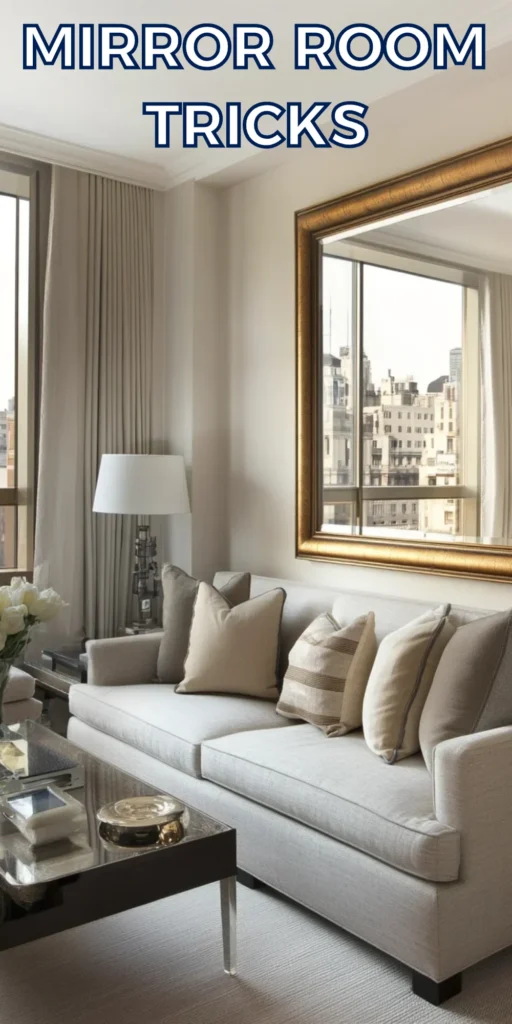
Light is the most powerful tool for how to decorate a small home. Natural daylight, reflective surfaces, and strategic lighting fixtures work together to create an illusion of depth.
Choose Light‑Reflecting Colors
Soft whites, pale grays, and muted pastels bounce light around the room. If you love color, introduce it through accessories—cushions, artwork, or a single accent wall—rather than painting the entire room a bold hue.
Mirrors as Visual Expansions
A well‑placed mirror can double the perceived size of a room. Try a large floor mirror opposite a window, or a series of smaller framed mirrors arranged in a gallery style on a narrow hallway. For more ideas, see our Hallway Décor with Simple Décor Mirrors – Elegant & Functional Ideas article.
Open Layout Strategies
- Remove unnecessary walls or bulky partitions.
- Use floating shelves instead of bulky bookcases to keep the floor visible.
- Arrange furniture in a “U” or “L” shape to preserve walking pathways.
These light‑focused tactics help you answer the question of how to decorate a small home without sacrificing brightness.
Smart Furniture Choices When You Want to Know How to Decorate a Small Home
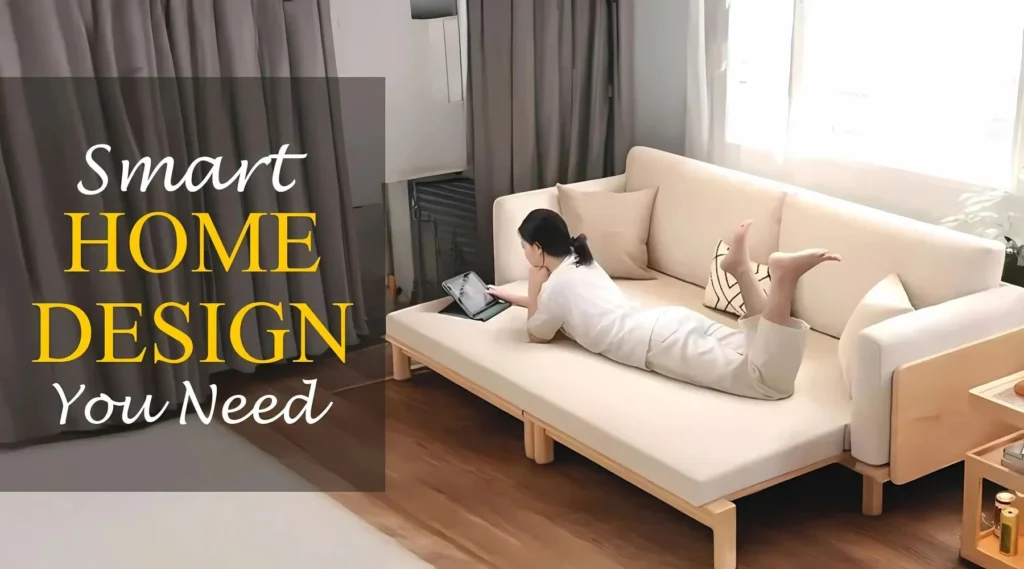
Furniture is the backbone of any décor plan, and in a small home each piece must serve multiple roles. Look for items that fold, stack, or incorporate hidden storage.
Multi‑Purpose Pieces
- Ottoman with storage: Acts as a seat, footrest, and hidden drawer for blankets.
- Wall‑mounted drop‑leaf tables: Provide a dining surface when needed, then fold away to free floor space.
- Sofa beds: Offer a comfortable lounge during the day and an extra sleeping spot at night.
Scale and Proportion
Choose furniture with slim legs and a lightweight visual profile. A sleek, low‑backed sofa creates an open line of sight, while a glass coffee table maintains the flow of light.
When selecting pieces, consider the “room within a room” concept—divide the living area into zones using rugs or different wall colors, but keep the overall layout fluid. If you need inspiration for a compact workspace, read our guide on How to Decorate a Home Office: A Complete Guide for Modern Spaces.
Creative Storage Solutions for a Small Home
Clutter is the enemy of spaciousness. Smart storage not only hides everyday items but also adds aesthetic value.
Vertical Storage
Floor‑to‑ceiling shelving makes use of otherwise wasted height. Pair open shelves with closed cabinets to balance display and concealment.
Under‑Floor and Under‑Stair Spaces
If your home has a staircase, the space beneath can become a pull‑out drawer system or a low‑profile closet. Similarly, raised flooring platforms can hide pull‑out bins for linens or toys.
Hidden Nooks
- Install recessed niches in walls for books or decorative objects.
- Use built‑in bench seating with a lift‑up lid for extra storage.
- Consider a pantry cabinet that doubles as a room divider in the kitchen.
These storage ideas help you answer how to decorate a small home while keeping belongings neatly tucked away.
Add Personality Without Overcrowding: Accessories and Textiles
Accessories are the finishing touches that convey style, but in a small home they must be chosen wisely. Opt for pieces that add texture and color without overwhelming the space.
Strategic Use of Art
A single large canvas can make a bold statement without the visual clutter of many small frames. If you love collections, group them in a uniform layout to maintain order.
Layered Textiles
- Introduce a soft rug to define a seating area.
- Use throw pillows in complementary shades to add comfort and visual interest.
- Choose curtains that are slightly longer than the window to create the illusion of height.
Plants for Freshness
Small potted plants or a vertical herb garden bring life to a compact kitchen. Check out our Simple Kitchen Plant Corner Ideas – Fresh Style for Small Spaces for inspiration.
By curating accessories that serve both aesthetic and functional purposes, you can keep the space feeling curated rather than crowded.
Integrating Technology and Modern Touches
Modern living demands connectivity, but technology should blend seamlessly into a small home’s design.
Concealed Wiring
Use cable management channels or in‑wall wiring for TVs and sound systems. A sleek wall‑mounted TV eliminates a bulky stand and frees floor area.
Smart Lighting
LED strip lights under cabinets, motion‑sensing hallway lights, and dimmable fixtures let you control ambiance without adding extra lamps.
Compact Appliances
In the kitchen, choose a narrow refrigerator or an integrated dishwasher that sits behind a cabinet door. These appliances maintain a streamlined look while delivering full functionality.
When the tech feels built‑in, the home feels larger and more cohesive, answering the core question of how to decorate a small home in the digital age.
Quick Decorating Tips
- Paint the ceiling a shade lighter than the walls to raise the perceived height.
- Use clear glass or acrylic furniture to maintain visual flow.
- Replace heavy drapery with sheer curtains to let in more natural light.
- Hang artwork at eye level to draw the eye upward.
- Keep décor items to a minimum—choose a few statement pieces rather than many small ones.
Common Mistakes to Avoid When Decorating Small Spaces
Even seasoned decorators can slip into habits that shrink a room’s feel. Recognizing these pitfalls early helps you stay on track.
Over‑Furnishing
Loading a room with too many chairs, tables, or decorative objects blocks pathways and creates visual clutter. Stick to essentials and let each piece breathe.
Ignoring Scale
Large, bulky furniture can dominate a modest floor plan. Opt for pieces with slender profiles, and remember that two small sofas can work better than one oversized couch.
Neglecting Light Sources
Relying on a single overhead fixture leaves corners in shadow. Layer lighting with floor lamps, table lamps, and wall sconces to distribute illumination evenly.
Choosing Dark Colors Exclusively
While dark tones add drama, they can also make a room feel smaller. Balance them with light-colored walls, ceilings, or reflective surfaces.
Frequently Asked Questions
What is the best color palette for a small home?
Light, neutral shades such as whites, creams, and soft grays expand visual space. Introduce a single accent color through accessories to keep the look lively without overwhelming the room.
How can I make a tiny kitchen feel larger?
Focus on vertical storage, install open shelving, and use under‑cabinet lighting. A monochromatic backsplash and countertop also create a seamless flow that visually enlarges the space.
Are there any furniture styles that work particularly well in small homes?
Mid‑century modern pieces with tapered legs, floating shelves, and modular sofas are ideal because they provide clean lines and often include hidden storage.
Can mirrors really make a room feel bigger?
Yes. Mirrors reflect both natural and artificial light, effectively doubling the visual field. Position them opposite windows or near light sources for maximum impact.
What are some budget‑friendly ways to upgrade a small living room?
Swap out heavy curtains for sheer panels, add a fresh coat of paint, use inexpensive throw pillows for a pop of color, and incorporate DIY shelving using reclaimed wood.
How do I keep a small space organized when I have a lot of belongings?
Prioritize decluttering first, then use multi‑functional furniture, vertical storage, and hidden compartments. Regularly assess what you truly need and store seasonal items out of sight.
Implementing these solutions will give you confidence in answering how to decorate a small home, turning constraints into opportunities for creative design.
Designing a compact living area is a rewarding challenge that pushes you to think strategically about every element—from color and light to furniture placement and storage. By applying the principles outlined above, you’ll create a space that feels airy, functional, and uniquely yours. Explore more ideas on The Homara, experiment with the tips that resonate most, and enjoy watching your small home transform into a stylish haven.