
Table of Contents
- Step‑by‑Step Guide on How to Decorate a Home Office
- Choosing a Color Palette When You Learn How to Decorate a Home Office
- Furniture Selection for a Productive Workspace
- Lighting Solutions to Boost Focus and Reduce Eye Strain
- Storage and Organization Hacks for a Clutter‑Free Desk
- Personal Touches That Keep You Motivated
- Technology Integration Without Clutter
- Quick Home Décor Tips for Your Office
- Common Mistakes When Decorating a Home Office and How to Avoid Them
- Frequently Asked Questions
- Conclusion
How to Decorate a Home Office: A Complete Guide for Modern Spaces
Working from home has become a permanent fixture for many professionals, freelancers, and students. A well‑designed home office can boost productivity, reduce stress, and even elevate your overall mood. Yet, many people struggle to balance aesthetics with functionality, especially when space is limited.
This article walks you through the essential steps of how to decorate a home office that feels both inspiring and efficient. From selecting the right furniture to mastering lighting, storage, and personal touches, you’ll learn practical strategies you can apply right away, whether you have an entire spare room or a compact nook.
By the end of the guide, you’ll have a clear roadmap for creating a workspace that reflects your style, supports your workflow, and integrates seamlessly with the rest of your home décor.
Step‑by‑Step Guide on How to Decorate a Home Office
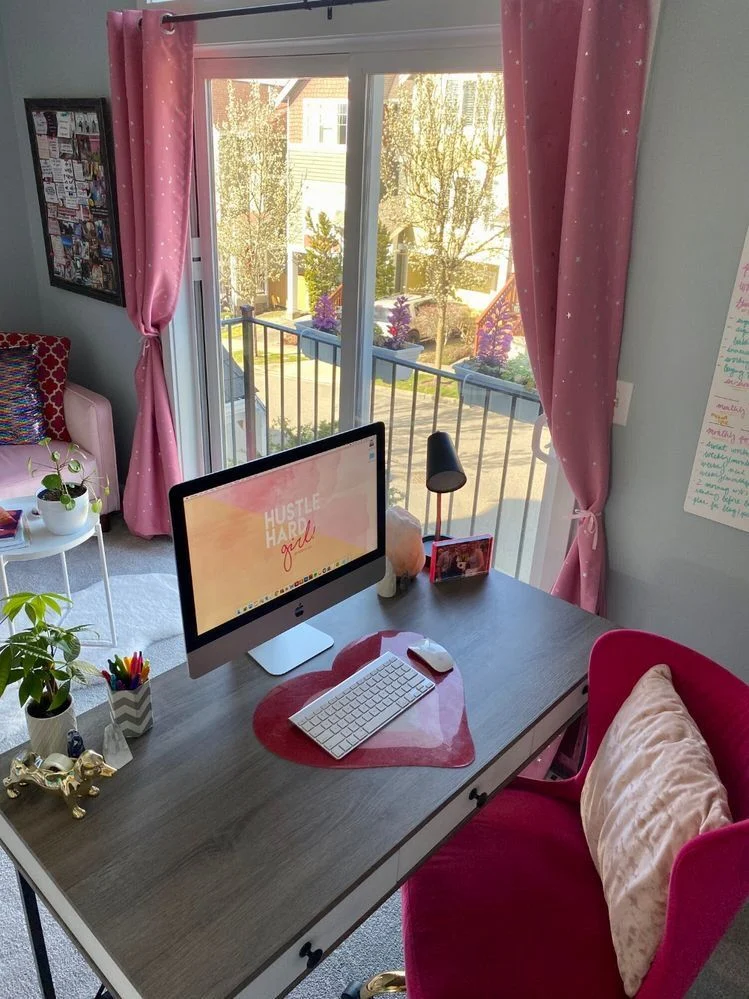
When you begin to answer the question of how to decorate a home office, start with a clear vision. Sketch the layout, note the natural light direction, and decide on a primary function—whether it’s intense focus work, creative brainstorming, or video‑conference heavy days. A solid plan prevents costly redesigns later and ensures every element serves a purpose.
First, measure the floor space and create a scaled floor plan. Identify the focal point—often a window or a wall—and arrange the desk to face it, which encourages an open, alert posture. Next, choose a color scheme that aligns with the mood you want to cultivate; cool blues and greens promote calm, while warm yellows and oranges can stimulate creativity.
Finally, layer your design in three stages: base (walls, flooring, large furniture), functional (lighting, storage, tech), and personality (art, plants, accessories). This systematic approach makes the process of how to decorate a home office feel manageable and rewarding.
Choosing a Color Palette When You Learn How to Decorate a Home Office
The right palette sets the emotional tone of the room. For a focused environment, consider muted neutrals—soft greys, warm whites, or gentle taupes—as a backdrop. Add a splash of color through a single accent wall, a patterned rug, or a set of coordinating desk accessories.
- Neutral base: Keeps the space feeling airy and spacious.
- Accent hue: Choose a shade that reflects your personality—sage green for calm, coral for energy.
- Balance: Limit bold colors to 10‑15% of the total décor to avoid visual overload.
When you pair your color choices with natural light, the room will feel larger and more inviting. If your office lacks windows, incorporate daylight‑mimicking LED bulbs to simulate the effect.
Furniture Selection for a Productive Workspace

One of the most critical decisions in how to decorate a home office is choosing furniture that supports ergonomics without sacrificing style. A high‑quality, adjustable chair should be the centerpiece; it protects your back and encourages proper posture during long work sessions.
Invest in a desk that offers enough surface area for your computer, documents, and any creative tools you use. For smaller rooms, a wall‑mounted or floating desk frees up floor space, creating a cleaner visual line. If you need extra storage, consider a sleek credenza or modular shelving that can evolve as your needs change.
Material matters too. Wooden desks add warmth and durability, while glass tops convey a modern, minimalist vibe. Mix textures—metal legs with a wooden tabletop—to add depth without clutter.
Lighting Solutions to Boost Focus and Reduce Eye Strain
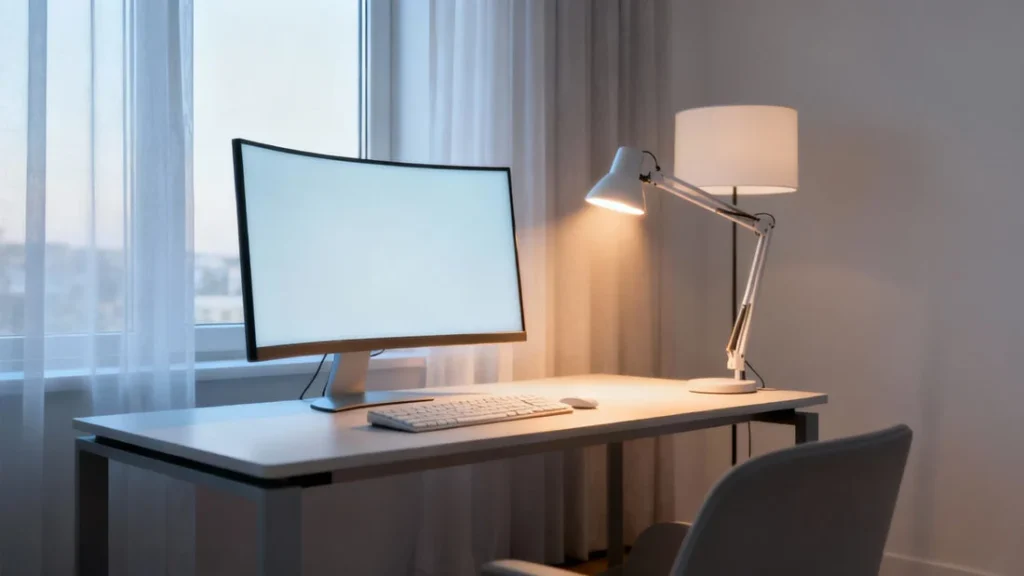
Lighting is a cornerstone of how to decorate a home office that works for you. Natural light remains the gold standard; position your desk near a window and use sheer curtains to diffuse harsh sunlight while preserving brightness.
Complement daylight with layered artificial lighting:
- Task lighting: A flexible desk lamp with adjustable brightness helps reduce eye fatigue.
- Ambient lighting: Ceiling fixtures or floor lamps provide overall illumination without glare.
- Accent lighting: LED strips behind monitors or on shelves create a subtle, modern glow.
For those with limited space, consider a small kitchen lighting inspiration guide to learn how compact fixtures can still deliver ample illumination without overwhelming the room.
Storage and Organization Hacks for a Clutter‑Free Desk
Even the most beautifully designed home office can lose its appeal if it becomes a storage nightmare. Effective organization is a key answer to how to decorate a home office that stays functional over time.
Start with vertical storage: floor‑to‑ceiling bookshelves, wall‑mounted pegboards, and hanging file organizers keep items off the desk. Use matching containers—metal bins, woven baskets, or acrylic trays—to create visual harmony while separating supplies.
Incorporate hidden storage solutions such as a desk with built‑in drawers or a credenza with a lift‑top. For a quick visual tidy‑up, keep a decorative box on the desk for loose papers; it doubles as a design element and a catch‑all.
Personal Touches That Keep You Motivated
While functionality drives the core of how to decorate a home office, personality adds the spark that makes you want to spend time there. Curate a selection of items that inspire you—framed artwork, a vision board, or a collection of travel souvenirs.
Plants are an easy way to inject life into the space. A low‑maintenance snake plant or a pothos vine can improve air quality and add a soothing green touch. If you prefer a more tech‑savvy vibe, a sleek digital photo frame displaying rotating images of loved ones or favorite landscapes can be both comforting and motivating.
Don’t overlook acoustic comfort. A soft rug, upholstered chair, or wall tapestry can dampen echo, creating a quieter environment for focused work.
Technology Integration Without Clutter
Modern home offices often require multiple devices—laptop, monitor, printer, speakers, and perhaps a smart assistant. To keep the aesthetic clean, use cable management tools such as clips, sleeves, or a simple under‑desk tray.
Mount monitors on adjustable arms to free up desk surface, and choose a wireless keyboard and mouse to reduce the number of cords. If you need a printer, select a compact model and store it in a drawer when not in use.
For a cohesive look, match your tech accessories (charging pads, speaker stands) to the overall color palette. This subtle coordination ensures that technology supports, rather than dominates, the design.
Quick Home Décor Tips for Your Office
- Use a large wall mirror to reflect light and make the room feel bigger—see our hallway décor with simple décor mirrors article for placement ideas.
- Replace generic office supplies with coordinated sets (e.g., matching pen holders, staplers).
- Add a patterned rug that ties together your chair, desk, and wall colors.
- Incorporate a small statement piece—like a sculptural lamp—to serve as a focal point.
- Rotate artwork seasonally to keep the environment fresh and engaging.
Common Mistakes When Decorating a Home Office and How to Avoid Them
Even seasoned decorators can slip up. Recognizing common pitfalls helps you refine your approach to how to decorate a home office.
- Overcrowding the floor: Resist the urge to fill every inch with furniture. Keep pathways clear to maintain a sense of openness.
- Ignoring ergonomics: A stylish chair is worthless if it causes back pain. Prioritize adjustable seating and desk height.
- Choosing the wrong lighting: Harsh fluorescent lights increase fatigue. Blend natural light with warm LED fixtures.
- Neglecting storage: An uncluttered desk boosts focus. Use vertical solutions and hidden drawers to keep essentials out of sight.
- Inconsistent color scheme: Too many contrasting hues create visual chaos. Stick to a limited palette with intentional accents.
Frequently Asked Questions
What size desk is ideal for a small home office?
A compact, rectangular desk about 48‑60 inches wide works well in tight spaces. Look for models with built‑in storage or a floating design to keep the floor clear.
How can I make a home office feel separate from my living area?
Use visual dividers such as a tall bookshelf, a folded screen, or a different rug. Consistent lighting and a distinct color palette also signal a separate functional zone.
Is it necessary to have a dedicated office chair?
Yes. An ergonomic chair supports posture and reduces strain during long work sessions. Even if you use a dining chair temporarily, upgrade to a proper office chair as soon as possible.
Can I decorate a home office on a tight budget?
Absolutely. Repurpose furniture, shop second‑hand, and focus on impactful changes like paint, lighting, and DIY décor. Our guide on how to decorate home with simple things offers budget‑friendly ideas.
How do I keep my home office organized long‑term?
Implement a weekly “clear desk” routine, use labeled containers for supplies, and regularly reassess what items are truly essential. Vertical storage and hidden drawers prevent clutter from accumulating.
Conclusion
Learning how to decorate a home office is an empowering journey that blends aesthetics with practicality. By starting with a clear layout, choosing ergonomic furniture, layering thoughtful lighting, and incorporating personal touches, you create a space that fuels productivity and reflects your style. Remember to keep storage solutions tidy, manage technology cables, and avoid common mistakes that can derail even the best‑planned design.
Take these strategies, experiment with what resonates most, and watch your workspace transform from a functional corner into a motivating haven. For more inspiration on creating cohesive interiors, explore other articles on The Homara and keep refining your home’s style one room at a time.