
Table of Contents
- Understanding the Unique Layout of a Modular Home
- How to Decorate a Modular Home: Planning the Space First
- Choosing a Cohesive Color Palette
- How to Decorate a Modular Home with Color: Practical Steps
- Smart Furniture Selection for Small Modular Spaces
- How to Decorate a Modular Home Using Multi‑Purpose Pieces
- Lighting Strategies That Enhance Modular Architecture
- How to Decorate a Modular Home with Light: Quick Wins
- Creative Storage Solutions Without Sacrificing Style
- How to Decorate a Modular Home with Hidden Storage
- Adding Personal Touches: Art, Textiles, and Greenery
- How to Decorate a Modular Home with Art and Plants
- Quick Home Décor Tips
- Common Mistakes When Decorating a Modular Home
- Frequently Asked Questions
- Can I use traditional interior design styles in a modular home?
- How do I make a small modular kitchen feel larger?
- Is it necessary to hire a professional interior designer for a modular home?
- What flooring options work best in modular homes?
- How can I incorporate sustainable décor in a modular home?
- Can I personalize the exterior of my modular home?
How to Decorate a Modular Home: Practical Tips & Modern Ideas
Modular homes have come a long way from the stereotype of boxy, cookie‑cutter structures. Today they offer the same architectural flexibility and design potential as traditional houses, but often with a smaller footprint and a need for clever space planning. Whether you’ve just moved into a newly delivered module or you’re renovating an older one, learning how to decorate a modular home can transform a simple structure into a personalized sanctuary.
In this guide, we’ll explore the core principles that make modular living comfortable, stylish, and functional. From choosing a cohesive color palette to maximizing storage without sacrificing aesthetics, each section provides actionable advice you can apply right away. By the end, you’ll have a clear roadmap to turn the modular canvas into a home that feels both modern and uniquely yours.
Understanding the Unique Layout of a Modular Home
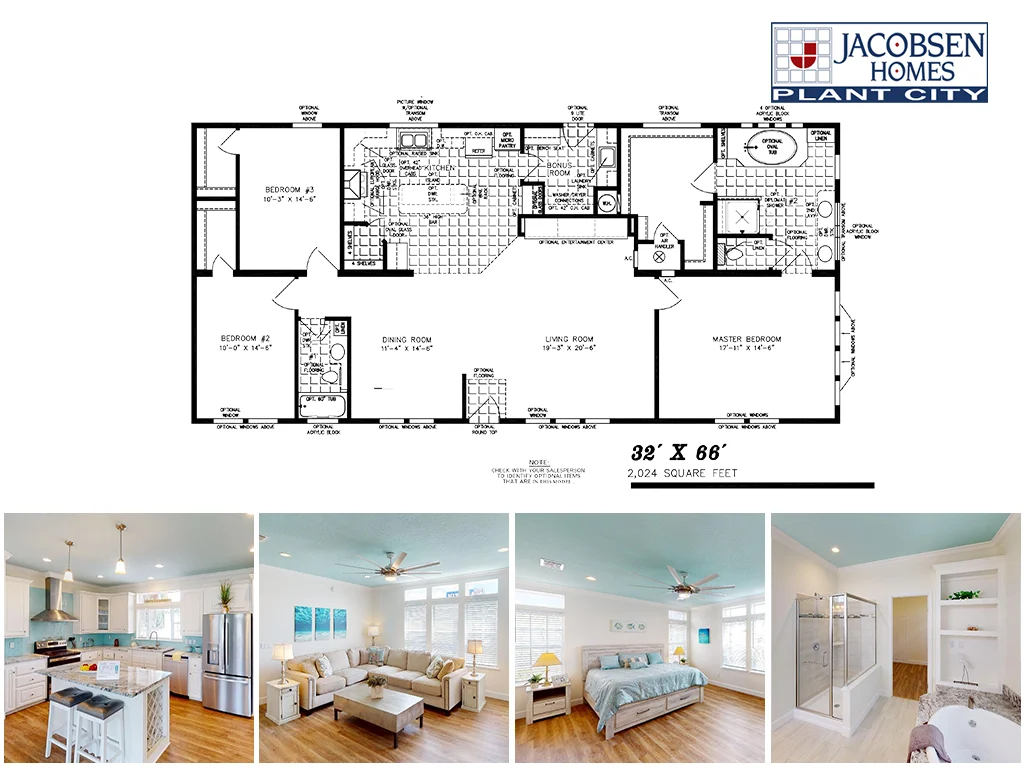
Before diving into décor details, it’s essential to grasp why modular homes differ from conventional builds. Prefabricated sections are manufactured off‑site, which means walls, windows, and utility lines are often placed according to standardized grids. This can result in narrower hallways, lower ceiling heights in certain zones, and a limited number of load‑bearing walls. Recognizing these constraints helps you decide where to focus decorative effort.
One of the biggest advantages is the predictability of the floor plan. Because the modules are pre‑engineered, you can map out furniture placement, lighting fixtures, and storage solutions with precision before a single nail is driven. This foresight reduces trial‑and‑error and keeps the overall cost of decoration in check.
How to Decorate a Modular Home: Planning the Space First
- Measure every room and note the location of structural columns.
- Create a simple floor‑plan sketch or use a free online tool to experiment with layouts.
- Identify high‑traffic zones and decide which areas need visual calm versus energetic vibes.
When you understand the flow of a modular home, you can choose décor pieces that complement the architecture rather than clash with it. For example, a low‑profile sofa works well in a room with a sloped ceiling, while a tall bookshelf can become a focal point in a space with high windows.
Choosing a Cohesive Color Palette

Color sets the emotional tone of any interior, and it’s especially powerful in modular homes where square footage may be limited. A well‑chosen palette can make rooms feel larger, brighter, or cozier depending on the hues you select.
Neutral bases—such as soft greys, warm beiges, or the ever‑popular antique white vs white shades—provide a versatile backdrop that allows furniture and accessories to stand out. Pair these with accent colors in textiles, artwork, or accent walls to add personality without overwhelming the space.
For modular homes with abundant natural light, cooler tones like muted blues or sage greens can enhance the airy feel. In contrast, homes that receive less daylight benefit from warm yellows or terracotta accents that inject vitality.
How to Decorate a Modular Home with Color: Practical Steps
- Start with a small sample of paint on the wall to see how light affects the hue at different times of day.
- Choose one dominant neutral and two complementary accent colors.
- Apply the dominant neutral to larger surfaces (walls, ceilings) and reserve accent colors for focal points (behind a sofa, on a feature wall).
Remember that consistency across modules creates a seamless transition, making the overall home feel like a unified whole rather than a collection of separate boxes.
Smart Furniture Selection for Small Modular Spaces

Furniture is the backbone of any décor project, but in modular homes, the challenge is to choose pieces that provide comfort without consuming valuable square footage. Multi‑functional furniture—such as a storage ottoman, a sleeper sofa, or a wall‑mounted desk—maximizes utility while keeping the floor clear.
Consider the scale of each piece in relation to the room’s dimensions. A bulky sectional can dominate a modest living area, while a sleek, low‑profile sofa paired with a glass coffee table maintains openness. When possible, select furniture with exposed legs; this creates a sense of visual lightness, allowing the eye to see more of the floor.
For modular homes with open‑plan layouts, use area rugs to define zones without erecting walls. A well‑chosen rug not only adds texture but also signals the functional separation between, for example, the cooking area and the dining nook.
How to Decorate a Modular Home Using Multi‑Purpose Pieces
- Invest in a wall‑mounted folding desk that can be tucked away when not in use.
- Choose a coffee table with hidden storage for magazines and remote controls.
- Opt for a platform bed with built‑in drawers to replace a separate dresser.
By prioritizing furniture that serves more than one purpose, you preserve valuable floor space and maintain a clean, uncluttered aesthetic.
Lighting Strategies That Enhance Modular Architecture
Lighting does more than illuminate; it shapes mood, highlights architectural features, and can even trick the eye into perceiving more space. In modular homes, where ceiling heights and wall placements may vary, a layered lighting plan is essential.
Start with ambient lighting—recessed LEDs or ceiling-mounted fixtures that provide uniform illumination. Follow with task lighting for specific activities: pendant lights over a kitchen island, reading lamps beside a sofa, or under‑cabinet strips in a pantry.
Don’t overlook accent lighting. Track lights or wall sconces can draw attention to artwork or a textured wall, creating a sense of depth. For a touch of warmth, add dimmers to control brightness levels throughout the day.
How to Decorate a Modular Home with Light: Quick Wins
- Install a series of small pendant lights in a linear arrangement to elongate a narrow hallway.
- Use floor lamps with adjustable heads to provide focused light without permanent ceiling fixtures.
- Incorporate LED strip lighting behind a TV or shelving unit for a modern glow.
Effective lighting not only improves functionality but also accentuates the clean lines that are characteristic of modular construction.
Creative Storage Solutions Without Sacrificing Style
One of the most common concerns for modular homeowners is storage. Because the floor plan is often compact, creative solutions are necessary to keep clutter at bay while preserving aesthetic appeal.
Built‑in cabinetry that follows the module’s structural lines can add storage without intruding on the room’s flow. Open shelving provides an airy feel and offers a chance to display decorative items, books, or plants—turning storage into a design feature.
Utilize vertical space. High shelves, tall narrow cabinets, and floor‑to‑ceiling closets make the most of height, freeing up precious floor area. For the bedroom, consider a headboard with integrated shelves or side tables that double as storage compartments.
How to Decorate a Modular Home with Hidden Storage
- Install a pull‑out pantry in the kitchen that slides into a narrow cabinet space.
- Use decorative baskets or woven bins on open shelves to keep items organized.
- Choose a console table with built‑in drawers for entryway organization.
These approaches keep your living areas tidy while reinforcing a cohesive, polished look.
Adding Personal Touches: Art, Textiles, and Greenery
Even the most perfectly planned modular home can feel impersonal without layers of texture and personality. Artwork, textiles, and plants are the most effective ways to inject individuality.
Large‑scale art pieces work well on feature walls, creating a focal point that draws the eye upward—ideal for rooms with lower ceilings. For a subtler approach, consider a gallery wall of smaller frames, mixing photographs, prints, and personal memorabilia.
Textiles—such as throw pillows, area rugs, and curtains—add softness and comfort. Choose fabrics that complement your color palette and incorporate patterns that reflect your style. If you love the look of natural fibers, linen curtains or a jute rug can introduce an organic vibe.
Plants bring life and improve indoor air quality. A tall fiddle‑leaf fig in a corner or a series of small succulents on a windowsill can soften the modular lines and add a touch of nature.
How to Decorate a Modular Home with Art and Plants
- Hang a statement canvas above the sofa to anchor the living area.
- Group three to five medium‑size potted plants on a low console for a layered look.
- Swap out pillow covers seasonally to refresh the space without major investment.
These elements make the home feel lived‑in and reflect your personality, turning a modular shell into a welcoming retreat.
Quick Home Décor Tips
- Use mirrored surfaces to reflect light and create an illusion of expanded space.
- Incorporate a single bold accent wall rather than multiple small patterns.
- Choose hardware finishes (brass, matte black, brushed nickel) that tie together kitchen, bathroom, and living areas.
Common Mistakes When Decorating a Modular Home
Even with the best intentions, homeowners can fall into pitfalls that undermine the aesthetic and functional goals of a modular space.
- Over‑furnishing: Filling every corner with furniture creates a cramped feeling. Stick to essential pieces and let open space breathe.
- Ignoring Scale: A massive chandelier in a low‑ceilinged room overwhelms the space. Opt for proportionate fixtures.
- Neglecting Flow: Blocking natural pathways with décor disrupts movement. Keep walkways clear and arrange furniture to guide traffic naturally.
- Inconsistent Color Use: Using too many divergent colors can fragment the visual continuity of modular modules. Maintain a core palette.
Avoiding these errors ensures that your design decisions enhance rather than hinder the modular home’s inherent strengths.
Frequently Asked Questions
Can I use traditional interior design styles in a modular home?
Absolutely. The flexibility of modular construction allows you to blend classic elements—such as crown molding or traditional wood tones—with contemporary pieces. The key is to maintain proportion and balance so that the style feels cohesive within the modular framework.
How do I make a small modular kitchen feel larger?
Use light-colored cabinetry, reflective backsplashes, and open shelving to create visual openness. Incorporate under‑cabinet lighting to brighten work surfaces, and consider a compact, pull‑out pantry for additional storage without sacrificing floor space.
Is it necessary to hire a professional interior designer for a modular home?
While not required, a designer can help you maximize the unique layout of a modular home, suggest space‑saving furniture, and ensure that all design elements—color, lighting, texture—work together harmoniously. Many designers now specialize in modular projects, offering virtual consultations that fit tight budgets.
What flooring options work best in modular homes?
Engineered hardwood, luxury vinyl plank, and polished concrete are popular choices. They offer durability, easy maintenance, and a sleek appearance that complements the modern aesthetic of modular construction.
How can I incorporate sustainable décor in a modular home?
Choose eco‑friendly materials such as reclaimed wood furniture, low‑VOC paints, and natural fiber textiles. Adding indoor plants not only enhances décor but also contributes to better indoor air quality, aligning with sustainable living principles.
Can I personalize the exterior of my modular home?
Yes. Exterior cladding, landscaping, and decorative lighting all provide opportunities for personalization. Adding a pergola, a vibrant front door, or a custom mailbox can make the façade uniquely yours while adhering to local building codes.
Decorating a modular home is an exciting journey that blends practicality with creativity. By understanding the structural nuances, selecting a harmonious color scheme, and opting for multifunctional furniture, you lay the foundation for a stylish, functional living environment. Thoughtful lighting, smart storage, and personal accents round out the design, ensuring every square foot feels purposeful and welcoming.
Now that you have a comprehensive roadmap, start with one room, experiment, and let your personality shine through each choice. For more inspiration, explore our guide on Cozy Wall Décor Inspiration – Warm Up Your Space with Simple Ideas or discover how to add a touch of modern flair with a soft linen bedroom makeover. Happy decorating!