
Table of Contents
- How Much Weight Can a Loft Bed Hold? Core Factors That Determine Capacity
- Material Strength and Frame Design
- Bed Size and Mattress Type
- Installation Method and Wall Support
- Age and Activity Level of Users
- Safety Certifications and Standards
- Design Strategies to Maximize Load Capacity Without Compromising Style
- Integrate Reinforced Support Beams
- Use a Slatted Base Instead of a Solid Platform
- Combine Loft Bed with a Built‑In Desk or Shelving
- Choose a Minimalist Aesthetic for Small Spaces
- Quick Tips for Safely Determining and Managing Loft Bed Load
- Common Mistakes That Reduce Loft Bed Safety and How to Avoid Them
- Frequently Asked Questions
- What is the typical weight limit for a standard twin loft bed?
- Can I use a loft bed for an adult, and if so, what should I look for?
- How do I safely add a desk underneath a loft bed?
- Is it okay to place a heavy rug or carpet on top of a loft bed?
- Do I need to check local building codes when installing a loft bed?
- What maintenance routine helps extend the life of a loft bed?
- Putting It All Together: A Practical Example for a Modern Bedroom
- Final Thoughts on How Much Weight Can a Loft Bed Hold
When space is at a premium, a loft bed becomes a clever solution that frees up floor area for play, work, or storage. Yet, the question that often pops up in homeowners’ minds is simple but crucial: how much weight can a loft bed hold? Understanding the load limits isn’t just about preventing damage to the furniture; it’s about safeguarding the people who use it daily. In this comprehensive guide, we’ll break down the factors that determine a loft bed’s weight capacity, explore common misconceptions, and share practical design ideas that keep your bedroom both stylish and safe.
From the type of material used in the frame to the installation method and the intended users—children, teens, or adults—every detail influences the ultimate load-bearing potential. Whether you’re a first‑time buyer, a DIY enthusiast, or a seasoned interior designer, the insights below will help you make informed decisions, avoid costly mistakes, and turn a loft bed into a centerpiece of modern home décor.
How Much Weight Can a Loft Bed Hold? Core Factors That Determine Capacity
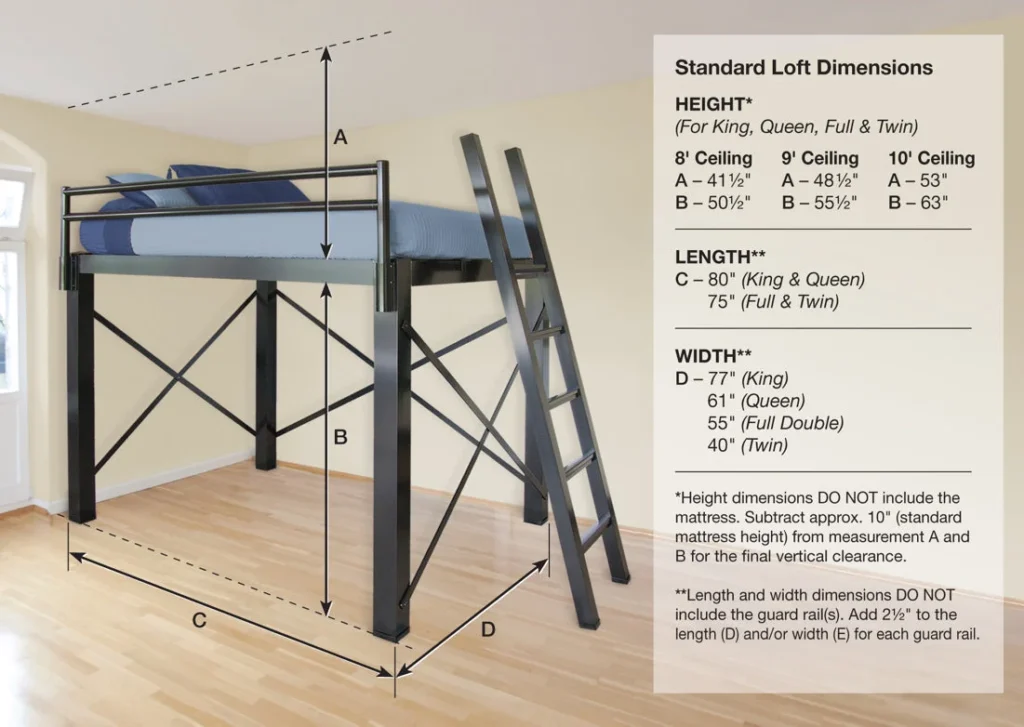
The short answer to the headline question is that most standard loft beds are rated for 250 to 400 pounds, but the exact figure depends on several core factors. Below, we outline the primary elements that manufacturers consider when assigning a weight limit.
Material Strength and Frame Design
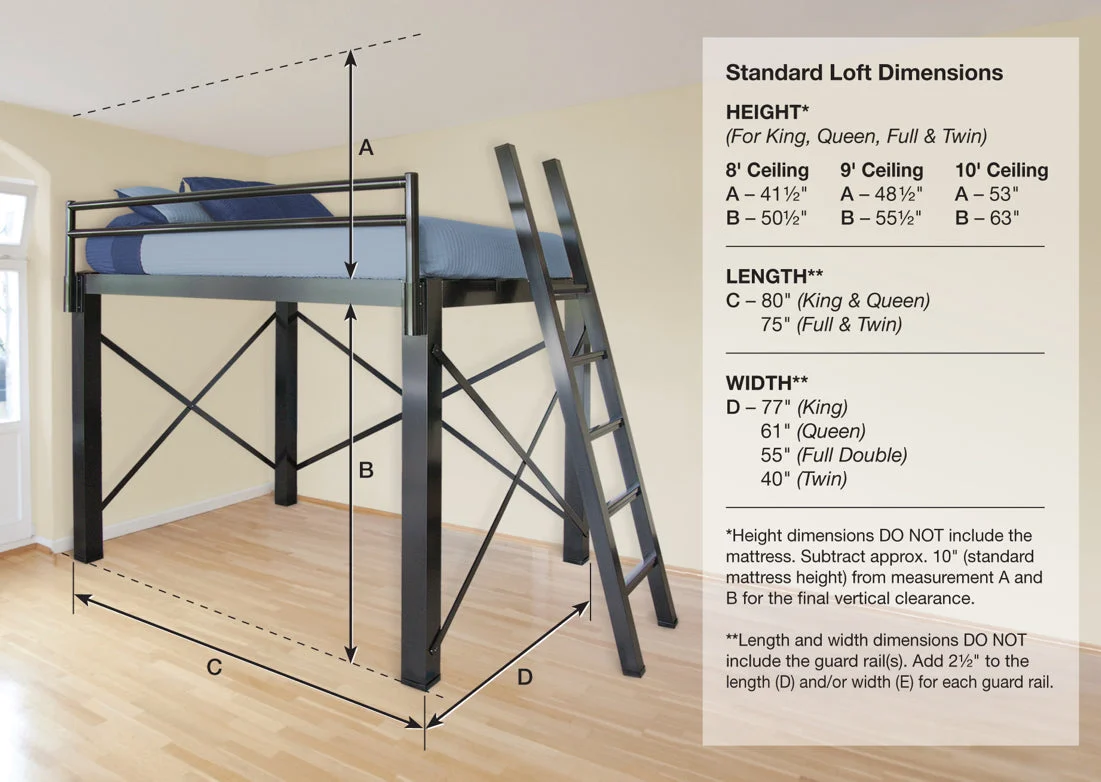
Metal frames—especially those made from steel or iron—generally provide the highest load‑bearing capability. A well‑welded steel frame can comfortably support up to 400 pounds, making it suitable for adults and multiple occupants. Wooden loft beds, often crafted from solid pine, oak, or engineered wood, typically carry a rating of 250–300 pounds. The grain direction, joinery type (e.g., mortise‑and‑tenon versus simple screws), and the presence of reinforced crossbars all affect the final capacity.
Bed Size and Mattress Type
A twin‑size loft bed has a smaller surface area and lighter overall weight than a full or queen‑size version, allowing the frame to handle a higher per‑square‑foot load. Mattress density matters too; a memory foam mattress can weigh up to 80 pounds, while a lightweight innerspring model may be as low as 30 pounds. When calculating how much weight can a loft bed hold, add the mattress weight to the intended occupant weight.
Installation Method and Wall Support
Many loft beds are designed as freestanding units, relying solely on the legs and internal bracing for support. Others attach to the wall with brackets or a ledger board, effectively sharing the load with the structure of the room. Proper anchoring can increase the safe weight limit by 10–15 percent, but it must be done according to the manufacturer’s specifications and local building codes.
Age and Activity Level of Users
Children’s loft beds often carry a lower rating (around 250 pounds) because the primary users are lighter. However, teens who use the bed for gaming or have a heavy collection of books and equipment may quickly exceed that limit. For adult use, it’s advisable to select a model explicitly rated for at least 350 pounds.
Safety Certifications and Standards
Look for certifications such as ASTM F1566 (Standard Consumer Safety Specification for Bunk Beds) or the European EN 747 standard. Products meeting these standards have undergone rigorous testing for load distribution, stability, and durability, giving you a reliable benchmark for how much weight can a loft bed hold.
Design Strategies to Maximize Load Capacity Without Compromising Style

Even if your chosen loft bed’s published capacity is just shy of your needs, clever design choices can help distribute weight more evenly and enhance overall safety.
Integrate Reinforced Support Beams
Adding a horizontal support beam beneath the mattress platform—preferably a 2×6 or steel bar—creates an extra load‑bearing surface. This technique is especially useful for larger beds or when you plan to place a heavy futon or storage boxes on top.
Use a Slatted Base Instead of a Solid Platform
Slatted bases not only improve air circulation but also distribute weight across multiple points, reducing stress on any single joist. When selecting slats, opt for sturdy, evenly spaced wooden or metal slats that can handle at least 40 pounds per slat.
Combine Loft Bed with a Built‑In Desk or Shelving
By attaching a desk or bookshelf directly to the frame, you can transfer some of the load from the mattress to the side supports. Just ensure the added furniture is anchored securely and does not exceed the frame’s overall weight rating.
Choose a Minimalist Aesthetic for Small Spaces
If you’re aiming for a sleek look, the soft minimalist home décor ideas for calm living spaces can be paired with a loft bed that has clean lines and hidden hardware. Minimalist designs often use fewer decorative elements, meaning fewer extra accessories that could add unnecessary weight.
Quick Tips for Safely Determining and Managing Loft Bed Load
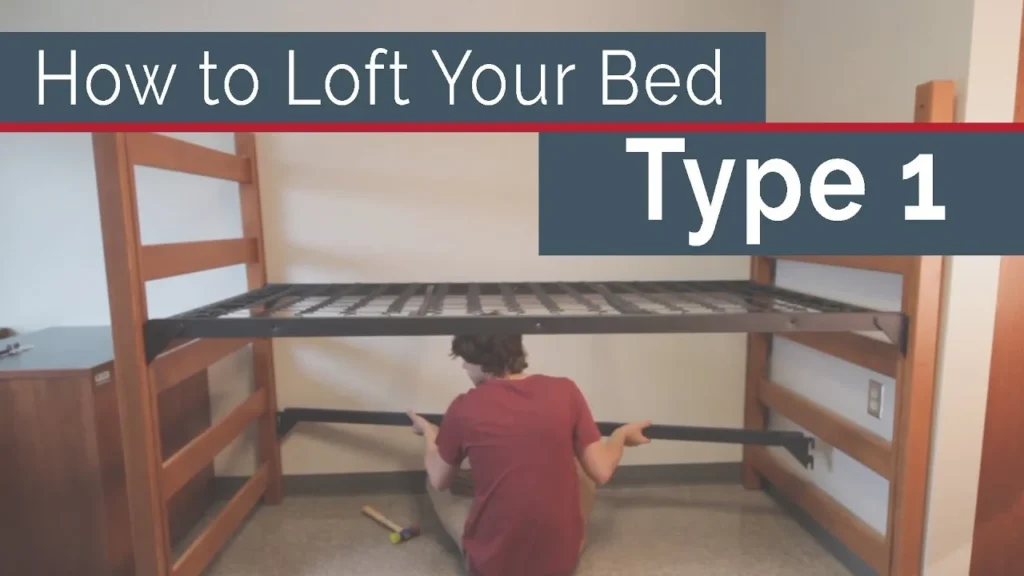
- Always check the manufacturer’s published weight limit before purchasing.
- Calculate the combined weight of the mattress, bedding, and occupant(s) and stay at least 15% below the maximum rating.
- Inspect all joints, bolts, and screws every six months; tighten any that feel loose.
- Use a level to verify that the bed frame is perfectly horizontal; an uneven platform can concentrate stress on one side.
- Consider a professional installation if the loft bed will be attached to a wall or ceiling.
Common Mistakes That Reduce Loft Bed Safety and How to Avoid Them
Even seasoned homeowners can fall into pitfalls that compromise the structural integrity of a loft bed.
- Overloading the frame. Adding heavy storage boxes, exercise equipment, or multiple mattresses can quickly exceed the safe limit.
- Neglecting regular maintenance. Loose hardware, worn‑out slats, or cracked wood can develop unnoticed, especially in high‑traffic rooms.
- Improper anchoring. If a loft bed is wall‑mounted, using the wrong type of anchors or failing to locate studs can cause the entire structure to shift.
- Using an unsuitable mattress. A thick, heavy mattress may push the total weight beyond the rated capacity, even if the occupant is within limits.
- Ignoring the user’s age and activity level. A bed designed for children should not be repurposed for an adult without confirming the increased load rating.
Frequently Asked Questions
What is the typical weight limit for a standard twin loft bed?
Most twin‑size loft beds are rated between 250 and 300 pounds. This includes the weight of the mattress, bedding, and the occupant. Always verify the specific rating on the product label.
Can I use a loft bed for an adult, and if so, what should I look for?
Yes, but you’ll need a model specifically engineered for higher loads, usually rated at 350–400 pounds. Look for reinforced steel frames, solid wood construction, and certifications such as ASTM F1566.
How do I safely add a desk underneath a loft bed?
Attach the desk to the side supports using sturdy brackets and ensure the desk’s weight does not exceed the side rails’ capacity. Reinforce the legs if the combined load approaches the frame’s maximum rating.
Is it okay to place a heavy rug or carpet on top of a loft bed?
Adding a rug can increase the overall weight and affect ventilation. If you choose a rug, select a lightweight, low‑pile option and keep the total weight well below the bed’s limit.
Do I need to check local building codes when installing a loft bed?
While residential building codes rarely address loft beds directly, any wall‑mounted or ceiling‑suspended installation should comply with general safety standards, especially concerning anchoring to studs or joists.
What maintenance routine helps extend the life of a loft bed?
Inspect bolts and joints quarterly, tighten any that have loosened, replace worn slats, and keep the frame clean and dry to prevent rust on metal components.
Putting It All Together: A Practical Example for a Modern Bedroom
Imagine a compact urban apartment where the master bedroom also serves as a home office. By selecting a loft bed rated for 350 pounds, you can place a full‑size mattress on top and install a built‑in desk beneath. Using a steel support beam and reinforced wooden slats, the load is spread evenly across the frame. Add a minimalist headboard in a neutral tone—perhaps a shade like Swiss Coffee—to keep the aesthetic cohesive. The result is a functional, stylish space that safely supports an adult, a laptop, and a small bookshelf, all while freeing up floor space for a yoga mat.
Final Thoughts on How Much Weight Can a Loft Bed Hold
Understanding how much weight can a loft bed hold is essential for creating a safe, functional, and attractive bedroom environment. By paying attention to material strength, proper installation, and regular maintenance, you can confidently choose a loft bed that meets your family’s needs without compromising design. Remember to factor in the weight of mattresses, bedding, and any additional furniture, and always stay well below the published maximum to allow a safety margin.
With the right planning, a loft bed becomes more than just a space‑saving solution—it transforms into a versatile platform for sleeping, studying, and storing, all while enhancing the modern aesthetic of your home. Explore more ideas on bedroom styling, small‑space solutions, and interior design trends at The Homara, and enjoy the blend of safety and style that a well‑chosen loft bed offers.