
Table of Contents
- How Much Does It Cost to Get Carpet Stretched? Core Factors Explained
- Key Variables That Influence the Price
- Typical Price Ranges Across the United States
- National Average
- Regional Differences
- DIY Carpet Stretching: Is It Worth the Savings?
- Essential Tools for a DIY Stretch
- When DIY Might Make Sense
- Choosing the Right Contractor: What to Look For
- Credentials and Experience
- Transparent Pricing
- Additional Services
- Quick Tips for a Seamless Carpet Stretch
- Common Mistakes and How to Avoid Them
- Skipping the Subfloor Inspection
- Choosing the Wrong Tool for the Job
- Ignoring Seam Integrity
- Frequently Asked Questions
- How long does a professional carpet stretch usually take?
- Can carpet stretching fix a burnt or water‑damaged area?
- Is it normal for the carpet to feel tighter after stretching?
- Do I need to move furniture back in immediately after stretching?
- Will stretching improve the lifespan of my carpet?
- Are there eco‑friendly carpet stretching options?
How Much Does It Cost to Get Carpet Stretched? A Complete Guide
Carpet can instantly warm up a room, hide minor floor imperfections, and add a layer of comfort that hard flooring simply cannot match. Yet, many homeowners discover that after a few years of foot traffic, the carpet begins to look uneven, develop wrinkles, or pull away from the walls. When this happens, the most reliable remedy is carpet stretching—a process that restores a smooth, taut surface and extends the life of your investment.
Understanding how much does it cost to get carpet stretched is essential before you pick up the phone or roll up your sleeves. The price can vary widely depending on the size of the room, the type of carpet, local labor rates, and whether you choose a professional service or a DIY approach. This guide breaks down every cost factor, offers practical budgeting tips, and equips you with the knowledge to make an informed decision that aligns with your home décor goals.
Whether you’re revamping a living room, refreshing a bedroom, or preparing a rental property for new tenants, the information below will help you navigate the pricing landscape with confidence. Let’s dive into the details and explore how to achieve a flawless carpet finish without breaking the bank.
How Much Does It Cost to Get Carpet Stretched? Core Factors Explained
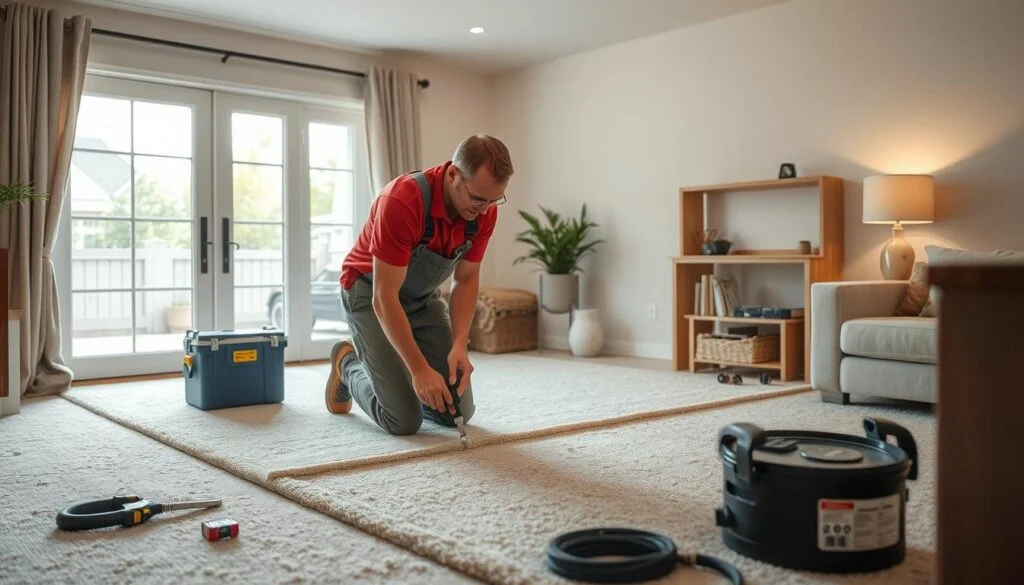
The headline question—how much does it cost to get carpet stretched—doesn’t have a one‑size‑fits‑all answer. Several variables interact to create the final figure, and understanding each one will help you predict the range you’re likely to encounter.
Key Variables That Influence the Price
- Room Size: Larger areas require more time, more equipment, and sometimes multiple crew members. Most contractors charge by the square foot, typically ranging from $0.30 to $0.80 per square foot.
- Carpet Type and Condition: Thick, plush, or looped carpets can be harder to stretch. If the carpet is already damaged, additional repairs may be needed, raising the cost.
- Subfloor Type: Concrete, plywood, or existing laminate each present unique challenges. A level subfloor reduces labor time, while uneven surfaces may require extra preparation.
- Geographic Location: Labor rates differ between metropolitan areas and rural regions. Expect higher rates in cities like New York or San Francisco.
- Professional vs. DIY: Hiring a skilled technician includes labor and equipment, while a DIY approach only costs the tools you purchase.
By assessing each of these factors, you can create a realistic budget before the first stretch.
Typical Price Ranges Across the United States

When you ask “how much does it cost to get carpet stretched?” most contractors will give you a ballpark based on the square footage of the area. Below is a snapshot of average costs broken down by region and room size.
National Average
The national average for carpet stretching sits between $150 and $350 for a standard 200‑square‑foot room. This estimate includes labor, equipment, and a brief inspection of the carpet’s condition.
Regional Differences
- East Coast (e.g., Boston, New York): $250‑$500 for a 200‑sq‑ft room, driven by higher labor costs.
- Midwest (e.g., Chicago, Detroit): $150‑$300, reflecting a more moderate cost of living.
- West Coast (e.g., Los Angeles, Seattle): $200‑$450, with premium pricing in tech‑heavy markets.
- South (e.g., Dallas, Atlanta): $130‑$280, often the most affordable region for this service.
Remember that these are average figures; your specific situation may fall outside these ranges if you have unique carpet types or extensive subfloor issues.
DIY Carpet Stretching: Is It Worth the Savings?
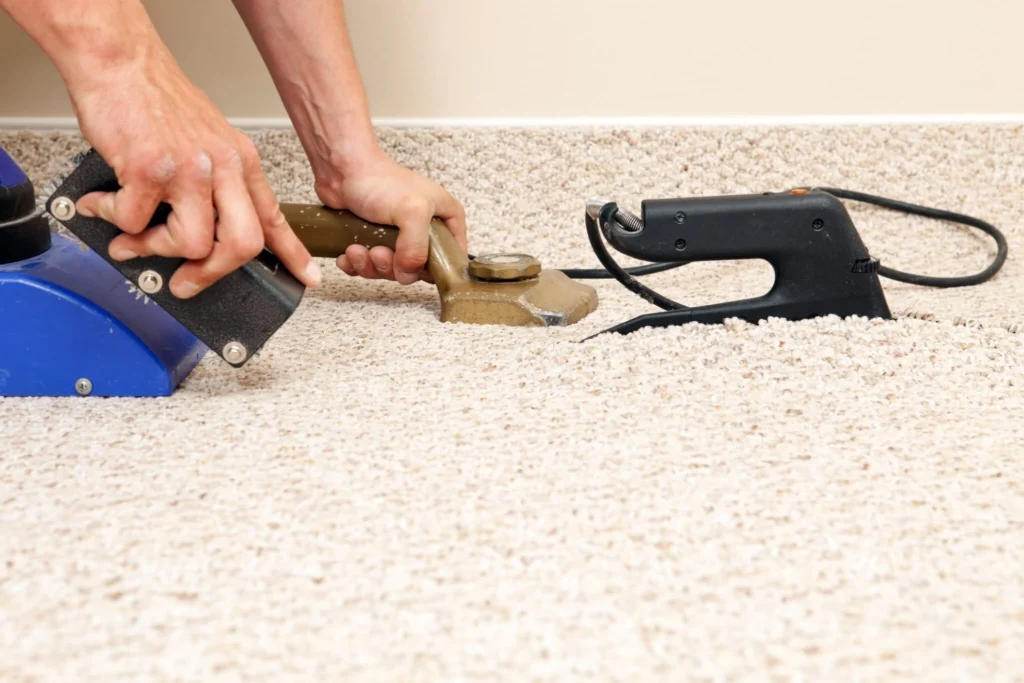
Many homeowners consider a DIY approach after learning how much does it cost to get carpet stretched. While the upfront savings can be tempting—typically $30‑$80 for a basic stretch kit—there are hidden costs and risks to weigh.
Essential Tools for a DIY Stretch
- Power stretcher: The workhorse of carpet stretching; prices range from $100 to $250.
- Knee kicker: A more affordable option at $30‑$50, suitable for smaller rooms.
- Utility knife, measuring tape, and carpet seam tape: Together, these accessories add another $20‑$40.
When DIY Might Make Sense
If you have a small, low‑traffic area (like a hallway under 100 square feet) and possess basic handyman skills, a DIY stretch could be a viable option. However, improper stretching can cause new wrinkles, damage the backing, or even void carpet warranties. For high‑traffic zones such as living rooms or master bedrooms, professional expertise is usually the safer bet.
Choosing the Right Contractor: What to Look For
Now that you’ve explored how much does it cost to get carpet stretched and the pros and cons of DIY, the next step is selecting a reputable professional. The right contractor will not only execute a flawless stretch but also provide guidance on carpet maintenance.
Credentials and Experience
- Verify that the company is licensed, bonded, and insured.
- Ask for references or read online reviews on platforms like Google and Angi.
- Prefer contractors with at least five years of experience handling various carpet types.
Transparent Pricing
Look for a detailed estimate that breaks down labor, equipment, and any additional services (e.g., seam repair). Avoid flat‑rate quotes that seem unusually low, as they may hide hidden fees.
Additional Services
Many flooring specialists also offer carpet cleaning, padding replacement, and even minor repairs. Bundling these services can sometimes reduce overall costs, especially if you’re tackling multiple flooring projects in the same home.
Quick Tips for a Seamless Carpet Stretch
- Clear the room of furniture and rugs before the technician arrives.
- Inspect the carpet for stains or tears; address these issues before stretching.
- Ask the contractor to test the stretch tension in a discreet corner first.
- Schedule the job during a dry season to avoid moisture affecting the adhesive.
- Consider a professional cleaning after stretching to remove any dust from the process.
Common Mistakes and How to Avoid Them
Even seasoned homeowners can stumble when dealing with carpet stretching. Here are the most frequent pitfalls and strategies to keep your project on track.
Skipping the Subfloor Inspection
Uneven subfloors are a primary cause of recurring wrinkles. Always have the subfloor assessed and, if necessary, sanded or leveled before stretching. This preventive step can save you from paying for repeat work.
Choosing the Wrong Tool for the Job
A knee kicker may work for small rooms, but for larger spaces or commercial settings, a power stretcher is essential. Using the wrong tool often results in inadequate tension and premature wear.
Ignoring Seam Integrity
If your carpet has seams, they must be re‑taped after stretching. Overlooking seam repair can lead to visible gaps and a less polished appearance. Ask your contractor to verify seam strength before finalizing the job.
Frequently Asked Questions
How long does a professional carpet stretch usually take?
For an average-sized room (150‑250 sq ft), a professional typically completes the stretch in 1‑2 hours. Larger areas or rooms with complex layouts may require a half‑day.
Can carpet stretching fix a burnt or water‑damaged area?
No. Stretching only addresses tension issues. Burnt spots, stains, or water damage need separate repair or replacement. However, a fresh stretch can prevent further damage from spreading.
Is it normal for the carpet to feel tighter after stretching?
Yes. A properly stretched carpet should feel firm underfoot, without any give or ripple. If you notice loose spots after the job, contact the contractor for a quick adjustment.
Do I need to move furniture back in immediately after stretching?
It’s best to wait at least 24 hours before replacing heavy furniture. This gives the carpet’s backing time to settle, ensuring the stretch holds.
Will stretching improve the lifespan of my carpet?
Absolutely. By eliminating wrinkles and preventing wear along seams, stretching can extend the functional life of your carpet by several years, making it a cost‑effective maintenance step.
Are there eco‑friendly carpet stretching options?
Some contractors use low‑VOC adhesives for seam repairs and opt for reusable tools that reduce waste. Ask your service provider about their sustainability practices if this is important to you.
Understanding how much does it cost to get carpet stretched empowers you to plan effectively, choose the right professional, and keep your floors looking their best. Whether you opt for a DIY kit or hire a seasoned installer, the key is to assess the room’s needs, factor in regional pricing, and avoid common mistakes that can turn a simple fix into an expensive headache.
Ready to give your home a fresh, smooth look? Start by measuring your rooms, gathering a few quotes, and weighing the DIY versus professional routes. With the right preparation, you’ll enjoy a beautifully stretched carpet that enhances your interior design, adds comfort, and preserves the value of your living space.
For more inspiration on how to integrate newly stretched carpet into a cohesive design scheme, check out our guide on how to decorate a ranch style home. If you’re updating adjacent rooms, our article on cozy entryway inspiration offers ideas that blend perfectly with refreshed flooring.
Enjoy the transformation, and let your carpet become the subtle yet powerful foundation for your modern home décor.