

Table of Contents
- How do you get soap out of carpet?
- How do you get soap out of carpet – Step‑by‑step method
- Understanding Soap Stains on Different Carpet Fibers
- Preparing Your Cleaning Tools
- Natural vs. Commercial Solutions
- Preventing Future Soap Spills
- Caring for Different Carpet Fibers After Cleaning
- Quick Tips for Soap Stain Removal
- Common Mistakes and How to Avoid Them
- Frequently Asked Questions
How Do You Get Soap Out of Carpet? Proven Cleaning Guide
Soap spills on carpet happen more often than you might think—whether it’s a sudsy slip in the bathroom, a playful bubble bath mishap, or a kitchen mishap involving dish soap. While the bright scent of fresh soap may be pleasant, the residue it leaves behind can dull fibers, create sticky spots, and attract dirt. Knowing how to get soap out of carpet quickly and safely is essential for preserving the look and longevity of your floors.
In this comprehensive guide, we’ll walk you through the science behind soap stains, the tools you’ll need, and a step‑by‑step process that works on most carpet types. You’ll also discover natural alternatives, professional options, and preventative habits that keep your home looking polished. By the end, you’ll feel confident tackling any soap spill without fearing permanent damage.
How do you get soap out of carpet?

Answering this question starts with understanding why soap behaves the way it does on carpet fibers. Soap is an emulsifier; it mixes water with oil and dirt, creating a slippery film. When it dries, the film can harden, trapping grime beneath a thin, soapy layer. The goal, therefore, is to break down that film, lift it away, and rinse the fibers thoroughly.
Below is a systematic approach that balances effectiveness with the gentle care your carpet deserves. The method works for both synthetic and natural fibers, but always test a small, hidden area first to ensure colorfastness.
How do you get soap out of carpet – Step‑by‑step method
- Act fast. The longer the soap sits, the more it binds to the fibers.
- Blot, don’t rub. Use a clean white cloth to absorb excess liquid without spreading it.
- Apply a mild cleaning solution. Mix one tablespoon of dish soap with two cups of warm water, or use a commercial carpet cleaner labeled safe for your carpet type.
- Work from the outside in. Start at the edges of the stain to prevent spreading.
- Rinse with clear water. A spray bottle filled with plain water helps flush out remaining soap.
- Dry thoroughly. Lay a dry towel over the area and press; consider a fan for faster drying.
Understanding Soap Stains on Different Carpet Fibers
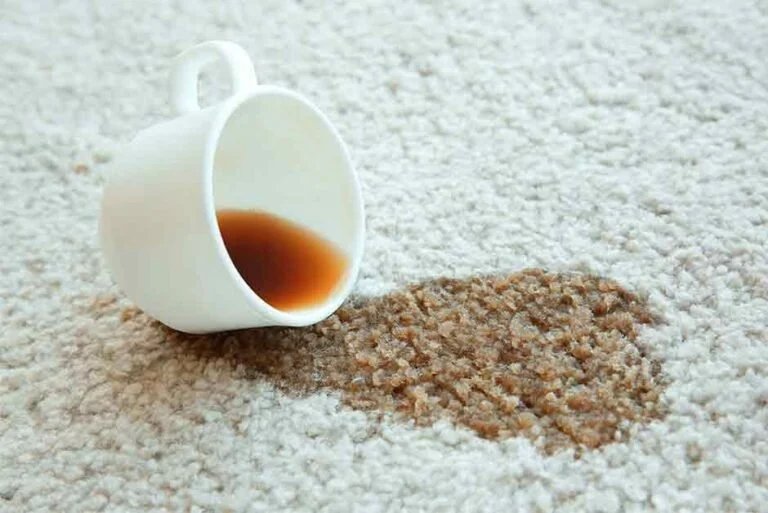
Carpets come in a variety of fibers—nylon, polyester, wool, and olefin—each reacting differently to soap. Nylon and polyester are generally resilient, allowing you to use a bit more water without risk. Wool, however, is more delicate; excess moisture can cause shrinkage or felting, so you’ll want to limit the liquid and use a wool‑specific cleaner.
Olefin (also called polypropylene) is stain‑resistant but can become slippery when soap builds up, making it harder for foot traffic to grip. Knowing your carpet’s composition helps you adjust the amount of cleaning solution and drying time, ensuring you how do you get soap out of carpet without compromising its integrity.
Preparing Your Cleaning Tools
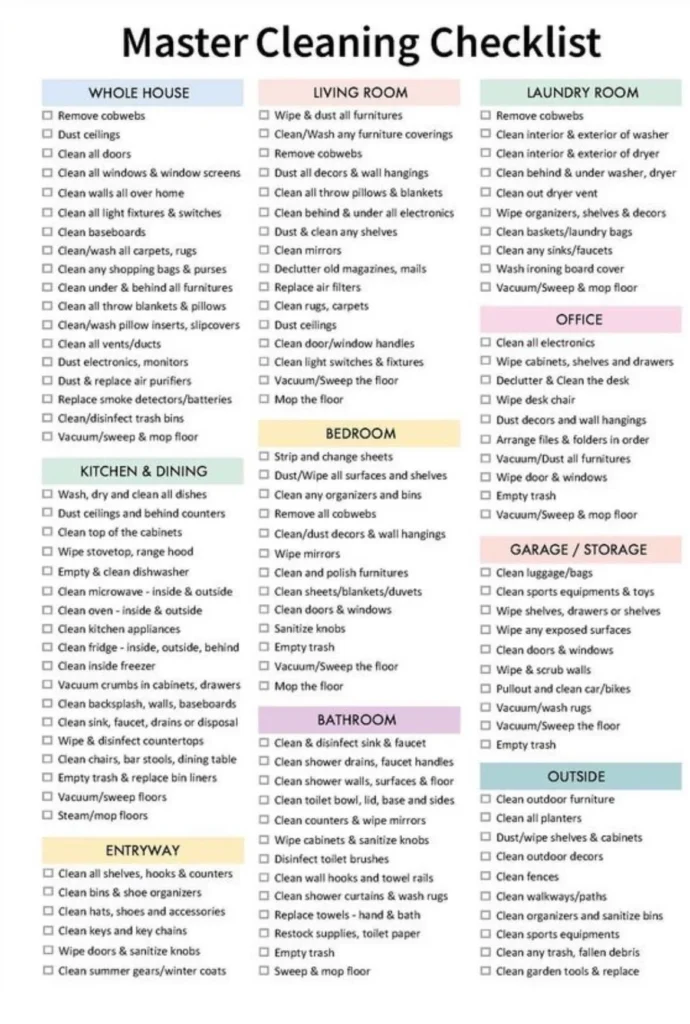
Before you tackle the spill, gather the following items. Having everything at hand speeds up the process and reduces the chance of the soap spreading.
- White microfiber cloths or paper towels (avoid colored fabrics that could bleed).
- A spray bottle for diluted cleaning solution.
- A clean bucket for mixing solution.
- A soft-bristled brush or a clean sponge.
- Vacuum cleaner with a HEPA filter (for post‑cleaning).
- Optional: A carpet steam cleaner for deep‑penetrating rinses.
When selecting a cleaner, choose one that matches the carpet’s care label. If the label recommends “dry‑clean only,” stick to a minimal‑moisture method such as a dry‑powder absorbent followed by vacuuming.
Natural vs. Commercial Solutions
Many homeowners prefer natural ingredients because they’re inexpensive and environmentally friendly. A mixture of white vinegar and warm water (one part vinegar to three parts water) can neutralize soap’s alkalinity, making it easier to lift. Add a teaspoon of baking soda to the solution for extra deodorizing power.
Commercial cleaners often contain surfactants designed to break down soap films more aggressively. Look for products labeled “carpet safe” and “non‑ionic” to avoid residue. If you decide to use a store‑bought cleaner, always follow the manufacturer’s dilution instructions.
For a balanced approach, start with a natural solution; if the stain persists, graduate to a commercial formula. This two‑step strategy minimizes the risk of over‑cleaning while still delivering results.
Preventing Future Soap Spills
Prevention is a cornerstone of effective home organization. Here are a few habits that reduce the likelihood of soap ending up on your carpet:
- Place a washable rug or mat in high‑traffic areas like bathroom exits and kitchen sinks.
- Keep cleaning supplies, especially liquid soaps, stored on a shelf away from the floor.
- Use a tray or basin when rinsing sponges to contain excess water.
- Consider a “no‑soap‑near‑carpet” rule for children’s play areas.
Adopting these simple measures not only protects your carpet but also streamlines your overall home‑maintenance routine.
Caring for Different Carpet Fibers After Cleaning
Once you have successfully removed the soap, the final step is caring for the carpet to restore its appearance and feel. Vacuum the area gently to lift any remaining particles. If the carpet feels stiff, lightly mist it with distilled water and allow it to air‑dry; this restores softness without re‑introducing soap.
For wool carpets, a professional dry‑cleaning service once a year can keep fibers supple. Synthetic carpets benefit from a quarterly deep‑clean using a low‑foam carpet shampoo. Regular maintenance helps prevent future soap residue from embedding into the fibers.
Quick Tips for Soap Stain Removal
- Always blot first—press, don’t rub.
- Use cool water; hot water can set the soap.
- Test any solution on an inconspicuous spot.
- Follow up with a clear‑water rinse to avoid residue.
- Dry the area promptly to prevent mildew.
Common Mistakes and How to Avoid Them
Even well‑intentioned cleaning can backfire. Here are frequent errors and corrective advice:
- Using too much liquid. Over‑wetting can seep into the carpet backing, causing mold. Stick to a damp— not soaking—application.
- Choosing the wrong cleaner. Harsh chemicals can discolor or weaken fibers. Opt for pH‑balanced solutions.
- Neglecting to rinse. Residual soap attracts dirt, making the area look worse over time. Always finish with a water rinse.
- Skipping the drying step. Moisture left in the pile invites odors and mildew. Use towels and airflow to dry completely.
Frequently Asked Questions
Can I use a steam cleaner to get soap out of carpet?
Yes, a steam cleaner can be effective, especially for deep‑set stains. Ensure the carpet’s care label permits steam cleaning, and follow the manufacturer’s instructions to avoid excess moisture.
Is vinegar safe for all carpet types?
Vinegar is generally safe for synthetic fibers and nylon, but it can be too acidic for delicate wool. If you have wool, use a wool‑specific cleaner or dilute vinegar heavily (1 part vinegar to 5 parts water) and test first.
Will a carpet shampoo leave a residue that looks like soap?
High‑foam shampoos can leave a thin film if not rinsed properly. Always follow up with a clear‑water rinse and blot dry to eliminate any lingering residue.
How long does it take for the carpet to dry completely?
Drying time varies with humidity and airflow but typically ranges from 2 to 6 hours. Using fans or opening windows speeds up the process.
Should I call a professional if the stain is large?
For extensive spills that have soaked deep into the pile, a professional cleaning service can provide equipment and expertise to extract the soap without damaging the carpet.
For more inspiration, see our guide on small living room rug placement ideas to keep your space stylish while protecting your floors.
If you’re interested in eco‑friendly cleaning, explore DIY home décor projects for beginners that incorporate natural cleaning methods.
Need a color palette that complements your carpet? Check out the neutral paint color comparison for ideas that tie everything together.
When planning a fresh look for adjacent rooms, consider simple balcony rug decoration ideas to extend your carpet’s aesthetic outdoors.
By integrating these practices, you’ll not only know how to get soap out of carpet but also maintain a clean, inviting environment throughout your home.
Keeping your carpets free of soap residue preserves both appearance and comfort, turning everyday mishaps into manageable moments. With the right tools, a clear plan, and a little patience, you can confidently restore any carpet to its original condition.