
Table of Contents
- Small Living Room Rug Placement Ideas: Centered Under the Sofa
- Why Centered Placement Works for Small Living Room Rug Placement Ideas
- Aligning the Rug with the Coffee Table
- Using a Rug to Define a Multi‑Functional Zone
- Layering Rugs for Texture and Depth
- Choosing a Runner for Narrow Layouts
- Rugs as a Backdrop for Wall Art
- Rug Placement for Open‑Plan Living Spaces
- Quick Home Décor Tips
- Common Mistakes to Avoid with Small Living Room Rug Placement Ideas
- Frequently Asked Questions
- What rug size works best in a 10×12 foot living room?
- Can I use a rug to hide uneven flooring?
- Should I match the rug color to my walls?
- Is layering rugs suitable for high‑traffic areas?
- How do I clean a rug in a small living room without moving furniture?
Small Living Room Rug Placement Ideas – Smart Layouts for Tight Spaces
Finding the perfect rug for a small living room can feel like solving a puzzle. The right piece not only adds warmth and texture, but it also defines zones, anchors furniture, and visually expands the area. However, when floor space is limited, placement becomes just as important as size, pattern, and material. In this guide, we’ll walk you through a range of small living room rug placement ideas that balance style and functionality, helping you make the most of every square foot.
Whether you’re a renter hesitant to make permanent changes, a homeowner looking to refresh a compact lounge, or a design enthusiast eager for fresh inspiration, these strategies will give you confidence to experiment. From layering techniques to anchoring focal points, you’ll learn how to turn a modest rug into a design hero without crowding the room.
Small Living Room Rug Placement Ideas: Centered Under the Sofa
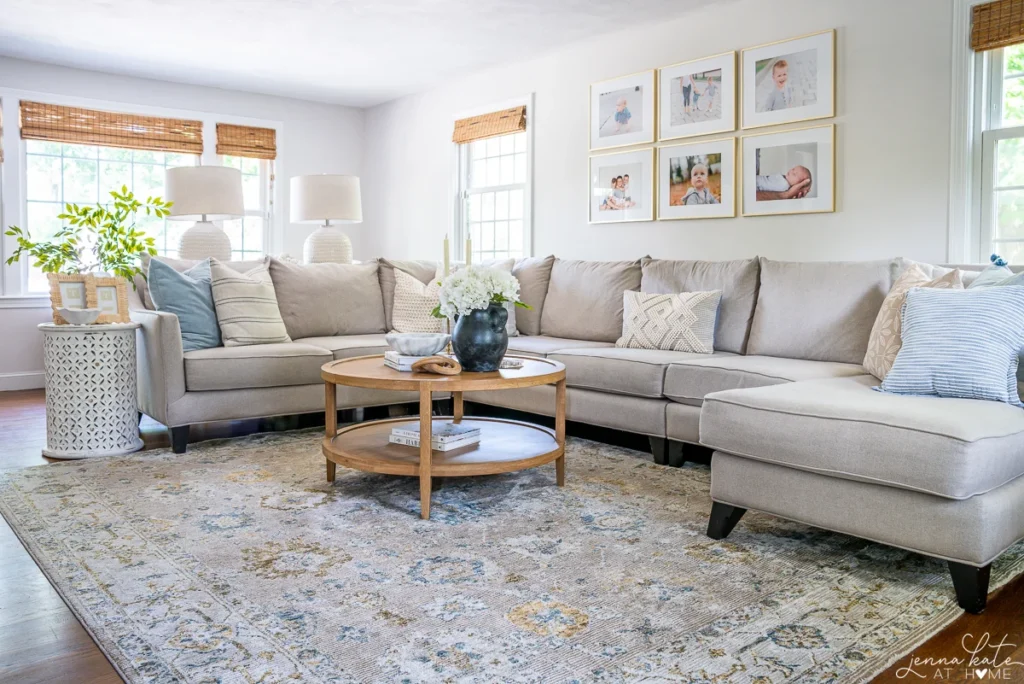
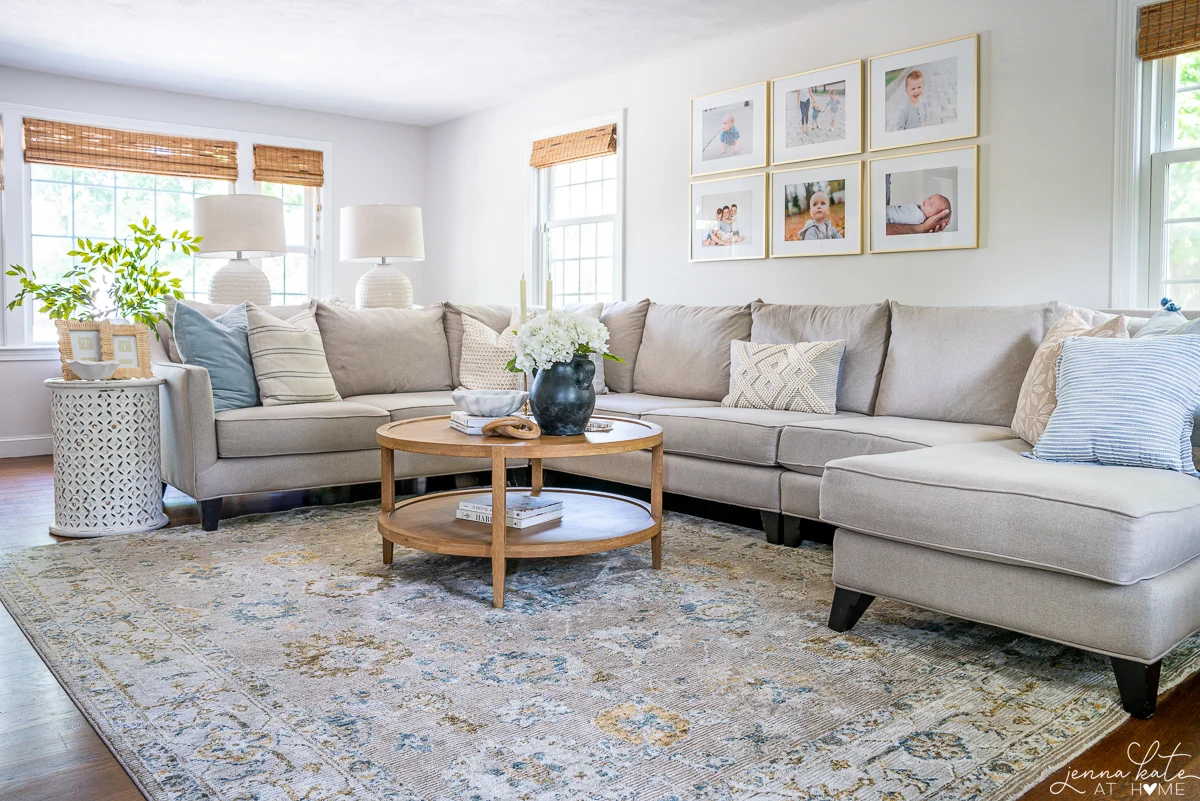
One of the most classic approaches is to place the rug so that it sits centered beneath the sofa. This creates a cohesive visual base that ties the seating area together. For a small living room, choose a rug that extends at least 12‑18 inches beyond the front legs of the sofa; this provides enough negative space to keep the room feeling airy while still defining the conversation zone.
Why Centered Placement Works for Small Living Room Rug Placement Ideas
- It anchors the main seating piece, making the arrangement feel intentional.
- The exposed floor around the rug keeps the space from looking cramped.
- It allows flexibility to add a coffee table or side chairs without disrupting flow.
When selecting a rug for this layout, opt for low‑pile or flat‑weave styles that sit close to the floor, as they won’t overwhelm a modest ceiling height. Light‑colored backgrounds with subtle patterns can also reflect light, enhancing the perception of space.
Aligning the Rug with the Coffee Table
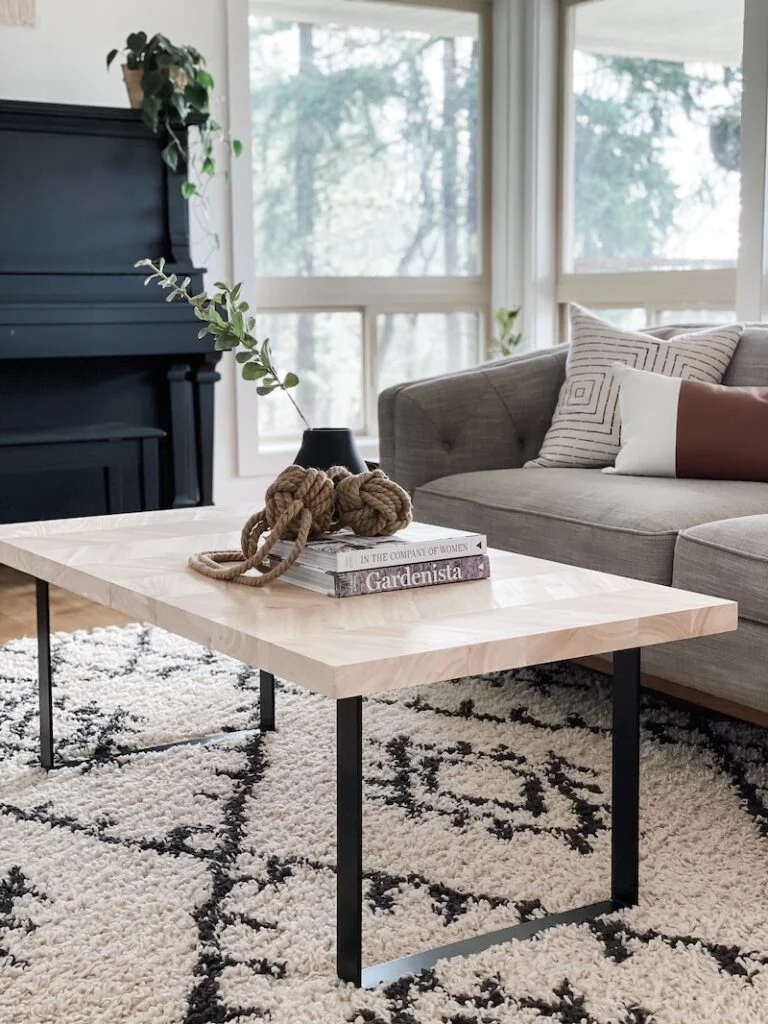
Another effective small living room rug placement idea is to align the rug directly with the coffee table. By ensuring that the rug’s edges extend beyond the table by at least 12 inches on all sides, you create a balanced platform that feels stable and generous, even in a compact setting.
This approach works especially well when the coffee table is the room’s focal point. A rug that mirrors the table’s shape—whether rectangular, round, or square—creates a harmonious visual loop, guiding the eye around the room and preventing a disjointed feel.
Using a Rug to Define a Multi‑Functional Zone
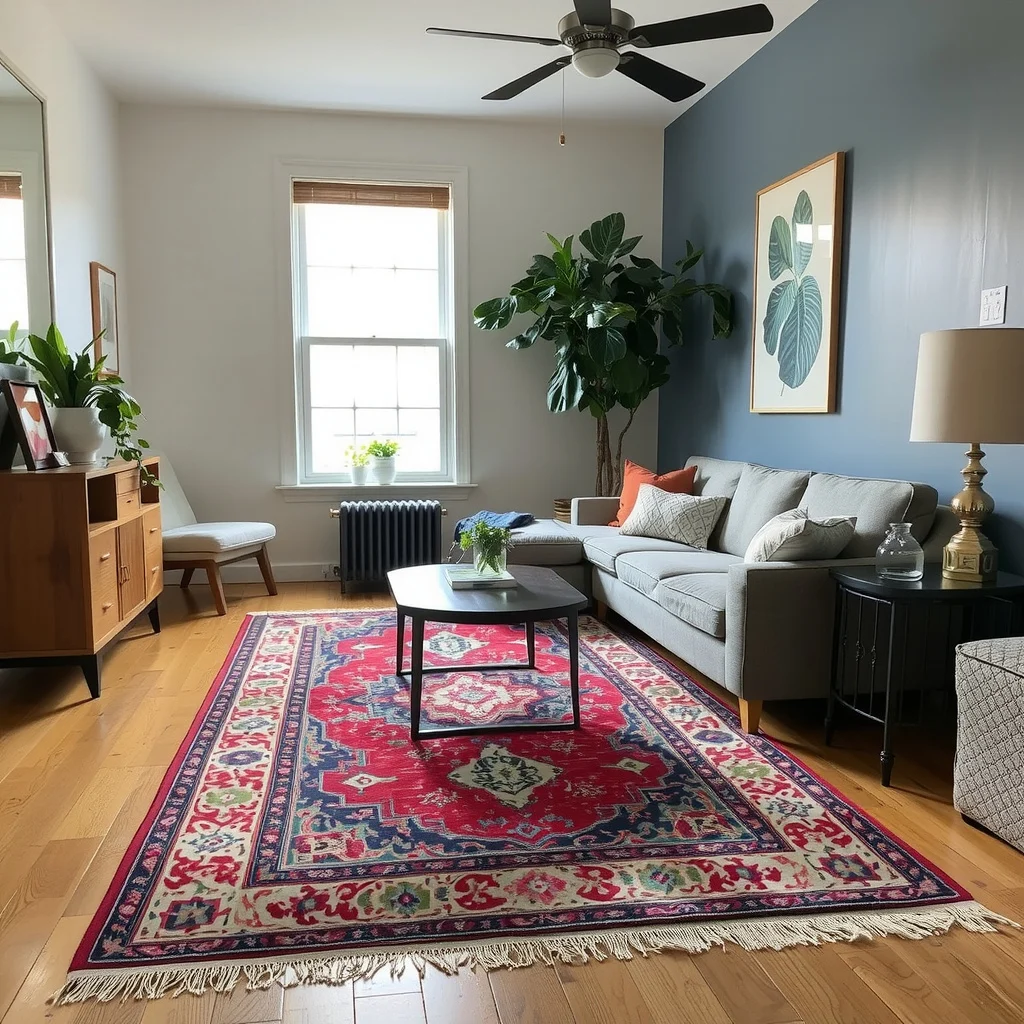
In many small apartments, the living room doubles as a work or dining area. A thoughtful rug placement can demarcate these zones without the need for walls or dividers. Position a rug under the dining chair set or a small desk, keeping at least 18 inches of floor visible around the edges. This signals a shift in purpose while preserving an open‑plan aesthetic.
To maintain cohesion, select a rug with complementary colors to your main living room palette. If your sofa is neutral, a rug with a muted accent hue can subtly differentiate the workspace while still feeling integrated.
Layering Rugs for Texture and Depth
Layering is a trendy small living room rug placement idea that adds depth without sacrificing floor space. Start with a larger, neutral base rug that fits the entire seating area, then place a smaller, patterned rug on top, aligning it with the coffee table or sofa. This technique introduces texture and visual interest, creating a dynamic layered look.
When layering, keep the size difference between the rugs at least 12 inches to avoid a cluttered appearance. Also, choose rugs with different pile heights—perhaps a low‑pile base and a slightly thicker top layer—to prevent tripping hazards and maintain comfort.
Choosing a Runner for Narrow Layouts
If your living room is long and narrow, a runner can be an excellent solution for small living room rug placement ideas. Place the runner in front of the sofa, extending it toward the coffee table or TV console. This elongates the visual field and adds a directional cue that guides movement through the space.
Pick a runner with a subtle pattern that doesn’t overwhelm the limited width. Pair it with a larger area rug placed perpendicular to the runner for a layered effect that adds both length and width to the room’s visual perception.
Rugs as a Backdrop for Wall Art
While rugs are traditionally floor pieces, you can use them creatively as a backdrop for wall art in small living rooms. Hang a large framed piece or gallery wall directly above a low‑profile rug that stretches just enough to frame the artwork. This “floating” effect creates a cohesive visual anchor, especially when the rug’s color palette echoes the tones in the artwork.
This placement idea works best with minimalist, low‑pile rugs that won’t distract from the wall décor. It also offers a subtle way to tie together disparate design elements, making the room feel thoughtfully curated.
Rug Placement for Open‑Plan Living Spaces
In open‑plan homes where the living area flows into the kitchen or dining space, strategic rug placement can delineate each functional area. For small living room rug placement ideas, use a rug to separate the lounge from the adjacent kitchen island or dining table. Ensure the rug is sized to accommodate the main seating group while leaving a clear pathway between zones.
Choosing a rug with a cohesive yet distinct pattern helps maintain visual continuity across the open floor plan. Consider a rug that shares a secondary color from the kitchen backsplash or dining chairs for a harmonious transition.
Quick Home Décor Tips
- Measure before you buy: add at least 12‑18 inches to each side of your furniture for a balanced look.
- Opt for light‑reflecting colors to make the room feel larger.
- Use low‑pile rugs to maintain an open feel and prevent tripping hazards.
Common Mistakes to Avoid with Small Living Room Rug Placement Ideas
Even seasoned decorators can slip up when arranging rugs in limited spaces. Here are a few pitfalls and how to sidestep them:
- Choosing a rug that’s too large: An oversized rug can overwhelm a petite room, making it feel cramped. Always test the layout with painter’s tape before purchasing.
- Neglecting traffic flow: A rug placed directly under a doorway can cause stumbling. Keep pathways clear by leaving at least 24 inches of unobstructed floor space.
- Over‑matching patterns: Pairing a busy rug with heavily patterned furniture can create visual chaos. Balance boldness with neutral pieces.
Frequently Asked Questions
What rug size works best in a 10×12 foot living room?
A 6×9 foot rug is often ideal for a 10×12 foot space. It allows the rug to sit under the front legs of the sofa while leaving a visible border of floor around the edges, preserving an airy feel.
Can I use a rug to hide uneven flooring?
Yes, placing a rug strategically over uneven spots can mask imperfections. Choose a rug with a slightly higher pile to cushion the floor and create a smoother walking surface.
Should I match the rug color to my walls?
Matching the rug to the wall can create a seamless look, but contrasting the rug’s hue with the wall adds depth. For small living rooms, a subtle contrast—like a soft gray rug against off‑white walls—offers visual interest without overwhelming the space.
Is layering rugs suitable for high‑traffic areas?
Layering can work in high‑traffic zones if you use durable, low‑pile rugs that can withstand wear. Secure the layers with non‑slip pads to prevent shifting.
How do I clean a rug in a small living room without moving furniture?
Spot‑clean spills promptly with a gentle cleaner. For deeper cleaning, use a handheld steam cleaner or a rug‑specific vacuum that reaches tight corners without needing to move large pieces of furniture.
By applying these small living room rug placement ideas, you’ll discover that size isn’t a limitation but an opportunity for creativity. A well‑chosen rug can anchor furniture, define zones, and inject personality into even the coziest of spaces. Remember to measure carefully, choose appropriate pile heights, and balance patterns with neutral furnishings. With thoughtful placement, your rug becomes more than a floor covering—it transforms your living room into a harmonious, inviting retreat.