
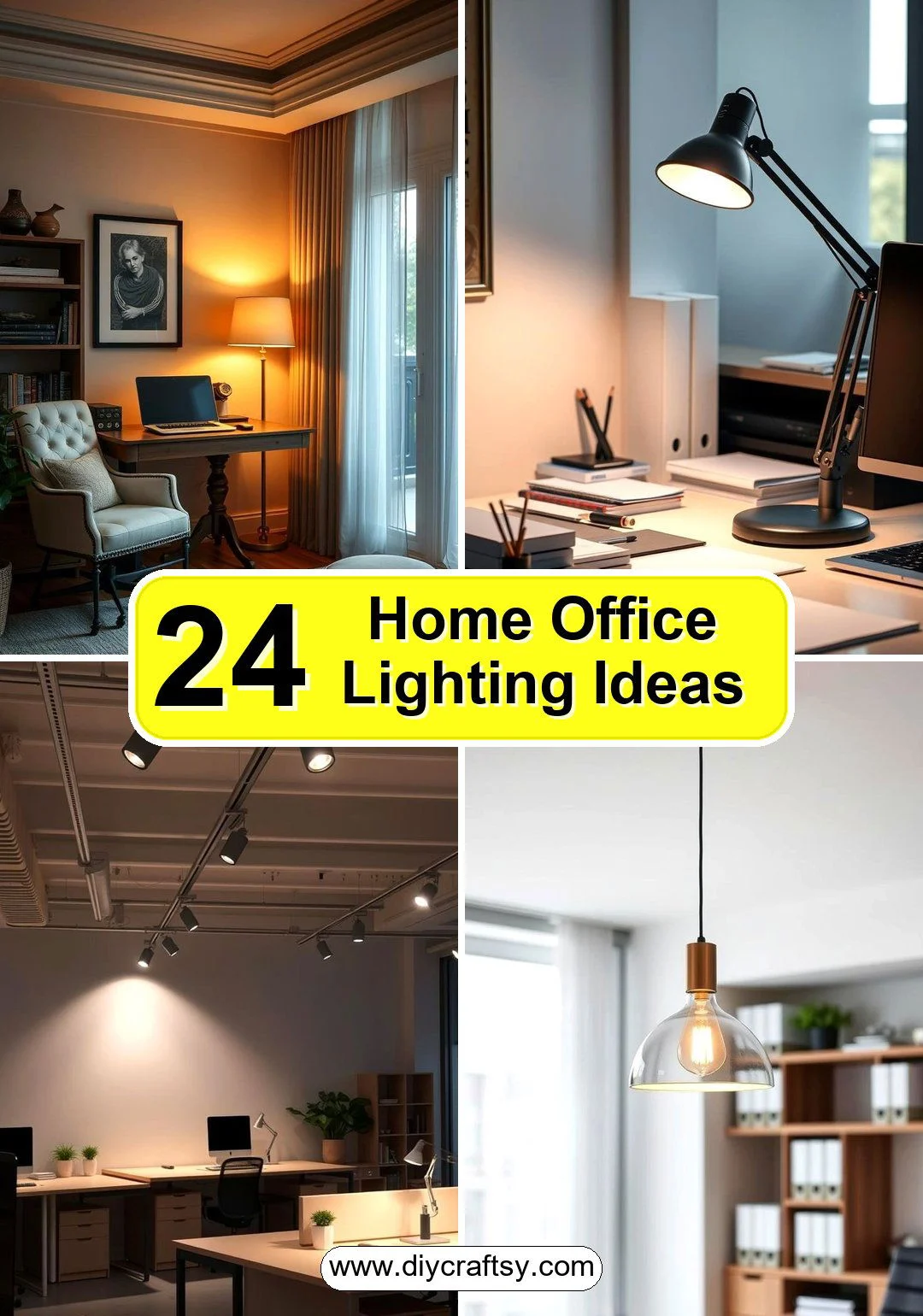
Table of Contents
- home office lighting ideas for productivity: Understanding Light and Its Impact
- home office lighting ideas for productivity: Selecting the Right Color Temperature
- Designing a Balanced Lighting Layout
- Choosing Fixtures That Blend Function and Style
- Lighting for Small Spaces: Maximizing Efficiency
- Integrating Natural Light: Harnessing Daylight Effectively
- Smart Lighting Controls: Automation for Consistent Productivity
- Ergonomic Considerations: Aligning Light With Body Position
- Quick Home Office Lighting Tips
- Common Mistakes and How to Avoid Them
- Frequently Asked Questions
- What type of light bulb is best for a home office?
- Can I use only natural light for my home office?
- How many lumens should my task lighting provide?
- Are smart lighting systems worth the investment?
- What’s the difference between CRI and color temperature?
- How can I reduce eye strain while working long hours?
Home Office Lighting Ideas for Productivity: Brighten Your Workday
Working from home has become a permanent part of many professionals’ lives, and the quality of the environment can make or break daily performance. Among the many factors that influence focus, mood, and energy, lighting stands out as a silent yet powerful driver. Proper illumination not only reduces eye strain but also stimulates the brain, helping you stay alert and motivated throughout long virtual meetings or creative brainstorming sessions.
In this article, we explore a range of home office lighting ideas for productivity that blend function with style. Whether you’re setting up a compact desk in a shared apartment or redesigning a dedicated office nook, you’ll find actionable strategies to enhance visual comfort, boost efficiency, and keep your space looking modern and inviting.
home office lighting ideas for productivity: Understanding Light and Its Impact

Before diving into specific fixtures and layouts, it’s essential to grasp how light interacts with our circadian rhythms and work habits. Natural daylight is the gold standard—it encourages the release of serotonin, a neurotransmitter linked to alertness and mood. However, most home offices can’t rely solely on windows, especially in urban apartments or basement rooms. That’s why home office lighting ideas for productivity must incorporate layered lighting: ambient, task, and accent.
Ambient lighting provides overall illumination, preventing harsh shadows and creating a balanced environment. Task lighting focuses on the work area—think desk lamps or adjustable LEDs—ensuring precise visual tasks like reading documents or editing graphics are comfortable. Accent lighting adds depth and personality, highlighting artwork or a favorite shelf, and can serve as a subtle visual cue to separate work from leisure.
home office lighting ideas for productivity: Selecting the Right Color Temperature
Color temperature, measured in Kelvin (K), influences how a space feels. For productivity, a cooler temperature (4,000–6,500 K) mimics daylight and promotes concentration. Warmer tones (2,700–3,300 K) are best for relaxation areas but can make a workspace feel sluggish if overused. Consider a tunable LED fixture that lets you shift between cool and warm settings throughout the day—bright, cool light for morning tasks and a softer glow as the evening approaches.
Designing a Balanced Lighting Layout
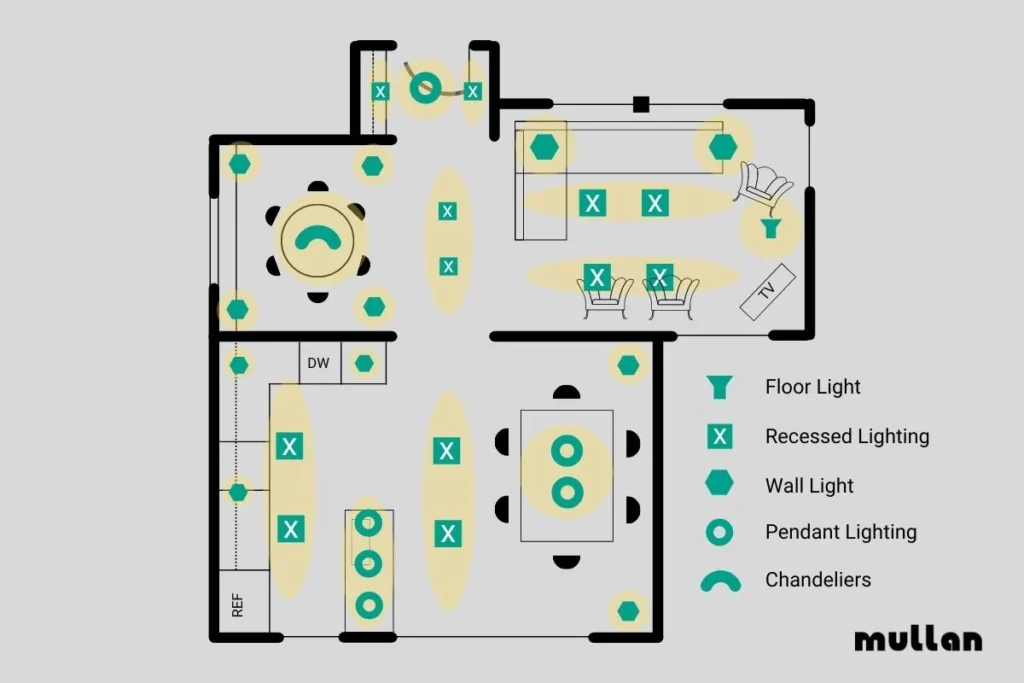
A well‑planned layout prevents glare on monitors and minimizes shadows on your hands. Start by positioning your desk near a source of natural light, if possible, with the screen perpendicular to the window to avoid direct glare. Complement this with a ceiling-mounted fixture or a recessed downlight that spreads even illumination across the room.
- Ceiling lighting: Use dimmable LED panels or flush‑mount fixtures that deliver uniform ambient light without consuming excessive space.
- Task lighting: An adjustable arm lamp with a high CRI (Color Rendering Index) of 90+ ensures colors appear true, critical for design work.
- Accent lighting: LED strip lights behind shelves or under a floating desk add visual interest and can be programmed to change hue, providing a gentle reminder to take breaks.
When wiring, keep cords organized with cable clips or a simple cable management box. A tidy setup not only looks professional but also reduces the risk of accidental unplugging during a video call.
Choosing Fixtures That Blend Function and Style
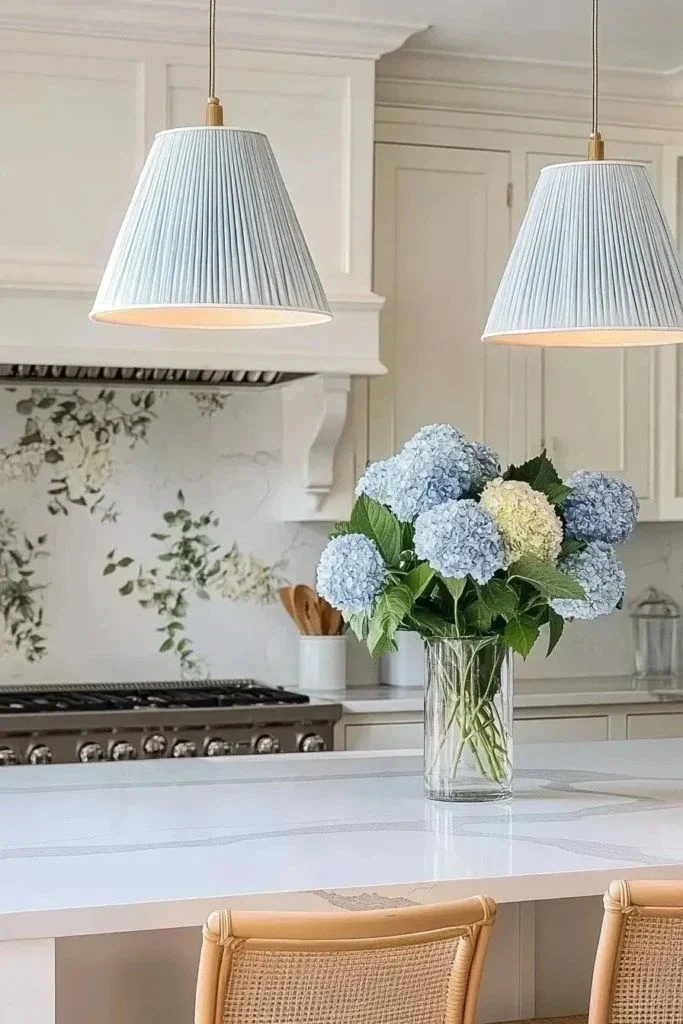
Modern home décor celebrates minimalism and clean lines, and your lighting should reflect that aesthetic while serving practical needs. Below are three fixture types that marry form and function for a productive home office.
- Mid‑century modern desk lamps: Featuring brass finishes and tapered shades, these lamps provide focused light and a touch of retro charm.
- Industrial pendant lights: Hanging over a large workbench, they deliver strong downward illumination and add a rugged, urban vibe.
- Sleek smart bulbs: Integrated with Wi‑Fi or Bluetooth, they allow you to adjust brightness and color temperature via an app, perfect for dynamic lighting schedules.
For inspiration on how to incorporate statement lighting without overwhelming the space, check out our guide on Simple Hallway Lighting Ideas – Brighten Your Home with Style. The same principles apply—choose fixtures that complement your office’s color palette and architectural details.
Lighting for Small Spaces: Maximizing Efficiency
Compact apartments often force homeowners to be creative with limited floor space. In small home offices, vertical lighting becomes a valuable ally. Wall‑mounted sconces free up desk real estate while providing ample task light. Pair sconces with a mirror placed opposite a window to bounce daylight deeper into the room, effectively expanding the perceived space.
If you’re working in a studio apartment, consider a fold‑away desk with an integrated LED strip that slides out when needed. The strip’s low profile ensures it doesn’t dominate the room, yet it supplies crisp, even illumination across the work surface. This approach mirrors the clever solutions found in Tiny Living Room Décor Inspiration: Smart Ideas for Small Spaces, where every square inch is optimized for functionality and style.
Integrating Natural Light: Harnessing Daylight Effectively
Even the most sophisticated artificial lighting cannot replace the psychological benefits of sunlight. To make the most of natural light, keep window treatments light and adjustable—sheer curtains or top‑down blinds let you control glare while preserving brightness.
Reflective surfaces amplify daylight. A light‑colored wall behind the desk, a glossy desk surface, or a strategically placed mirror can double the amount of light entering the room. If privacy is a concern, frosted window film maintains openness while obscuring view from the street.
Smart Lighting Controls: Automation for Consistent Productivity
Automation reduces the mental load of remembering to adjust lighting throughout the day. Smart plugs paired with motion sensors can dim lights when you leave the room, while scheduled routines shift color temperature at set times—cool light at 8 am, warm light at 6 pm, for example.
Voice assistants like Amazon Alexa, Google Assistant, or Apple HomeKit integrate seamlessly with most smart bulbs. A simple command such as “Hey Google, set my office lights to 5,000 K” instantly creates an optimal work environment without interrupting your flow.
Ergonomic Considerations: Aligning Light With Body Position
Ergonomics extends beyond chair height and monitor placement; lighting angle plays a crucial role. Position task lights at a 30‑degree angle from your work surface to reduce glare on the screen and prevent shadows on your hands. Adjustable arms allow you to fine‑tune the direction as you shift between typing, sketching, or video calls.
Don’t overlook the importance of a well‑lit background for video conferencing. A soft, diffused light behind you—often achieved with a ring light or a softbox—creates a flattering, professional appearance and reduces the “shadowy” look many remote workers struggle with.
Quick Home Office Lighting Tips
- Use a dimmable LED ceiling panel for uniform ambient light.
- Install an adjustable desk lamp with a cool 5,000 K setting for focused tasks.
- Incorporate a smart bulb that can shift from cool to warm throughout the day.
- Place a reflective surface opposite a window to double natural light.
- Set motion‑sensor timers to turn off lights automatically when the room is vacant.
Common Mistakes and How to Avoid Them
Even seasoned remote workers can fall into lighting traps that undermine productivity. Below are frequent errors and practical fixes.
- Relying solely on overhead fluorescence: Fluorescent lights flicker at a frequency that can cause eye fatigue. Replace them with full‑spectrum LED panels.
- Over‑illuminating the space: Too much brightness can cause glare and headaches. Use a dimmer switch to fine‑tune intensity.
- Neglecting color temperature consistency: Mixing warm and cool lights creates visual dissonance. Stick to a consistent temperature for the majority of the workday.
- Placing the monitor directly opposite a window: This setup creates glare and reduces contrast. Angle the monitor at a 90‑degree angle to the window, or use an anti‑glare screen.
- Forgetting about background lighting for video calls: A well‑lit background improves on‑camera appearance. Add a softbox or LED panel behind you for a clean, professional look.
Frequently Asked Questions
What type of light bulb is best for a home office?
LED bulbs with a high CRI (90+) and a color temperature between 4,000 K and 5,000 K are ideal. They provide bright, clear light that mimics daylight without the heat or energy consumption of traditional incandescent bulbs.
Can I use only natural light for my home office?
Natural light is excellent, but most homes have limited window space or variable weather. Complementing daylight with adjustable LED fixtures ensures consistent illumination throughout the day and night.
How many lumens should my task lighting provide?
For a typical desk, aim for 500–800 lumens from a task lamp. If you perform detailed work like graphic design or drafting, consider a lamp that can deliver up to 1,200 lumens.
Are smart lighting systems worth the investment?
Smart lighting offers convenience, energy savings, and the ability to program color temperature changes that align with your circadian rhythm. For those who value automation and flexibility, the investment pays off in comfort and productivity.
What’s the difference between CRI and color temperature?
CRI measures how accurately a light source reveals colors compared to natural sunlight. A high CRI is essential for tasks requiring color precision. Color temperature indicates the hue of the light—cool (bluish) or warm (yellowish)—and influences mood and alertness.
How can I reduce eye strain while working long hours?
Maintain a balanced lighting ratio: ambient light should be about 1.5 times the brightness of your screen. Use a matte screen filter, take regular 20‑20‑20 breaks (every 20 minutes, look at something 20 feet away for 20 seconds), and keep task lighting positioned to avoid glare.
Implementing thoughtful home office lighting ideas for productivity transforms your workspace into a hub of focus, comfort, and visual appeal. By combining natural daylight, layered artificial lighting, and smart controls, you’ll create an environment that supports sustained concentration and enhances overall well‑being.
Ready to revamp your office? Start with one change—perhaps swapping a harsh fluorescent fixture for a dimmable LED panel—and observe the difference. Small, intentional adjustments accumulate, delivering a brighter, more productive workday.