

Table of Contents
- Understanding Market Fundamentals: Why Bedroom Count Matters
- How Square Footage Influences the 3 Bedroom vs 4 Bedroom Resale Value
- 3 bedroom vs 4 bedroom resale value in different neighborhoods
- Design Flexibility and Buyer Appeal: The Real Estate Edge of an Extra Room
- Multi‑functional rooms in a 3‑bed layout
- Cost Considerations and ROI: When Adding a Bedroom Pays Off
- Renovation budgets for adding a bedroom
- Demographic Trends Shaping Demand for 3 and 4 Bedroom Homes
- Families, retirees, and investors
- Practical Tips for Maximizing Resale Value in Both Layouts
- Staging strategies for 3 vs 4 bedroom homes
- Quick Home Décor Tips to Boost Appeal
- Common Mistakes to Avoid When Evaluating 3 Bedroom vs 4 Bedroom Value
- Frequently Asked Questions
- Final Thoughts on the 3 Bedroom vs 4 Bedroom Resale Value Debate
3 Bedroom vs 4 Bedroom Resale Value: What Homeowners Should Know
When you’re planning a new build, a major renovation, or simply weighing which property to buy, the number of bedrooms can feel like the most decisive factor. A 3 bedroom home often feels just right for a growing family, while a 4 bedroom layout promises extra flexibility for guests, a home office, or a hobby room. Yet, the impact of that extra room on resale value isn’t always straightforward. Understanding how market dynamics, design trends, and buyer expectations intersect can save you thousands of dollars and help you make a design that truly pays off.
In this article we’ll unpack the nuances behind the 3 bedroom vs 4 bedroom resale value debate. You’ll learn how square footage, location, and interior styling influence buyer perception, what renovation choices generate the strongest return on investment, and practical tips to make either floor plan shine on the market. Whether you’re a first‑time buyer, an investor, or a homeowner looking to upgrade, the insights below will guide you toward a decision that aligns with both lifestyle goals and financial returns.
Understanding Market Fundamentals: Why Bedroom Count Matters

The number of bedrooms is one of the most visible metrics on a listing, and it instantly shapes a buyer’s mental model of a property’s suitability. Real‑estate data from major MLS boards consistently shows that homes with an extra bedroom tend to list at a higher price point, but the premium varies widely based on supply, demand, and local demographics.
In high‑growth suburban markets where families are actively seeking space for children and home offices, a 4 bedroom can command a 7‑12% price premium over a comparable 3 bedroom. Conversely, in dense urban neighborhoods where land is scarce and buyers prioritize walkability over extra rooms, the premium may shrink to 2‑4% or even disappear entirely.
What drives this variation? It’s a blend of three forces:
- Population trends: More households are forming, and many now include remote workers who need dedicated workspaces.
- Inventory constraints: When the market is tight, even a modest increase in usable space can set a property apart.
- Buyer psychology: The perception of “future‑proofing” a home—having room to grow—often translates into willingness to pay more.
Thus, the 3 bedroom vs 4 bedroom resale value equation is less about raw numbers and more about context. In the sections that follow we’ll explore how that context shifts across square footage, design flexibility, cost, and demographics.
How Square Footage Influences the 3 Bedroom vs 4 Bedroom Resale Value
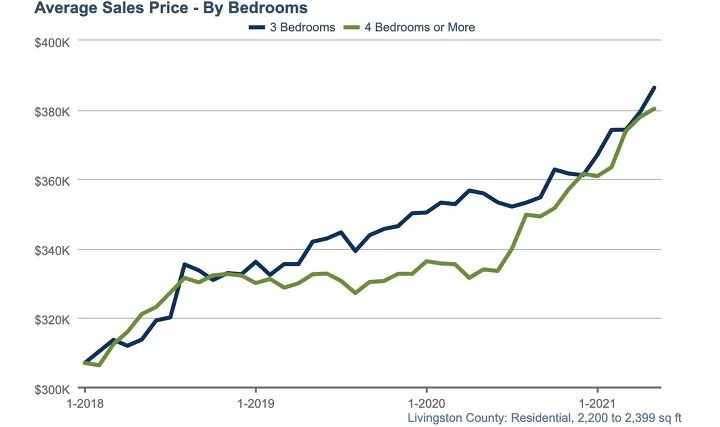
Adding an extra bedroom usually means adding square footage, but the quality of that added space matters far more than the quantity. A well‑designed 4th bedroom that feels spacious, bright, and functional can boost a home’s appeal dramatically, while a cramped, poorly lit addition may actually detract from perceived value.
3 bedroom vs 4 bedroom resale value in different neighborhoods
Consider two scenarios:
- Suburban family‑centric community: Here, the average lot size allows for generous floor plans. A 4 bedroom home typically offers an extra 150‑250 sq ft of livable space, which translates into a tangible premium of $20,000‑$35,000 in many markets.
- Urban infill development: In a town‑home setting, the fourth bedroom might be a converted closet or a narrow “bonus” room. The same square footage may only add $5,000‑$8,000 because buyers value open‑plan living over an additional door.
Design decisions that maximize the perceived size of the extra bedroom—such as high ceilings, large windows, or a walk‑in closet—can tilt the resale value in favor of the 4 bedroom version, even in tighter markets.
One practical way to enhance that perception is through thoughtful lighting. For instance, integrating home office lighting ideas for productivity can transform a secondary bedroom into a bright, inviting workspace, appealing to remote‑work buyers.
Design Flexibility and Buyer Appeal: The Real Estate Edge of an Extra Room
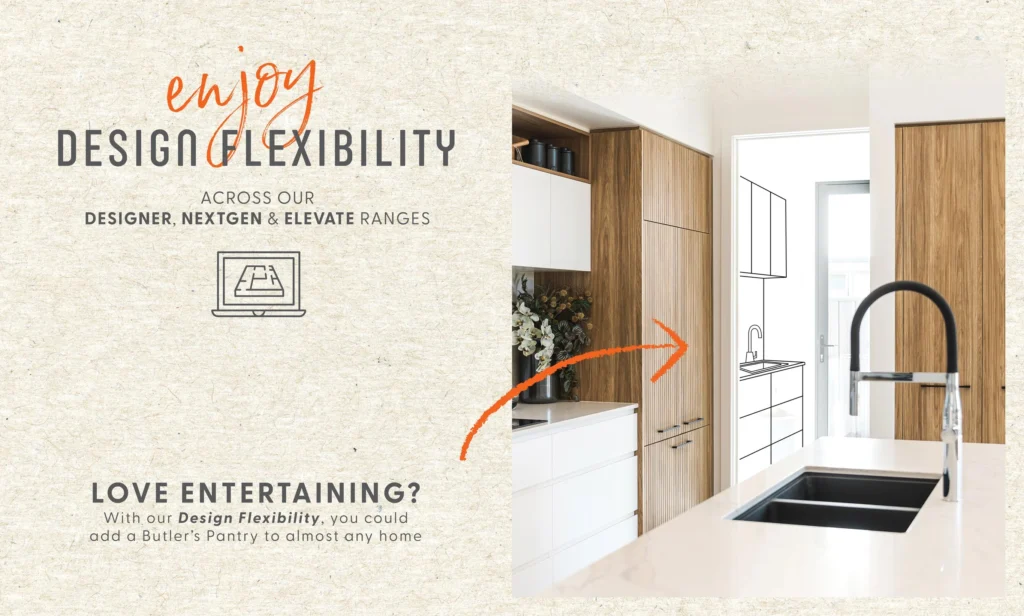
Beyond raw square footage, the flexibility a 4th bedroom provides can be a decisive factor for many buyers. Modern households often need more than just sleeping quarters; they need multi‑purpose spaces that adapt to evolving lifestyles.
Multi‑functional rooms in a 3‑bed layout
Homeowners with a 3 bedroom floor plan can still achieve flexibility by incorporating clever design strategies:
- Murphy beds: A wall‑mounted bed that folds away creates a guest room without sacrificing daily living space.
- Room dividers: Sliding panels can separate a large bedroom into a private sleeping area and a small office nook.
- Dual‑purpose furniture: A daybed with storage functions as both a sleeping surface and a seating area.
These solutions help a 3 bedroom property compete with a 4 bedroom rival, especially when the latter’s fourth room feels like an afterthought. However, a true fourth bedroom offers a clean, dedicated door, closet space, and often a separate bathroom access—features that are hard to replicate with clever tricks alone.
When staging a home for sale, showcasing the potential of a secondary bedroom as a home office, hobby studio, or fitness room can elevate perceived value. Pair this with simple hallway lighting ideas that brighten the transition spaces, making the overall flow feel more expansive.
Cost Considerations and ROI: When Adding a Bedroom Pays Off
Renovating to add a fourth bedroom isn’t just about carving out an extra door; it involves structural changes, HVAC extensions, and possibly new plumbing for an adjoining bathroom. Understanding the cost‑to‑value ratio is essential before committing to a major project.
Renovation budgets for adding a bedroom
Typical costs for a full‑scale bedroom addition range from $30,000 to $70,000 depending on region, materials, and whether the project is a ground‑level extension or an upper‑story conversion. Here’s a quick breakdown:
- Design and permits: $2,000‑$5,000
- Framing and structural work: $8,000‑$15,000
- Electrical and lighting: $3,000‑$6,000 (including energy‑efficient fixtures)
- Finishes (drywall, flooring, paint): $5,000‑$12,000
- Optional bathroom add‑on: $12,000‑$20,000
In markets where the 3 bedroom vs 4 bedroom resale value premium exceeds 10%, the investment can be recouped comfortably. In lower‑margin markets, a more modest upgrade—like converting an attic or basement into a livable bedroom—might provide a better ROI.
Energy‑efficient upgrades, such as LED lighting or low‑flow fixtures, not only appeal to eco‑conscious buyers but also align with trends highlighted in articles like best solar pool lights illuminating your pool, reinforcing a modern, sustainable image.
Demographic Trends Shaping Demand for 3 and 4 Bedroom Homes
Buyer demographics have shifted dramatically over the past decade. Millennials, now entering their prime home‑buying years, often prioritize home offices and flexible spaces, while Gen‑X families look for extra rooms for growing children or aging parents.
Families, retirees, and investors
Each group values bedroom count differently:
- Young families (mid‑20s to early 40s): Prefer 4 bedroom homes for the extra space to accommodate a nursery, a playroom, or a shared office. The 3 bedroom vs 4 bedroom resale value premium is strongest here.
- Empty‑nesters and retirees: May downsize to a 3 bedroom to reduce maintenance costs, but they often appreciate a spare bedroom for visiting grandchildren or a guest suite.
- Investors: Favor 4 bedroom properties for higher rental yields, especially in college towns or suburban rental markets where each additional bedroom can command a higher rent per square foot.
Understanding which demographic dominates your local market can guide you toward the most financially sound bedroom configuration. For example, a property near a major university might achieve a higher 3 bedroom vs 4 bedroom resale value uplift by catering to student‑friendly layouts with a dedicated study room.
Practical Tips for Maximizing Resale Value in Both Layouts
Whether you own a 3 bedroom or a 4 bedroom home, certain design and staging choices consistently boost market appeal. Below are actionable recommendations that align with modern home décor trends and can help you achieve the best possible resale price.
Staging strategies for 3 vs 4 bedroom homes
- Neutral color palette: Light, warm neutrals make rooms feel larger and more inviting, a tactic praised by professional stagers worldwide.
- Strategic furniture placement: In a 3 bedroom, position a sleek sofa and a statement rug in the living area to emphasize openness. For a 4 bedroom, showcase the fourth room as a functional office with a stylish desk and ergonomic chair.
- Highlight natural light: Use sheer window treatments and add task lighting like a home office lighting setup to demonstrate the room’s versatility.
- Upgrade hardware: Modern doorknobs, cabinet pulls, and smart locks add a premium feel with relatively low cost.
- Incorporate greenery: Potted plants improve air quality and create a lived‑in look that resonates with buyers seeking a move‑in ready home.
When you have limited square footage, consider the advice from our guide on tiny living room décor inspiration. Using multi‑functional furniture and reflective surfaces can make a modest 3 bedroom feel as spacious as a larger rival.
Quick Home Décor Tips to Boost Appeal
- Use LED recessed lighting in hallways to enhance depth without clutter.
- Install a statement mirror opposite a window to double natural light.
- Replace outdated carpet with hardwood or high‑quality laminate for a timeless look.
- Add a coordinated accent wall in the master bedroom using a subtle, modern hue.
- Place a stylish rug that defines each functional zone, especially in open‑plan areas.
Common Mistakes to Avoid When Evaluating 3 Bedroom vs 4 Bedroom Value
Even seasoned homeowners can stumble on pitfalls that erode potential resale gains. Here are the most frequent errors and how to sidestep them:
- Over‑building without market demand: Adding a fourth bedroom in a market that favors smaller, low‑maintenance homes can result in a property that sits longer on the market.
- Neglecting flow: A poorly placed bedroom that disrupts traffic patterns can feel cramped. Ensure each bedroom has a clear, private entrance and adequate closet space.
- Outdated finishes: Using cheap laminate or low‑grade fixtures in the added room can lower perceived quality, undermining the 3 bedroom vs 4 bedroom resale value advantage.
- Ignoring energy efficiency: Buyers now scrutinize utility costs. Upgrading insulation and installing smart thermostats can make a bigger impact than an extra square foot.
Frequently Asked Questions
Does a larger bedroom count always guarantee a higher selling price?
Not necessarily. While a fourth bedroom can increase listing price, the premium depends on location, market conditions, and how well the space is finished. In high‑demand suburban areas, the boost can be substantial; in dense urban markets, the effect may be modest.
Can I convert an existing space into a bedroom without a full addition?
Yes. Converting a finished basement, attic, or large closet into a bedroom can add functional space at a lower cost. Ensure the room meets local code requirements for egress, ceiling height, and ventilation to qualify as a legal bedroom.
How important is a dedicated bathroom for the fourth bedroom?
A nearby full bathroom dramatically increases the appeal of a fourth bedroom, especially for families with children or older buyers who value privacy. If a private en‑suite isn’t feasible, a well‑placed Jack‑and‑Jill bathroom can still add value.
What design trends are buyers looking for in 2024?
Buyers favor open‑plan living, natural light, sustainable materials, and smart‑home integrations. Incorporating these elements—such as LED lighting, energy‑efficient appliances, and minimalistic hardware—helps both 3 and 4 bedroom homes stand out.
Should I stage a 3 bedroom home as if it were a 4 bedroom?
If you have a flexible space (e.g., a den or large office) that can be easily re‑imagined as a bedroom, staging it that way can attract buyers looking for extra rooms. However, avoid misleading representations; clear labeling in listings prevents future disputes.
Final Thoughts on the 3 Bedroom vs 4 Bedroom Resale Value Debate
Choosing between a 3 bedroom and a 4 bedroom home is far more nuanced than simply counting doors. The true resale value hinges on how the extra room integrates with the overall layout, the quality of finishes, and the specific demands of your local market. By evaluating square footage, design flexibility, renovation costs, and demographic trends, you can determine which configuration offers the best return on your investment.
Remember that thoughtful design—whether it’s bright, well‑lit interiors, flexible multi‑purpose rooms, or eco‑friendly upgrades—can amplify the perceived value of any floor plan. Use the practical tips and common‑mistake warnings outlined above to make informed decisions that not only meet today’s needs but also position your home for a strong resale in tomorrow’s market.
Ready to apply these insights? Start by assessing your local buyer profile, map out potential design enhancements, and consider a professional staging plan that highlights each bedroom’s best use. With the right strategy, whether you opt for three or four bedrooms, your home can achieve a compelling resale price that reflects both functional appeal and modern style.