
Table of Contents
- Understanding the Appeal of Home Décor with Woven Textures
- Choosing the Right Woven Materials for Different Rooms
- How to Use home décor with woven textures in the Living Room
- Integrating Woven Textiles in Bedrooms and Small Spaces
- Sustainable and Eco‑Friendly Woven Options
- Styling Tips to Balance Texture and Color
- Quick Tips for Woven Home Décor
- Common Mistakes to Avoid When Using Woven Textures
- Frequently Asked Questions
Home Décor with Woven Textures – Timeless Styling Ideas
Woven textures have a way of turning a simple room into a tactile, inviting sanctuary. From the subtle rustle of a hand‑woven rug to the bold statement of a wicker wall panel, these natural fibers bring warmth, depth, and a sense of craftsmanship that modern furnishings often lack. As homeowners and renters alike seek ways to personalize their spaces without overwhelming budgets, incorporating woven elements becomes a smart, versatile strategy.
Beyond aesthetics, woven materials are remarkably adaptable. They can soften sleek lines in a contemporary loft, add a cozy layer to a minimalist bedroom, or act as a focal point in a compact apartment. This article will walk you through the fundamentals of integrating woven textures into home décor, provide room‑by‑room ideas, and share sustainable sourcing tips so you can design with confidence and conscience.
Whether you’re a seasoned interior enthusiast or just beginning to explore the world of textures, you’ll find actionable advice that blends style, function, and sustainability. Let’s unravel the possibilities of home décor with woven textures and see how a few thoughtful pieces can transform your living environment.
Understanding the Appeal of Home Décor with Woven Textures
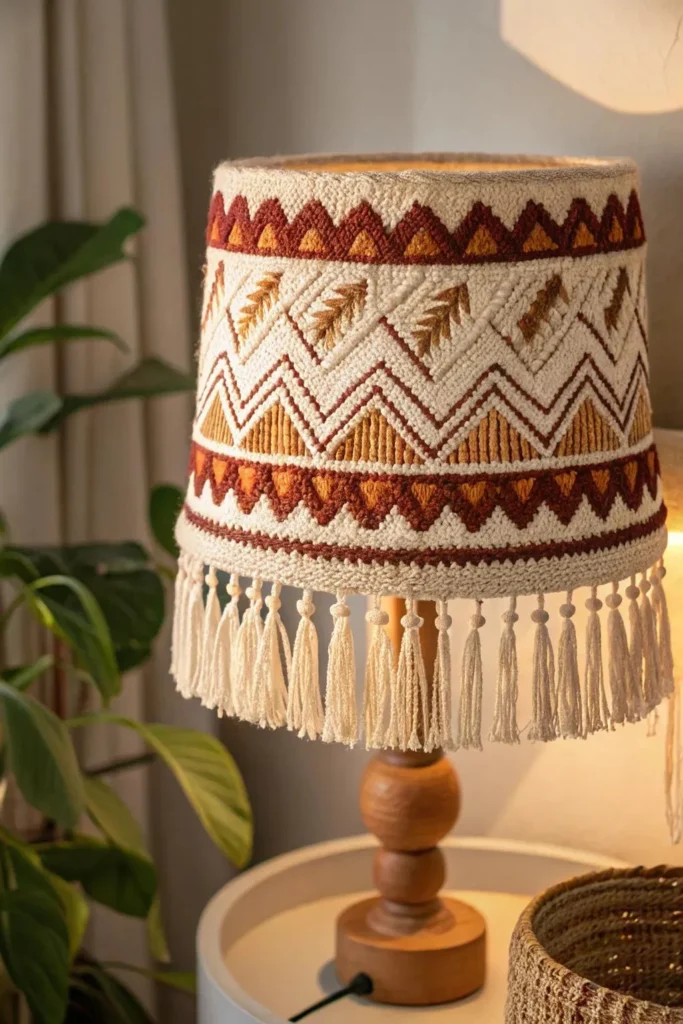
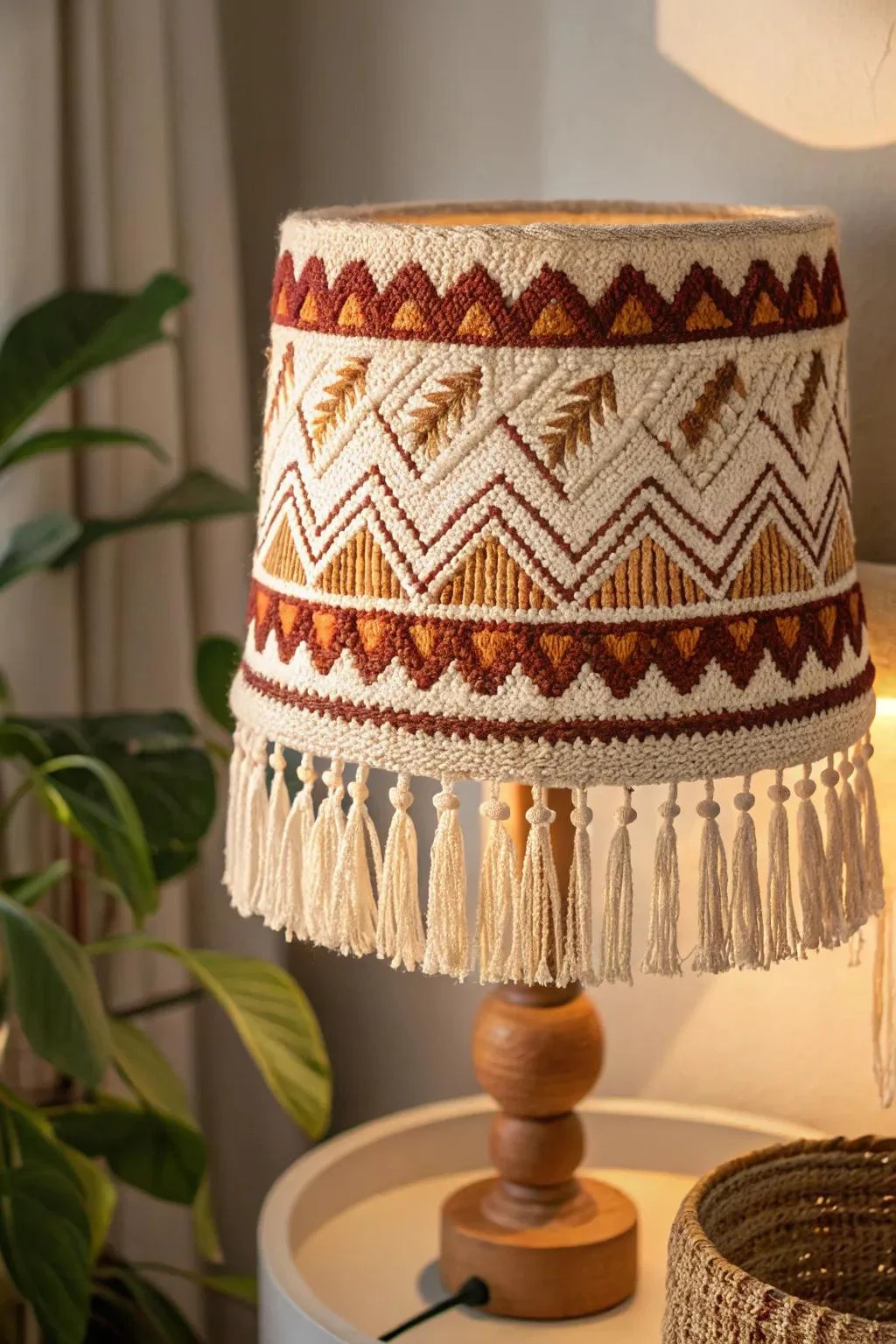
The allure of woven textures lies in their ability to engage both sight and touch. A well‑chosen woven rug, basket, or wall hanging introduces subtle patterns that catch the eye, while the tactile quality invites occupants to linger, touch, and feel. This multisensory experience aligns perfectly with current interior design trends that prioritize comfort and authenticity.
From a psychological standpoint, natural fibers such as jute, rattan, and cotton evoke a sense of calm and connection to nature—qualities that are especially valuable in high‑stress urban living. Moreover, woven pieces often carry a story: a hand‑loomed throw from a small cooperative, a reclaimed bamboo wall panel, or a sustainably harvested seagrass basket. These narratives add depth to a space, making the décor feel lived‑in rather than staged.
In practice, the versatility of woven textures means they can be layered with other materials—metal, glass, wood—to create balanced compositions. For example, a sleek glass coffee table paired with a chunky woven rug anchors the room while preserving a modern silhouette. Understanding how woven elements interact with other design components is the first step toward mastering home décor with woven textures.
Choosing the Right Woven Materials for Different Rooms
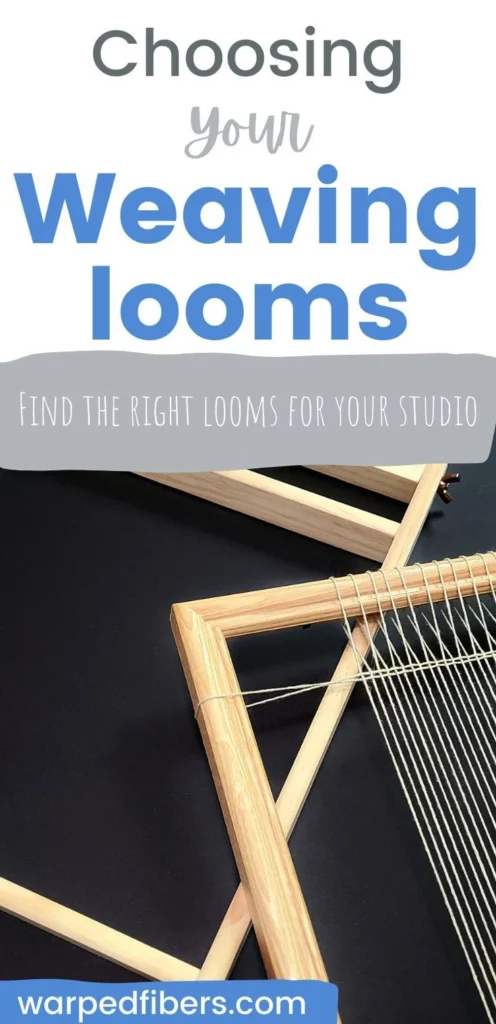
Not all woven materials suit every environment. Selecting the appropriate fiber, weave, and finish ensures durability, visual harmony, and comfort. Below is a quick guide to help you match material to function:
- Jute and Sisal: Ideal for high‑traffic areas like hallways and living rooms because of their durability and natural, earthy tones.
- Cotton and Linen: Soft, breathable, and perfect for bedroom throws, cushion covers, and light drapery.
- Seagrass and Rattan: Great for decorative baskets, wall hangings, and accent furniture; they add a light, airy feel.
- Bamboo and Reed: Works well for blinds, room dividers, and low‑profile shelving, offering a sleek yet organic aesthetic.
When choosing, consider the room’s exposure to sunlight, humidity, and foot traffic. For instance, a woven rug in a sunny kitchen may fade faster; opting for a low‑dye, natural‑colored jute can mitigate this. Meanwhile, a linen throw in a damp bathroom should be treated with a moisture‑resistant finish to prevent mold.
For more nuanced guidance on selecting textiles that complement your overall style, explore our clean interior design ideas guide, which delves into color palettes and material pairings.
How to Use home décor with woven textures in the Living Room
The living room is the heart of most homes, making it an ideal canvas for woven accents. Start with a foundational piece—such as a large hand‑woven rug that anchors the seating area. Follow with layered textures: a rattan coffee table, wicker baskets for storage, and a chunky cotton throw draped over the sofa. When the space feels too busy, step back and let a single woven element dominate, like a dramatic seagrass wall panel that becomes the room’s visual anchor.
Balance is crucial. Pair the warm, organic feel of woven pieces with sleek metal or glass accessories to keep the room from feeling overly rustic. A set of brushed‑nickel floor lamps, for example, can provide a modern counterpoint to a soft, natural rug.
Integrating Woven Textiles in Bedrooms and Small Spaces
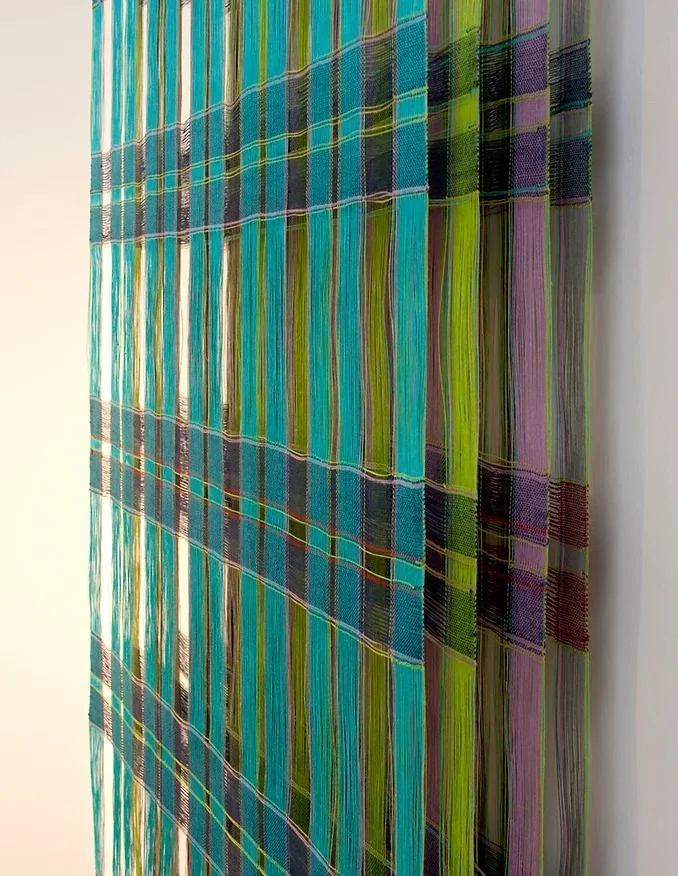
Bedrooms thrive on coziness, and woven textures are the perfect vehicle to achieve that intimate atmosphere. A hand‑loomed blanket at the foot of the bed adds a tactile layer without cluttering the space, while woven wall hangings can serve as subtle focal points that don’t compete with artwork or headboards.
In compact apartments, every square foot counts. Choose multi‑functional woven pieces: a storage ottoman made from woven wicker can hold blankets or magazines, while a woven basket on a bedside table keeps nighttime essentials organized. Because woven items are generally lightweight, they can be easily moved or re‑arranged, allowing renters to refresh their décor without permanent alterations.
If you’re looking for inspiration on how to blend neutral tones with woven accents, the article on entryway décor with neutral rugs offers timeless styling tips that translate beautifully into bedroom settings.
Sustainable and Eco‑Friendly Woven Options
Eco‑conscious consumers are increasingly drawn to woven décor because many natural fibers are renewable, biodegradable, and often produced with minimal chemical processing. When shopping, look for certifications such as GOTS (Global Organic Textile Standard) for cotton or FSC (Forest Stewardship Council) for bamboo and rattan.
Reclaimed materials also provide a sustainable edge. Upcycled denim rugs, reclaimed wicker furniture, and vintage woven tapestries add character while diverting waste from landfills. Many artisans now incorporate recycled plastic fibers into their weaves, creating durable, weather‑resistant pieces suitable for indoor‑outdoor transitions.
For a deeper dive into sustainable material sourcing, see our piece on Japandi style home décor inspiration, which blends minimalism with eco‑friendly craftsmanship.
Styling Tips to Balance Texture and Color
Woven textures can either harmonize or clash with a room’s color scheme depending on how they’re introduced. Here are three core principles to keep your palette cohesive:
- Anchor with Neutrals: Use a neutral base—beige, soft gray, or muted ivory—for your largest woven piece (like a rug). This allows colorful accessories to stand out without overwhelming the eye.
- Introduce One Accent Color: Choose a single hue for smaller woven items (pillows, throws) to create visual interest. For example, a teal linen pillow can enliven a jute rug without creating visual noise.
- Mix Scale, Not Pattern: Pair a fine‑woven linen throw with a bold, coarse‑woven rug. The difference in scale adds depth, while keeping patterns distinct prevents a cluttered look.
Remember to step back frequently as you layer pieces; natural light will reveal how textures interact throughout the day.
Quick Tips for Woven Home Décor
- Start small—add a woven basket or a decorative pillow before committing to a large rug.
- Rotate woven accessories seasonally to refresh the space without buying new items.
- Protect high‑traffic woven rugs with a low‑pile rug pad to extend their lifespan.
- Combine woven pieces with metal or glass to keep the room feeling airy and contemporary.
- Choose washable or spot‑cleanable woven fabrics for areas like the living room where spills are common.
Common Mistakes to Avoid When Using Woven Textures
Even seasoned decorators can stumble when incorporating woven elements. Below are frequent pitfalls and how to sidestep them:
- Over‑loading the Space: Too many woven items can create visual clutter. Stick to a focal piece and use subtle accents for balance.
- Ignoring Scale: A massive woven rug in a tiny apartment can make the room feel cramped. Choose appropriately sized pieces based on room dimensions.
- Neglecting Maintenance: Some natural fibers attract dust. Regular vacuuming with a brush attachment and occasional gentle shaking keep them fresh.
- Clashing Patterns: Pairing multiple bold patterns can overwhelm the eye. Balance a patterned woven rug with solid‑color cushions or vice versa.
- Choosing the Wrong Fiber for the Room: Delicate silk weaves are beautiful but unsuitable for high‑traffic areas where durability is key.
Frequently Asked Questions
Can woven rugs be used in bathrooms?
Yes, provided they are made from moisture‑resistant fibers like synthetic seagrass or treated natural fibers. Ensure the rug has a non‑slip backing to prevent accidents.
How do I clean a woven throw blanket?
Most cotton or linen throws can be machine‑washed on a gentle cycle. For delicate wools, hand‑wash in lukewarm water and lay flat to dry to maintain shape.
Is it okay to mix woven textures with leather furniture?
Absolutely. The warmth of woven fabrics softens the sleekness of leather, creating a balanced, inviting look. Pair a leather sofa with a jute rug and linen cushions for a sophisticated contrast.
What is the best way to layer woven textures?
Start with the largest element (a rug), add mid‑size pieces (baskets, poufs), and finish with smaller accessories (pillows, throws). This hierarchy ensures each layer has room to breathe.
Do woven wall hangings affect room acoustics?
While they won’t replace proper acoustic treatment, woven panels can help dampen echo in large, open spaces, adding a subtle sound‑absorbing quality.
Can I use woven décor in a minimalist design?
Yes. Choose simple, monochrome woven pieces with clean lines. A plain woven rug or a single woven pendant light can add texture without disrupting the minimalist ethos.
For readers seeking guidance on balancing practical needs with style, our article on repairing wood windows vs replacing offers complementary insights into making thoughtful, long‑lasting home improvements.
By understanding material properties, scale, and maintenance, you can confidently incorporate woven textures into any space, creating rooms that feel both modern and warmly inviting.
Incorporating woven textures into home décor is more than a trend; it’s a timeless strategy for adding depth, comfort, and sustainability to your living environment. Whether you start with a modest woven basket or a statement rug, each piece contributes to a layered, tactile experience that reflects personal style and respect for natural materials. Experiment, stay mindful of scale and maintenance, and enjoy watching your spaces transform into inviting, texture‑rich retreats.