
Table of Contents
- Understanding the Decision: repairing wood windows vs replacing
- When repairing wood windows vs replacing becomes clear
- Assessing the Condition of Your Wood Windows
- Cost Comparison and Budget Considerations
- Impact on Home Aesthetics and Design Cohesion
- Energy Efficiency and Environmental Impact
- DIY Possibilities and Professional Help
- Long‑Term Maintenance and Resale Value
- Quick Home Décor Tips for Window Projects
- Common Mistakes to Avoid When Deciding on Repair or Replacement
- Frequently Asked Questions
Repairing Wood Windows vs Replacing – A Home‑Styling Guide
Wood windows bring a timeless charm to any interior, but age, weather, and everyday wear can diminish their beauty and performance. Homeowners often face a pivotal question: should they invest time and money into repairing wood windows or opt for a full replacement? This decision isn’t merely about budget; it also touches on energy efficiency, historical preservation, and the overall aesthetic flow of a modern home. In this article we’ll explore the factors that influence the choice between repairing wood windows vs replacing, provide practical tips for each path, and help you align your window strategy with today’s interior design trends.
Whether you’re renovating a historic townhouse, refreshing a mid‑century modern living room, or simply looking to improve comfort in a small apartment, understanding the trade‑offs will empower you to make a confident, design‑driven choice. We’ll walk through condition assessment, cost analysis, environmental impact, and long‑term maintenance, all while keeping an eye on how your windows fit into the broader palette of home décor ideas.
Understanding the Decision: repairing wood windows vs replacing
The first step in any home‑improvement project is to frame the decision in clear terms. When we talk about repairing wood windows vs replacing, we’re comparing two distinct pathways: preserving the existing frame through targeted interventions, or installing a brand‑new unit that may offer upgraded performance. Both routes can achieve a beautiful result, but the right choice hinges on three core questions:
- Condition: How much rot, warping, or hardware failure does the window exhibit?
- Budget: What is the realistic spend‑range after factoring in labor, materials, and potential hidden costs?
- Design Intent: Does the current window contribute to the architectural story you want to tell, or is it an obstacle to a cohesive modern look?
Answering these questions sets the stage for a balanced evaluation. For example, a single‑pane, original‑era sash with intricate muntins may merit careful repair to preserve its heritage value, while a series of drafty, cracked frames in a contemporary kitchen might be better served by replacement with energy‑efficient models.
When repairing wood windows vs replacing becomes clear
Repair work shines when the frame’s structural integrity remains sound but cosmetic or functional elements have degraded. Typical scenarios include:
- Surface rot limited to a small area that can be stripped and patched.
- Loose or corroded hardware that can be re‑finished or swapped.
- Broken glazing beads that are easily re‑installed.
Conversely, replacement becomes the logical route when you encounter:
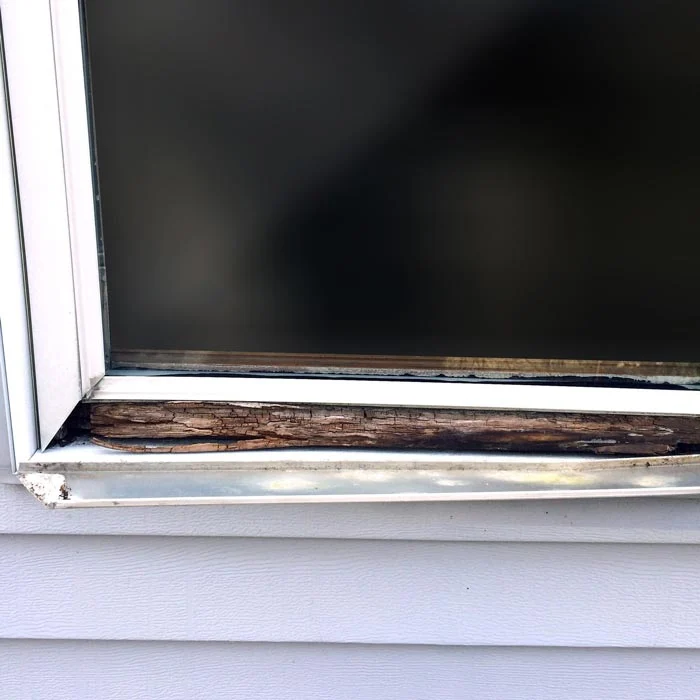
- Extensive rot that compromises the entire sash.
- Repeated water infiltration leading to mold and decay.
- Out‑of‑date dimensions that no longer align with modern insulation standards.
By mapping the severity of issues against your design goals, you’ll find a clearer answer to the repairing wood windows vs replacing dilemma.
Assessing the Condition of Your Wood Windows
A thorough inspection is the backbone of any informed decision. Start by examining both the interior and exterior of each window during a calm, dry day. Look for the following warning signs:
- Visible rot or soft spots: Gently press a screwdriver into the wood; resistance indicates healthy material, while a spongy feel signals decay.
- Paint failure: Cracked, peeling, or bubbling paint often hides moisture that can accelerate rot.
- Hardware wear: Rusted hinges, broken pulleys, or warped tracks hinder smooth operation.
- Glazing issues: Condensation between panes, broken seals, or cracked glass affect energy performance.
Document each finding with photos and notes. This inventory not only helps you decide between repair and replacement, but also provides a useful reference when requesting quotes from contractors. If you’re unsure about the severity of rot, consider a professional moisture meter test; it can detect hidden moisture that may not be visible to the naked eye.
Cost Comparison and Budget Considerations

Money talks, and the financial picture often tilts the balance between repairing wood windows vs replacing. Below is a rough cost breakdown (prices vary by region and contractor):
| Item | Repair Estimate | Replacement Estimate |
|---|---|---|
| Minor rot removal & wood filler | $120–$250 per window | — |
| Full frame restoration (strip, sand, prime, paint) | $300–$600 per window | — |
| Hardware upgrade (hinges, balances) | $80–$150 per window | — |
| New energy‑efficient wood‑clad window | — | $800–$1,500 per window |
| Installation labor | $150–$300 per window | $300–$600 per window |
While repair often appears cheaper upfront, it’s essential to factor in longevity. A well‑executed repair can extend a window’s life by 10–15 years, whereas a high‑efficiency replacement may pay off through lower heating and cooling bills over a 20‑year span. Use a simple pay‑back calculator: multiply projected annual energy savings by the cost difference to gauge the financial break‑even point.
Impact on Home Aesthetics and Design Cohesion
Wood windows are more than functional openings; they are visual anchors that influence the room’s character. When deciding on repairing wood windows vs replacing, ask yourself how each option integrates with your overall décor vision.
- Preserving historic details: Restored original frames maintain the craftsmanship that modern reproductions often lack. Pair them with clean interior design ideas to let the wood’s texture become a focal point.
- Creating a unified look: If you have a mix of window styles, replacing all units with matching profiles can bring visual harmony, especially in open‑plan living rooms.
- Layering styles: Combining restored wood windows with contemporary hardware—think matte black hinges or sleek brass balances—creates a “old meets new” vibe that feels curated rather than mismatched.
Consider the surrounding trim, wall color, and furniture scale. A restored window with deep, rich wood tones pairs beautifully with neutral walls and natural fibre rugs, while a new, slimmer frame may better suit a minimalist Japandi aesthetic, as highlighted in our Japandi style home décor inspiration guide.
Energy Efficiency and Environmental Impact
Energy performance is a decisive factor for many homeowners. Older wood windows often lack the insulating qualities of modern double‑ or triple‑glazed units. When weighing repairing wood windows vs replacing, evaluate:
- U‑value: This measures heat loss; lower values mean better insulation. Repair can improve sealing but rarely brings U‑values below 0.30 W/m²·K, whereas new wood‑clad windows with low‑E glass can reach 0.20 W/m²·K or better.
- Air infiltration: Properly weather‑stripped repairs reduce drafts, yet new units often feature integrated compression seals that eliminate leaks altogether.
- Embodied carbon: Repairing retains the existing material, reducing the carbon footprint associated with manufacturing and transporting new frames. However, if the repaired window still performs poorly, the energy savings over its lifespan may offset the initial environmental benefit.
For homeowners focused on sustainability, a hybrid approach sometimes works best: repair the frame, then upgrade the glazing to high‑performance double or triple panes. This strategy captures the low‑impact advantage of repair while delivering modern energy savings.
DIY Possibilities and Professional Help
Many aspects of repairing wood windows can be tackled by a competent DIY enthusiast, especially if you have basic carpentry skills. Below is a quick rundown of tasks you can realistically handle yourself:
- Stripping old paint and applying primer.
- Filling minor rot with epoxy wood filler.
- Replacing corroded hardware with matching vintage‑style hinges.
- Re‑caulking and weather‑stripping the sash.
For more complex work—such as extensive rot removal, full frame replacement, or glass installation—hiring a professional is advisable. A seasoned window specialist can ensure proper shimming, level installation, and compliance with local building codes, which is especially important in historic districts.
To keep the project cohesive with your interior style, ask your contractor to finish the window with a stain or paint color that matches your design palette. This attention to detail helps the windows become a seamless part of the room’s overall look.
Long‑Term Maintenance and Resale Value
Both repaired and replaced wood windows require ongoing care, but the maintenance patterns differ. Restored windows typically demand periodic repainting every 5–7 years, especially in high‑humidity climates. Replacement windows often come with factory finishes that last longer—up to 10–12 years—before a touch‑up is needed.
From a resale perspective, buyers appreciate authenticity. A well‑preserved historic window can boost a property’s charm and perceived value, particularly in markets where heritage homes command a premium. However, energy‑efficient replacements are increasingly attractive to eco‑conscious buyers who prioritize lower utility costs.
Ultimately, the decision between repairing wood windows vs replacing should reflect both the practical lifespan you expect and the story you want your home to tell. A balanced approach—repairing where possible and replacing where necessary—often yields the best combination of cost savings, performance, and aesthetic appeal.
Quick Home Décor Tips for Window Projects
- Choose a paint color that complements your interior palette; a soft gray can modernize an old sash without hiding its grain.
- Incorporate lightweight, sheer curtains to let natural light highlight the wood’s texture while providing privacy.
- Install interior plantation shutters for a sleek look that also adds an extra layer of insulation.
- Use decorative hardware—like brass or oil‑rubbed bronze pulls—to add a subtle accent that ties the window to other metal finishes in the room.
Common Mistakes to Avoid When Deciding on Repair or Replacement
Even seasoned homeowners can stumble into pitfalls. Here are the most frequent errors and how to sidestep them:
- Ignoring moisture sources: Fixing the window without addressing roof leaks or inadequate flashing will lead to repeated rot.
- Undervaluing historic value: Demolishing original wood frames for cheaper vinyl replacements can diminish a home’s character and resale appeal.
- Choosing the cheapest glazing: Low‑cost single‑pane glass may save money now but will increase energy bills and cause condensation.
- Skipping professional measurements: Ill‑fitting replacements cause drafts and can damage surrounding trim.
Frequently Asked Questions
Is it ever worth repairing a severely rotted wood window?
If rot has spread beyond the frame into the mullion or sash, repair costs often exceed replacement. In such cases, replacing the window ensures structural integrity and better energy performance.
Can I replace the glass in an old wood window without replacing the frame?
Yes. Upgrading to double‑glazed or low‑E glass can dramatically improve efficiency while preserving the historic frame. This hybrid approach blends the best of both worlds.
How long does a typical wood window repair project take?
A standard repair—stripping, filling minor rot, repainting, and hardware replacement—usually takes 2–3 days per window for a DIYer, or 1–2 days for a professional crew.
What are the best paint finishes for restored wood windows?
Semi‑gloss or satin finishes provide a durable, easy‑to‑clean surface while highlighting the wood grain. For a more authentic period look, a flat or matte finish can be used, but it may require more frequent touch‑ups.
Do new wood‑clad windows affect the resale value of historic homes?
When matched to the original profile and installed with care, new wood‑clad windows can improve energy efficiency without compromising historic character, often leading to a higher resale price.
How can I make my repaired windows look as polished as new ones?
Invest in high‑quality primer and a premium exterior paint, use matching hardware, and consider a clear protective sealant to guard against UV fading. Attention to detail during the finishing stage makes all the difference.
For additional inspiration on integrating windows into a cohesive design, explore our guide on DIY plant décor inspiration. Adding a few well‑placed green accents near windows can soften sunlight and create a fresh, inviting atmosphere.
In summary, the choice between repairing wood windows vs replacing hinges on condition, budget, design intent, and long‑term goals. By conducting a meticulous assessment, weighing costs against energy savings, and aligning the decision with your home’s aesthetic narrative, you can ensure that your windows enhance both comfort and style for years to come.