
Table of Contents
- Embracing Home Décor with Natural Woven Décor in the Living Room
- Choosing the Right Pieces for Home Décor with Natural Woven Décor
- Bringing Natural Woven Textures to the Bedroom
- Eco‑Friendly Bedside Solutions Using Natural Woven Décor
- Kitchen and Dining: Natural Woven Accents that Blend Function and Style
- Maintaining Natural Woven Items in High‑Traffic Areas
- Outdoor Spaces and Natural Woven Décor: Extending the Indoor‑Outdoor Flow
- Seasonal Styling: Transitioning Natural Woven Décor Through the Year
- Sustainable Sourcing and Care Tips for Natural Woven Items
- Repairing and Revitalising Worn Natural Woven Décor
- Quick Tips for Integrating Natural Woven Décor
- Common Mistakes and How to Avoid Them
- Frequently Asked Questions
- Can natural woven décor be used in high‑moisture areas like bathrooms?
- How do I match woven décor with modern minimalist furniture?
- Is it safe to use woven décor around pets and children?
- What is the best way to store woven décor during winter?
- How can I incorporate colour without overwhelming the natural look?
- Do woven items lose their appeal over time?
Home Décor with Natural Woven Décor – Timeless Style Meets Sustainable Elegance
When a room feels inviting, it often comes down to texture. Natural woven décor—think rattan baskets, jute rugs, and hand‑woven wall hangings—offers a tactile richness that modern interiors sometimes lack. By weaving organic materials into everyday design, homeowners can create spaces that feel grounded, relaxed, and environmentally conscious.
Beyond aesthetic appeal, natural woven pieces bring practical benefits: durability, ease of cleaning, and a timeless look that adapts to shifting colour palettes. Whether you live in a compact city apartment or a spacious suburban home, integrating woven elements can instantly elevate the vibe without overwhelming the layout.
In this guide we’ll explore how to incorporate home décor with natural woven décor across different rooms, discuss sustainable sourcing, and share maintenance tricks that keep your woven treasures looking fresh for years. You’ll also find quick actionable tips, common pitfalls to avoid, and answers to the most frequently asked questions.
Embracing Home Décor with Natural Woven Décor in the Living Room
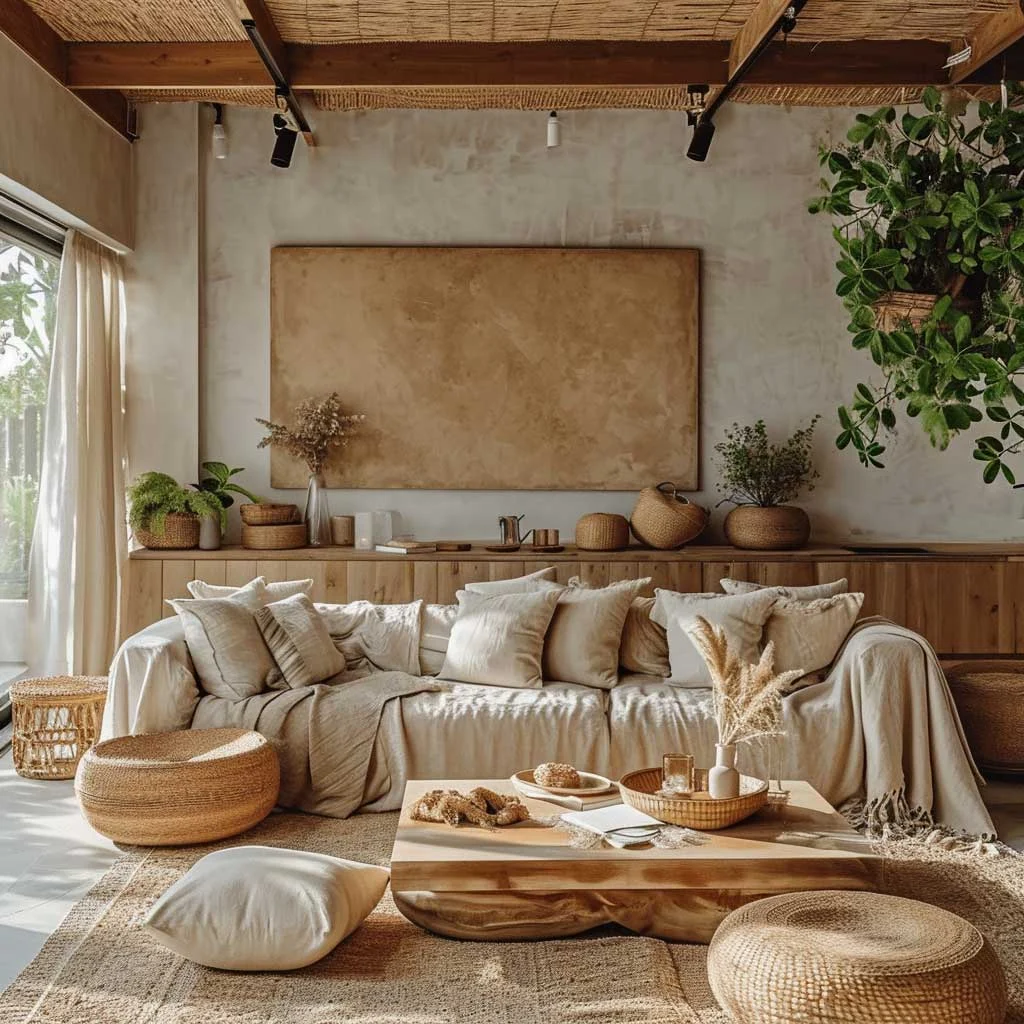
The living room is the heart of most homes, and it’s the perfect stage for natural woven décor. Start with a large jute or sisal rug; its neutral texture anchors furniture while adding subtle warmth. Pair the rug with a low‑profile sofa upholstered in linen or cotton to let the woven element shine.
Consider a rattan coffee table as the centerpiece. Its airy construction prevents the space from feeling heavy, and the natural grain complements both contemporary and rustic sofas. Add woven storage baskets beneath the coffee table for magazines, throws, or remote controls—function meets style.
Wall art is another avenue. A hand‑woven wall hanging, perhaps made from seagrass or hemp, can serve as a focal point above the mantel or on a feature wall. The piece introduces depth without competing with other décor. For those who enjoy a touch of greenery, hang a macramé planter and let trailing vines cascade down, enhancing the organic feel.
Choosing the Right Pieces for Home Décor with Natural Woven Décor
Select items that reflect the scale of your room. In a larger living area, a wide jute rug (10‑12 ft) and a substantial rattan sofa set can create a balanced, harmonious look. In smaller apartments, opt for narrow woven runners, compact wicker stools, and slim storage baskets to avoid visual clutter. Mixing textures—smooth leather, soft velvet, and coarse natural fibers—creates a layered aesthetic that feels intentional.
For colour inspiration, explore neutral tones like ivory, soft grey, or muted earth hues. If you love a pop of colour, incorporate woven cushions in muted blues or sage greens. These accents tie the woven pieces to the rest of your décor while keeping the overall palette cohesive.
Bringing Natural Woven Textures to the Bedroom
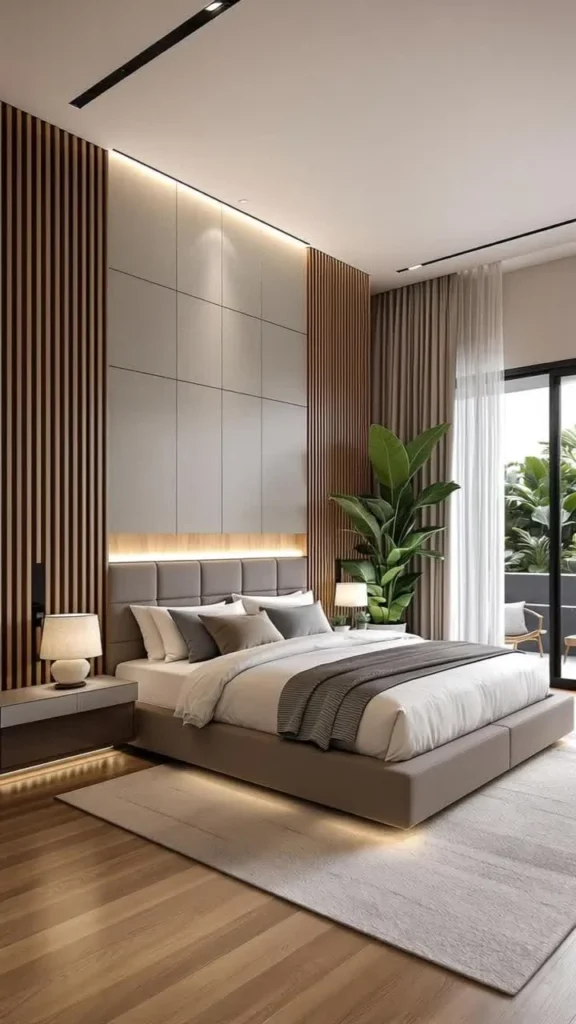
The bedroom benefits from the calming qualities of natural woven décor. A woven headboard—crafted from rattan or reclaimed wood—adds visual interest without overwhelming the space. It also creates a gentle, organic silhouette that encourages relaxation.
Layer a lightweight jute or bamboo rug under the bed for a soft under‑foot feel. If the room feels cold, pair it with a plush wool throw draped over a wicker chair or a woven ottoman at the foot of the bed. This combination offers both warmth and texture.
Nightstands can double as storage solutions with woven baskets. Choose baskets with handles for easy access to bedtime books, chargers, or a soothing candle. When selecting bedding, look for linen sheets and cotton duvets; their natural fibres complement the woven elements while promoting airflow for a cooler night.
Eco‑Friendly Bedside Solutions Using Natural Woven Décor
Many manufacturers now offer sustainably sourced woven products made from recycled bamboo or reclaimed rattan. Choosing these options reduces your environmental footprint while adding a story to your space. Look for certifications such as FSC (Forest Stewardship Council) to ensure responsible sourcing.
Don’t forget lighting. A woven pendant light or a bamboo floor lamp diffuses light softly, mimicking the warm glow of sunrise—ideal for winding down after a long day.
Kitchen and Dining: Natural Woven Accents that Blend Function and Style

The kitchen may seem like an unlikely place for woven décor, but natural materials thrive in this environment when used thoughtfully. Replace plastic storage bins with woven baskets for produce, bread, or reusable grocery bags. The open weave allows air circulation, keeping fruits and vegetables fresh longer.
At the dining table, consider a rattan placemat set or a woven table runner. These accessories protect the surface while adding a subtle texture that complements ceramic dishware and glassware. For a cohesive look, match your chair cushions with woven patterns—perhaps a subtle jute‑woven fabric.
Open shelving is a perfect canvas for woven décor. Display a collection of woven bowls, trays, or even a hand‑woven wall clock. These pieces add visual intrigue without cluttering the countertop.
Maintaining Natural Woven Items in High‑Traffic Areas
Kitchen spills are inevitable, so protecting woven pieces is essential. For a quick guide on safeguarding fabrics, see our article on how to protect a rug from stains – expert tips for long‑lasting beauty. The same principles apply to woven baskets and mats: spot‑clean with a mild detergent, avoid excessive moisture, and allow air drying.
When using woven placemats, place a heat‑resistant coaster beneath hot pots to prevent scorching. Regularly rotate baskets to ensure even wear and to keep the weave from flattening over time.
Outdoor Spaces and Natural Woven Décor: Extending the Indoor‑Outdoor Flow
Patios, balconies, and garden nooks become instant sanctuaries when dressed with natural woven décor. A large wicker sofa set, paired with weather‑treated rattan armchairs, creates a lounge area that feels both luxurious and relaxed. Add a woven hammock for a dreamy reading spot.
Flooring outdoors can be enhanced with outdoor‑grade jute or synthetic sisal rugs that resist moisture while delivering the same tactile charm as indoor versions. Combine these rugs with potted plants in woven planters for an organic, cohesive look.
Lighting outdoors? Choose bamboo lanterns or woven pendant lights that cast a soft, dappled glow as the sun sets. These fixtures are often made from recycled materials, reinforcing the sustainable narrative of your décor.
Seasonal Styling: Transitioning Natural Woven Décor Through the Year
In summer, layer bright, patterned woven cushions on your outdoor sofa. As autumn arrives, swap them for deeper earth tones—think burnt orange, rust, and moss green. In winter, add cozy woven blankets and a few lanterns to maintain warmth and ambiance.
For inspiration on neutral palettes, read our guide on cozy home décor with neutral tones – the ultimate guide. Neutral hues blend seamlessly with natural fibers, allowing you to shift accent colours without replacing the core woven pieces.
Sustainable Sourcing and Care Tips for Natural Woven Items
Investing in natural woven décor means supporting artisans and environmentally responsible practices. Look for brands that disclose their sourcing methods, use reclaimed wood, or employ traditional hand‑weaving techniques that empower local communities.
When caring for woven items, avoid harsh chemicals. A gentle vacuum with a brush attachment removes dust from intricate patterns. For deeper cleaning, use a mixture of lukewarm water and mild soap, applying it with a soft cloth. Test any solution on a hidden area first to ensure colourfastness.
Storing woven décor during off‑season periods requires proper ventilation. Keep items in breathable cotton bags rather than plastic to prevent mildew. If you own a collection of woven wall hangings, rotate them occasionally to reduce prolonged exposure to sunlight, which can fade natural fibres.
Repairing and Revitalising Worn Natural Woven Décor
Minor wear is natural, but many pieces can be repaired with simple DIY methods. For frayed edges on a basket, a small amount of natural oil (like linseed) can soften fibres and prevent further splitting. For larger repairs, consider consulting a professional weaver who can re‑stitch or reinforce damaged sections.
For a deeper dive into restoration techniques, see our comparison of Restoration Hardware vs Room and Board, which outlines how premium brands approach durability and repairability.
Quick Tips for Integrating Natural Woven Décor
- Start small: add a woven basket or rug before committing to larger pieces.
- Mix textures: combine smooth leather with coarse jute for visual interest.
- Stick to a neutral palette to keep the look timeless.
- Choose sustainably sourced items for an eco‑friendly home.
- Protect woven pieces from moisture and direct sunlight to extend their life.
Common Mistakes and How to Avoid Them
Even seasoned decorators can stumble when working with natural woven décor. Below are typical pitfalls and practical solutions:
- Over‑crowding the space. Too many woven items can make a room feel heavy. Balance woven pieces with sleek, minimalist furniture.
- Ignoring scale. A massive rattan sofa in a tiny apartment will dominate the space. Choose proportionate items that complement the room’s dimensions.
- Neglecting maintenance. Skipping regular cleaning leads to dust buildup and fibre weakening. Schedule light vacuuming weekly and deeper cleaning monthly.
- Poor lighting. Dim lighting can hide the texture of woven décor. Incorporate layered lighting—ambient, task, and accent—to showcase the fibres.
- Using non‑weather‑rated materials outdoors. Indoor‑grade wicker will deteriorate quickly outside. Opt for UV‑treated or synthetic rattan designed for outdoor use.
Frequently Asked Questions
Can natural woven décor be used in high‑moisture areas like bathrooms?
Yes, but choose moisture‑resistant materials such as synthetic rattan or sealed bamboo. Avoid untreated wicker, which can warp or develop mildew. Adding a waterproof liner beneath woven bathroom accessories provides extra protection.
How do I match woven décor with modern minimalist furniture?
Keep the colour palette restrained—think whites, greys, and natural beiges. Select sleek, low‑profile furniture and let the woven pieces serve as subtle texture accents. A single woven chair or rug can add warmth without compromising minimalism.
Is it safe to use woven décor around pets and children?
Most natural fibers are non‑toxic, but they can attract pet hair and be chewed. Choose tightly woven items and regularly clean them. For households with curious pets, consider synthetic alternatives that mimic natural looks while offering greater durability.
What is the best way to store woven décor during winter?
Store items in a cool, dry place away from direct sunlight. Use breathable fabric bags or cardboard boxes with ventilation holes. Avoid plastic bags, as trapped moisture can cause mould.
How can I incorporate colour without overwhelming the natural look?
Introduce colour through accessories: cushions, throws, or painted woven baskets. Choose muted hues that complement the natural tones—soft blues, sage greens, or dusty rose—rather than bright, saturated shades.
Do woven items lose their appeal over time?
On the contrary, natural woven décor often develops a patina that adds character. With proper care, the fibres soften and the colour deepens, creating a lived‑in, inviting atmosphere.
Integrating home décor with natural woven décor is a rewarding journey that blends aesthetics, sustainability, and comfort. By selecting the right pieces, caring for them responsibly, and avoiding common mistakes, you can craft spaces that feel both contemporary and timeless. Let the natural textures guide your design decisions, and enjoy the subtle elegance they bring to every room.