
Table of Contents
- Why Knowing How to Protect a Rug from Stains Matters
- Assessing Your Rug’s Material: The First Step in How to Protect a Rug from Stains
- Establish a Rug‑Friendly Lifestyle: Daily Habits to Prevent Stains
- Protective Treatments: Applying Stain‑Resistant Solutions
- Strategic Placement: Positioning Rugs to Minimize Risk
- Routine Cleaning: The Backbone of Stain Prevention
- Spot‑Treating Stains: Immediate Action Steps
- Integrating Rug Care into Home Décor Plans
- Quick Tips for Stain‑Resistant Rug Care
- Common Mistakes and How to Avoid Them
- Frequently Asked Questions
- Can I use a homemade solution to protect my rug?
- How often should I reapply a stain‑resistant spray?
- Are natural fiber rugs more prone to staining?
- Is steam cleaning safe for all rug types?
- What’s the best way to remove pet urine without odor?
- Can I place a rug outdoors temporarily?
How to Protect a Rug from Stains – Expert Tips for Long‑Lasting Beauty
Rugs are more than just floor coverings; they set the tone for a room, add warmth, and showcase personal style. However, every foot traffic, spilled coffee, or playful pet can turn a beautiful rug into a stained eyesore if proper precautions aren’t taken. Knowing how to protect a rug from stains is essential for homeowners who want their décor to stay fresh and inviting for years.
This guide walks you through practical steps, from everyday habits to advanced treatments, that help preserve your rug’s appearance without sacrificing comfort or design. Whether you’re styling a living‑room centerpiece, a cozy bedroom runner, or a high‑traffic hallway runner, the techniques below will keep your rug looking showroom‑ready.
Why Knowing How to Protect a Rug from Stains Matters

Understanding how to protect a rug from stains goes beyond simple cleaning; it’s about preventing damage before it happens. Stains can embed deep into fibers, leading to discoloration that’s difficult to reverse. Moreover, untreated spills can create odors, attract pests, and even weaken the rug’s backing. By adopting a proactive mindset, you extend the rug’s lifespan, maintain its color vibrancy, and protect your investment in home décor.
Assessing Your Rug’s Material: The First Step in How to Protect a Rug from Stains
Every rug material reacts differently to liquids and cleaning agents. Wool, for instance, is naturally flame‑resistant and can repel water to some extent, while synthetic fibers like nylon absorb spills quickly. Silk rugs demand gentle handling, whereas cotton or jute are more forgiving but prone to staining. Identify the fiber composition (usually listed on the tag) and read the manufacturer’s care instructions before applying any protective method. This knowledge is the foundation of any effective stain‑prevention strategy.
Establish a Rug‑Friendly Lifestyle: Daily Habits to Prevent Stains

Small daily choices can dramatically reduce the risk of spills and dirt settling into your rug. Here are practical habits that make a big difference:
- Remove shoes at the entrance. Outdoor dirt and moisture are common culprits for early discoloration.
- Use doormats. Placing a high‑quality mat both inside and outside each entryway traps grit before it reaches the rug.
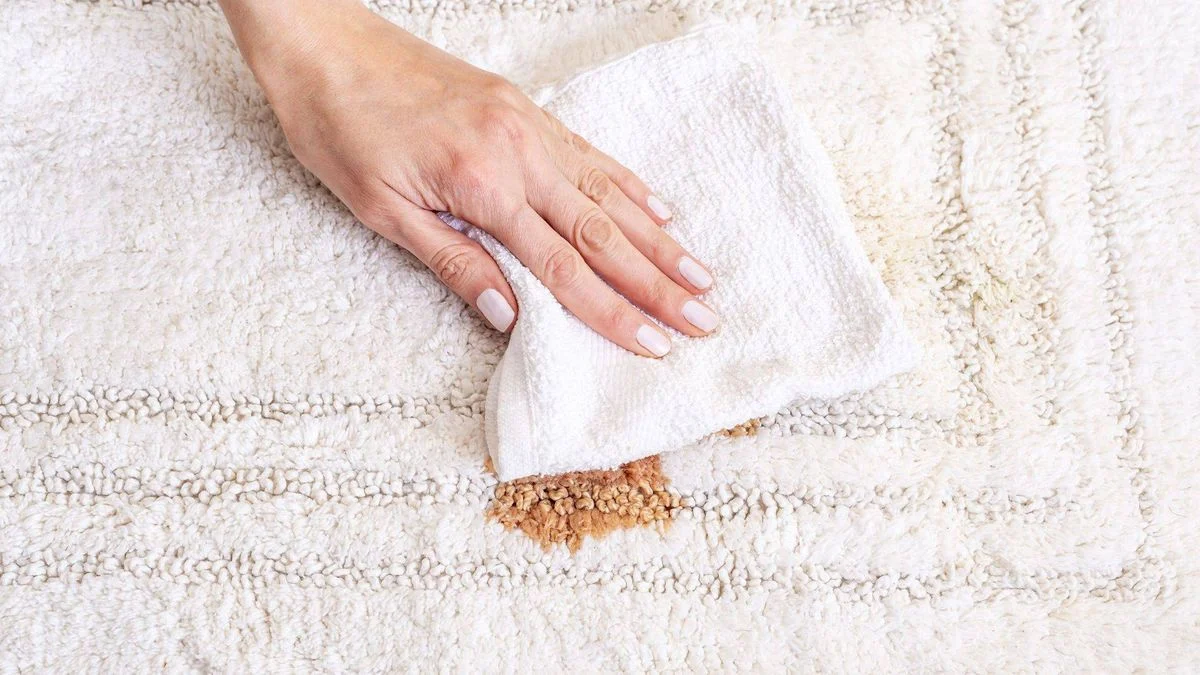
- Encourage quick spill response. Keep a clean, white cloth nearby; blot, don’t rub, to lift liquids before they seep.
- Pet grooming routine. Regular brushing reduces the amount of fur and saliva that can stain fibers.
By integrating these habits, you create a protective environment that makes the rest of the steps easier and more effective.
Protective Treatments: Applying Stain‑Resistant Solutions

When you know how to protect a rug from stains, you can also consider adding a protective barrier. Many manufacturers recommend a spray‑on fabric protector designed for the rug’s specific fiber type. Follow these guidelines:
- Test the spray on a hidden area to ensure colorfastness.
- Apply in a well‑ventilated space, holding the bottle 6‑8 inches away.
- Allow the rug to dry completely (usually 2‑4 hours) before walking on it.
For natural fibers such as wool, a light coat of a water‑based protector can repel moisture while preserving breathability. Synthetic rugs often benefit from silicone‑based sprays that create a stronger barrier against oil‑based spills.
Strategic Placement: Positioning Rugs to Minimize Risk
Where you place a rug can influence how often it encounters potential stains. Consider the following placement tactics:
- High‑traffic zones. Use low‑pile or indoor‑outdoor rugs that are easier to clean in hallways and kitchens.
- Under dining tables. Choose a rug with a darker base or a patterned design that hides minor spills.
- Near entryways. Layer a runner with a washable area rug to protect the underlying carpet.
Strategic placement reduces the frequency of cleaning cycles, which in turn helps preserve the rug’s fibers and color.
Routine Cleaning: The Backbone of Stain Prevention
Regular vacuuming removes dust and grit that can act like abrasive agents, wearing down the rug’s surface. Follow a schedule that matches foot traffic:
- Low traffic (bedroom runner): vacuum once a week.
- Medium traffic (living‑room area rug): vacuum twice a week.
- High traffic (hallway runner): vacuum every other day.
When vacuuming, use the appropriate brush setting—soft brush for delicate fibers and a power brush for sturdy synthetics. For deeper cleaning, a professional steam cleaning once a year can rejuvenate the rug without over‑wetting it. If you’re curious about deeper sanitation, see our guide on how to sanitize carpet for baby, which outlines safe, low‑chemical methods suitable for family homes.
Spot‑Treating Stains: Immediate Action Steps
Even with the best prevention, accidents happen. Knowing how to protect a rug from stains includes mastering the art of spot‑treatment:
- Blot, don’t rub. Press a clean white cloth onto the spill to absorb as much liquid as possible.
- Use a mild detergent. Mix a few drops of dish soap with lukewarm water, dip a soft cloth, and gently dab the area.
- Rinse with a damp cloth. Remove any soap residue to prevent attract‑dust.
- Dry thoroughly. Place a fan nearby or a clean towel on top of the spot to absorb remaining moisture.
For stubborn stains like wine or pet urine, an enzymatic cleaner specifically formulated for carpets can break down organic residues. Always follow the product instructions and test in an inconspicuous spot first.
Integrating Rug Care into Home Décor Plans
When you design a room, think of rug maintenance as part of the overall aesthetic. Choose colors and patterns that complement your lifestyle:
- Dark, patterned rugs. They conceal minor spills and are ideal for families with children.
- Light, neutral rugs. Perfect for formal spaces; pair with a protective spray and a strict no‑shoes policy.
- Layered rugs. Place a smaller, washable rug under a decorative runner to protect the larger piece.
For more styling inspiration, explore our article on Living Room Décor Ideas with Plants, which demonstrates how natural elements can harmonize with rug textures while keeping the floor area functional and beautiful.
Quick Tips for Stain‑Resistant Rug Care
- Apply a fabric protector after each deep clean.
- Keep a small spray bottle of diluted white vinegar for immediate neutralization of acidic spills.
- Rotate the rug every six months to evenly distribute wear.
- Use rug pads to prevent slipping and add an extra layer of protection.
- Schedule professional cleaning before the rug’s warranty expires.
Common Mistakes and How to Avoid Them
Even seasoned decorators can slip up. Here are frequent errors and corrective actions:
- Rubbing stains. This pushes the liquid deeper; always blot.
- Using harsh chemicals. Bleach and ammonia can damage fibers; stick to mild detergents.
- Skipping the test patch. Never apply a new product without checking colorfastness first.
- Neglecting rug pads. Without a pad, the rug slides, increasing friction and wear.
- Over‑wetting during cleaning. Excess moisture can cause mold; use minimal water.
Frequently Asked Questions
Can I use a homemade solution to protect my rug?
Yes, a mixture of one part white vinegar and two parts water can act as a mild repellent for fresh spills. Spray lightly, let it dry, and test on a hidden area first.
How often should I reapply a stain‑resistant spray?
Most sprays last between 6‑12 months, depending on foot traffic and cleaning frequency. Reapply after a professional deep clean or when you notice water beading less effectively.
Are natural fiber rugs more prone to staining?
Generally, natural fibers like jute and sisal absorb liquids faster than synthetics, making them more vulnerable. Using a water‑based protectant and a rug pad can mitigate the risk.
Is steam cleaning safe for all rug types?
Steam cleaning works well for wool and synthetic rugs but can shrink or discolor delicate silk or antique hand‑knotted pieces. Consult the manufacturer or a professional before using steam on valuable rugs.
What’s the best way to remove pet urine without odor?
Blot the area, then apply an enzymatic cleaner that breaks down uric acid. Follow with a light sprinkle of baking soda to neutralize lingering smells, then vacuum after it dries.
Can I place a rug outdoors temporarily?
Outdoor‑rated rugs are designed for weather exposure, but indoor rugs should stay inside. Moisture, UV rays, and dirt can cause fading and mildew, compromising stain resistance.
Protecting a rug from stains is a blend of smart choices, routine care, and the right products. By integrating these habits into your daily life, you’ll keep your floor décor looking vibrant and welcoming, no matter how many coffee cups or paw prints cross its surface. For a creative twist, try pairing your rug with a DIY decorative mirror frame that reflects light and draws attention away from any minor imperfections.
Embrace these strategies, experiment with protective treatments, and enjoy a rug that continues to enhance your home’s aesthetic for years to come. Happy styling!