

Table of Contents
- Understanding the Basics of Home Décor with Cozy Textile Layers
- Key Principles for Successful Home Décor with Cozy Textile Layers
- Living Room: Creating a Layered Sanctuary
- Bedroom: Softening the Space with Textiles
- Kitchen and Dining: Unexpected Textile Touches
- Home Office: Productivity Meets Comfort
- Outdoor Spaces: Extending Cozy Layers Beyond Walls
- Quick Home Décor Tips for Layering Textiles
- Common Mistakes to Avoid When Using Cozy Textile Layers
- Frequently Asked Questions
- How many layers of textiles are ideal for a living room?
- Can I use the same textile colors in every room?
- What are the most durable fabrics for high‑traffic areas?
- How do I keep layered textiles looking fresh?
- Is it okay to mix patterns when layering textiles?
- Do I need to match the style of my furniture with my textile layers?
Home Décor with Cozy Textile Layers – Warm Up Your Space
When you step into a room that feels soft, inviting, and thoughtfully arranged, the first thing you notice is often the texture beneath your fingertips. Textiles—rugs, throws, cushions, curtains, and even upholstered furniture—can transform a minimalist shell into a welcoming haven. Layering these elements isn’t just a visual trick; it creates depth, warmth, and a tactile experience that makes a house truly feel like a home.
In today’s fast‑moving design world, many homeowners seek comfort without sacrificing style. By mastering the art of home décor with cozy textile layers, you can achieve a balanced aesthetic that works in a sprawling living room, a compact bedroom, or even a stylish studio apartment. This article walks you through the fundamentals of textile layering, offers room‑by‑room ideas, and answers the most common questions people have when they start experimenting with fabrics.
Whether you’re on a tight budget, love DIY projects, or simply enjoy a modern yet warm vibe, the strategies below will help you layer textiles confidently and responsibly.
Understanding the Basics of Home Décor with Cozy Textile Layers
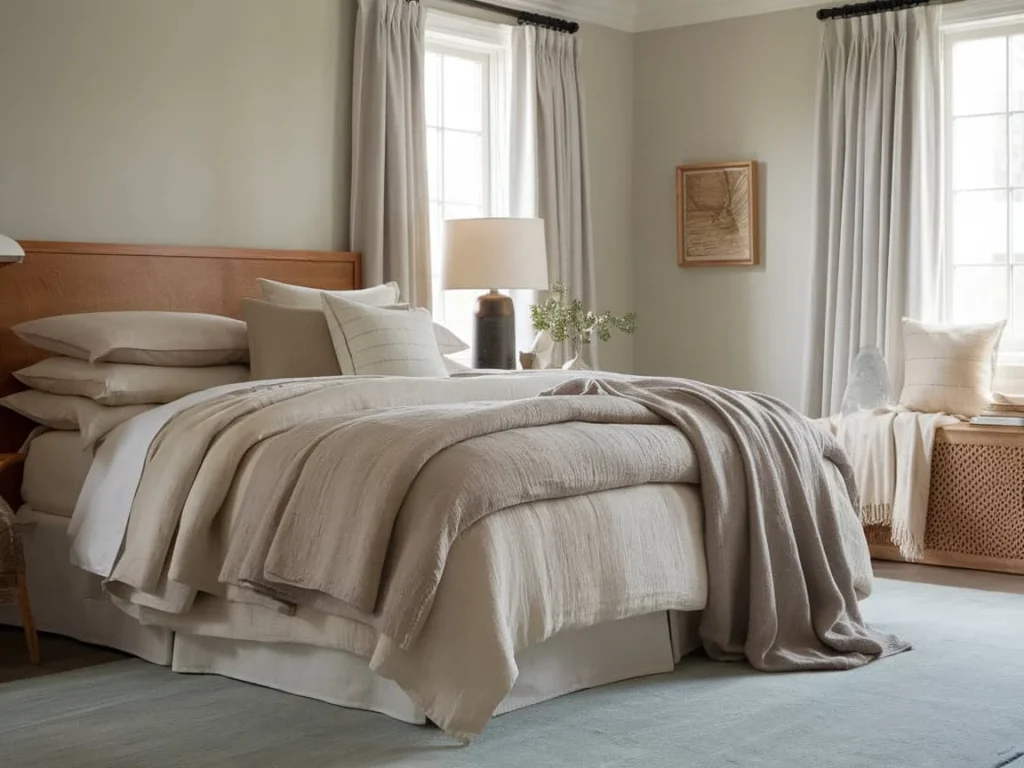
Before diving into specific rooms, it’s helpful to grasp why layering works so well. Each textile adds a different sensory dimension: a plush rug cushions your steps, a woven throw adds visual texture, and a set of patterned cushions introduces color and rhythm. When combined, they create a harmonious composition that feels intentional rather than random.
Key Principles for Successful Home Décor with Cozy Textile Layers
- Start with a neutral base. A light‑colored rug or a simple linen sofa provides a canvas for richer accents.
- Mix textures, not just colors. Pair a smooth velvet cushion with a chunky knit throw to keep the eye engaged.
- Vary scales. Large‑scale patterns work well on rugs, while smaller motifs suit pillows and blankets.
- Consider function. Textiles should also meet practical needs—think durability in high‑traffic areas and softness in sleeping zones.
Applying these principles ensures that your home décor with cozy textile layers feels curated, balanced, and adaptable to seasonal changes.
Living Room: Creating a Layered Sanctuary
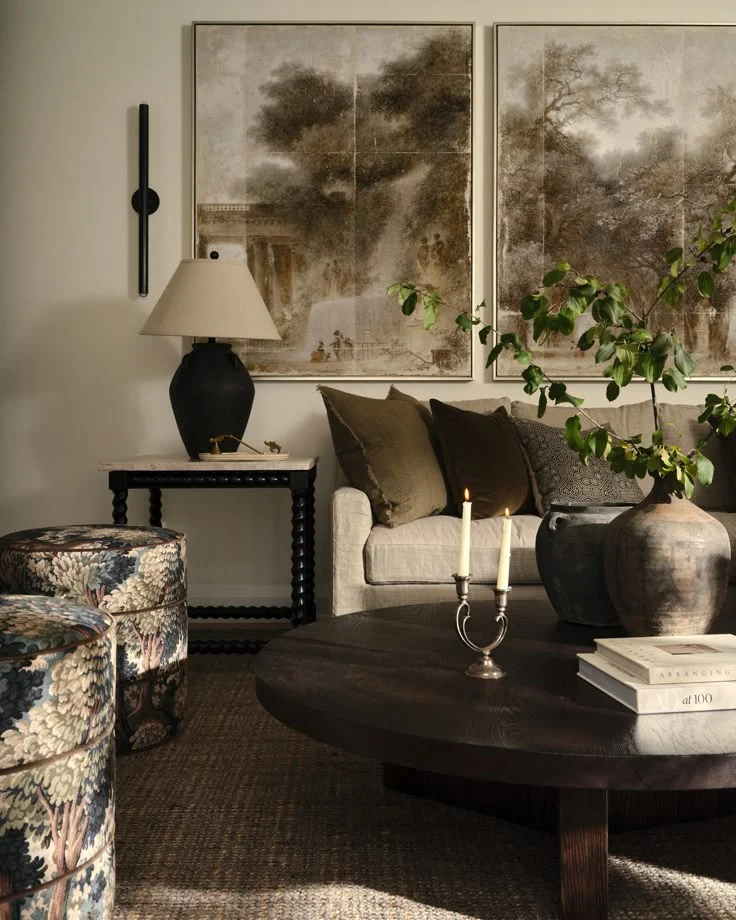
The living room is often the centerpiece of home life, making it the perfect stage for textile layering. Begin with a high‑quality area rug that anchors the seating arrangement. A natural fiber rug—jute or sisal—adds an earthy foundation, while a wool rug offers extra warmth.
Next, introduce a mix of throws and cushions. A chunky knit throw draped over the back of a sofa invites relaxed evenings, and a set of cushions in varying fabrics (velvet, linen, corduroy) adds depth. For a cohesive look, choose a color palette inspired by the rug—perhaps muted greys with pops of muted teal.
Don’t forget window treatments. Light‑weight linen curtains filter natural light while maintaining an airy feel. If you prefer more privacy, layer a heavier blackout curtain behind the linen for added texture and functionality.
For budget‑savvy readers, budget-friendly home décor ideas can help you source quality textiles without breaking the bank.
Bedroom: Softening the Space with Textiles
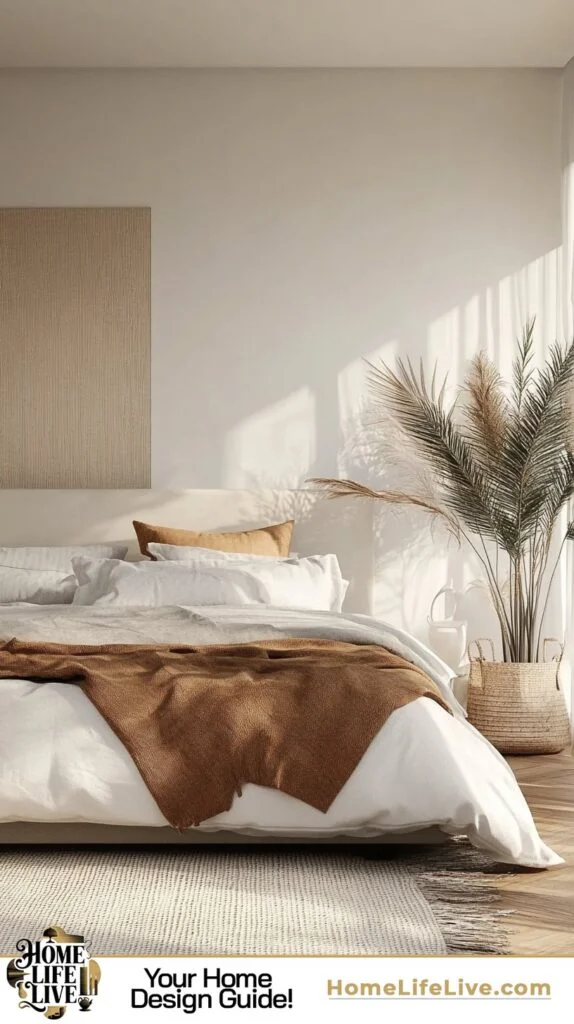
Bedrooms thrive on softness, making them ideal for exploring home décor with cozy textile layers. Start with a plush rug at the foot of the bed; a high‑pile faux fur or a soft shag rug creates a luxurious feel under bare feet in the morning.
The bed itself becomes a canvas. Layer a fitted sheet, a breathable linen duvet, and a lightweight quilt. Add a chunky knit blanket at the foot for a casual, lived‑in look. Pillows are the finishing touch—mix standard sleeping pillows with decorative Euro‑size cushions in complementary hues.
Nightstands can also benefit from textile layering. Small woven baskets or fabric trays keep accessories organized while adding visual interest. Lastly, consider a cozy throw at the edge of the bed for extra warmth on cooler nights.
If you enjoy crafting, explore handmade candle holder projects that pair beautifully with layered textiles for a personalized bedside ambiance.
Kitchen and Dining: Unexpected Textile Touches
While kitchens are traditionally hard‑surface zones, thoughtful textile layers can soften the environment and improve acoustics. A washable runner placed in front of the sink protects flooring and adds color. Choose a low‑pile runner that’s easy to clean but still offers a tactile contrast.
In the dining area, a well‑chosen tablecloth or placemat set can serve as an anchor for layered décor. Pair a neutral linen tablecloth with a stack of patterned cloth napkins for a casual yet refined look. Add upholstered dining chairs—perhaps in a muted velvet—to bring the comfort of living‑room textiles into the eating space.
For small apartments, warm minimalist living room ideas often include compact dining nooks that rely heavily on textiles to define the space without overwhelming it.
Home Office: Productivity Meets Comfort
A home office benefits greatly from layered textiles that balance productivity with comfort. A rug under the desk defines the work zone and reduces echo, especially in open‑plan homes. Choose a low‑pile wool rug that’s both stylish and easy to clean.
Ergonomic chairs with upholstered seats and backs provide comfort during long hours. Add a small woven throw over the chair for a quick style upgrade and an extra layer of warmth on chilly mornings.
Desk accessories can also incorporate textiles: a fabric mouse pad, a cork‑and‑fabric organizer, or a fabric‑covered bulletin board. These details soften the tech‑heavy environment and keep the aesthetic cohesive with the rest of the house.
Outdoor Spaces: Extending Cozy Layers Beyond Walls
Patios, balconies, and garden nooks deserve the same attention to texture as indoor rooms. Outdoor rugs made from synthetic fibers mimic the feel of indoor rugs while resisting weather. Pair them with weather‑proof cushions in sun‑faded hues for a relaxed vibe.
Throw blankets in outdoor‑grade fabrics (like acrylic or polyester blends) add warmth for evening gatherings. When choosing colors, echo the indoor palette to create a seamless transition from interior to exterior.
Remember to store textiles properly during harsh seasons; rolling and keeping them in breathable bags extends their life and maintains softness.
Quick Home Décor Tips for Layering Textiles
- Start with a neutral base and add color through accessories.
- Mix at least three different textures in each room.
- Use scale wisely: large patterns on rugs, smaller patterns on cushions.
- Rotate seasonal throws to keep the space fresh without new purchases.
- Keep maintenance in mind—choose machine‑washable fabrics for high‑traffic areas.
Common Mistakes to Avoid When Using Cozy Textile Layers
Overcrowding the space. Too many layers can feel cluttered. Aim for a balanced ratio of 1 large piece (rug), 2‑3 throws, and 4‑6 cushions per seating area.
Ignoring function. A beautiful silk pillow may look stunning, but it’s not ideal for a family room where durability matters. Choose fabrics appropriate for the room’s usage.
Neglecting color harmony. Mixing too many bold colors can create visual chaos. Stick to a cohesive palette, using one or two accent colors.
Skipping maintenance. Textiles collect dust and stains. Establish a cleaning routine—vacuum rugs weekly and spot‑clean spills on throws promptly.
Frequently Asked Questions
How many layers of textiles are ideal for a living room?
Generally, three layers work well: a floor rug, a set of cushions, and a throw. This creates depth without overwhelming the space. You can add a fourth layer, such as curtains, if the room feels too sparse.
Can I use the same textile colors in every room?
Repeating a color or pattern across rooms helps create visual continuity. However, vary the texture and intensity of the hue to keep each space feeling distinct yet connected.
What are the most durable fabrics for high‑traffic areas?
Wool, microfiber, and synthetic blends (like polyester‑cotton) resist wear and stains. They are also easy to clean, making them perfect for entryways, living rooms, and family rooms.
How do I keep layered textiles looking fresh?
Rotate throws and cushions seasonally, vacuum rugs regularly, and follow manufacturer care instructions for washing. Using a fabric protector spray on upholstery can also prolong vibrancy.
Is it okay to mix patterns when layering textiles?
Yes, as long as you follow a unifying rule: keep one pattern dominant (large scale) and the others subordinate (smaller scale). Stick to a shared color palette to tie them together.
Do I need to match the style of my furniture with my textile layers?
Not necessarily. Mixing modern furniture with classic textiles can create an eclectic look that feels curated. The key is balance—if the furniture is sleek, let the textiles add warmth and personality.
By thoughtfully applying these principles, you’ll find that home décor with cozy textile layers not only elevates aesthetics but also enhances the comfort of every room. Experiment with textures, play with colors, and remember that the best‑styled spaces are the ones that feel lived‑in and inviting. For more inspiration, explore our other guides on modern home styling, budget‑friendly décor, and DIY projects that complement layered textiles.