

Table of Contents
- Essential home décor ideas on a budget
- Color and paint tricks that stretch your dollars
- Creative home décor ideas on a budget for the living room
- Furniture hacks: maximizing style without major spending
- DIY accessories and upcycling for personal flair
- Textiles and soft furnishings: cheap upgrades with big impact
- Small space styling: making every square foot count
- Sustainable and secondhand sourcing for long‑term savings
- Quick home décor tips
- Common decorating mistakes and how to avoid them
- Frequently Asked Questions
- Can I completely redecorate my home with a shoestring budget?
- Where should I start when I have limited funds?
- Is it worth buying secondhand furniture?
- How do I make a small room feel larger?
- What are the best budget‑friendly lighting options?
- Can I incorporate trends without spending a lot?
Home décor ideas on a budget – stylish savings for every room
Creating a space that feels both fresh and personal doesn’t have to drain your wallet. Whether you’re a first‑time renter, a seasoned homeowner, or simply love the thrill of a good bargain, there are countless ways to refresh your interiors without overspending. By focusing on strategic choices, clever repurposing, and a dash of creativity, you can achieve a look that rivals high‑end showrooms.
In this guide we’ll walk through practical, room‑by‑room suggestions that keep costs low while maximizing impact. From color tricks that make walls pop to furniture hacks that extend the life of what you already own, every tip is rooted in realistic budgeting and modern design sensibility. Expect to leave with a toolbox of ideas you can start applying today, no matter the size of your home or the constraints of your budget.
Ready to transform your living environment without breaking the bank? Let’s explore the most effective home décor ideas on a budget, backed by interior design expertise and real‑world examples.
Essential home décor ideas on a budget
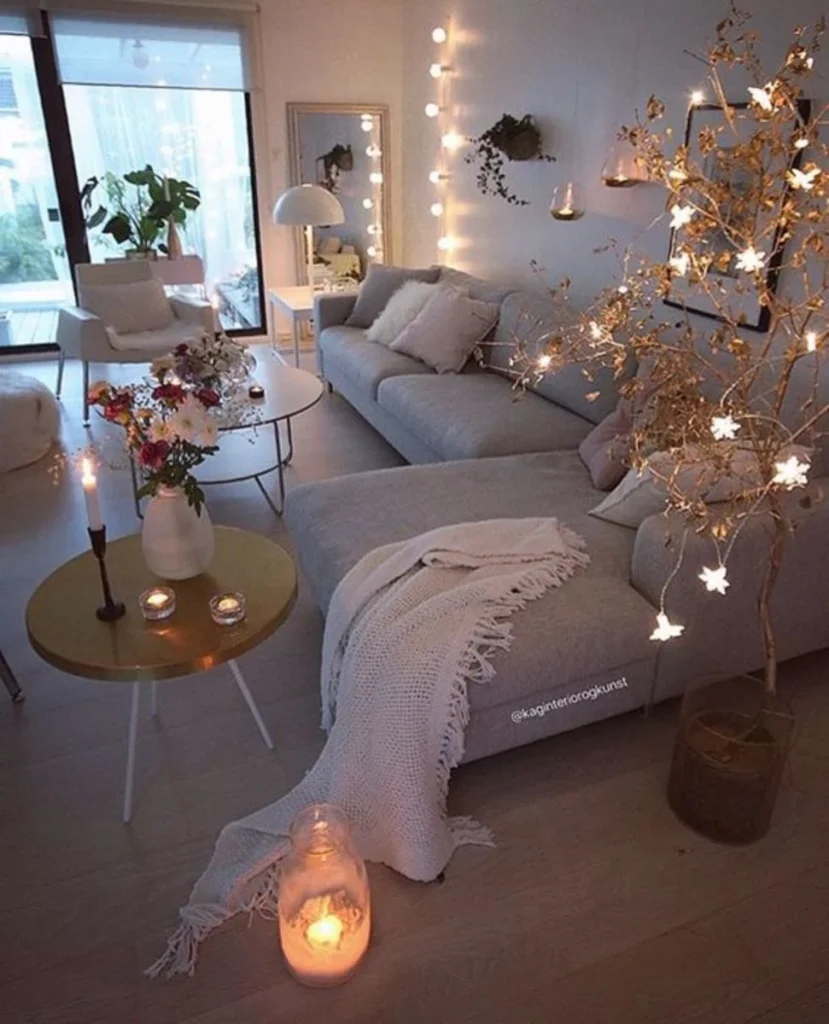
Before diving into specific rooms, it’s helpful to establish a solid planning foundation. Begin by setting a clear budget ceiling—knowing exactly how much you can spend prevents impulse purchases and keeps projects focused. Next, inventory what you already have; often, a fresh layout or a new coat of paint can give existing pieces a second life.
Prioritize changes that offer the highest visual return for the lowest cost. Wall color, lighting, and textiles are three categories where inexpensive updates can dramatically alter a room’s mood. For instance, swapping a dated lamp shade for a modern fabric version can instantly lift a space. Likewise, a strategically placed mirror can double perceived size while adding a decorative element.
When you’re ready to shop, look for sales, clearance sections, and online marketplaces. Many retailers offer deep discounts on seasonal items, and you’ll often find hidden gems at thrift stores or community swap events. Remember, the goal isn’t to cut corners but to allocate resources where they matter most.
Color and paint tricks that stretch your dollars

Paint is arguably the most cost‑effective way to reinvent a room. A fresh hue can redefine the atmosphere, hide imperfections, and create a cohesive backdrop for accessories. To keep expenses low, opt for a high‑quality paint in a neutral palette; neutrals blend well with a variety of décor styles and reduce the need for frequent changes.
Creative home décor ideas on a budget for the living room
- Use painter’s tape to create geometric patterns—this adds visual interest without the price of wallpaper.
- Consider “two‑tone” walls: paint the lower half a deeper shade and the upper half a lighter one, using the same color family for a sophisticated look.
- Refresh trim and doors with a contrasting color; a bold accent on architectural details can feel like a major update.
When painting, buy only what you need by measuring square footage accurately and using a paint calculator. Many stores will mix small quantities for a reduced price. For a truly budget‑friendly approach, try a “paint‑by‑numbers” method: paint one accent wall and leave the rest white, creating a focal point without the cost of an entire room makeover.
Furniture hacks: maximizing style without major spending
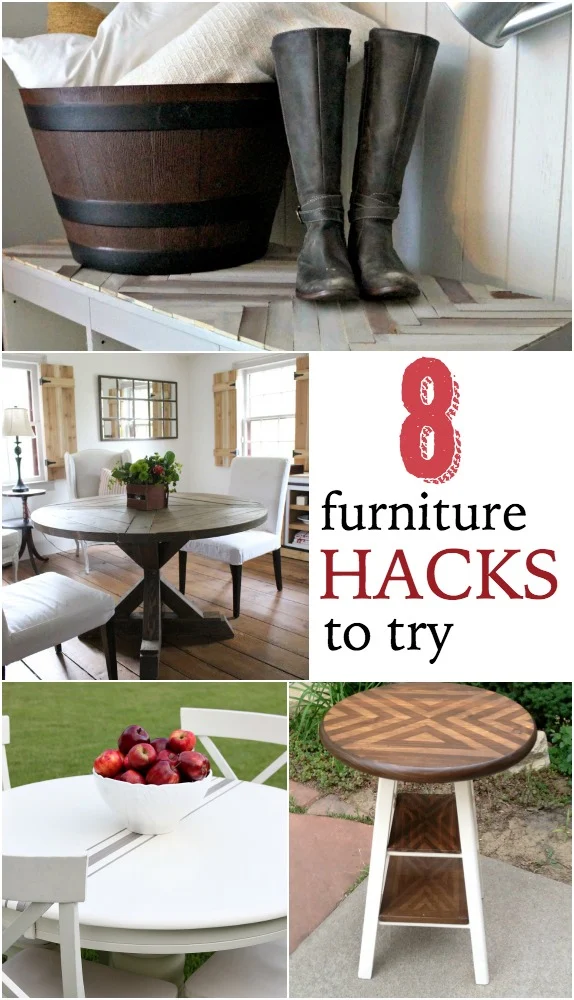
Big furniture pieces often dominate the budget, but with a few strategic moves, you can keep costs under control while still achieving a polished look. Start by reupholstering chairs or sofas with affordable fabrics from discount stores; this can transform dated silhouettes into modern statements.
Secondhand shopping is a treasure trove for budget‑savvy decorators. Look for solid wood pieces that need only minor sanding or a fresh coat of varnish. A simple DIY distressing technique can give a new‑to‑you piece a vintage vibe that feels curated.
When space is limited, multifunctional furniture becomes essential. A storage ottoman, a wall‑mounted desk, or a fold‑out dining table can serve multiple purposes, reducing the need for separate items. Pair these ideas with a well‑chosen rug to anchor the room and add warmth without a hefty price tag.
DIY accessories and upcycling for personal flair
Hand‑made décor not only saves money but also injects personality into your home. Simple projects like creating candle holders from reclaimed glass jars, or crafting wall art from repurposed wood pallets, can become conversation starters.
For inspiration on DIY projects, check out our guide on DIY décor with handmade candle holders. The tutorial shows how a few inexpensive materials can become elegant focal points across any room, reinforcing the idea that creativity trumps cost.
Another budget‑friendly upcycling tip is to transform old frames into a gallery wall. Mix and match sizes, add personal photos or printable art, and you’ll have a curated display that feels like a professional installation.
Textiles and soft furnishings: cheap upgrades with big impact
Soft furnishings—pillows, throws, curtains—offer an easy way to inject color, texture, and comfort. Look for sales at home‑goods stores, or shop online for bulk deals on neutral fabrics that you can dye or embellish yourself. A well‑chosen throw can brighten a sofa, while patterned cushions can add depth to a minimalist setting.
For window treatments, consider DIY Roman shades made from inexpensive fabric and a simple cord system. They provide privacy, control light, and look custom‑made without the cost of ready‑made options. When selecting curtains, choose a slightly longer length than the window frame; the visual extension adds a sense of grandeur.
Layering is key: combine a lightweight quilt with a chunky knit blanket for a lived‑in, welcoming vibe. This approach not only feels luxurious but also allows you to rotate pieces seasonally, keeping the space fresh year after year.
Small space styling: making every square foot count
Compact apartments present unique challenges, but clever styling can make even the tiniest rooms feel spacious. Mirrors, as mentioned earlier, reflect light and open up walls. Additionally, vertical storage—shelves that reach the ceiling—draw the eye upward, creating an illusion of height.
For a focused look, adopt a limited colour palette. Using the same hue for walls, furniture, and accessories reduces visual clutter. Add a pop of contrast with a single bold accent piece, such as a bright lamp or a patterned rug, to keep the design lively.
If you need a dedicated dining area in a small footprint, read our Small Dining Room Décor Ideas. The article highlights clever furniture placement and space‑saving décor that work perfectly for apartments where square footage is at a premium.
Sustainable and secondhand sourcing for long‑term savings
Choosing sustainable décor isn’t just good for the planet—it’s also a smart financial strategy. Thrift stores, estate sales, and online marketplaces often feature high‑quality items at a fraction of retail price. Look for timeless pieces that can adapt to evolving design trends, such as a classic mid‑century coffee table or a sturdy wooden dresser.
When buying secondhand, inspect items for structural integrity and consider the cost of any needed repairs. Simple fixes like tightening screws, sanding, or repainting can rejuvenate a piece at minimal expense. Pair these finds with modern accessories to blend vintage charm with contemporary style.
For larger investments like windows, weigh the long‑term value of durability. A recent comparison of PVC windows vs vinyl shows that while upfront costs differ, energy efficiency and maintenance can affect overall budget. Choosing the right material aligns with the broader goal of cost‑effective home décor.
Quick home décor tips
- Swap out hardware—new knobs and pulls can modernize cabinets for under $20.
- Use removable wallpaper on a single wall for a bold statement without permanent commitment.
- Rotate artwork seasonally to keep walls feeling fresh without new purchases.
- Place a tray of fresh fruit or a vase of herbs on a coffee table for a natural, inexpensive focal point.
- Upgrade lighting with dimmable LED bulbs; they reduce energy costs and enhance ambience.
Common decorating mistakes and how to avoid them
Even budget‑focused decorators can fall into traps that waste money or compromise style. One frequent error is over‑accessorizing; too many small items create visual noise. Instead, select a few statement pieces that complement the overall colour scheme.
Another pitfall is neglecting scale. A massive sofa in a tiny room overwhelms the space, while tiny décor in a large room feels lost. Measure your room and choose furniture that fits proportionally. Lastly, avoid ignoring lighting—poor illumination can make even a well‑styled room feel gloomy. Incorporate layered lighting (ambient, task, accent) to enhance both function and aesthetics.
Frequently Asked Questions
Can I completely redecorate my home with a shoestring budget?
Yes. By focusing on high‑impact, low‑cost changes—such as painting, DIY accessories, and strategic upcycling—you can achieve a dramatic transformation without spending a fortune. Prioritize items that provide the biggest visual return, like wall colour, lighting, and textiles.
Where should I start when I have limited funds?
Begin with a clear budget and an inventory of existing pieces. Identify one room to tackle first, then choose a single focal point (e.g., an accent wall or a statement rug) to guide all other decisions. This approach keeps spending focused and prevents overwhelm.
Is it worth buying secondhand furniture?
Absolutely. Secondhand pieces often have a unique character and can be restored at a fraction of the cost of new items. Look for solid construction, timeless designs, and be prepared to invest a small amount in cleaning or minor repairs for the best results.
How do I make a small room feel larger?
Use light, neutral colours on walls, incorporate mirrors, and keep floor space clear by selecting furniture with legs that lift them off the ground. Vertical storage and multi‑functional pieces also free up valuable square footage.
What are the best budget‑friendly lighting options?
LED bulbs provide energy efficiency and long life, reducing ongoing costs. Look for affordable floor lamps, table lamps with simple shades, and consider adding inexpensive string lights for a warm, decorative glow.
Can I incorporate trends without spending a lot?
Yes. Trends often revolve around colour palettes, textures, and small accessories. Swap out cushion covers, add a trendy rug, or paint a single accent wall to stay current without committing to expensive, large‑scale purchases.
Bringing new life to your home doesn’t require a massive financial outlay; it just demands thoughtful planning and a willingness to get creative. By applying the home décor ideas on a budget outlined above, you can craft a living space that feels both fresh and personal, all while keeping your wallet happy. Explore more inspiration on The Homara, experiment with the tips that resonate most, and enjoy the satisfaction of a beautifully styled home that truly reflects you.