
Table of Contents
- Harvey Windows vs Andersen: Material Choices and Build Quality
- Energy Efficiency: How Harvey Windows vs Andersen Stack Up
- Design Flexibility and Customization Options
- Harvey Windows vs Andersen: Installation Process and Warranty
- Cost Considerations: Budgeting for Quality
- Real‑World Applications: Which Brand Fits Which Room?
- Living Room – Maximizing Views and Light
- Bedroom – Balancing Privacy and Comfort
- Kitchen – Durability Meets Style
- Quick Tips for Selecting the Right Window Brand
- Common Mistakes When Choosing Between Harvey Windows vs Andersen
- Frequently Asked Questions
- Which brand offers the best energy efficiency for a cold climate?
- Can I install Andersen windows myself?
- Do Harvey windows require more maintenance than Andersen?
- How do I choose between wood‑clad and composite frames?
- Are there financing options available for either brand?
- What warranty coverage can I expect?
Harvey Windows vs Andersen – A Comprehensive Comparison for Modern Homes
Choosing the right windows is a pivotal decision for any homeowner, whether you’re building a new residence or renovating an existing space. Windows not only affect the aesthetic appeal of a room, but they also impact energy efficiency, sound insulation, and overall comfort. Two names that frequently surface in the market are Harvey Windows and Andersen, both offering a range of products that promise quality and performance. Understanding the nuances between these brands can help you make an informed choice that aligns with your design vision and budget.
In this article, we’ll explore the core differences between Harvey Windows and Andersen across several critical dimensions: material options, energy performance, design flexibility, installation processes, and long‑term value. By the end, you’ll have a clear picture of which brand suits your specific needs, whether you’re styling a sleek urban loft, a cozy suburban bedroom, or a sprawling family kitchen.
Harvey Windows vs Andersen: Material Choices and Build Quality
Both Harvey Windows and Andersen manufacture frames using a variety of materials, yet they differ in the emphasis they place on each option. Harvey Windows traditionally focuses on premium wood‑clad and vinyl constructions, offering a warm, natural look that many homeowners associate with classic architecture. Their wood‑clad models feature an interior wood core with a durable exterior cladding, combining the tactile appeal of wood with low‑maintenance exteriors.
Andersen, on the other hand, boasts a broader material portfolio that includes wood, Fibrex® (a composite of wood fibers and polymer), vinyl, and aluminum. The Fibrex® line, in particular, has become a hallmark of Andersen’s innovation, delivering the strength of wood with the durability of vinyl. This material is especially popular in high‑traffic areas like kitchens and bathrooms, where moisture resistance is crucial.
When comparing Harvey Windows vs Andersen, consider the following material factors:
- Durability: Andersen’s Fibrex® generally outperforms traditional wood‑clad in extreme weather conditions, while Harvey’s premium wood‑clad offers exceptional longevity if properly maintained.
- Maintenance: Vinyl options from both brands require minimal upkeep, but Andersen’s composite options may need less repainting over time.
- Aesthetic Flexibility: Harvey leans toward classic, timeless finishes, whereas Andersen provides a wider color palette and modern profiles suitable for contemporary interiors.
Energy Efficiency: How Harvey Windows vs Andersen Stack Up
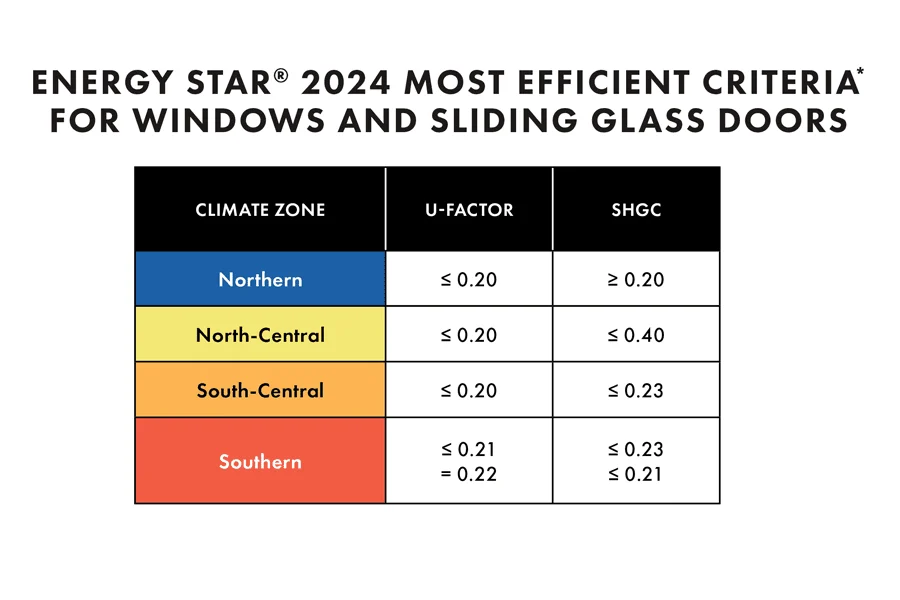
Energy performance is often the decisive factor for many buyers. Both brands invest heavily in technologies that meet or exceed ENERGY STAR® standards, but their approaches differ. Harvey Windows utilizes double and triple glazing with low‑emissivity (Low‑E) coatings, argon gas fills, and warm edge spacers to minimize heat transfer. Their focus on high‑performance glass makes their windows particularly effective in colder climates.
Andersen incorporates similar glazing technologies across its product lines, but its Fibrex® frames have an intrinsic advantage: the composite material’s insulating properties reduce thermal bridging, a common source of energy loss in traditional wood or vinyl frames. Additionally, Andersen offers the ThermoBridge™* technology* across many of its models, further enhancing overall U‑value performance.
When weighing Harvey Windows vs Andersen for energy efficiency, keep these points in mind:
- Harvey’s best‑in‑class glass options can achieve U‑values as low as 0.30, ideal for passive‑house standards.
- Andersen’s Fibrex® frames typically deliver lower overall thermal transfer, especially in mixed‑climate zones.
- Both brands provide optional upgrades such as solar control glazing, which can reduce cooling loads during hot summers.
Design Flexibility and Customization Options

Modern interior design thrives on customization, and the ability to tailor windows to specific architectural styles is essential. Harvey Windows offers a curated selection of classic profiles—double‑hung, casement, and awning—each available in multiple grain finishes and paint colors. Their customization process often involves a direct consultation with a design specialist, ensuring the final product aligns with the homeowner’s vision.
Andersen takes customization a step further with a broader array of styles, including picture windows, sliding, tilt‑and‑turn, and even specialty shapes like arches and circles. Their DesignNow™* configurator* allows users to visualize options in real time, experimenting with hardware finishes, grille patterns, and integrated blinds.
Key considerations for Harvey Windows vs Andersen in design flexibility include:
- Range of Styles: Andersen provides a wider selection, making it a go‑to for unique or contemporary projects.
- Grille and Muntin Options: Both brands offer decorative grids, but Harvey’s handcrafted wood grilles often carry a more artisanal feel.
- Hardware Choices: Andersen’s hardware comes in brushed nickel, oil‑rubbed bronze, and matte black, while Harvey typically offers traditional brass or stainless steel options.
Harvey Windows vs Andersen: Installation Process and Warranty
Installation quality directly influences window performance over time. Harvey Windows partners with certified installers who follow a strict protocol, including moisture barriers and precise shimming to ensure a tight seal. Their warranty typically covers the frame for 20 years and the glass for 10 years, reflecting confidence in their craftsmanship.
Andersen, leveraging a larger dealer network, offers a streamlined installation program that includes pre‑drilled mounting brackets and optional professional installation services. Their warranty is often more extensive: a lifetime limited warranty on the frame and a 20‑year warranty on the glass. This longevity can be a decisive factor for homeowners seeking long‑term peace of mind.
When comparing Harvey Windows vs Andersen on installation, think about:
- Regional availability of certified installers.
- Complexity of the project—custom shapes may favor Harvey’s boutique approach.
- Warranty length and coverage details, especially if you plan to stay in the home for many years.
Cost Considerations: Budgeting for Quality
Budget is a practical reality that influences every purchase decision. Harvey Windows generally position themselves in the premium segment, with pricing that reflects their focus on high‑end wood finishes and meticulous craftsmanship. A standard double‑hung window from Harvey can range from $800 to $1,500, depending on size and glass options.
Andersen’s pricing is more tiered, offering entry‑level vinyl models that start around $300, mid‑range Fibrex® products in the $600–$900 range, and high‑end wood collections that can exceed $1,200 per unit. This tiered structure makes Andersen accessible to a broader audience, from budget‑conscious renters to luxury homeowners.
Here’s a quick cost snapshot for Harvey Windows vs Andersen:
- Entry‑Level Vinyl: Only Andersen provides a competitive low‑cost option.
- Mid‑Range Composite: Both brands offer comparable pricing, but Andersen’s Fibrex® may deliver better value per performance.
- Premium Wood‑Clad: Harvey often commands a higher price due to hand‑finished details.
Real‑World Applications: Which Brand Fits Which Room?
To illustrate how Harvey Windows vs Andersen can influence specific spaces, let’s examine a few common rooms:
Living Room – Maximizing Views and Light
In a spacious living room where expansive picture windows are desired, Andersen’s large‑format options with thin frames provide unobstructed views and sleek modern aesthetics. Pairing these windows with living room window seat décor ideas can create a cozy nook that blends function and style.
Harvey, with its wood‑clad frames, can add warmth to a traditional living room, especially when paired with classic grille patterns that echo historic architecture.
Bedroom – Balancing Privacy and Comfort
For bedroom settings, noise reduction is often a priority. Andersen’s Fibrex® frames, combined with acoustic glass, provide superior sound insulation—ideal for urban apartments. Meanwhile, Harvey’s double‑hung windows with custom wood finishes can complement a rustic bedroom décor, especially when paired with wood frame mirrors for added visual depth.
Kitchen – Durability Meets Style
The kitchen environment demands moisture‑resistant, low‑maintenance windows. Andersen’s Fibrex® or high‑performance vinyl windows are well‑suited for this setting. Pair them with sleek hardware and perhaps a splash of color from a kitchen décor with wooden boards project for cohesive design.
Harvey can still serve a kitchen remodel, especially if the homeowner desires a heritage look, but the wood‑clad may require more frequent sealing to combat humidity.
Quick Tips for Selecting the Right Window Brand
- Assess climate: Choose Harvey for ultra‑low U‑values in cold zones; opt for Andersen’s Fibrex® in mixed climates.
- Define style: Classic interiors benefit from Harvey’s wood‑clad elegance; contemporary spaces shine with Andersen’s slim‑profile options.
- Budget mapping: Use Andersen’s tiered pricing to align with phased renovation budgets.
- Check local installers: Availability of certified Harvey installers may affect timelines.
- Review warranties: Longer glass warranties from Andersen can offset higher upfront costs.
Common Mistakes When Choosing Between Harvey Windows vs Andersen
Even seasoned homeowners can stumble during the selection process. Below are typical pitfalls and how to avoid them:
- Ignoring Frame Material Impact: Selecting a frame based solely on appearance can lead to premature wear; always match material to climate and maintenance preferences.
- Overlooking Glazing Options: Defaulting to standard glass may miss out on energy‑saving Low‑E or solar‑control variants that can reduce utility bills.
- Underestimating Installation Costs: Professional installation is crucial for performance; DIY installations often void warranties.
- Neglecting Future Resale Value: High‑quality windows can boost home appraisal—consider long‑term ROI.
- Skipping Comparative Quotes: Prices vary by region; obtaining multiple quotes from both Harvey and Andersen dealers ensures fair pricing.
Frequently Asked Questions
Which brand offers the best energy efficiency for a cold climate?
Both brands provide high‑performance glazing, but Harvey Windows often leads with ultra‑low U‑values when paired with triple glazing, making it a strong contender for extreme cold zones.
Can I install Andersen windows myself?
While some experienced DIYers attempt installation, both Harvey and Andersen recommend using certified installers to maintain warranty coverage and ensure optimal performance.
Do Harvey windows require more maintenance than Andersen?
Harvey’s wood‑clad models need periodic sealing and repainting to protect against moisture, whereas Andersen’s Fibrex® and vinyl options are virtually maintenance‑free.
How do I choose between wood‑clad and composite frames?
Consider aesthetics versus durability: wood‑clad offers a timeless look but needs upkeep; composite (like Andersen’s Fibrex®) provides similar visual warmth with greater resistance to weathering.
Are there financing options available for either brand?
Both manufacturers work with a network of dealers that often provide financing plans, including low‑interest or deferred‑payment options. Check with local showrooms for specifics.
What warranty coverage can I expect?
Harvey typically offers a 20‑year frame warranty and a 10‑year glass warranty. Andersen extends a lifetime limited warranty on frames and a 20‑year glass warranty, giving it an edge in long‑term protection.
Choosing between Harvey Windows vs Andersen ultimately hinges on your project’s priorities—whether you value classic wood aesthetics, cutting‑edge composite technology, budget flexibility, or specific performance metrics. By weighing material durability, energy efficiency, design flexibility, installation support, and total cost of ownership, you can select the window solution that elevates your home’s comfort, style, and value.
Ready to start your window upgrade? Explore our other interior design resources for inspiration, such as the latest trends in small room décor inspiration or how to pair the perfect lighting with your new windows. With the right choice, your home will not only look better—it will feel better, too.