

Table of Contents
- Why kitchen décor with wooden boards is timeless
- Choosing the right wooden board for your kitchen décor
- Integrating wooden boards into countertops and islands
- Maintenance tips for wooden board countertops
- Wall treatments: wooden board backsplashes and paneling
- Design ideas for kitchen décor with wooden boards on walls
- Functional décor: wooden cutting boards as stylish accessories
- Creative ways to display wooden boards
- Sustainable and eco‑friendly aspects of wooden board décor
- Eco‑friendly finishing options
- Mixing wood with modern materials for a balanced look
- Color coordination tips
- Quick Tips for Wooden Board Kitchen Décor
- Common Mistakes to Avoid
- Frequently Asked Questions
Wooden boards have been a staple in kitchens for centuries, offering a warm, natural texture that instantly adds character to any space. Whether you are revamping a compact city apartment or updating a spacious family kitchen, incorporating wooden boards can elevate the overall aesthetic while providing functional benefits. In this guide, we explore how to use wooden boards effectively, from selecting the right material to blending them with contemporary elements, ensuring your kitchen décor with wooden boards feels both timeless and fresh.
Beyond their visual appeal, wooden boards bring durability, sustainability, and a tactile quality that other materials often lack. They can serve as striking backsplashes, elegant countertops, or subtle wall accents, adapting to a variety of design styles—from rustic farmhouse to sleek modern. By the end of this article, you will have a toolbox of practical ideas and expert insights to make your kitchen décor with wooden boards a true focal point of your home.
Why kitchen décor with wooden boards is timeless

Wood has an inherent ability to age gracefully, developing a patina that tells a story of use and love. This natural evolution makes wooden boards a perfect choice for homeowners seeking a look that matures rather than fades. When paired with classic fixtures—such as copper pots, marble countertops, or industrial lighting—the organic feel of wood creates a balanced contrast that feels both grounded and sophisticated.
From a psychological perspective, the warm hues of wood evoke feelings of comfort and hospitality, encouraging family gatherings and casual conversations. Moreover, wooden boards are versatile; they can be reclaimed from old furniture for an eco‑friendly twist or sourced fresh for a pristine finish. Their adaptability ensures that kitchen décor with wooden boards never feels outdated, regardless of shifting design trends.
Choosing the right wooden board for your kitchen décor
The first step in any successful wooden board project is selecting the appropriate wood species. Hardwoods like maple, walnut, and oak provide excellent durability and resistance to scratches, making them ideal for high‑traffic areas. Softwoods such as pine can be used for decorative panels where heavy wear is less likely.
Consider the grain pattern and color tone in relation to existing elements in the room. A light maple board pairs beautifully with white cabinets and stainless steel appliances, while a deep walnut can anchor darker color schemes. For a cohesive look across the home, you might echo the same wood in the bedroom décor with wood frame mirrors, creating a seamless flow between spaces.
Integrating wooden boards into countertops and islands
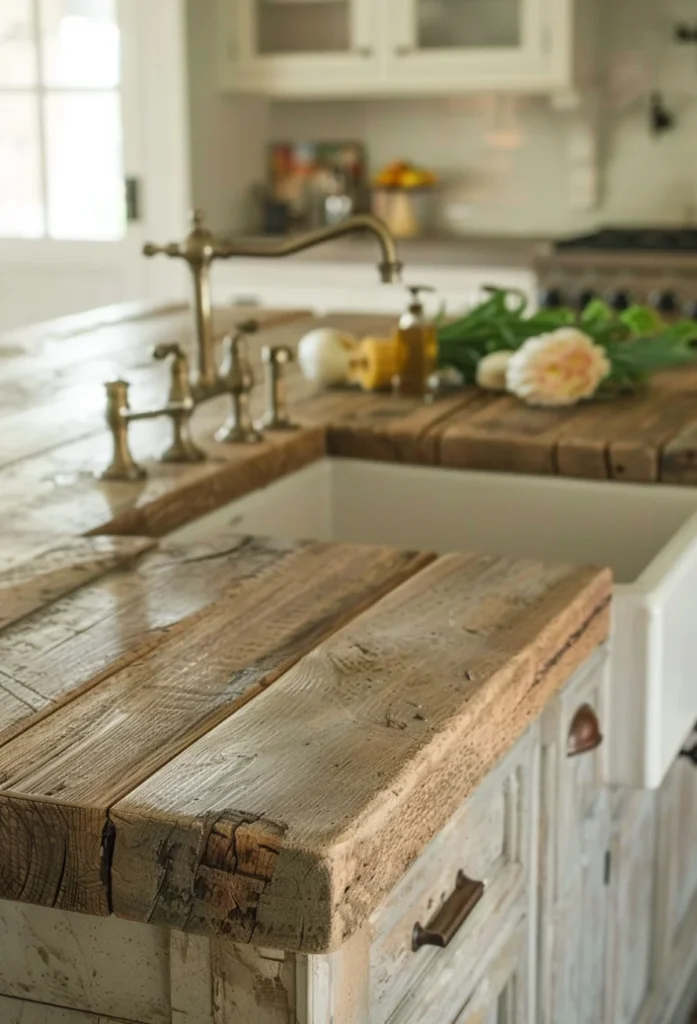
One of the most striking ways to showcase kitchen décor with wooden boards is by using them as countertop surfaces or island overlays. When properly sealed with food‑safe finishes, wooden countertops are both beautiful and functional, offering a warm workspace that is gentle on dishes and knives.
To avoid excessive wear, rotate the board placement periodically or use decorative cutting boards as protective layers during heavy food prep. Pair the wooden surface with metal accents—such as brass faucet handles or matte black hardware—to reinforce a modern aesthetic while preserving the natural charm of the wood.
Maintenance tips for wooden board countertops
- Apply a food‑grade oil or varnish every 3–4 months to maintain moisture resistance.
- Wipe spills immediately with a soft, damp cloth; avoid harsh chemicals.
- Use cutting boards for chopping to protect the surface from knife marks.
Wall treatments: wooden board backsplashes and paneling
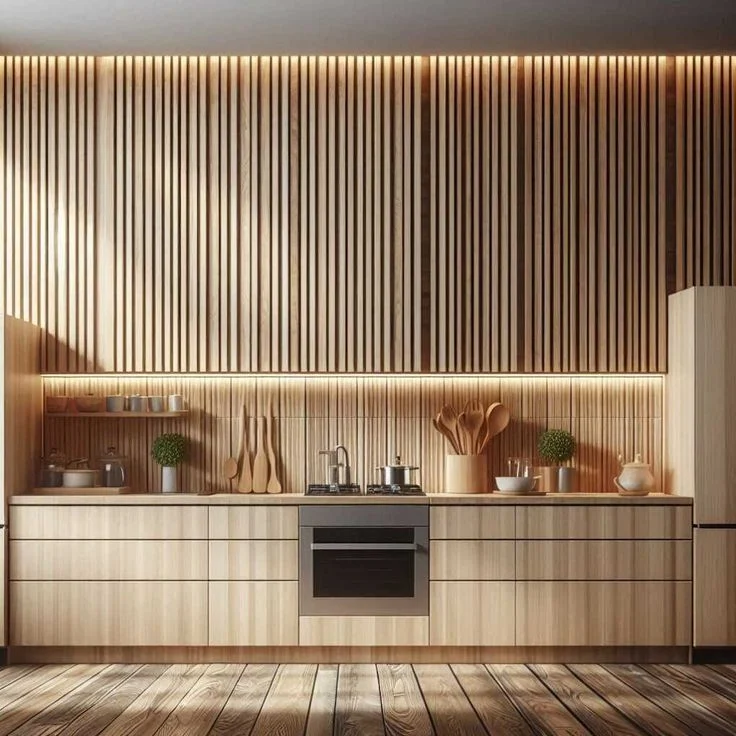
Beyond surfaces, wooden boards can dramatically transform vertical spaces. A reclaimed wood backsplash adds texture and depth, especially when installed behind a stove or sink where splatters are common. The natural gaps between boards can be filled with grout for a sleek finish or left open for a more rustic vibe.
For smaller kitchens, extending wooden paneling from floor to ceiling creates an illusion of height, making the room feel larger. Combine this with strategically placed lighting—such as pendant lights or under‑cabinet LEDs—to highlight the grain and add a warm glow.
Design ideas for kitchen décor with wooden boards on walls
Mixing wood with glass tiles creates an eye‑catching contrast that works well in contemporary homes. Alternatively, a single accent wall featuring horizontal wooden slats can serve as a backdrop for open shelving, allowing you to display dishes, glassware, or even a living room window seat décor element that spills into the kitchen area.
Functional décor: wooden cutting boards as stylish accessories
Wooden cutting boards are more than just prep tools; they double as decorative pieces that reinforce the theme of kitchen décor with wooden boards. Choose oversized boards with interesting grain patterns to display fruit, cheese, or bread, turning them into functional art.
Mount a series of wooden boards on a wall as a unique rack for spices, knives, or utensils. This approach not only saves drawer space but also adds an organic rhythm to the kitchen’s visual composition.
Creative ways to display wooden boards
- Lean a large board against the backsplash for an instant serving station.
- Hang smaller boards horizontally using minimalist brackets for a floating effect.
- Layer two boards of contrasting woods for a dynamic, layered look.
Sustainable and eco‑friendly aspects of wooden board décor
Choosing wood sourced from responsibly managed forests or reclaimed materials aligns your kitchen décor with sustainable practices. Wood sequesters carbon, and when used thoughtfully, it reduces the need for energy‑intensive materials like concrete or metal.
Look for certifications such as FSC (Forest Stewardship Council) to ensure the wood’s origin is ethical. Additionally, reclaimed boards often carry a unique history, adding character while minimizing waste.
Eco‑friendly finishing options
Natural oils, beeswax, and plant‑based varnishes provide protective layers without introducing harmful VOCs (volatile organic compounds). These finishes also enhance the wood’s natural sheen, making the kitchen décor with wooden boards feel both healthy and inviting.
Mixing wood with modern materials for a balanced look
While wooden boards bring warmth, pairing them with sleek materials prevents the space from feeling overly rustic. Incorporate glass, stainless steel, or concrete countertops alongside wooden accents to achieve a harmonious blend of old and new.
For example, a concrete island topped with a thin wooden board strip offers a tactile contrast that highlights both materials. The key is to maintain visual balance: if the wood is dominant, let the modern elements be subtle; if the modern pieces are bold, let the wood provide gentle grounding.
Color coordination tips
- Match wood tones with complementary cabinet colors—light woods with white or pastel cabinets, dark woods with navy or charcoal.
- Use metal hardware in brushed nickel or oil‑rubbed bronze to echo the wood’s warmth.
- Introduce muted greens or blues through accessories to echo natural hues found in wood.
Quick Tips for Wooden Board Kitchen Décor
- Start small: add a wooden board backsplash behind the stove before tackling larger installations.
- Seal all wooden surfaces with food‑grade finishes to protect against moisture and stains.
- Mix reclaimed and new wood for a layered, story‑telling effect.
- Incorporate LED lighting to highlight grain patterns without generating excess heat.
- Balance wood with matte metal or glass to keep the space feeling contemporary.
Common Mistakes to Avoid
Even seasoned designers can slip up when working with wooden boards. One frequent error is neglecting proper sealing, which leads to discoloration and water damage. Another is overusing wood, making the kitchen feel cramped—especially in small apartments. Lastly, ignoring the wood’s expansion and contraction can cause gaps or warping over time. By anticipating these pitfalls, you can preserve the beauty and longevity of your kitchen décor with wooden boards.
Frequently Asked Questions
Can I use wooden boards on a kitchen wall that gets a lot of steam?
Yes, but it’s essential to apply a moisture‑resistant sealant and consider a semi‑gloss finish that repels steam while showcasing the grain.
What wood species is best for high‑traffic kitchen areas?
Hardwoods such as maple, walnut, and oak offer superior durability and are less prone to denting or scratching compared to softer species.
How often should I reseal my wooden countertop?
Depending on usage, reseal every three to six months with a food‑grade oil or varnish to maintain protection and enhance the natural sheen.
Is reclaimed wood safe for food preparation surfaces?
Reclaimed wood can be safe if it’s thoroughly cleaned, sanded smooth, and finished with a non‑toxic, food‑grade sealant that meets health standards.
Can wooden boards be combined with under‑cabinet lighting?
Absolutely. LED strips installed behind wooden panels highlight the texture without adding heat, creating a warm, inviting ambience.
Integrating wooden boards into your kitchen décor not only enhances visual appeal but also supports sustainable living and functional design. By selecting the right wood, applying proper finishes, and thoughtfully mixing modern materials, you can create a space that feels both timeless and uniquely yours. Explore more ideas across The Homara, and let your kitchen become a showcase of natural elegance and contemporary comfort.