
Table of Contents
- Hardie Board vs Cement Board: Core Material Differences
- Composition of Hardie Board
- Composition of Cement Board
- Installation Process: Hardie Board vs Cement Board
- Step‑by‑Step for Hardie Board
- Step‑by‑Step for Cement Board
- Moisture Resistance and Durability: Hardie Board vs Cement Board
- Hardie Board Performance
- Cement Board Performance
- Cost Considerations: Hardie Board vs Cement Board
- Design Flexibility and Aesthetic Outcomes
- Hardie Board Design Options
- Cement Board Design Options
- Quick Tips for Choosing Between Hardie Board and Cement Board
- Common Mistakes to Avoid When Using Hardie Board vs Cement Board
- Frequently Asked Questions
- Is Hardie board suitable for shower walls?
- Can I paint over cement board directly?
- Which board is more environmentally friendly?
- Do I need a professional to install these boards?
- How do I repair a cracked tile on cement board?
- What is the lifespan of Hardie board compared to cement board?
Hardie Board vs Cement Board: Which Is Best for Modern Home Renovations
When tackling a remodel, the choice of wall sheathing can feel surprisingly pivotal. Two heavy‑duty options often surface: Hardie board and cement board. Both promise durability and moisture resistance, yet they differ in composition, handling, and cost. For homeowners, designers, and DIY enthusiasts, understanding these nuances can prevent costly mistakes and ensure a finish that lasts for years.
In this guide we’ll break down the science behind each material, compare installation methods, and explore how each performs in real‑world settings like bathrooms, kitchens, and even living spaces. By the end, you’ll have a clear roadmap to decide which board aligns with your project goals, budget, and aesthetic aspirations.
Hardie Board vs Cement Board: Core Material Differences
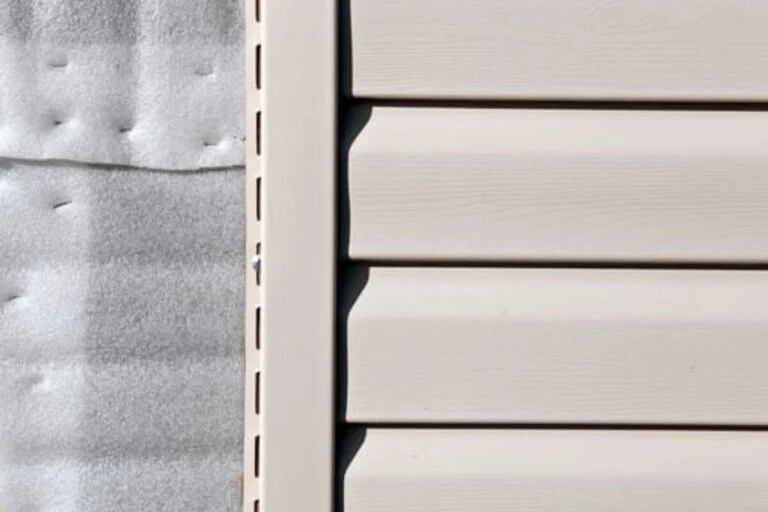
At first glance, Hardie board and cement board appear similar—both are engineered to resist water and provide a solid substrate for tile or paint. Yet their core make‑up tells a different story.
Composition of Hardie Board
Hardie board, officially known as fiber cement siding, blends cement, sand, and cellulose fibers. The fibers give it a slight flexibility, making it lighter than pure cement board. This hybrid nature offers a balance of strength and workability, which is why many contractors favor it for exterior siding as well as interior applications.
Composition of Cement Board
Cement board is a dense, non‑fibrous panel composed primarily of cement and aggregate. It’s essentially a solid slab of cement reinforced with a mesh or fiberglass backing for added tensile strength. The result is a heavier, more rigid panel that excels under high‑impact conditions.
Both products meet the water‑resistant standards required for bathroom remodels, but the subtle differences affect handling, cutting, and long‑term performance.
Installation Process: Hardie Board vs Cement Board
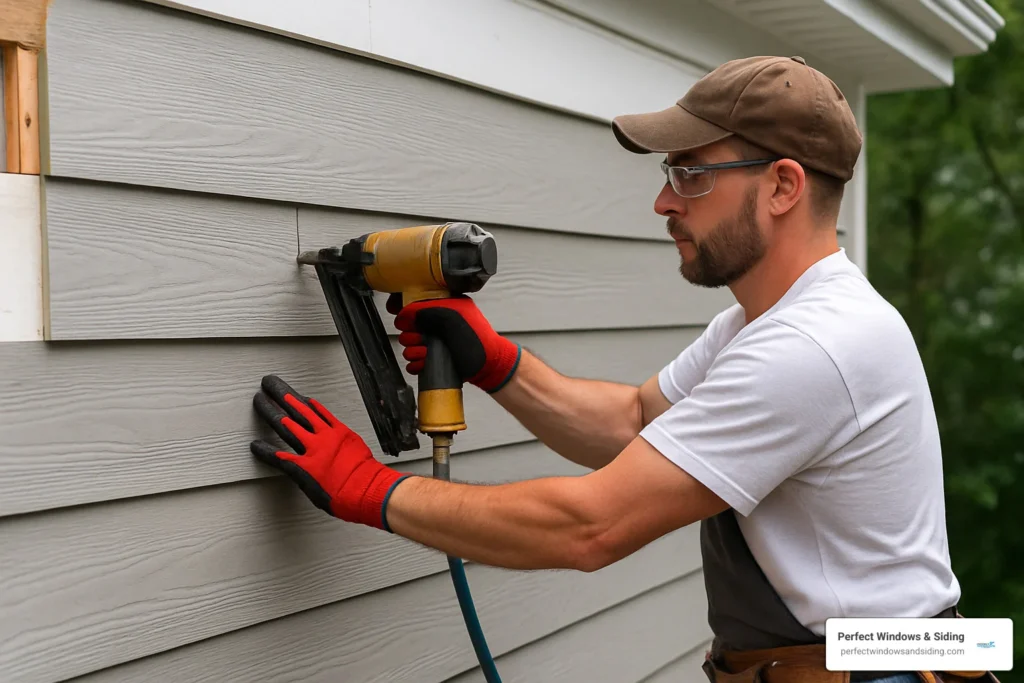
Installation is where the rubber meets the road. Even a durable material can falter if not installed correctly. Below is a side‑by‑side look at the steps involved with each board.
Step‑by‑Step for Hardie Board
- Cutting: Use a carbide‑tipped scoring knife or a circular saw with a fine‑tooth blade. The fibers reduce splintering, allowing cleaner cuts.
- Fastening: Secure with corrosion‑resistant screws or nails placed at 6‑inch intervals. Pre‑drill holes to prevent cracking.
- Joint Treatment: Apply a thin‑set mortar over seams, then tape with fiberglass mesh. Finish with a coat of primer before tiling or painting.
Step‑by‑Step for Cement Board
- Cutting: Requires a power saw equipped with a diamond blade or a specialized cement board cutter. The material is brittle, so wear eye protection.
- Fastening: Use cement‑board screws with a washer head to distribute load. Screws should be spaced no more than 8 inches apart.
- Joint Treatment: Seal joints with thin‑set mortar and embed alkali‑resistant mesh tape. A waterproofing membrane is often recommended for shower walls.
The installation time for Hardie board is generally shorter due to easier cutting, but cement board’s rigidity can be advantageous when creating a perfectly flat substrate for large tile formats.
Moisture Resistance and Durability: Hardie Board vs Cement Board
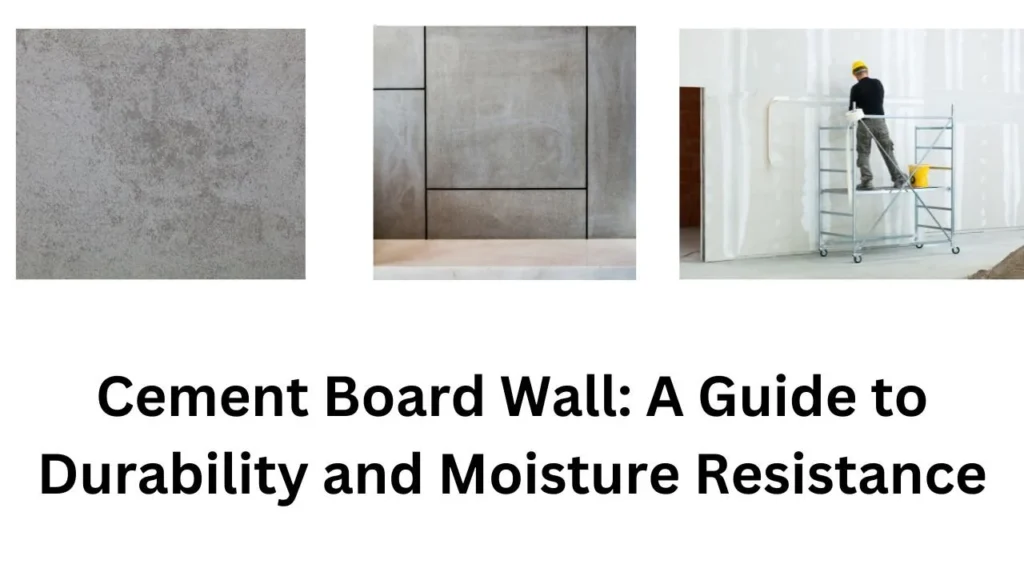
Moisture is the arch‑enemy of interior finishes, especially in bathrooms and kitchens. Both boards claim water resistance, but they respond differently to prolonged exposure.
Hardie Board Performance
Hardie board’s fibers are treated with a waterproof coating, making it highly resistant to mold and rot. However, if water penetrates a seam that isn’t properly sealed, the fibers can swell slightly, potentially leading to a soft spot over time.
Cement Board Performance
Cement board is essentially impermeable to water. Its dense composition means it won’t swell, even if moisture seeps through a missed joint. This makes it the go‑to choice for shower stalls and tub surrounds where constant water contact is expected.
For those seeking a minimalist aesthetic with fewer seams, Hardie board’s ease of cutting can reduce the number of joints, thereby limiting potential leak points.
Cost Considerations: Hardie Board vs Cement Board
Budget constraints often tip the scales in material selection. While both boards sit in the premium category compared to drywall, there are notable price differences.
- Material Cost: On average, Hardie board costs about $10‑$12 per 3‑by‑5‑foot sheet, whereas cement board runs $12‑$15 per sheet.
- Labor: Hardie board’s easier handling can shave a few hours off labor, translating to modest savings.
- Long‑Term Value: Cement board’s superior moisture resilience can reduce future repair costs in wet areas, potentially offsetting its higher upfront price.
When you calculate total project cost—including material, labor, and potential future maintenance—Hardie board vs cement board becomes a nuanced decision rather than a simple price comparison.
Design Flexibility and Aesthetic Outcomes
Beyond function, the visual impact of the substrate matters. Both boards support a variety of finishes, but each has its own strengths.
Hardie Board Design Options
Hardie board accepts a wide range of paints, stains, and textured finishes. Its slightly textured surface can hold a coat of primer well, making it ideal for painted bathroom walls where a clean, uniform look is desired.
Cement Board Design Options
Cement board shines when tiled. Its flat, rigid surface ensures large-format tiles sit flush, eliminating lippage. For a sleek, modern look, consider large porcelain tiles in a matte finish—pair them with cement board for optimal stability.
For inspiration on coordinating finishes, explore our article on matte versus satin finishes to see how the substrate influences the final look.
Quick Tips for Choosing Between Hardie Board and Cement Board
- Assess the area’s exposure to water; choose cement board for constant moisture zones.
- Consider the tile size; large tiles benefit from cement board’s flatness.
- Factor in labor costs—Hardie board can be installed faster.
- Check local building codes; some jurisdictions require cement board in shower enclosures.
- Plan for future maintenance; Hardie board is easier to repair if a board gets damaged.
Common Mistakes to Avoid When Using Hardie Board vs Cement Board
Even seasoned renovators can stumble. Here are pitfalls to watch out for:
- Skipping waterproofing membranes: Both boards need a proper waterproof barrier in wet areas; omitting this invites mold.
- Improper screw spacing: Too wide a gap can cause board flex, leading to cracks in tile.
- Using the wrong cutter: A standard wood saw will shatter cement board; always use a diamond blade.
- Neglecting joint sealing: Seams are the weak point—apply thin‑set mortar and mesh tape meticulously.
- Overlooking weight limits: Cement board is heavier; ensure your wall studs can support the load without sagging.
Frequently Asked Questions
Is Hardie board suitable for shower walls?
Yes, Hardie board can be used in showers if properly sealed with a waterproofing membrane and all joints are taped and mortared. However, cement board is often preferred for its absolute impermeability.
Can I paint over cement board directly?
Cement board can be primed and painted, but it’s best suited for tiled surfaces. If you plan to paint, apply a high‑quality masonry primer to ensure adhesion.
Which board is more environmentally friendly?
Both boards contain cement, which has a high carbon footprint. Hardie board’s inclusion of recycled cellulose fibers gives it a slight edge in sustainability, but the difference is modest.
Do I need a professional to install these boards?
While DIY installation is possible with the right tools and safety gear, many homeowners hire professionals to guarantee code compliance, especially for wet‑area installations.
How do I repair a cracked tile on cement board?
First, remove the damaged tile and inspect the underlying board. If the cement board is intact, reapply thin‑set mortar and reinstall the tile. If the board is cracked, replace the affected section before re‑tiling.
What is the lifespan of Hardie board compared to cement board?
Both boards can last 30‑50 years when properly installed and maintained. Cement board may have a marginally longer lifespan in continuously wet environments due to its non‑absorbent nature.
Choosing between Hardie board vs cement board ultimately hinges on the specifics of your project—whether moisture exposure, design intent, budget, or labor constraints take priority. By weighing these factors, you can select the substrate that delivers both functional resilience and aesthetic harmony for your space.
Ready to start your remodel? Dive deeper into bathroom styling ideas, explore tile patterns that complement your chosen board, and transform your home with confidence.