

Table of Contents
- DIY Minimalist Décor Projects for the Living Room
- Project 1: Floating Shelf with Hidden Brackets
- Project 2: Minimalist Canvas Art
- DIY Minimalist Décor Projects for the Bedroom
- Project 3: Hand‑Stitched Linen Headboard
- Project 4: Built‑In Nightstand with Recycled Wood
- DIY Minimalist Décor Projects for Small Spaces
- Project 5: Multi‑Functional Wall‑Mounted Desk
- Project 6: Monochrome Pegboard Organizer
- DIY Minimalist Décor Projects for the Kitchen
- Project 7: Open‑Shelf Spice Rack
- Project 8: Minimalist Chalkboard Menu
- Quick DIY Minimalist Décor Tips
- Common Mistakes in Minimalist DIY Projects
- Frequently Asked Questions
- What are the core principles of DIY minimalist décor projects?
- Can minimalist décor work in a rented apartment?
- How do I choose the right paint finish for a minimalist look?
- Is it necessary to purchase all new furniture for a minimalist makeover?
- How can I incorporate personal style without compromising minimalism?
- What is the best way to maintain a minimalist space over time?
Living in a world that values simplicity and intentional design, many homeowners are turning to minimalist aesthetics to create calm, functional environments. Yet, achieving a truly minimal look doesn’t require a professional designer or a hefty budget. With a handful of DIY minimalist décor projects, you can strip away clutter, highlight clean lines, and let natural materials speak for themselves.
This article walks you through a series of practical, budget‑friendly projects that blend modern design principles with the hands‑on satisfaction of making things yourself. Whether you’re refreshing a cramped studio, updating a family living room, or adding subtle elegance to a bedroom, these ideas will help you curate spaces that feel open, purposeful, and effortlessly stylish.
DIY Minimalist Décor Projects for the Living Room
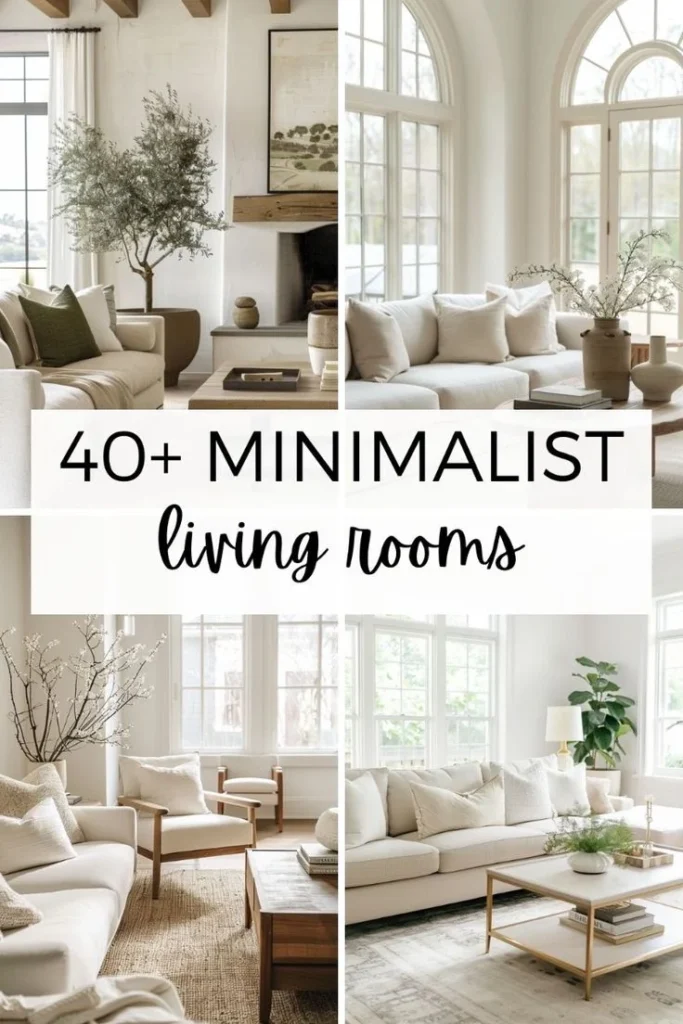
The living room often serves as the heart of a home, making it the perfect canvas for minimalist experimentation. Start by evaluating the existing layout: keep only the pieces that serve a clear function or add genuine visual interest. From there, a few targeted DIY projects can instantly lift the room’s aesthetic.
Project 1: Floating Shelf with Hidden Brackets
A floating shelf creates a sleek visual line while providing discreet storage for books, plants, or curated décor items. Use a ¾‑inch pine board, sand it smooth, and paint it a matte white or soft gray. Install concealed brackets that slide into a pre‑drilled channel on the back of the board, giving the impression that the shelf is hovering.
- Materials: 1×12 pine board, painter’s tape, matte paint, hidden bracket kit.
- Tools: Drill, level, sandpaper, screwdriver.
- Time: Approximately 2–3 hours.
Pair the shelf with a single statement object—perhaps a small ceramic vase or a curated stack of monochrome books—to maintain the minimalist vibe.
Project 2: Minimalist Canvas Art
Instead of purchasing expensive artwork, create your own abstract canvas using a limited color palette. Choose a neutral background (off‑white, taupe, or muted pastel) and add a single bold stroke or geometric shape in a contrasting hue. This approach adds personality without overwhelming the space.
- Materials: Blank canvas (16×20 in), acrylic paint, painter’s tape.
- Tools: Paintbrushes, roller.
- Time: 1–2 hours including drying.
Hang the piece at eye level to draw focus and maintain a clean line of sight across the room.
DIY Minimalist Décor Projects for the Bedroom

A bedroom should be a sanctuary of rest, and minimalism is the perfect framework for achieving tranquility. By reducing visual noise and focusing on quality over quantity, you can craft a personal retreat that feels both airy and inviting.
Project 3: Hand‑Stitched Linen Headboard
Replace an ornate, bulky headboard with a simple linen panel stitched by hand. Choose a natural linen fabric in a muted tone, stretch it over a wooden frame, and use a basic running stitch to add subtle texture. This creates a soft focal point without the weight of traditional upholstery.
- Materials: Linen fabric, pine frame, linen thread.
- Tools: Staple gun, needle, scissors.
- Time: 3–4 hours.
The result is a breathable, understated headboard that complements a minimalist bedding set.
Project 4: Built‑In Nightstand with Recycled Wood
Repurpose reclaimed pallet wood to fashion a low‑profile nightstand. Sand the planks, apply a clear sealant, and add a single drawer for essentials. The raw texture adds warmth while staying true to a minimal aesthetic.
- Materials: Pallet wood, drawer slides, clear sealant.
- Tools: Saw, sander, drill.
- Time: 5–6 hours.
This project not only reduces waste but also provides a functional piece that aligns with the minimalist ethos.
DIY Minimalist Décor Projects for Small Spaces
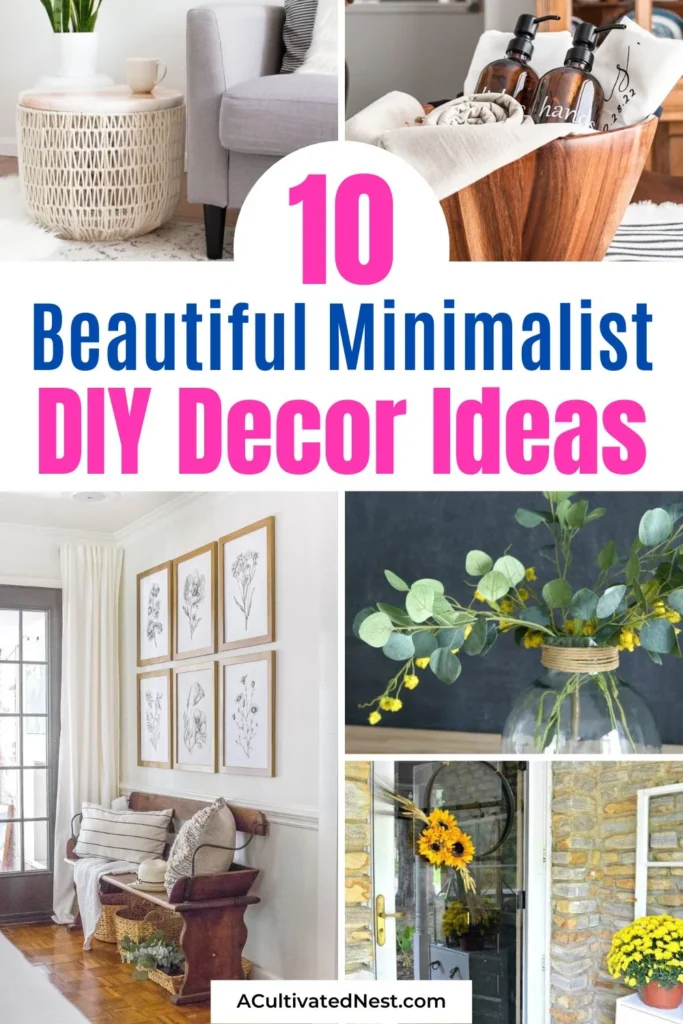
Compact apartments and narrow hallways can feel cramped when overloaded with décor. Minimalist design thrives on the principle of “less is more,” and DIY projects can make small spaces appear larger and more cohesive.
Project 5: Multi‑Functional Wall‑Mounted Desk
Craft a slim, wall‑mounted desk that folds down for work and tucks away when not in use. Use a reclaimed hardwood slab, attach sturdy hinges, and incorporate a hidden cable management channel. This project maximizes floor space while providing a dedicated workstation.
- Materials: Hardwood slab, piano hinges, cable clips.
- Tools: Drill, screwdriver, level.
- Time: 4–5 hours.
For more inspiration on optimizing tight areas, check out our Small Hallway Decorating Ideas: Transform Your Narrow Space with Style guide.
Project 6: Monochrome Pegboard Organizer
A pegboard painted in matte black or crisp white serves as both storage and a visual statement. Install hooks, shelves, and small baskets to hold everyday items—mail, keys, and tech accessories—while keeping surfaces clear.
- Materials: Pegboard, paint, hooks, small metal baskets.
- Tools: Paint roller, screwdriver.
- Time: 2–3 hours.
This approach preserves the clean lines essential to minimalist décor while offering practical organization.
DIY Minimalist Décor Projects for the Kitchen
The kitchen is a high‑traffic area where functionality and style intersect. Minimalist principles guide us to choose streamlined finishes, concealed storage, and subtle accents that enhance usability without clutter.
Project 7: Open‑Shelf Spice Rack
Swap bulky spice cabinets for a floating open shelf made from reclaimed oak. Mount the shelf at eye level, label each jar with simple black typography, and keep only the spices you use regularly. This not only saves cabinet space but also adds a curated visual element.
- Materials: Oak board, hidden brackets, black label stickers.
- Tools: Drill, level, sandpaper.
- Time: 1–2 hours.
Pair this with a sleek, matte‑finished faucet for a cohesive look. For finish options, read our guide on Duration Matte vs Satin: Choosing the Right Finish for Your Home.
Project 8: Minimalist Chalkboard Menu
Install a small, framed chalkboard near the kitchen entrance to list meals, grocery needs, or inspirational quotes. Use a simple wooden frame and a thin black chalkboard paint to keep the design understated.
- Materials: Chalkboard paint, thin wooden frame, chalk.
- Tools: Paint roller, scissors.
- Time: 30 minutes.
This functional art piece reduces paper waste and adds an interactive element to the space.
Quick DIY Minimalist Décor Tips
- Choose a neutral color palette—whites, soft grays, and earth tones—to create a unified backdrop.
- Limit decorative objects to one or two statement pieces per room.
- Incorporate natural textures (linen, wood, stone) to add warmth without visual clutter.
- Use hidden storage solutions, such as built‑in cabinets or under‑furniture drawers, to keep surfaces clear.
- Maintain consistent line weight—opt for thin legs, sleek hardware, and streamlined silhouettes.
Common Mistakes in Minimalist DIY Projects
Even seasoned DIYers can slip into habits that dilute a minimalist aesthetic. Below are frequent pitfalls and how to avoid them.
- Over‑accessorizing: Adding too many decorative objects defeats the purpose of minimalism. Stick to one focal item per surface.
- Neglecting Scale: Oversized furniture can dominate a room, while tiny pieces may feel lost. Balance size with the room’s dimensions.
- Poor Quality Materials: Cheap, flimsy materials age quickly and look sloppy. Invest in sturdy, natural materials for longevity.
- Ignoring Light: Minimalist spaces thrive on natural light. Avoid heavy drapes; instead, use sheer fabrics or blinds that can be fully opened.
- Inconsistent Color: A mishmash of hues creates visual noise. Choose a limited palette and repeat it throughout the space.
Frequently Asked Questions
What are the core principles of DIY minimalist décor projects?
The core principles include simplicity, functionality, and a restrained palette. Focus on clean lines, natural materials, and purposeful pieces that serve both aesthetic and practical needs.
Can minimalist décor work in a rented apartment?
Absolutely. Most DIY minimalist projects are reversible—think floating shelves with removable brackets or removable wall decals. They add style without violating lease agreements.
How do I choose the right paint finish for a minimalist look?
Matte or low‑sheen finishes are ideal because they reduce glare and hide minor imperfections. For more durability in high‑traffic areas, consider a satin finish, as discussed in our Duration Matte vs Satin article.
Is it necessary to purchase all new furniture for a minimalist makeover?
No. Repurposing existing pieces with a fresh coat of paint, new hardware, or reupholstering can achieve a minimalist vibe while staying budget‑friendly.
How can I incorporate personal style without compromising minimalism?
Introduce subtle personal touches—such as a favorite monochrome photograph, a handcrafted ceramic piece, or a single plant. These items add character while keeping the overall composition restrained.
What is the best way to maintain a minimalist space over time?
Regularly assess each item’s purpose. If something no longer serves a function or adds joy, consider donating or storing it elsewhere. Consistent decluttering keeps the space feeling light and intentional.
Embracing DIY minimalist décor projects empowers you to shape your home with intention, clarity, and creativity. By selecting purposeful pieces, using natural materials, and applying thoughtful design strategies, you can cultivate environments that feel spacious, calm, and uniquely yours. Explore more ideas on The Homara, experiment with these projects, and enjoy the transformative power of simplicity.
Ready to start? Pick a room, choose a project, and let the minimalist journey begin.