
Table of Contents
- Hansgrohe vs Delta Navigating the Faucet Dilemma: Brand Philosophy and Heritage
- Performance Metrics: Water Flow, Temperature Control, and Longevity
- Hansgrohe vs Delta Navigating the Faucet Dilemma: Maintenance and Repair
- Installation and Compatibility: What the Contractor Needs to Know
- Aesthetic Integration: Matching Finishes, Styles, and the Overall Bathroom Theme
- Cost and Value: Budget Considerations Without Sacrificing Quality
- Quick Tips for Choosing the Right Faucet
- Common Mistakes to Avoid When Installing a New Faucet
- Frequently Asked Questions
- Which brand offers better water‑saving performance?
- Can I install a Hansgrohe faucet in a Delta‑compatible mounting system?
- Is touch‑free technology reliable for daily use?
- What maintenance does a Hansgrohe faucet require?
- Are there any aesthetic trends influencing faucet choices this year?
- How do I choose the right spray pattern for a kitchen‑style bathroom sink?
Hansgrohe vs Delta – Navigating the Faucet Dilemma for Modern Bathrooms
When it comes to outfitting a bathroom, the faucet is often the centerpiece that bridges function and style. Homeowners and designers alike face a familiar crossroad: should they trust the German precision of Hansgrohe or the American innovation of Delta? This dilemma isn’t merely about brand loyalty; it’s about understanding how each manufacturer addresses water efficiency, aesthetic flexibility, and long‑term reliability.
In the next few minutes, you’ll learn how to weigh the core differences, spot the subtle details that matter most, and apply practical design insights that keep your bathroom looking fresh for years. Whether you’re renovating a compact city loft or a spacious master suite, the right faucet can elevate the entire space while saving water and money.
We’ll walk through performance metrics, installation quirks, cost considerations, and styling tips that align with today’s modern home décor trends. By the end of this guide, the “Hansgrohe vs Delta navigating the faucet dilemma” decision will feel less like a gamble and more like a confident, informed choice.
Hansgrohe vs Delta Navigating the Faucet Dilemma: Brand Philosophy and Heritage
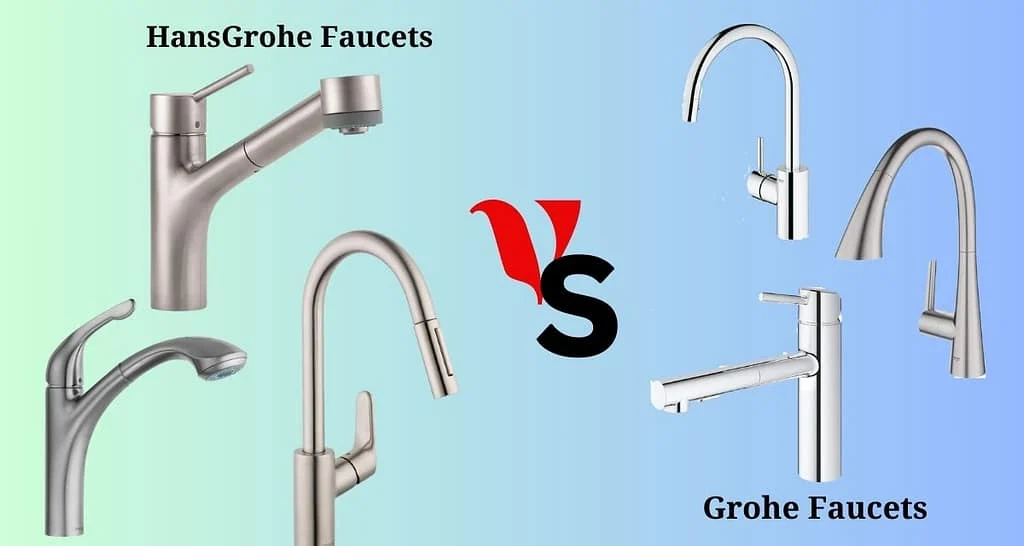
Understanding the roots of each brand helps clarify why they approach faucet design differently. Hansgrohe, founded in 1901 in Schiltach, Germany, built its reputation on engineering precision and a relentless focus on water‑saving technology. The company’s “Live‑Blue” initiative, for example, integrates flow‑restricting aerators without sacrificing performance, appealing to eco‑conscious homeowners.
Delta, on the other hand, emerged in 1919 in Indiana, USA, and quickly became known for practical innovations like the patented Touch2O® technology, which lets users start or stop water with a simple tap. Delta’s design language often leans toward bold, contemporary finishes that can adapt to a range of décor themes.
Both brands champion quality, yet their philosophies diverge: Hansgrohe prioritizes German engineering rigor, while Delta emphasizes user‑centric convenience and a broader price spectrum. This distinction is a key factor when you’re navigating the faucet dilemma.
Performance Metrics: Water Flow, Temperature Control, and Longevity
When you compare Hansgrohe vs Delta navigating the faucet dilemma, performance numbers become decisive. Hansgrohe’s EcoSmart cartridges reduce flow to as low as 1.5 gpm without compromising a luxurious feel. Their ceramic disc valves are renowned for a lifespan that often exceeds 15 years of daily use.
Delta’s H2Okinetic technology, meanwhile, creates a wider, more sculpted water stream that feels fuller even at reduced flow rates (around 1.8 gpm). The brand’s Diamond Seal Technology provides a seal that resists mineral build‑up, extending the service life of the faucet.
In real‑world testing, homeowners report that Hansgrohe models maintain a steadier temperature balance during long showers, while Delta’s touch‑activated valves excel in households with children or limited mobility. Both manufacturers meet or exceed most local plumbing codes, but the subtle differences in flow dynamics can influence your decision when navigating the faucet dilemma.
Hansgrohe vs Delta Navigating the Faucet Dilemma: Maintenance and Repair
Maintenance is another arena where the brands separate. Hansgrohe’s cartridges are typically sold as a complete unit, which means a single replacement restores full functionality. The parts are widely available through European distributors, and the process usually requires only a wrench and a few minutes.
Delta’s cartridges are modular, allowing you to replace just the seal or the valve stem if the issue is localized. This modularity can save money on parts, but it also demands a slightly higher level of DIY confidence. Both brands offer extensive warranty periods—Hansgrohe often provides a 5‑year limited warranty, while Delta extends up to 10 years for many of its premium lines.
Installation and Compatibility: What the Contractor Needs to Know
Installation ease can be a deciding factor when you’re navigating the faucet dilemma, especially in tight or retrofit projects. Hansgrohe faucets typically arrive with a comprehensive installation kit, including a flexible supply line, a mounting plate, and clear German‑language instructions. The design favors a “single‑hole” setup, but many models also support a “deck‑mount” configuration for larger vanities.
Delta, by contrast, offers both single‑hole and widespread (three‑hole) options, and many of its products feature a quick‑connect system that reduces the need for soldering. For DIY enthusiasts, Delta’s “EZ‑Connect” feature can shave 30 minutes off installation time. However, if your bathroom has older plumbing with non‑standard dimensions, Hansgrohe’s adjustable mounting hardware may provide a smoother fit.
Both brands recommend a professional plumber for high‑rise apartments, where pressure balancing and anti‑siphon requirements become more complex. When you’re navigating the faucet dilemma, keep in mind the compatibility of the faucet with your existing water lines, especially if you have a mix of copper and PEX piping.
Aesthetic Integration: Matching Finishes, Styles, and the Overall Bathroom Theme
Modern bathroom design thrives on cohesive visual storytelling. Hansgrohe’s collection often showcases sleek, minimalistic silhouettes with matte black, polished chrome, and brushed nickel finishes that echo contemporary Scandinavian interiors. Their “Metris” line, for instance, pairs a low‑profile spout with a subtle, angular lever—perfect for a bathroom that leans toward a clean‑line aesthetic.
Delta’s portfolio leans into bold statements. The “Linden” series blends traditional cross‑hand designs with modern finishes like oil‑rubbed bronze and chrome with a brushed texture, creating a bridge between classic and modern looks. If you’re aiming for a vintage‑industrial vibe, Delta’s larger lever options can serve as focal points.
For homeowners who love to experiment, both brands offer interchangeable handles or spray heads, allowing you to switch styles without replacing the entire faucet. This flexibility can be a game‑changer when you’re navigating the faucet dilemma in a rental property, where permanent changes are discouraged.
Cost and Value: Budget Considerations Without Sacrificing Quality
Price tags often dictate the final decision in the “Hansgrohe vs Delta navigating the faucet dilemma” scenario. Hansgrohe’s entry‑level models start around $120, while their high‑end designs—such as the “Raindance” series—can exceed $500. Delta’s pricing range is broader, with budget-friendly options near $80 and premium models reaching $400.
Beyond the sticker price, consider long‑term value. Hansgrohe’s durability and water‑saving tech can reduce utility bills by up to 15 % annually, recouping the initial investment within a few years. Delta’s touch‑free features may lower the risk of water waste caused by accidental flows, a benefit for families with children.
When budgeting, also account for installation costs, potential plumbing upgrades, and future resale value. High‑quality faucets are often highlighted in real‑estate listings as “upgraded fixtures,” adding perceived value to the home.
Quick Tips for Choosing the Right Faucet
- Measure the existing hole configuration (single, widespread, or wall‑mount) before selecting a model.
- Prioritize water‑saving certifications such as WaterSense® for both brands.
- Match the faucet finish to other hardware in the bathroom—consistent chrome, matte black, or bronze creates harmony.
- Consider touch‑free technology if the bathroom sees high traffic or has young children.
- Read warranty terms carefully; longer coverage often signals higher confidence in durability.
Common Mistakes to Avoid When Installing a New Faucet
Even seasoned DIYers can stumble during a faucet upgrade. Below are frequent pitfalls and how to sidestep them:
- Ignoring pipe size. Installing a faucet designed for ½‑inch supply lines on a ¾‑inch system can cause leaks.
- Over‑tightening mounting nuts. This can crack the ceramic disc, leading to premature failure.
- Skipping the plumber’s tape. Teflon tape ensures a watertight seal on threaded connections.
- Choosing a finish that clashes with existing fixtures. Consistency matters for visual flow.
- Forgetting to shut off the water supply. A simple oversight can flood the bathroom and damage flooring.
Frequently Asked Questions
Which brand offers better water‑saving performance?
Both Hansgrohe and Delta meet WaterSense standards, but Hansgrohe’s EcoSmart cartridges typically achieve slightly lower flow rates (1.5 gpm) compared to Delta’s H2Okinetic (1.8 gpm). If water conservation is your top priority, Hansgrohe may have a slight edge.
Can I install a Hansgrohe faucet in a Delta‑compatible mounting system?
Most modern faucets from both brands are designed for standard single‑hole or widespread configurations. However, you should verify the mounting plate dimensions and ensure the supply lines match your existing setup.
Is touch‑free technology reliable for daily use?
Delta’s Touch2O® technology has been praised for its durability and ease of use. It works well in high‑traffic bathrooms and is especially helpful for families with young children or limited mobility.
What maintenance does a Hansgrohe faucet require?
Regular cleaning with a non‑abrasive cleaner and occasional cartridge replacement (every 5‑7 years) keep the faucet performing optimally. Using a water softener can also reduce mineral buildup.
Are there any aesthetic trends influencing faucet choices this year?
Matte black and brushed gold finishes are popular in 2024, reflecting a shift toward bold, statement hardware. Both Hansgrohe and Delta have expanded their finish palettes to accommodate these trends.
How do I choose the right spray pattern for a kitchen‑style bathroom sink?
For a larger basin, a wide‑arc spray (commonly found in Hansgrohe’s “Metris” line) offers better coverage. If you prefer a focused stream for rinsing, Delta’s “H2Okinetic” models provide a concentrated flow that can be adjusted with a simple lever.
Exploring related décor ideas can also help you see the faucet in context. For example, check out our guide on kitchen décor with wooden boards for complementary material choices, or browse small bedroom floating shelf décor to understand how sleek hardware can echo across different rooms.
Choosing between Hansgrohe and Delta is not a binary decision; it’s a nuanced balance of performance, aesthetics, budget, and lifestyle. By evaluating each factor in the context of your specific bathroom—whether it’s a compact city loft, a guest powder room, or a luxurious master suite—you can confidently navigate the faucet dilemma and select a fixture that serves you for years to come.
Remember, the right faucet does more than dispense water; it sets the tone for the entire space, reinforcing your design narrative while delivering practical benefits. Take the time to measure, compare, and envision how each model fits into your overall décor plan. When you’re ready, the installation will feel like the final brushstroke on a well‑composed interior canvas.