
Table of Contents
- Why choose handmade décor with natural materials?
- Integrating handmade décor with natural materials into the living room
- Handmade décor with natural materials: a focal point
- Creating a serene bedroom with natural handcrafted accents
- Natural nightstands and storage solutions
- Kitchen upgrades: functional art with natural materials
- Handcrafted storage and display ideas
- Outdoor & miscellaneous spaces: extending natural décor beyond walls
- Garden accents and functional pieces
- Quick actionable tips for incorporating handmade décor with natural materials
- Common mistakes and how to avoid them
- Frequently Asked Questions
- Conclusion
Handmade décor with natural materials: Timeless style for every home
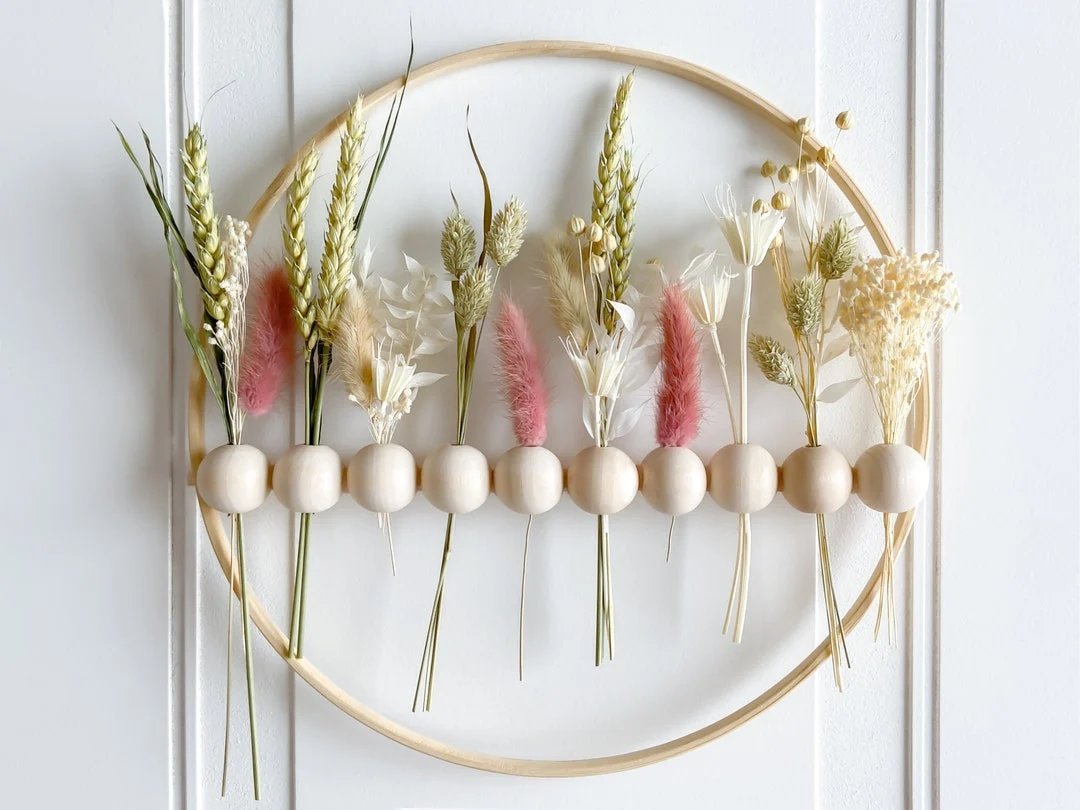
In an age where mass‑produced items dominate the market, the charm of handmade décor with natural materials offers a refreshing alternative. These pieces bring authenticity, texture, and a story that resonates with homeowners seeking a deeper connection to their surroundings. Whether you’re decorating a cozy apartment or a spacious family house, integrating handcrafted elements made from wood, stone, fibers, and reclaimed objects can elevate the aesthetic while promoting sustainability.
This article will guide you through the core benefits of using natural, handcrafted pieces, explore practical ways to incorporate them into various rooms, and provide actionable tips that blend modern design with timeless craftsmanship. By the end, you’ll have a clear roadmap to transform your living spaces with thoughtful, eco‑friendly décor that feels both personal and stylish.
Why choose handmade décor with natural materials?
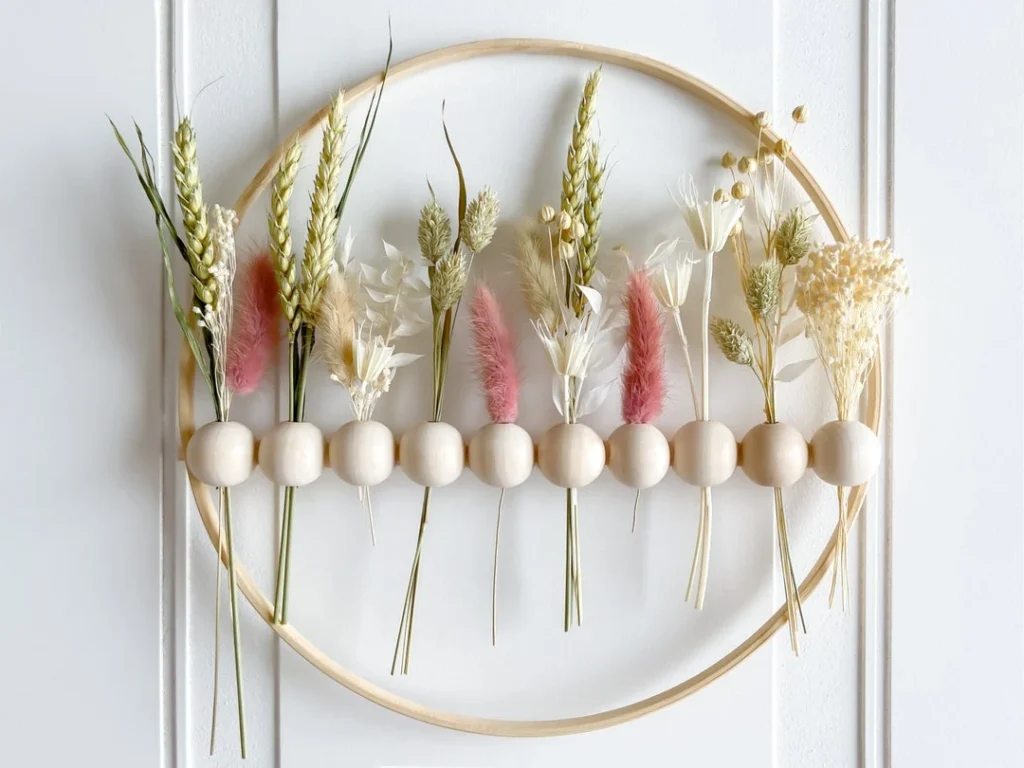
Handmade décor with natural materials stands out for several compelling reasons. First, each item is unique; variations in grain, texture, and finish mean no two pieces are exactly alike. This individuality adds character and prevents the sterile feel that can accompany generic, factory‑made items. Second, natural materials such as reclaimed wood, bamboo, wool, and stone are renewable and often sourced locally, reducing carbon footprints and supporting local artisans.
Beyond sustainability, these pieces foster a tactile experience. Running your hand over a rough‑hewn wooden bowl or feeling the soft weave of a jute rug creates a sensory connection that flat, synthetic décor can’t match. Finally, handmade items often tell a story—whether it’s a reclaimed barn wood coffee table that once sheltered livestock or a hand‑woven tapestry inspired by cultural traditions. This narrative enriches the home’s ambience, turning rooms into curated galleries of personal meaning.
Integrating handmade décor with natural materials into the living room
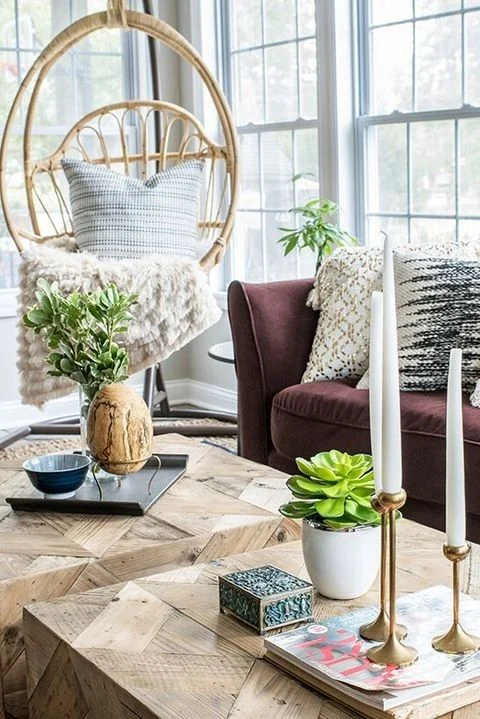
The living room serves as the heart of the home, making it an ideal canvas for natural, handcrafted elements. Begin with a statement piece such as a reclaimed‑wood coffee table or a hand‑carved wooden sculpture. Pair these with neutral fabrics—think linen cushions or a wool throw—to balance the rawness of the wood.
Handmade décor with natural materials: a focal point
When selecting a focal point, consider scale and proportion. A large, hand‑woven rug anchored by a simple wooden coffee table can anchor the space while adding warmth. For smaller apartments, a wall‑mounted drift‑wood shelf can display curated objects without sacrificing floor space.
- Choose a reclaimed‑wood mantle for a fireplace, adding rustic elegance.
- Incorporate a hand‑blown glass vase for a touch of delicacy.
- Use natural fiber poufs as flexible seating that can be moved as needed.
For more inspiration on small‑space living rooms, see our guide on simple small living room interior design – practical tips for cozy spaces.
Creating a serene bedroom with natural handcrafted accents
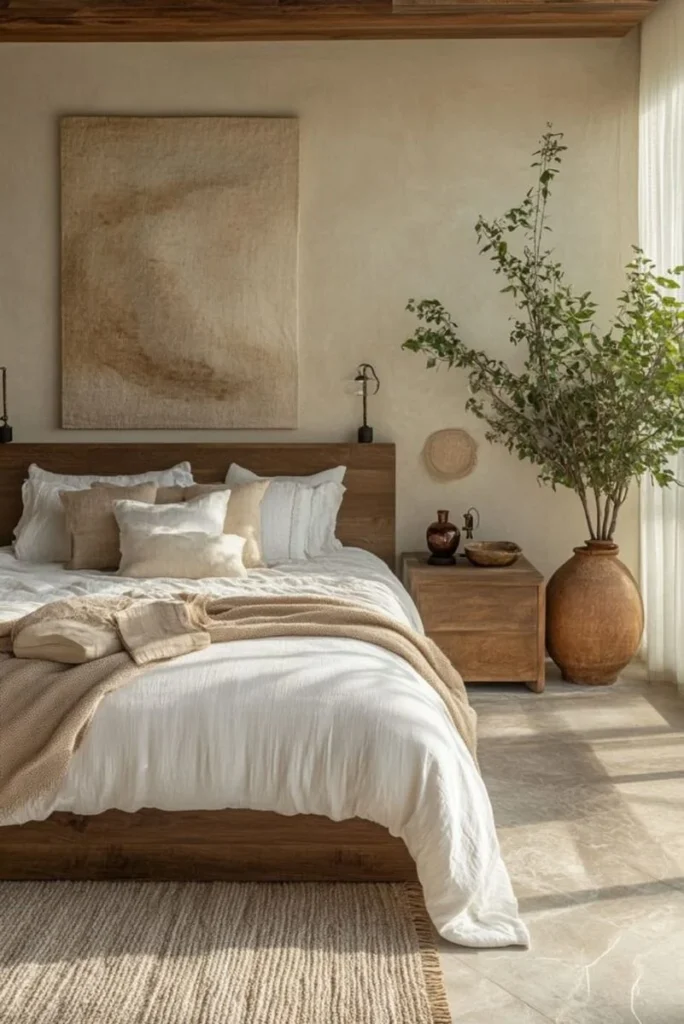
A bedroom should feel like a sanctuary, and handmade décor with natural materials can instantly promote relaxation. Start with a platform bed crafted from sustainably sourced bamboo or reclaimed pine. Layer the bed with organic cotton sheets, a linen duvet cover, and a hand‑knit blanket for added texture.
Natural nightstands and storage solutions
Hand‑carved nightstands made from reclaimed wood provide storage while maintaining a cohesive aesthetic. Complement them with woven baskets for storing accessories or a hand‑painted ceramic lamp that casts a soft, warm glow.
- Install a reclaimed‑wood headboard with built‑in shelves for books and plants.
- Use a hand‑woven wall hanging to soften acoustic echo.
- Choose a natural stone nightstand lamp for a grounding element.
Integrate a soothing palette of muted greens and earthy browns to enhance the organic feel. A small indoor plant in a ceramic pot can also improve air quality and add a living touch.
Kitchen upgrades: functional art with natural materials
The kitchen is a high‑traffic area where durability meets design. Handmade décor with natural materials can be both functional and decorative. Think of a cutting board made from reclaimed walnut, a set of hand‑carved wooden spoons, or a stone mortar and pestle that doubles as a countertop accent.
Handcrafted storage and display ideas
Open shelving made from reclaimed wood provides an airy feel while showcasing beautiful dishware or mason jars filled with pantry staples. Pair these shelves with woven baskets for produce storage, adding texture and keeping items organized.
- Install a hand‑crafted wooden pot rack to free up cabinet space.
- Use a stone tile backsplash for an organic, heat‑resistant surface.
- Display a hand‑blown glass fruit bowl as a centerpiece.
For small apartments, consider space‑saving ideas like apartment living room wall mirror ideas – stylish space‑saving solutions that also work beautifully in kitchen walls to reflect light.
Outdoor & miscellaneous spaces: extending natural décor beyond walls
Outdoor areas benefit greatly from handmade décor with natural materials, as the environment naturally complements wood, stone, and woven fibers. Create a patio oasis with a reclaimed‑wood pergola, a hand‑woven rattan lounge set, and a stone fire pit that serves as a gathering focal point.
Garden accents and functional pieces
Hand‑carved wooden planters can hold herbs, while a stone pathway crafted from reclaimed flagstones guides guests through the garden. For seating, consider a bench made from reclaimed barn wood, finished with a protective sealant to withstand the elements.
- Use a hand‑woven hammock for a relaxing retreat.
- Install a reclaimed‑metal trellis for climbing vines.
- Place a natural stone water feature for soothing sounds.
To learn how to blend indoor and outdoor aesthetics, read our comprehensive guide on how to decorate the exterior of your home – complete guide.
Quick actionable tips for incorporating handmade décor with natural materials
- Start small: introduce a handcrafted bowl or woven basket before committing to larger pieces.
- Mix textures: combine smooth stone with rough‑hewn wood for visual interest.
- Prioritize sustainability: choose reclaimed or locally sourced materials whenever possible.
- Balance scale: pair a large statement piece with smaller accessories to avoid visual overload.
- Maintain cohesion: stick to a unified color palette of earth tones for a harmonious look.
Common mistakes and how to avoid them
Even with the best intentions, it’s easy to stumble when decorating with natural, handcrafted items. One frequent error is over‑cluttering spaces with too many rustic pieces, which can make a room feel chaotic rather than curated. To avoid this, select a few focal items and let negative space breathe.
Another pitfall is neglecting proper maintenance. Natural materials often require care—wood should be sealed, stone needs occasional cleaning, and woven fibers benefit from gentle vacuuming. Ignoring upkeep can lead to premature wear, diminishing the piece’s charm.
Finally, mismatched styles can create visual discord. While eclectic mixes are possible, ensure there’s a common thread—such as a consistent color scheme or material family—to tie the elements together.
Frequently Asked Questions
Can I mix handmade décor with modern furniture?
Absolutely. Pairing a sleek, minimalist sofa with a reclaimed‑wood coffee table creates a balanced contrast, blending contemporary clean lines with the warmth of natural materials.
How do I choose the right size for a handcrafted piece?
Measure your space carefully and consider the room’s traffic flow. A large wooden bench works well in an expansive entryway, while a small hand‑woven wall hanging fits nicely in a cozy bedroom nook.
What are the best natural materials for high‑humidity areas like bathrooms?
Stone, bamboo, and treated reclaimed wood are excellent choices. Ensure wood is properly sealed to resist moisture, and select stone tiles or countertops that are naturally water‑resistant.
Is handmade décor expensive?
While some artisan pieces command premium prices, many affordable options exist, especially when sourcing from local markets, fairs, or online platforms that support emerging makers.
How can I personalize handcrafted items?
Consider custom finishes, such as staining reclaimed wood to match your palette, or adding hand‑painted details to a woven rug. Personalization adds uniqueness without compromising the material’s integrity.
Conclusion
Embracing handmade décor with natural materials offers a pathway to create spaces that feel authentic, sustainable, and deeply personal. By thoughtfully selecting pieces that highlight texture, story, and eco‑friendly sourcing, you can transform any room—from the living area to the outdoor patio—into a harmonious blend of modern design and timeless craftsmanship. Remember to start with a few key items, maintain balance, and care for your natural pieces to ensure they endure for years to come. For more inspiration and practical guidance, explore the wealth of resources available on The Homara and let your home reflect the beauty of nature’s finest materials.