
Table of Contents
- Understanding the Basics of How to Decorate the Exterior of Your Home
- Assessing Your Home’s Architectural Style
- Choosing a Cohesive Color Palette
- Tips for Selecting Exterior Paint Colors
- Integrating Landscape Design
- Low‑Maintenance Plant Selections
- Lighting Strategies for a Warm Welcome
- Key Lighting Techniques
- Functional and Decorative Accents
- Must‑Try Exterior Accents
- Seasonal Updates and Maintenance
- Seasonal Checklist
- Quick Tips for Instant Curb Appeal
- Common Mistakes to Avoid
- Overcrowding the Facade
- Ignoring Scale
- Neglecting Weather Resistance
- Frequently Asked Questions
- What is the most cost‑effective way to improve curb appeal?
- How often should I repaint the exterior?
- Can I use indoor décor ideas for the exterior?
- Is it necessary to hire a professional landscaper?
- What are sustainable exterior décor options?
How to Decorate the Exterior of Your Home: A Complete Guide
First impressions matter, and the façade of your house is the first thing guests and passersby notice. Whether you own a suburban ranch, a sleek urban townhouse, or a cozy cottage, learning how to decorate the exterior of your home can dramatically boost curb appeal and reflect your personal style. This guide walks you through practical, budget‑friendly, and stylish strategies that transform any exterior from ordinary to extraordinary.
In the following sections, you’ll discover how to blend architecture, landscape, lighting, and accessories into a cohesive design. We’ll cover everything from selecting the right color palette to choosing durable materials, and we’ll sprinkle in expert tips that keep maintenance low while maximizing visual impact.
Understanding the Basics of How to Decorate the Exterior of Your Home
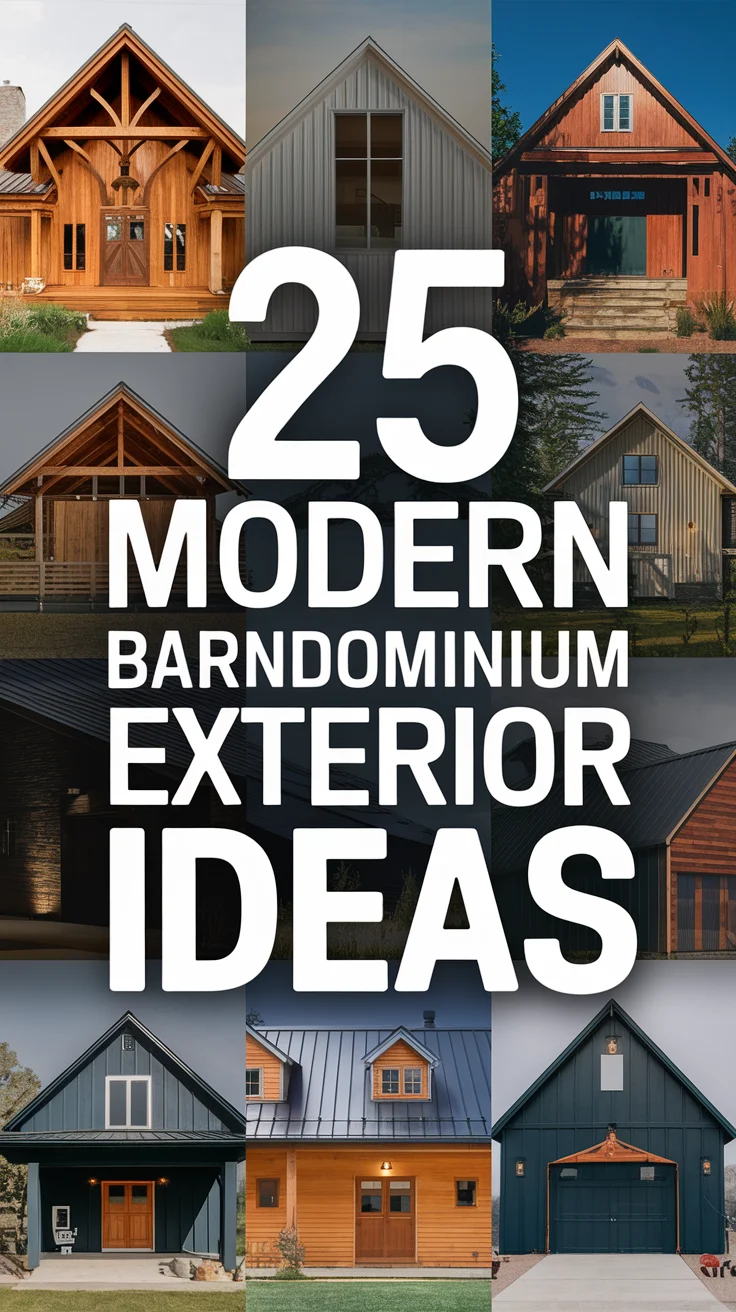
Before diving into specific ideas, it’s essential to grasp the foundational principles that guide successful exterior décor. The key is balance: harmonize the architecture of the structure with the surrounding environment, and consider both aesthetics and functionality.
Assessing Your Home’s Architectural Style
- Identify the dominant style—colonial, modern, craftsman, or farmhouse.
- Choose décor elements that complement, rather than clash with, the existing lines and materials.
- Use subtle accents that enhance architectural details such as trim, columns, or rooflines.
When you know the architectural language of your house, you can tailor each decorative decision to amplify its strengths. For instance, a modern home benefits from clean, minimalist accessories, while a Victorian façade shines with ornate lanterns and decorative brackets.
Choosing a Cohesive Color Palette
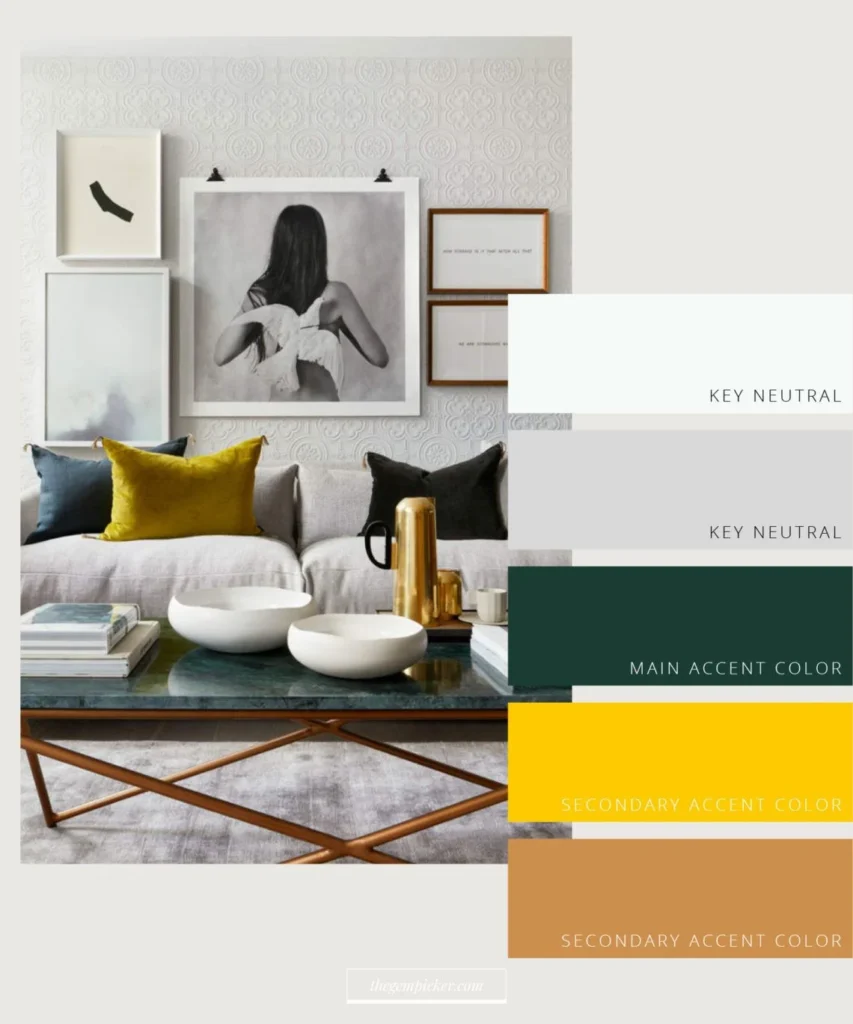
Color is one of the most powerful tools when learning how to decorate the exterior of your home. A well‑chosen palette can make a property appear larger, more welcoming, or even more energy‑efficient.
Tips for Selecting Exterior Paint Colors
- Start with a neutral base—soft grays, warm whites, or muted taupes—that works with most architectural styles.
- Add contrast with accent colors on doors, shutters, and trim; deep blues, sage greens, or rich terracotta often work well.
- Test samples in natural light at different times of day to ensure the hue looks right in your climate.
For a seamless finish, consider how the colors interact with the landscape. Green foliage can complement earthy tones, while bright blossoms pair nicely with bold door colors.
Integrating Landscape Design

Landscape is the natural extension of exterior décor. Thoughtful planting, hardscaping, and garden features can frame the house and create inviting pathways.
Low‑Maintenance Plant Selections
- Choose native shrubs and perennials that thrive locally and need minimal watering.
- Incorporate evergreens for year‑round structure and color.
- Use groundcovers like creeping thyme to fill gaps and reduce weed growth.
Strategically placed planters and raised beds add texture without overwhelming the façade. If space is limited, vertical gardens or trellised vines can create a lush backdrop for a front door.
Lighting Strategies for a Warm Welcome
Effective lighting not only highlights architectural features but also ensures safety and extends the enjoyment of your outdoor spaces after dark.
Key Lighting Techniques
- Path lighting: Install low‑voltage LED stakes along walkways for guidance.
- Accent lighting: Use spotlights to draw attention to textured walls, columns, or a decorative mailbox.
- Ambient lighting: Hang pendant lights or lanterns on a porch for a cozy, inviting glow.
When planning illumination, select fixtures that match the overall style—sleek metal for modern homes, wrought iron for traditional dwellings. For more inspiration on lighting finishes, see our guide on how to thin Valspar oil enriched enamel paint for perfect color coordination.
Functional and Decorative Accents
Accessories are the finishing touches that express personality. From stylish door hardware to creative mailbox designs, these details can set your home apart.
Must‑Try Exterior Accents
- Front Door Makeover: Replace an outdated door with a bold, solid‑color option and add a contemporary hardware set.
- Window Boxes: Fill with seasonal flowers for a burst of color and charm.
- House Numbers: Choose clear, backlit numerals for both aesthetics and visibility.
Don’t overlook the power of texture. Adding a reclaimed wood panel or a stone veneer behind the entryway creates depth and visual interest. For budget‑friendly ideas, explore our budget home décor ideas article.
Seasonal Updates and Maintenance
Keeping the exterior looking fresh year after year is part of mastering how to decorate the exterior of your home. Simple, regular upkeep ensures that your design choices continue to shine.
Seasonal Checklist
- Inspect paint and siding for cracks; touch up as needed.
- Clean gutters and downspouts to prevent water damage.
- Refresh mulch and prune plants to maintain tidy garden beds.
- Replace burnt‑out bulbs and clean fixtures for optimal lighting.
Consider installing a rain‑sensor for irrigation systems to conserve water and protect plant health. Consistent maintenance not only preserves beauty but also protects your investment.
Quick Tips for Instant Curb Appeal
- Paint the front door a contrasting color for an immediate focal point.
- Swap out old house numbers for sleek, modern LED versions.
- Add a runner rug on the porch for texture and warmth.
- Install solar-powered lanterns to reduce energy use while adding charm.
- Place a decorative pot with a low‑maintenance succulent next to the entryway.
Common Mistakes to Avoid
Even well‑intentioned homeowners can stumble when applying décor principles. Here are frequent pitfalls and how to sidestep them.
Overcrowding the Facade
Too many decorative elements can create visual chaos. Stick to a limited color palette and select a few statement pieces rather than filling every surface.
Ignoring Scale
Large planters or oversized lighting fixtures can dwarf a modest home. Choose items proportionate to your house’s size; a small porch benefits from delicate sconces, while a sprawling ranch can handle grander pieces.
Neglecting Weather Resistance
Outdoor décor must withstand the elements. Opt for UV‑stable paints, rust‑proof metal, and weather‑treated wood to avoid premature wear.
Frequently Asked Questions
What is the most cost‑effective way to improve curb appeal?
Painting the front door a bold color and updating lighting fixtures are inexpensive upgrades that yield high visual impact. Pair these with fresh mulch and well‑trimmed shrubs for a complete transformation.
How often should I repaint the exterior?
Most high‑quality exterior paints last 5‑10 years, depending on climate and exposure. Perform a visual inspection annually and schedule repainting when you notice fading, peeling, or cracking.
Can I use indoor décor ideas for the exterior?
Yes, many indoor design principles—such as balance, focal points, and cohesive color schemes—translate well outdoors. Just ensure materials are suitable for weather exposure.
Is it necessary to hire a professional landscaper?
For simple planting schemes and basic hardscaping, DIY can be rewarding and affordable. However, complex drainage issues or large‑scale redesigns may benefit from professional expertise.
What are sustainable exterior décor options?
Choose reclaimed or recycled materials, install solar‑powered lighting, and select native, drought‑tolerant plants. These choices reduce environmental impact and lower long‑term maintenance costs.
Transforming the look of your home’s exterior is a rewarding project that blends creativity with practicality. By following the strategies outlined above—careful color selection, thoughtful landscaping, strategic lighting, and well‑chosen accents—you’ll create an inviting, stylish façade that reflects your personality while standing the test of time. Explore more ideas on The Homera, experiment with different textures, and enjoy the pride that comes with a beautifully decorated exterior.