
Table of Contents
- Choosing the Right Neutral Art Frames for Your Hallway
- Material Matters: Wood, Metal, or Acrylic?
- Size and Scale: Balancing Proportion
- Creating a Cohesive Gallery Wall
- Colour Consistency: The Power of a Neutral Palette
- Symmetry vs. Asymmetry: Choosing Your Style
- Lighting Strategies that Enhance Neutral Frames
- Wall‑Mounted Sconces
- Recessed Spotlights
- Natural Light Considerations
- Integrating Accessories without Overcrowding
- Rugs and Runners
- Mirrors as Amplifiers
- Functional Decor: Slim Console Tables
- Quick Tips for Hallway Décor with Neutral Art Frames
- Common Mistakes and How to Avoid Them
- Over‑crowding the Wall
- Ignoring Scale
- Neglecting Lighting
- Mixing Too Many Frame Colours
- Frequently Asked Questions
- Can I use coloured artwork inside neutral frames?
- What height should I hang my frames?
- Should I match the frame colour to my wall paint?
- How many frames are ideal for a typical hallway?
- Is it okay to combine photographs and paintings?
- Can I use wall‑to‑wall mirrors alongside neutral frames?
Hallway Décor with Neutral Art Frames: A Modern Guide
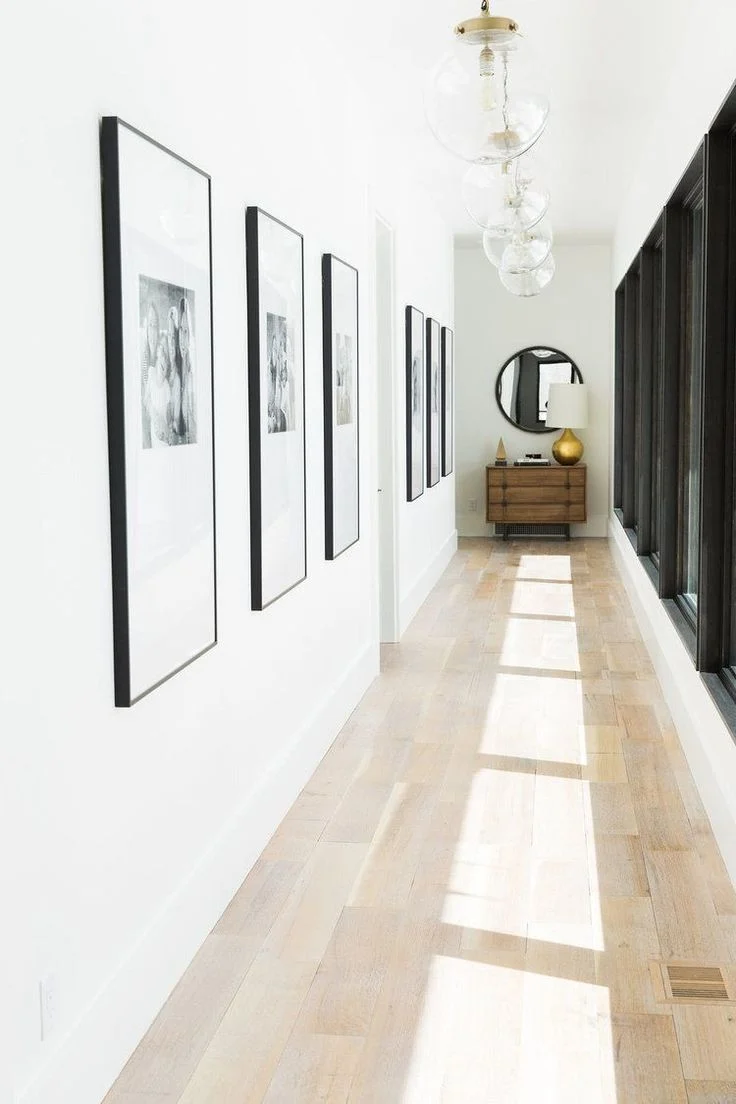
Hallways are often the unsung heroes of a home. They serve as the first impression for guests, the connector between rooms, and a subtle canvas where personal style can shine without overwhelming the rest of the space. One of the most effective ways to elevate this transitional zone is by incorporating hallway décor with neutral art frames. Neutral tones—think soft whites, warm beiges, cool grays, and muted earth colors—create a calm backdrop that lets the artwork breathe while harmonizing with any colour palette you already have.
Why focus on neutral art frames? Because they act as a visual anchor, providing consistency without competing with furniture, flooring, or wall colour. Whether you live in a compact apartment or a sprawling house, the right frames can make a narrow corridor feel taller, a long passage feel cozier, and a plain hallway become a gallery of understated elegance. In the following sections, we’ll explore how to choose frames, arrange them, and combine them with lighting and accessories for a polished, modern look.
Throughout this guide, you’ll find practical tips, common pitfalls to avoid, and answers to frequently asked questions—all designed to help you master hallway décor with neutral art frames. Let’s step into the hallway and start designing.
Choosing the Right Neutral Art Frames for Your Hallway
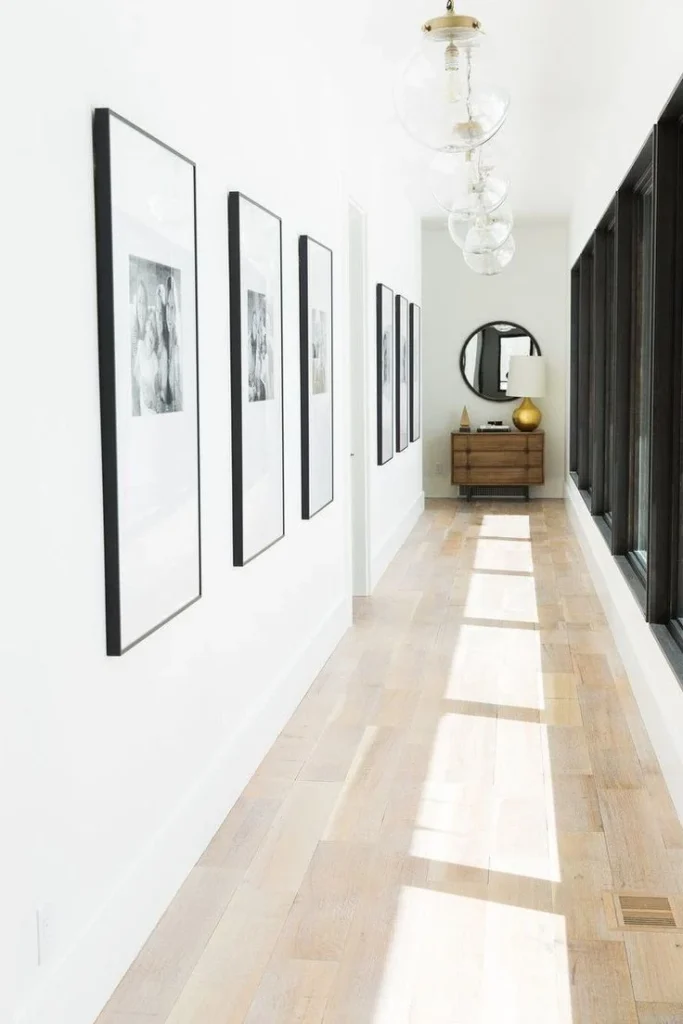
The first step in mastering hallway décor with neutral art frames is selection. A frame’s colour, material, and size all influence how the art interacts with the surrounding space. When opting for neutral tones, consider the existing palette of your hallway: wall paint, flooring, and any built‑in furniture.
Material Matters: Wood, Metal, or Acrylic?
- Wood: Light‑stained oak or walnut adds warmth without overpowering the room. Choose a matte finish for a subtle look.
- Metal: Brushed nickel or powder‑coated black offers a contemporary edge. Metal frames work especially well in modern interiors with sleek lines.
- Acrylic: Clear acrylic frames give the illusion of floating artwork, perfect for minimalist spaces.
For a cohesive hallway décor with neutral art frames, mix materials subtly—perhaps a wood frame for a landscape piece and a metal frame for a black‑and‑white photograph. This variety adds texture while keeping the colour scheme unified.
Size and Scale: Balancing Proportion
Hallways vary dramatically in width and height. A common mistake is using frames that are too large for a narrow corridor, making the space feel cramped. As a rule of thumb, aim for frames that occupy roughly 60‑70 % of the wall width, leaving breathing room on either side. For tall hallways, vertical orientation works well; for short, wide passages, horizontal arrangements create balance.
When you arrange several pieces, think of the grouping as a single composition rather than a random collection. A row of three equally spaced frames, each measuring 12 × 16 inches, can anchor a 10‑foot stretch beautifully.
Creating a Cohesive Gallery Wall
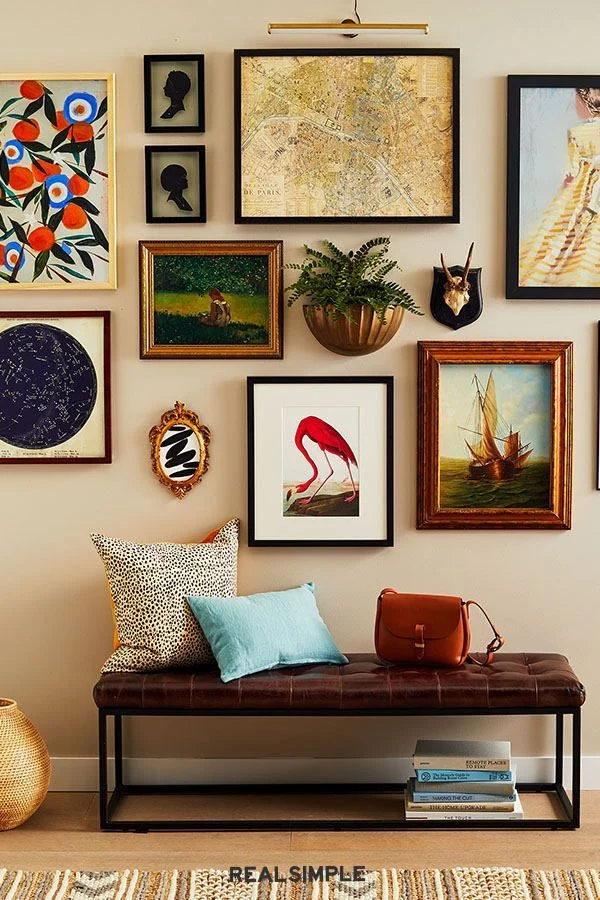
A gallery wall is one of the most popular ways to implement hallway décor with neutral art frames. The key to success lies in planning the layout before hanging anything. Use painter’s tape on the floor to outline the arrangement, or lay the frames on a large table to experiment with spacing.
Colour Consistency: The Power of a Neutral Palette
Stick to frames in shades of ivory, dove gray, or soft taupe. Even if the artwork inside is colourful, the neutral frame will tame the visual noise, allowing the pieces to complement rather than clash. This strategy also makes it easy to swap out art later without re‑thinking the entire look.
Symmetry vs. Asymmetry: Choosing Your Style
Symmetrical arrangements—identical frames placed evenly—convey order and formality, ideal for classic homes. Asymmetrical groupings, where frame sizes differ but maintain a balanced visual weight, add dynamism and work well in contemporary settings. Whichever route you choose, maintain a consistent gap of about 2‑3 inches between each frame.
For inspiration on mixing different frame styles while keeping a unified feel, see our Cozy Entryway Bench Design Ideas article, which demonstrates how neutral elements can tie a space together.
Lighting Strategies that Enhance Neutral Frames
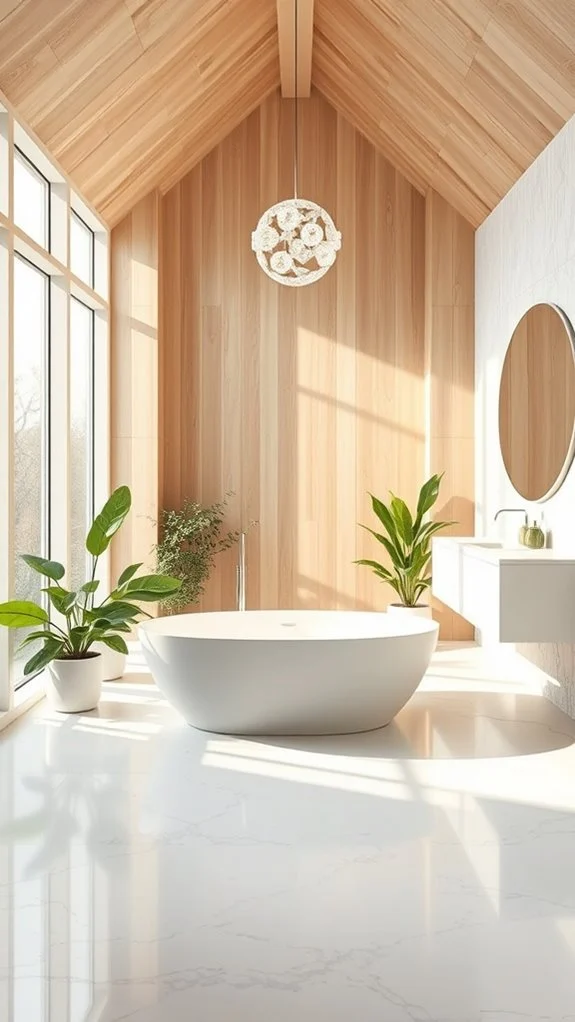
Even the most thoughtfully arranged hallway décor with neutral art frames can fall flat without proper illumination. Lighting not only showcases the artwork but also influences the perceived size of the hallway.
Wall‑Mounted Sconces
- Place sconces at eye level, roughly 60‑70 inches from the floor.
- Choose fixtures in brushed brass or matte black to complement neutral frames.
- Opt for LED bulbs with a colour temperature of 2700‑3000 K for a warm glow.
Recessed Spotlights
For a clean, minimalist aesthetic, install recessed lights aimed at each frame. Dimming controls allow you to adjust the intensity depending on the time of day, ensuring the artwork remains the focal point without creating glare.
Natural Light Considerations
If your hallway receives natural light from windows or skylights, position frames away from direct sunlight to prevent fading. Light‑filtered curtains or frosted glass can diffuse harsh rays while still keeping the space bright.
Integrating Accessories without Overcrowding
Hallways are narrow by nature, so it’s essential to keep accessories purposeful. A well‑chosen rug, a slim console table, or a decorative mirror can enhance hallway décor with neutral art frames without competing for attention.
Rugs and Runners
Select a rug in a muted tone that echoes the frame colour—perhaps a light gray runner with subtle texture. This creates a visual link between the floor and the wall, extending the neutral theme.
Mirrors as Amplifiers
A narrow mirror placed opposite a cluster of frames can double the perceived depth, reflecting both light and artwork. Choose a frame that matches the neutral palette for seamless integration.
Functional Decor: Slim Console Tables
A narrow console table beneath a gallery wall provides a surface for keys, mail, or decorative objects like a small vase. Keep the tabletop décor minimal—perhaps a single sculptural piece in a complementary neutral shade.
Quick Tips for Hallway Décor with Neutral Art Frames
- Measure the hallway width and height before buying frames; aim for frames that occupy 60‑70 % of the wall space.
- Stick to a single neutral colour family for frames to maintain visual harmony.
- Use consistent spacing (2‑3 inches) between frames for a tidy look.
- Incorporate wall‑mounted lighting to highlight each piece without creating shadows.
- Add a muted rug or runner that echoes the frame colour for a cohesive flow.
Common Mistakes and How to Avoid Them
Even seasoned decorators can slip up when working with hallway décor with neutral art frames. Below are frequent errors and practical solutions.
Over‑crowding the Wall
Placing too many frames can make a narrow hallway feel claustrophobic. Limit the number of pieces to a maximum of five for a standard 10‑foot corridor, and ensure each has breathing space.
Ignoring Scale
Large frames in a short hallway draw the eye upward, making the space feel even shorter. Choose frames that complement the hallway’s proportions—smaller frames for low ceilings, larger ones for tall spaces.
Neglecting Lighting
Without adequate lighting, neutral frames can appear flat. Even a single overhead fixture may not suffice; add sconces or spotlights to give each artwork its moment.
Mixing Too Many Frame Colours
While mixing materials is fine, combining multiple frame colours can break the cohesive feel. Keep the frame colour within a narrow neutral range, and let differences in material provide texture.
Frequently Asked Questions
Can I use coloured artwork inside neutral frames?
Absolutely. A neutral frame acts as a calming border, allowing colourful artwork to pop without overwhelming the hallway. This balance is especially effective in smaller spaces.
What height should I hang my frames?
Hang frames so that the centre of each piece is at eye level (approximately 57‑60 inches from the floor). For a continuous gallery, keep the top of the highest frame no higher than 70‑72 inches to avoid a cramped feeling.
Should I match the frame colour to my wall paint?
Matching exactly can blend the frames into the wall, reducing visual interest. Instead, choose a frame tone that’s a shade lighter or darker than the wall for subtle contrast while staying within the neutral palette.
How many frames are ideal for a typical hallway?
For a standard 10‑foot hallway, three to five frames work well. This number provides enough visual interest without crowding the space. Adjust based on width and ceiling height.
Is it okay to combine photographs and paintings?
Yes, mixing media adds depth. Ensure both pieces share a common neutral frame to maintain cohesion, even if the artwork styles differ.
Can I use wall‑to‑wall mirrors alongside neutral frames?
Mirrors are great for reflecting light and making a hallway appear larger. Choose a mirror with a neutral‑tinted frame that matches or complements your existing frames for a unified look.
Hallway décor with neutral art frames offers a simple yet powerful way to transform an often‑overlooked area of your home. By selecting the right materials, scaling frames appropriately, arranging them thoughtfully, and enhancing the space with proper lighting and accessories, you can create a corridor that feels both inviting and sophisticated. Remember to keep the palette restrained, respect proportion, and let each piece breathe.
Ready to start curating your own hallway gallery? Gather a few neutral frames, select artwork that speaks to you, and experiment with layout before committing to the wall. With these strategies, your hallway will become a seamless extension of your home’s style—quiet, elegant, and unmistakably yours.