
Table of Contents
- cozy entryway bench design ideas: Choosing the Right Form
- cozy entryway bench design materials: From Wood to Upholstery
- Storage Solutions: Making the Bench Work for You
- Lighting and Accent: Highlighting Your Bench
- Styling Tips: Adding Personality Without Clutter
- Budget‑Friendly DIY Bench Projects
- Quick Home Décor Tips
- Common Mistakes and How to Avoid Them
- Frequently Asked Questions
- Integrating the Bench with Overall Home Décor
- Cozy Entryway Bench Design for Small Apartments
- Cozy Home Office Design: A Seamless Transition
- Final Thoughts
Cozy Entryway Bench Design: Warm Up Your Home’s First Impression
Walking into a home should feel like stepping into a friendly hug. The entryway, though often overlooked, sets the tone for the entire house. A well‑designed entryway bench does more than provide a place to sit—it offers storage, displays personal style, and creates an instant sense of comfort. Whether you live in a compact apartment or a spacious house, a cozy entryway bench design can transform a utilitarian hallway into a welcoming foyer.
In this guide we’ll explore how to choose the right shape, material, and accessories for your bench, while keeping practicality at the forefront. You’ll learn how to balance aesthetics with storage, integrate lighting, and even incorporate seasonal décor without crowding the space. By the end, you’ll have a clear roadmap to build or buy a bench that not only looks inviting but also serves the everyday needs of every family member.
Ready to make that first impression count? Let’s dive into the essential elements of a cozy entryway bench design that blends modern home styling with timeless comfort.
cozy entryway bench design ideas: Choosing the Right Form
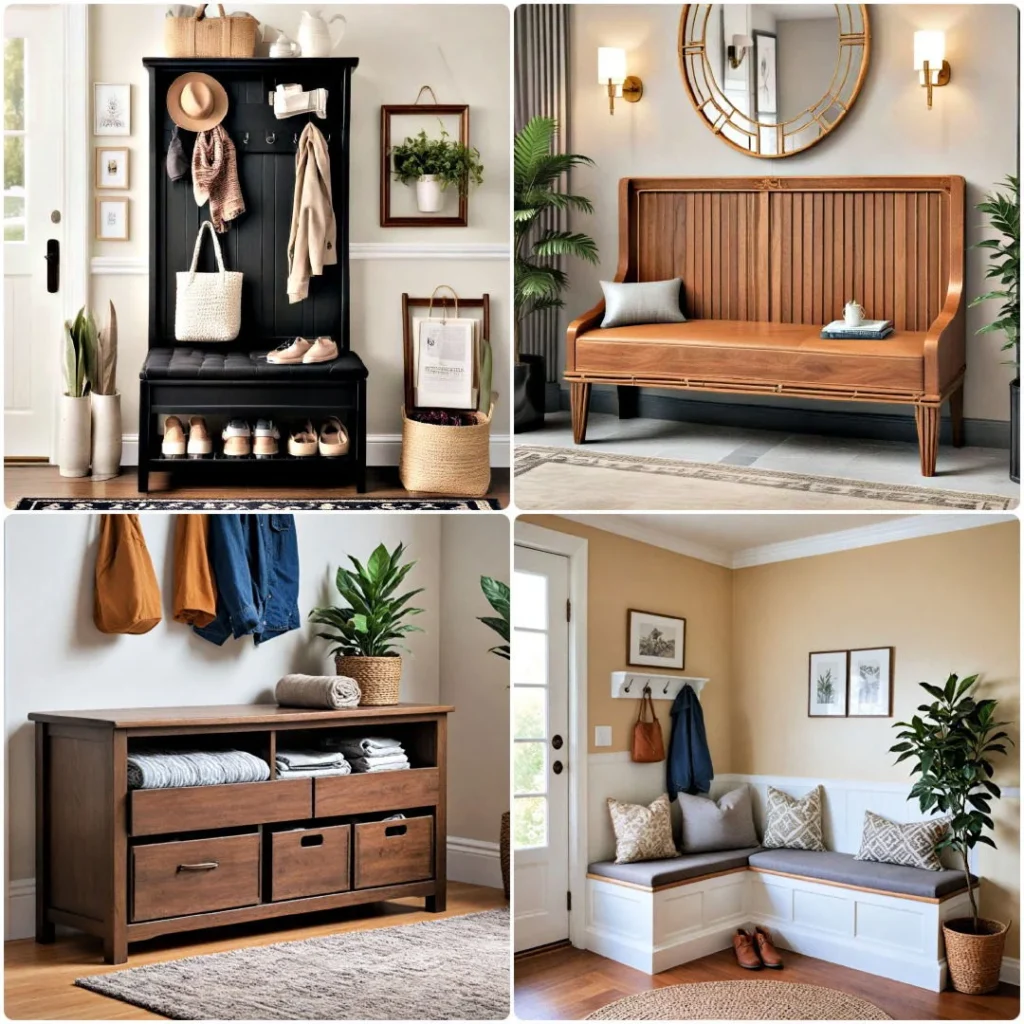
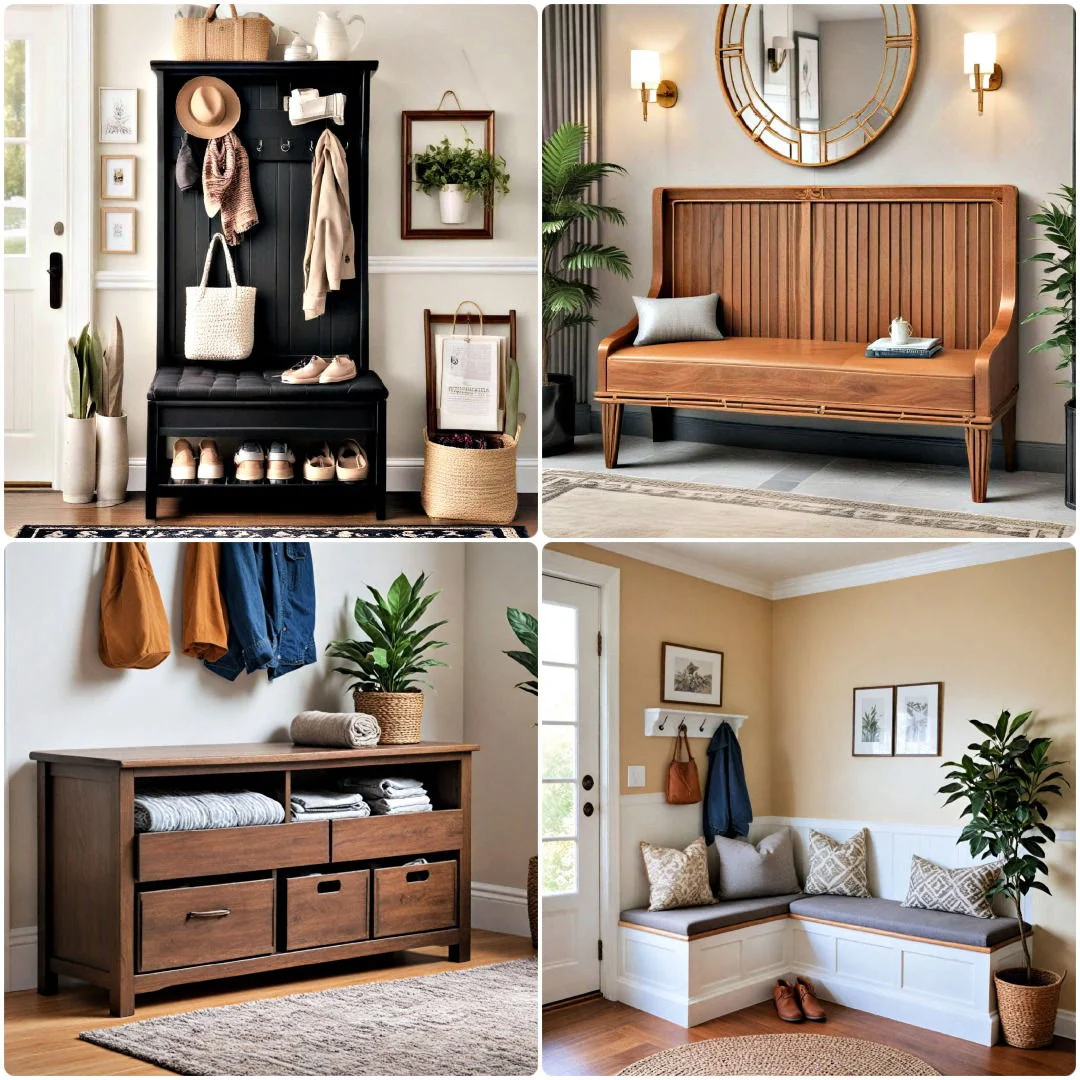
The shape of your bench influences traffic flow and visual balance. For narrow hallways, a sleek, low‑profile bench with tapered legs keeps the space feeling open. In larger foyers, a wider, upholstered piece can serve as a statement furniture item. Consider a bench with a gentle curve; it adds softness and invites you to sit, while still aligning with clean, modern lines. When planning the layout, measure the clearance between the bench and any adjacent doors or walls—ideally leave at least 30 cm of walking space.
Another popular option is a built‑in bench that integrates directly with the wall. This approach maximizes floor area and creates a seamless look, especially when paired with matching wainscoting or a painted accent wall. A built‑in can also hide hidden storage compartments, making the entryway both stylish and functional. For renters, a freestanding bench with lightweight legs offers flexibility without permanent modifications.
cozy entryway bench design materials: From Wood to Upholstery
Material choice dictates durability, comfort, and overall vibe. Solid hardwoods like oak, maple, or walnut exude warmth and can be finished to match existing flooring. If you prefer a softer touch, consider a bench with a cushioned seat upholstered in natural fibers such as linen or cotton—these fabrics breathe, age gracefully, and are easy to replace.
- Wood: Offers a timeless look; choose a finish that complements your flooring.
- Metal frames: Provide a modern industrial feel; pair with wood slats for balance.
- Upholstered seats: Add comfort; select stain‑resistant fabrics for high‑traffic use.
- Mixed media: Combine reclaimed wood with metal legs for a unique, eco‑friendly statement.
When selecting upholstery, look for removable covers so cleaning is hassle‑free. For families with pets or children, performance fabrics that resist spills and wear are a smart investment. The right material not only enhances the cozy entryway bench design but also ensures longevity.
Storage Solutions: Making the Bench Work for You
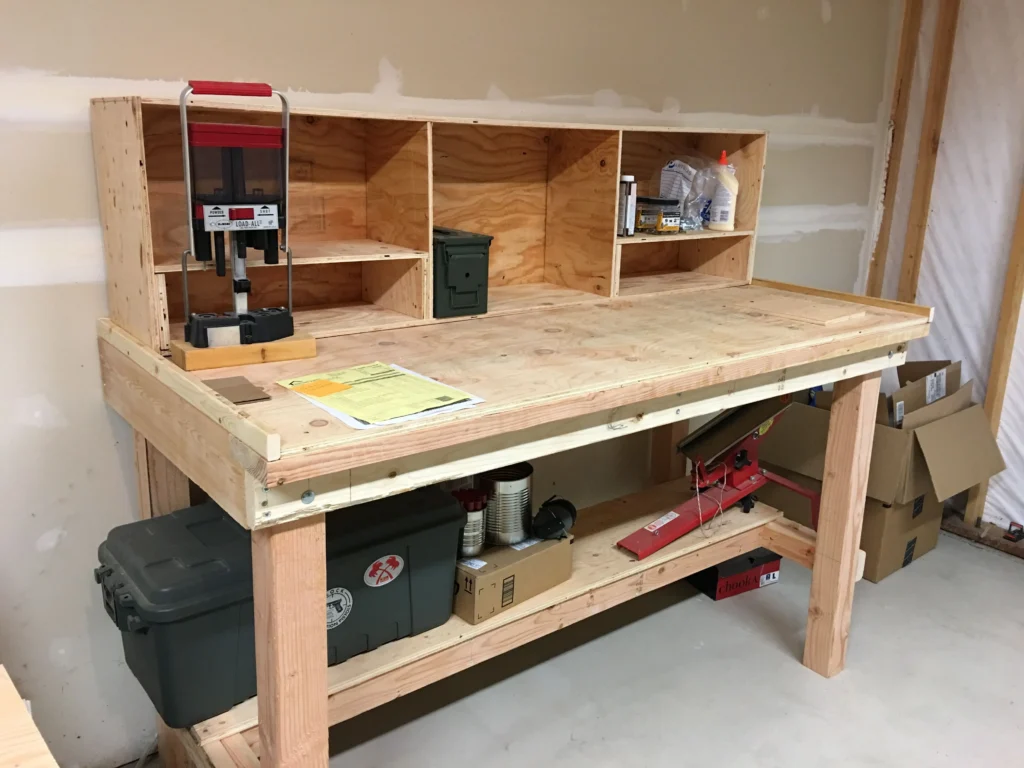
A bench that doubles as storage eliminates the need for extra baskets or shelves. Drawers beneath the seat are ideal for shoes, umbrellas, or seasonal accessories. Open cubbies, on the other hand, make it easy to grab items on the go and add visual interest. If you love a tidy aesthetic, opt for concealed storage with push‑to‑open mechanisms that keep hardware invisible.
Consider integrating a pull‑out shoe rack that slides out when needed and tucks away when not. For smaller spaces, a bench with a lift‑top provides hidden storage without expanding the footprint. Pair the storage with decorative trays or wicker baskets to create zones within the bench—one for keys, another for mail, and a third for gloves.
For inspiration on organizing small entryways, see our article on Hallway Gallery Frame Arrangement: A Complete Design Guide, which showcases how thoughtful storage can coexist with striking décor.
Lighting and Accent: Highlighting Your Bench
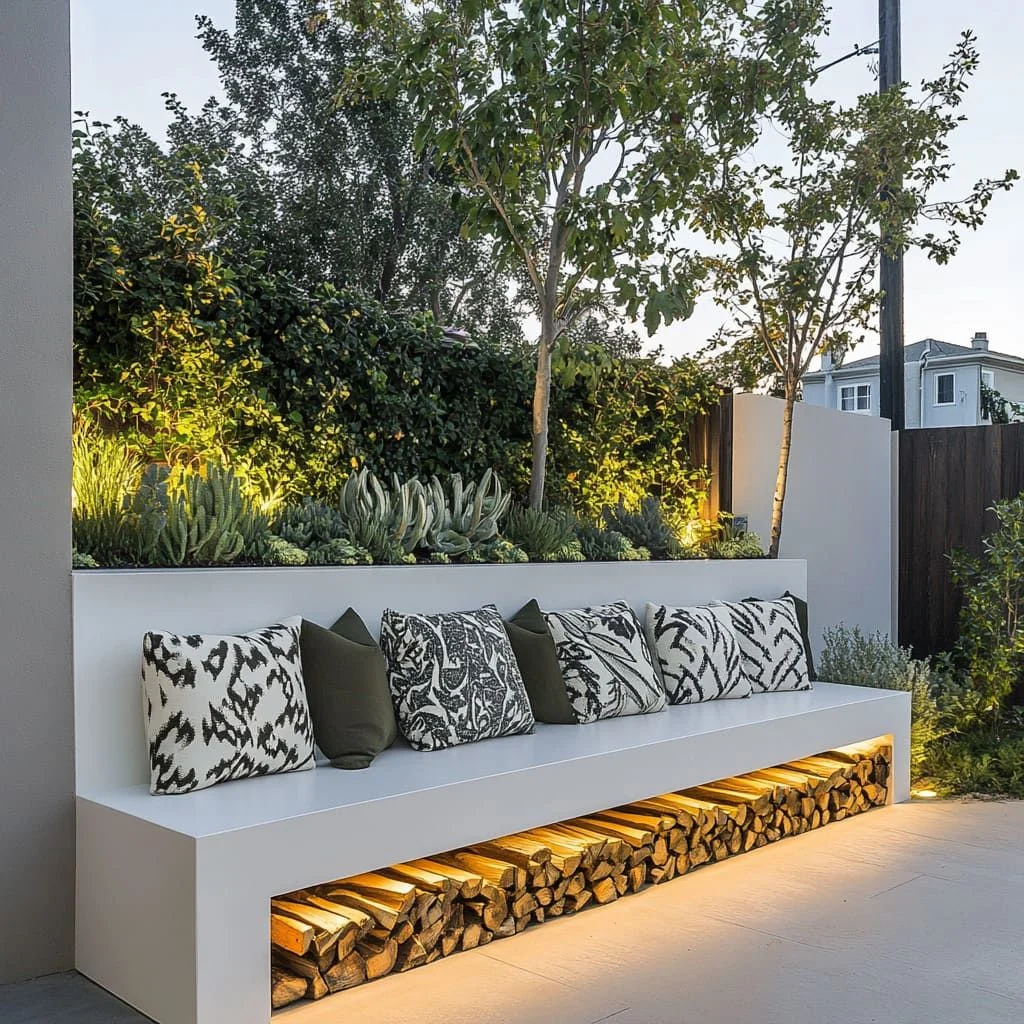
Good lighting not only illuminates the area but also showcases the bench’s texture and color. A wall‑mounted sconce on either side of the bench creates balanced illumination, while a pendant light centered above adds a focal point. For a subtle glow, install LED strip lighting inside a shallow recess beneath the bench—perfect for night‑time navigation without harsh glare.
Accent pieces such as a decorative mirror above the bench can make the entryway appear larger, reflecting light and adding depth. Choose a mirror with a frame that echoes the bench’s material—if the bench is wood, a wooden frame mirror will reinforce cohesion. Add a small indoor plant or a vase of fresh flowers on the bench to introduce a touch of nature, reinforcing the cozy atmosphere.
Styling Tips: Adding Personality Without Clutter
Even the most functional bench can become a style statement with a few curated accessories. A stack of woven baskets on one side offers storage for hats or gloves, while a slim tabletop tray holds keys and mail. Incorporate a seasonal element—like a scented candle in winter or a bright bowl of fruit in summer—to keep the entryway feeling fresh.
When choosing décor, stick to a limited color palette that mirrors the rest of the home. Neutral tones with a pop of muted teal or warm rust create visual interest without overwhelming the space. For a touch of artistry, hang a piece of wall art directly above the bench; see our guide on Hallway Décor with Neutral Wall Art – Timeless Styling Tips for ideas on selecting the perfect piece.
Budget‑Friendly DIY Bench Projects
Building your own bench can be a rewarding project that saves money while delivering a custom look. Start with reclaimed pallet wood for a rustic vibe; sand, stain, and seal the planks for durability. Add a simple plywood base, attach sturdy legs, and finish with a cushion made from foam and a fabric of your choice. This DIY approach allows you to tailor dimensions perfectly to your entryway.
If you prefer a ready‑made option, look for flat‑pack benches that can be assembled with basic tools. Many retailers now offer modular benches that combine storage, seating, and style in one package. Pair a budget bench with high‑quality accessories—such as a designer cushion or a chic tray—to elevate the overall appearance without breaking the bank.
For further inspiration on affordable furnishings, explore our article on Affordable Small Living Room Styling Ideas on a Budget. The principles of smart budgeting translate well to entryway bench design.
Quick Home Décor Tips
- Use a bench with a built‑in coat rack to maximize vertical storage.
- Choose a cushion fabric that matches the living room sofa for visual continuity.
- Add a narrow runner rug under the bench to define the space and protect flooring.
- Incorporate a small side table beside the bench for a place to drop mail or a coffee cup.
- Layer soft lighting with a dimmable wall sconce for evening ambience.
Common Mistakes and How to Avoid Them
One frequent error is selecting a bench that is too bulky for the entryway, which can choke traffic flow. Always measure the width of the hallway and leave at least 90 cm of clearance on each side of the bench. Another mistake is ignoring the need for adequate lighting; a dark entryway feels unwelcoming, no matter how beautiful the bench.
Choosing upholstery that doesn’t suit the climate can also lead to discomfort. In humid areas, avoid heavy fabrics that retain moisture; opt for breathable, quick‑dry materials instead. Finally, over‑decorating the bench with too many accessories can create visual clutter—stick to three or four purposeful items for a balanced look.
Frequently Asked Questions
What size bench works best for a narrow hallway?
A bench no wider than 40 cm (about 16 inches) with a depth of 30–35 cm allows enough walking space while providing a comfortable seat.
Can I use a bench in a high‑traffic entryway without it wearing out quickly?
Yes, choose durable materials such as solid hardwood for the frame and performance‑grade upholstery. Adding a removable cushion cover makes cleaning and replacement easy.
How much storage should I expect from a typical entryway bench?
Most benches offer between 5–15 liters of hidden space—enough for shoes, umbrellas, and seasonal accessories. Built‑in drawers or lift‑top designs maximize volume without adding bulk.
Is it better to buy a pre‑made bench or build my own?
If you have specific dimensions or a unique style in mind, DIY offers customization. However, pre‑made benches provide convenience and often come with warranty protection.
What lighting style complements a cozy entryway bench design?
Warm‑tone LED sconces or a pendant light with a soft diffuser create an inviting glow that highlights the bench’s texture while remaining functional.
Integrating the Bench with Overall Home Décor
A well‑designed bench should feel like a natural extension of the home’s interior language. If your living room features mid‑century modern pieces, select a bench with tapered legs and a low‑profile silhouette. For a farmhouse aesthetic, opt for a bench with a distressed wood finish and a slip‑covered cushion in a neutral linen.
Don’t forget the transition between spaces. A runner rug that runs from the front door to the bench can tie the foyer to the adjacent room, creating flow. Match the rug’s pattern or color palette to the bench’s upholstery for a cohesive look. This continuity reinforces the sense of arrival and comfort the cozy entryway bench design aims to achieve.
Cozy Entryway Bench Design for Small Apartments
Space constraints demand clever solutions. A bench that folds flat against the wall when not in use can double as a decorative panel. Alternatively, a bench with built‑in shoe shelves on the underside utilizes vertical space efficiently. Choose light‑colored wood or white finishes to keep the area feeling airy.
In studio apartments, place the bench near a corner to define a “waiting zone” without intruding on the main living area. Pair it with a slim console table that holds mail and keys, and you have a functional entry point that doesn’t sacrifice precious floor space.
Cozy Home Office Design: A Seamless Transition
If your entryway leads directly into a home office, consider a bench that blends with the work environment. A bench with a subtle metal frame echoes office chairs, while a cushion in a muted gray coordinates with desk accessories. Add a small shelf on the bench for notebooks or a tablet stand, making the transition from entry to work seamless.
For more ideas on creating a productive yet inviting workspace, see our article on Cozy Home Office Design: Build a Productive, Inviting Space. The principles of comfort and organization overlap nicely with entryway bench design.
Final Thoughts
Designing a cozy entryway bench is about more than picking a seat; it’s about curating an experience that welcomes you home. By carefully considering shape, material, storage, lighting, and styling, you can create a bench that serves as both a functional hub and an aesthetic anchor. Whether you opt for a DIY project, a budget‑friendly purchase, or a custom‑built piece, the key is to align the bench with your home’s overall design language and daily routines.
Take the ideas shared here, experiment with textures, and don’t be afraid to add personal touches—perhaps a family photo or a favorite piece of art. Your entryway will soon become a space you look forward to entering, setting a warm, organized tone for every room beyond.