
Table of Contents
- Understanding the Basics: Flat Panel Kitchen Cabinets vs Shaker Style
- Design Compatibility: How Each Style Fits Modern Interiors
- Flat Panel Kitchen Cabinets vs Shaker Style: Material Choices
- Cost Considerations: Budgeting for Flat Panel Kitchen Cabinets vs Shaker Style
- Functionality & Maintenance: Day‑to‑Day Realities
- Styling Tips: Making the Most of Flat Panel Kitchen Cabinets vs Shaker Style
- Quick Home Décor Tips for Cabinet Selection
- Common Mistakes When Choosing Between Flat Panel Kitchen Cabinets vs Shaker Style
- Frequently Asked Questions
When it comes to updating or designing a kitchen, the choice of cabinet style often sets the tone for the entire space. Two of the most frequently debated options are flat panel kitchen cabinets vs shaker style. Both have distinct visual languages, construction methods, and cost considerations that can influence everything from resale value to daily usability. Understanding how each style works, where it shines, and where it may fall short helps homeowners make an informed decision that aligns with their aesthetic goals and practical needs.
This article dives deep into the nuances of flat panel kitchen cabinets vs shaker style, comparing their histories, material choices, maintenance requirements, and how they interact with other design elements. By the end, you’ll be equipped with actionable tips, common pitfalls to avoid, and answers to the most pressing questions, ensuring your kitchen renovation feels both stylish and purposeful.
Understanding the Basics: Flat Panel Kitchen Cabinets vs Shaker Style
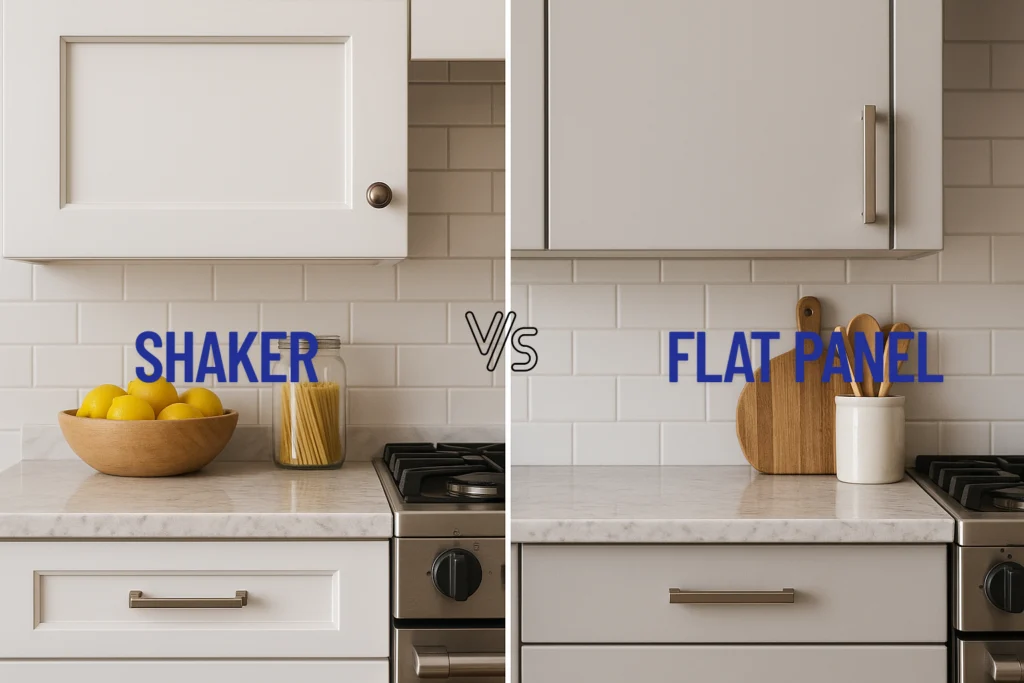
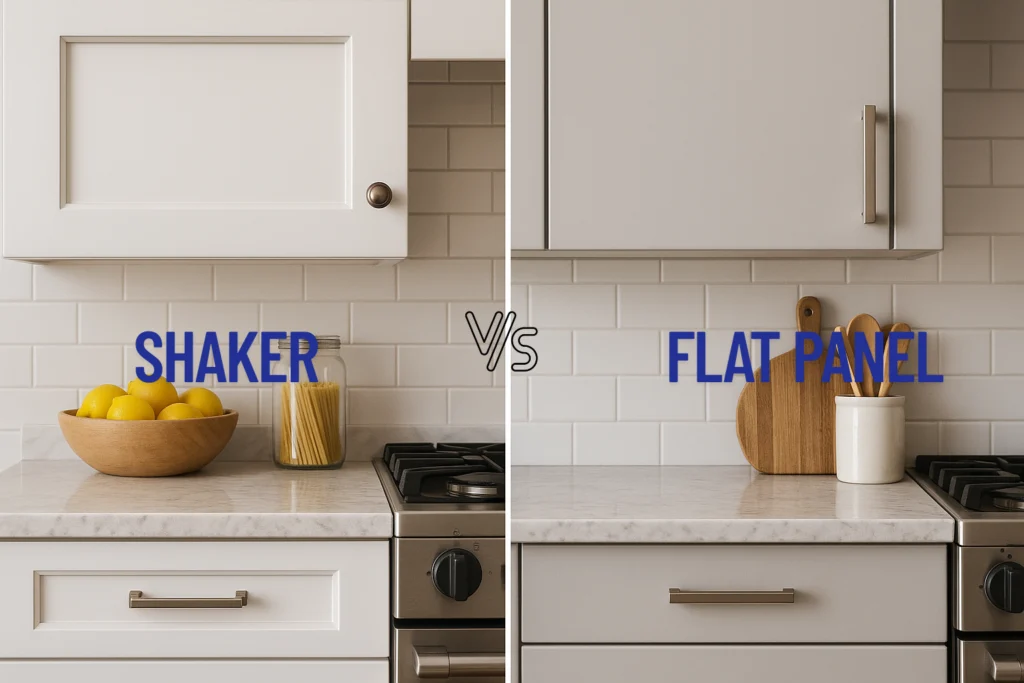
The term “flat panel kitchen cabinets vs shaker style” captures two fundamentally different design philosophies. Flat panel cabinets, also known as slab or contemporary panels, feature a single, smooth piece of material without any decorative moulding. This minimalist approach highlights clean lines and a sleek surface, making the cabinetry appear almost like a continuation of the wall itself.
In contrast, shaker style cabinets blend simplicity with subtle detailing. Originating from the 18th‑century Shaker religious community, these doors showcase a flat centre panel framed by a modest, yet pronounced, rail and stile. The result is a timeless look that balances modern restraint with a hint of traditional craftsmanship. While both styles can be painted or stained, the flat panel option often leans toward high‑gloss finishes, whereas shaker doors frequently appear in matte or semi‑gloss paints that emphasize their geometry.
Design Compatibility: How Each Style Fits Modern Interiors

One of the first questions homeowners ask when comparing flat panel kitchen cabinets vs shaker style is, “Which pairs best with my overall interior design?” The answer depends heavily on the surrounding elements. Flat panel cabinets excel in ultra‑modern kitchens that feature large‑format appliances, integrated lighting, and minimal ornamentation. Their unobtrusive surface allows other design features—like a bold backsplash or striking countertop—to take centre stage.
Shaker style, on the other hand, is remarkably versatile. The understated frame provides enough visual interest to stand on its own while still harmonising with a wide range of aesthetics, from farmhouse to transitional. Pairing shaker cabinets with natural wood floors, open‑shelf concepts, or even industrial metal fixtures creates a balanced look that feels both warm and contemporary. For readers seeking inspiration, check out our guide on warm minimalist living room décor ideas to see how similar principles translate across rooms.
Flat Panel Kitchen Cabinets vs Shaker Style: Material Choices
- Wood species: Both styles can be built from hardwoods like maple, oak, or alder, but flat panel doors often use engineered wood or plywood to achieve a perfectly smooth surface.
- Laminate & thermofoil: Flat panel cabinets frequently employ high‑gloss laminates or thermofoil finishes that resist moisture and are easy to clean.
- Solid wood frames: Shaker cabinets traditionally feature solid wood frames, giving them added durability and a tactile quality that many homeowners love.
Choosing the right material not only influences aesthetics but also long‑term maintenance. For instance, flat panel cabinets with a thermofoil finish are less prone to water damage, making them ideal for busy families, while shaker cabinets may require periodic refinishing to keep the wood looking fresh.
Cost Considerations: Budgeting for Flat Panel Kitchen Cabinets vs Shaker Style
Budget is often the decisive factor when evaluating flat panel kitchen cabinets vs shaker style. Flat panel cabinets generally present a lower price point because the manufacturing process involves fewer components—essentially one large panel per door. This streamlined production reduces labor costs and material waste, translating into savings for the homeowner.
Shaker cabinets, with their additional rails, stiles, and sometimes intricate joinery, can be more expensive, especially when custom‑crafted from premium hardwoods. However, the price gap can narrow when opting for ready‑made shaker kits or selecting less costly wood species. Moreover, the perceived value of shaker cabinets often contributes positively to resale appeal, as many buyers associate the style with quality craftsmanship.
For those balancing cost and style, consider the long‑term value of each option. Investing a bit more in shaker cabinets could yield higher returns if you plan to sell, whereas flat panel cabinets might be a smarter choice for a rental property where durability and easy cleaning are paramount.
Functionality & Maintenance: Day‑to‑Day Realities
Beyond looks, the practical side of flat panel kitchen cabinets vs shaker style matters daily. Flat panel doors, with their seamless surface, are less likely to trap crumbs, grease, or moisture, making them straightforward to wipe down with a damp cloth. The lack of moulding means there are fewer crevices for dirt to accumulate.
Shaker cabinets, while still relatively easy to maintain, have slightly more intricate detailing. The recessed frame can collect dust, and the wood may be more susceptible to scratches if not protected with a suitable finish. Regular dusting and occasional polishing help preserve their appearance. If you enjoy a rustic, lived‑in feel, these minor upkeep tasks can be part of the charm.
Another functional aspect to weigh is hardware compatibility. Flat panel doors often pair well with modern, low‑profile handles or even touch‑to‑open mechanisms, reinforcing a sleek aesthetic. Shaker doors, however, can accommodate a broader range of hardware styles—from classic round knobs to industrial pulls—allowing you to personalize the look without compromising the cabinet’s integrity.
Styling Tips: Making the Most of Flat Panel Kitchen Cabinets vs Shaker Style
Regardless of which side you fall on—flat panel kitchen cabinets vs shaker style—there are strategic ways to enhance the overall design. Below are curated tips that work for both styles while respecting their unique characteristics.
- Contrast with backsplashes: Pair flat panel cabinets with a bold, patterned tile to create visual drama; use muted, subway tiles for shaker cabinets to let the wood shine.
- Integrate lighting: Undercabinet LED strips highlight the smooth surface of flat panel doors, whereas shaker cabinets benefit from pendant lighting that casts gentle shadows on the panel frames.
- Play with colour: High‑gloss whites or deep charcoal work wonders on flat panels; soft greys, warm beiges, or muted blues complement shaker doors beautifully.
- Mix materials: Combine metal open shelves with flat panel cabinets for an industrial vibe; add a natural stone countertop to shaker cabinets for a cosy, farmhouse feel.
For a holistic design approach, explore aesthetic wall décor inspiration to see how colour palettes and artwork can further tie your kitchen’s cabinet style to the rest of your home.
Quick Home Décor Tips for Cabinet Selection
- Measure twice, order once: Accurate dimensions prevent costly re‑orders.
- Test paint samples in natural light: Colours can shift dramatically from morning to evening.
- Choose hardware early: The style of pulls or knobs should complement your cabinet choice.
- Consider future resale: Shaker cabinets often appeal to a broader buyer base.
- Plan for ventilation: Ensure cabinet interiors have proper airflow to avoid moisture buildup.
Common Mistakes When Choosing Between Flat Panel Kitchen Cabinets vs Shaker Style
Even seasoned homeowners can stumble over pitfalls when navigating flat panel kitchen cabinets vs shaker style. Below are the most frequent errors and how to sidestep them.
- Ignoring the kitchen’s architectural language: Installing ultra‑modern flat panels in a Victorian‑era home can feel jarring. Align cabinet style with the overall architectural context.
- Over‑matching finishes: Pairing high‑gloss flat panels with glossy countertops can create a sterile look. Introduce texture through matte backsplashes or natural stone.
- Undervaluing hardware: Cheap, mismatched handles can undermine the quality of both cabinet styles. Invest in hardware that complements the door design.
- Skipping a mock‑up: Visualising the cabinets in a 3‑D planner helps avoid costly revisions later.
- Neglecting durability: Choosing a low‑cost laminate for shaker cabinets can lead to early wear. Opt for durable finishes that match the expected traffic.
Frequently Asked Questions
What is the main visual difference between flat panel kitchen cabinets and shaker style?
Flat panel cabinets have a single, uninterrupted surface, giving a sleek, modern look. Shaker cabinets feature a recessed centre panel framed by a simple rail and stile, offering a subtle yet classic profile.
Are flat panel cabinets more suitable for small kitchens?
Yes, their minimalistic design can make a small space feel larger because there are fewer visual breaks. However, shaker cabinets also work well in compact kitchens when paired with light colours and streamlined hardware.
Can I paint shaker cabinets the same colour as flat panel cabinets?
Absolutely. Both styles accept paint well, but the finish may differ. Flat panels often look best with high‑gloss or semi‑gloss finishes, while shaker doors usually benefit from a matte or satin coat that highlights the panel framing.
Which style holds its value better in the resale market?
Shaker style cabinets tend to have broader appeal across buyer demographics due to their timeless charm, often translating to a slightly higher resale value compared with purely contemporary flat panel designs.
Is it possible to mix flat panel and shaker cabinets in the same kitchen?
Mixing can be successful if executed thoughtfully—use flat panels for upper cabinets to maintain a light visual weight, and shaker doors for lower cabinets to add warmth. Consistency in colour and hardware ties the two together.
How do I maintain the finish on flat panel cabinets versus shaker cabinets?
Flat panel cabinets require gentle cleaning with non‑abrasive cleaners to preserve their smooth surface. Shaker cabinets may need occasional wood‑specific polish or refinishing to keep the grain vibrant and protect against scratches.
For a broader perspective on colour decisions, see our article on On the Rocks vs Repose Gray for tips on selecting the perfect hue for any space.
When technology meets design, the balance is crucial. Our piece on Carrier Performance vs Infinity explores how modern appliances can complement both flat panel and shaker cabinetry without overwhelming the overall aesthetic.
Finally, if you’re curious about wood species and how they affect cabinet style, read Alder vs Maple for a detailed comparison.
Choosing between flat panel kitchen cabinets vs shaker style is less about declaring a winner and more about aligning the cabinet’s personality with your lifestyle, budget, and the story you want your kitchen to tell. By weighing design compatibility, cost, maintenance, and long‑term value, you’ll arrive at a decision that feels both confident and inspired.