
Table of Contents
- Alder vs Maple: Key Differences for Home Design
- Alder vs Maple – Choosing the Right Species for Your Yard
- Growth Habits and Space Requirements
- Leaf Color, Seasonal Appeal, and Interior Inspiration
- Wood Characteristics and Indoor Applications
- Environmental Impact and Sustainability
- Design Tips: Integrating Alder or Maple into Your Home
- Quick Tips for Choosing Between Alder and Maple
- Common Mistakes and How to Avoid Them
- Frequently Asked Questions
Alder vs Maple: Choosing the Right Tree for Modern Home Design
When it comes to shaping the character of a home’s exterior or adding natural texture to interior spaces, the choice of tree matters more than many realize. Two popular candidates—alder and maple—offer distinct qualities that can either complement or clash with a modern design aesthetic. Understanding how these species differ helps homeowners, renters, and design enthusiasts make informed decisions that enhance curb appeal, improve energy efficiency, and even influence indoor décor.
This article walks you through the essential factors to consider when comparing alder vs maple. From growth habits and leaf color to wood durability and environmental impact, each aspect is broken down with practical design tips. By the end, you’ll have a clear roadmap for selecting the tree that best fits your lifestyle, space constraints, and visual goals.
Whether you’re planning a suburban garden, a compact balcony garden, or a statement indoor feature, the insights below will guide you toward a harmonious balance between nature and modern home décor.
Alder vs Maple: Key Differences for Home Design
The first step in the alder vs maple debate is to recognize their fundamental botanical differences. Alders (genus Alnus) are fast‑growing, nitrogen‑fixing trees that thrive in moist soils, while maples (genus Acer) encompass a broader range of sizes and leaf shapes, often prized for their vibrant fall colors. These distinctions affect everything from planting location to long‑term maintenance.
Alder vs Maple – Choosing the Right Species for Your Yard
When you assess your property’s micro‑climate, consider the following:
- Soil Moisture: Alders love wet, well‑drained soils; maples prefer slightly drier conditions.
- Sun Exposure: Both tolerate full sun, but many maples handle partial shade better.
- Growth Rate: Alders can reach maturity in 15‑20 years, whereas most maples take 30‑40 years to fully develop.
Choosing the right species early on prevents future pruning battles and ensures the tree integrates smoothly with your home’s architectural lines.
Growth Habits and Space Requirements

Modern homes often feature limited yard space, making the alder vs maple comparison a matter of scale. Alders typically grow to a height of 30–50 ft with a rounded canopy, while maples can range from the compact 15‑ft Japanese maple to the towering 80‑ft sugar maple. Understanding these dimensions helps you avoid overcrowding and maintain a clean, open look.
For small urban lots, a dwarf maple variety offers a striking vertical accent without overwhelming the site. In contrast, a fast‑growing alder can quickly fill a larger buffer zone, providing privacy and wind protection for a suburban home. Pairing the right tree with your floor plan mirrors the balance you’d seek when arranging furniture—proportion is key.
Leaf Color, Seasonal Appeal, and Interior Inspiration

Maples are famous for their dramatic fall foliage—deep reds, oranges, and yellows that instantly become a focal point in living‑room windows or patio views. Alders, on the other hand, display subtler greens that transition to a muted yellow in autumn. If your design goal includes bold seasonal statements, maple often takes the spotlight.
However, the softer palette of alder foliage can serve as a gentle backdrop, allowing you to spotlight interior décor elements such as botanical wall prints or neutral textiles without competing for visual attention. This interplay between exterior color and indoor styling is a core principle of modern interior design.
Wood Characteristics and Indoor Applications
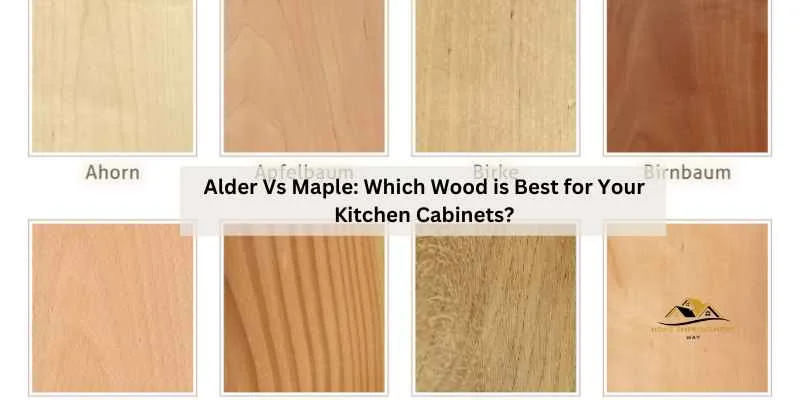
Both alder and maple provide useful timber, but their properties differ significantly. Alder wood is lightweight, easy to work with, and has a uniform, pale grain—ideal for rustic furniture, cabinetry, or even decorative paneling in a minimalist kitchen. Maple wood, especially hard maple, is denser and harder, making it perfect for high‑traffic flooring, butcher blocks, and sleek contemporary furniture.
When you incorporate timber into your home, think of the tree as an extension of your décor theme. Alder’s softer texture pairs well with warm, Scandinavian‑style interiors, while the durability of maple complements industrial or modern farmhouse aesthetics. For inspiration on integrating natural wood, check out our minimal kitchen utensil display guide for clean, functional styling ideas.
Environmental Impact and Sustainability
Choosing between alder vs maple also involves ecological considerations. Alders improve soil health by fixing nitrogen, which can reduce the need for fertilizers in surrounding garden beds. Maples, particularly those cultivated from sustainable nurseries, provide reliable carbon sequestration and support local wildlife, especially pollinators during spring blossom.
If sustainability is a priority, planting an alder in a rain‑garden or near a water feature can enhance biodiversity while managing runoff. Meanwhile, a maple planted as a shade tree can lower summer cooling costs by shading windows and walls—an energy‑saving benefit that aligns with modern green‑building practices.
Design Tips: Integrating Alder or Maple into Your Home
Here are actionable ways to weave either tree into your interior and exterior design scheme:
- Outdoor Seating Zones: Position a maple near a patio to cast dappled shade in summer, then enjoy the fiery foliage in autumn. Pair with low‑profile outdoor furniture for a cohesive look.
- Indoor Green Walls: Use potted alder saplings on a living‑room balcony or within a sunroom. Their rapid growth creates a lush backdrop for ceramic centerpieces and modern art.
- Wood Accents: Install alder paneling on a feature wall in a bedroom to add warmth without overwhelming the space. Contrast with a maple coffee table for a balanced mix of textures.
- Color Coordination: Match maple leaf hues with accent pillows, throws, or rugs that echo reds and oranges. With alder, lean toward soft greens and neutrals for a soothing atmosphere.
Quick Tips for Choosing Between Alder and Maple
- Assess soil moisture—alder loves wet, maple prefers drier ground.
- Consider mature height—choose dwarf maple for tight spaces.
- Match leaf color with your interior palette for seamless flow.
- Prioritize wood use: alder for light cabinetry, maple for durable flooring.
- Factor in sustainability: alder for nitrogen‑fixing benefits, maple for carbon capture.
Common Mistakes and How to Avoid Them
Even seasoned homeowners can stumble when navigating the alder vs maple decision. Below are frequent pitfalls and corrective actions:
- Ignoring Soil Conditions: Planting a maple in persistently soggy soil leads to root rot. Test drainage before planting.
- Overlooking Growth Rate: Selecting a fast‑growing alder for a small yard may result in premature overcrowding. Prune regularly or choose a slower‑growing maple cultivar.
- Misjudging Seasonal Aesthetics: If you crave bold fall colors, a maple is the safer bet; an alder’s subtle hues may not meet expectations.
- Neglecting Maintenance Plans: Both trees benefit from annual mulching and occasional pest checks. Skipping care can diminish their visual and environmental benefits.
Frequently Asked Questions
Which tree is better for a small urban balcony?
A dwarf Japanese maple is often the top choice because of its compact size and striking foliage. An alder would quickly outgrow a balcony setting unless heavily pruned.
Can alder wood be used for indoor furniture?
Yes, alder’s light grain and workability make it suitable for rustic or Scandinavian‑style pieces, such as shelving, side tables, and lightweight chairs.
Do maples require more water than alders?
Maples generally prefer moderate moisture and can tolerate occasional drought, while alders thrive in consistently moist soils. Adjust irrigation based on the specific species.
How do these trees affect home energy efficiency?
A well‑placed maple can shade windows in summer, reducing cooling costs, while an alder’s rapid growth can serve as a windbreak, lowering heating expenses in colder months.
Are there any health concerns associated with these trees?
Both species are non‑allergenic for most people. However, maple sap can attract insects, and alder pollen may cause mild seasonal allergies for sensitive individuals.
Which tree supports more wildlife?
Maples provide early spring nectar for pollinators and fruit for birds, whereas alders improve soil health, indirectly supporting a broader ecosystem.
Choosing the right tree isn’t just about aesthetics; it’s about aligning the plant’s natural characteristics with your home’s design goals and environmental values.
By weighing the growth patterns, visual impact, wood utility, and sustainability of alder vs maple, you can craft a living environment that feels both modern and timeless. Explore more ideas on integrating natural elements into your space, and let nature become a central piece of your home’s story.