
Table of Contents
- Finding the Perfect Chair for Comfort and Support After Spinal Surgery: Core Ergonomic Features
- Finding the Perfect Chair for Comfort and Support After Spinal Surgery: Matching Style with Function
- Assessing Your Space: Where Will the Chair Live?
- Materials Matter: Upholstery, Frame, and Sustainability
- Budgeting Without Compromise: Cost vs. Value
- Testing and Personalization: The Final Decision
- Quick Tips for Immediate Relief
- Common Mistakes to Avoid When Selecting a Recovery Chair
- Frequently Asked Questions
- Can a regular office chair be suitable for post‑spinal surgery recovery?
- How long should I sit in the recovery chair each day?
- Is it okay to use a recliner that leans back fully?
- What color or finish works best for a recovery chair in a modern bedroom?
- Do I need a separate lumbar pillow if the chair already has built‑in support?
- Can I use the same chair for both work and recovery?
Finding the Perfect Chair for Comfort and Support After Spinal Surgery – A Home Décor Guide
Recovering from spinal surgery is a delicate phase that demands both medical attention and thoughtful adjustments to your living environment. One of the most overlooked yet critical pieces of furniture is the chair you spend time in while watching TV, reading, or working on a laptop. The right chair can reduce strain, encourage proper posture, and accelerate the healing process, while the wrong one can prolong discomfort and even jeopardize surgical results.
For homeowners and renters who value modern aesthetics as much as they value health, the challenge is to locate a chair that marries ergonomic support with the clean lines and textures that define contemporary décor. This article walks you through the essential considerations, design principles, and practical steps for finding the perfect chair for comfort and support after spinal surgery—without compromising the visual harmony of your bedroom, living room, or home office.
Finding the Perfect Chair for Comfort and Support After Spinal Surgery: Core Ergonomic Features
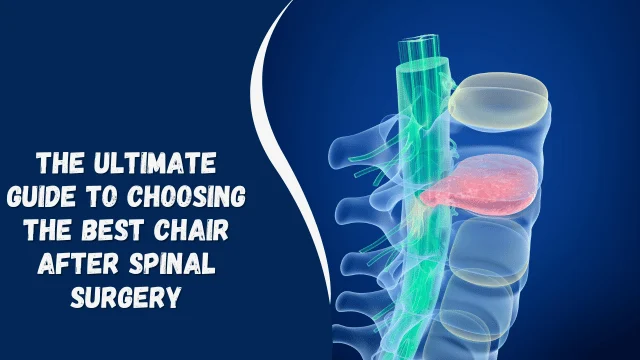
The first step is to understand the ergonomic foundations that make a chair truly supportive. Look for a seat that offers adjustable lumbar support, a seat depth that accommodates your thigh length, and a backrest that follows the natural curve of the spine. Adjustable armrests can relieve shoulder tension, while a swivel base allows you to change positions without straining.
When you’re finding the perfect chair for comfort and support after spinal surgery, pay close attention to the following features:
- Adjustable lumbar pad: A movable pad lets you target the exact spot where your spine needs reinforcement.
- Seat height control: Your feet should rest flat on the floor, creating a 90‑degree angle at the knees.
- Recline tension knob: This lets you set the resistance for leaning back, encouraging micro‑movements that improve circulation.
- Breathable upholstery: Mesh or high‑quality fabric prevents heat buildup, which can be uncomfortable during longer sitting periods.
Choosing a chair with these core ergonomic qualities ensures that you’re not just buying a piece of furniture, but a therapeutic ally that aligns with modern interior design trends.
Finding the Perfect Chair for Comfort and Support After Spinal Surgery: Matching Style with Function
Integrating a medically supportive chair into a stylish room doesn’t mean you have to sacrifice aesthetics. Contemporary design often embraces minimalism, neutral palettes, and natural textures—all of which can complement an ergonomic chair.
Consider the overall color scheme of the space. A chair upholstered in soft, muted tones such as dove gray or warm taupe can blend seamlessly with a neutral home décor with soft textures theme. For a bolder statement, choose a chair with a sleek metal frame paired with a textured cushion that adds visual interest without overwhelming the room.
When finding the perfect chair for comfort and support after spinal surgery, keep in mind the following design tactics:
- Pair the chair with a low‑profile side table in a matching wood finish to create a cohesive look.
- Use a floor lamp with a dimmable bulb to set a soothing ambiance that encourages relaxation.
- Incorporate a small decorative rug that defines the seating area and adds a layer of comfort underfoot.
These touches transform a functional piece into a centerpiece that enhances both health and home décor.
Assessing Your Space: Where Will the Chair Live?

Before you start browsing, map out the area where you intend to place the chair. Measure the floor space, ceiling height, and any adjacent furniture. This practical step prevents future headaches when a chair turns out to be too large or too small for the intended spot.
In a bedroom setting, a recliner placed beside a nightstand can serve as a recovery nook. In a living room, consider a lounge chair that aligns with your sofa’s line, preserving visual flow. If you work from home, a task chair with ergonomic features can double as a recovery seat.
For those who love to blend functionality with style, the 12 vs 16 board and batten guide offers insights on wall treatments that can accentuate a chair’s presence without overwhelming the room.
Materials Matter: Upholstery, Frame, and Sustainability

The choice of material influences comfort, durability, and the environmental footprint of your chair. High‑density foam cushions provide firm support while retaining shape over time. Memory foam adapts to body contours, which can be beneficial during the early stages of spinal recovery, but may lack the firmness needed for long‑term posture correction.
Frames made from solid wood or powder‑coated steel offer stability. If sustainability is a priority, look for chairs with FSC‑certified wood or recycled metal components. Natural fibers such as linen or organic cotton not only feel gentle against the skin but also complement a wall shelf décor with ceramic items aesthetic.
When finding the perfect chair for comfort and support after spinal surgery, prioritize materials that provide breathability, easy cleaning, and a timeless look that can evolve with future décor updates.
Budgeting Without Compromise: Cost vs. Value
Investing in a chair that supports spinal recovery is a long‑term health investment. While premium ergonomic chairs can carry a higher price tag, many mid‑range options offer comparable features. Set a realistic budget, then prioritize the most essential ergonomic adjustments—lumbar support and seat height are non‑negotiable, while aesthetic upgrades can be added later.
Consider the following budgeting tips:
- Shop during sales events or explore outlet stores that carry discontinued models with full warranties.
- Look for chairs that come with a multi‑year guarantee; this often signals higher build quality.
- Read user reviews focusing on durability and post‑surgical comfort rather than just style.
By aligning cost with critical features, you can find a chair that meets both health and design goals, proving that comfort doesn’t have to be a luxury.
Testing and Personalization: The Final Decision
Once you have narrowed down a few models, the next step is to test them. Sit for at least five minutes, adjust all settings, and notice how your spine feels. Pay attention to pressure points, especially around the lower back and hips. If possible, bring a lumbar pillow or a rolled towel to simulate additional support that you might use at home.
After purchase, personalize the chair to match your décor. A removable cushion cover in a complementary hue can instantly tie the chair to surrounding furniture. Adding a small throw pillow with a subtle pattern introduces texture without compromising the chair’s ergonomic function.
Remember, the goal is to create a recovery‑friendly zone that feels welcoming. When finding the perfect chair for comfort and support after spinal surgery, the final choice should leave you feeling both physically supported and visually satisfied.
Quick Tips for Immediate Relief
- Place a small lumbar roll on the chair’s built‑in support if you need extra cushioning.
- Maintain a 90‑degree angle at the hips and knees to reduce pressure on the lower spine.
- Use a footrest if your feet don’t reach the floor comfortably; this promotes proper alignment.
- Set a timer to stand or stretch every 30 minutes; micro‑movements aid circulation.
- Keep a soft blanket or cushion nearby for added comfort during longer sitting sessions.
Common Mistakes to Avoid When Selecting a Recovery Chair
Even well‑intentioned shoppers can fall into traps that undermine both health and style. Here are frequent errors and how to sidestep them:
- Choosing style over support: A sleek, low‑back chair may look chic but lacks the lumbar reinforcement needed after spinal surgery.
- Ignoring adjustability: Fixed‑height seats force you into a suboptimal posture; always opt for chairs with multiple adjustment points.
- Overlooking space constraints: A bulky recliner can dominate a small bedroom, making the room feel cramped and increasing stress.
- Neglecting material care: Some fabrics stain easily; pick upholstery that is easy to clean, especially if you’ll be using cushions or blankets.
- Skipping a test sit: Buying online without a return policy can leave you stuck with a chair that doesn’t meet your ergonomic needs.
Frequently Asked Questions
Can a regular office chair be suitable for post‑spinal surgery recovery?
While a standard office chair might offer some adjustability, it often lacks dedicated lumbar support and the ability to recline gently. For optimal recovery, choose a chair specifically designed with therapeutic features, or add a high‑quality lumbar pillow to an office chair and ensure it meets height and angle recommendations.
How long should I sit in the recovery chair each day?
Start with short intervals of 10‑15 minutes, gradually increasing as comfort improves. The key is to avoid prolonged static sitting; stand, stretch, or walk for a few minutes every half hour to keep circulation active and protect the surgical site.
Is it okay to use a recliner that leans back fully?
A recliner with a gentle tilt (around 100‑110 degrees) can be beneficial, but a full horizontal lay may place excessive pressure on the spine. Look for models with adjustable recline tension so you can control the angle and avoid over‑extension.
What color or finish works best for a recovery chair in a modern bedroom?
Neutral tones such as soft grays, muted blues, or warm beiges blend effortlessly with contemporary décor. A matte metal frame adds a modern touch without being visually aggressive. Pair with a textured cushion to introduce subtle depth.
Do I need a separate lumbar pillow if the chair already has built‑in support?
If the built‑in lumbar pad aligns perfectly with the curve of your lower back, an extra pillow may be unnecessary. However, many people find that a removable lumbar pillow offers customizable firmness and can be repositioned as healing progresses.
Can I use the same chair for both work and recovery?
Yes, provided the chair meets ergonomic standards for both tasks. Look for models with adjustable armrests and seat depth that can accommodate a laptop workstation and also support a relaxed, slightly reclined posture for recovery.
Finding the perfect chair for comfort and support after spinal surgery is not just a health decision—it’s a design decision that influences the look and feel of your home. By evaluating ergonomic features, matching the chair to your interior style, and considering space, material, and budget, you can create a recovery zone that feels both nurturing and visually appealing. Remember to test each option, personalize it with thoughtful accessories, and stay mindful of common pitfalls.
With the right chair in place, you’ll experience less pain, better posture, and a more inviting environment for healing. Continue exploring our décor resources for additional inspiration, and enjoy the journey of turning a medical necessity into a stylish focal point of your home.