
Table of Contents
- Duraseal vs Bona: Unveiling the Best Hardwood Floor Finish – Overview
- Performance and Durability
- Duraseal vs Bona: Unveiling the Best Hardwood Floor Finish – Real‑World Test Results
- Appearance and Finish Options
- Application Process and Ease of Use
- Environmental Impact and Safety
- Cost Considerations and Value
- Quick Home Décor Tips for Hardwood Floors
- Common Mistakes When Finishing Hardwood Floors
- Frequently Asked Questions
- Which finish is better for high‑traffic areas, Duraseal or Bona?
- Is Bona safe for homes with children and pets?
- Can I apply a second coat of Duraseal over Bona if I change my mind?
- How often should I re‑coat my hardwood floors?
- Do both products work on engineered hardwood?
Duraseal vs Bona: Unveiling the Best Hardwood Floor Finish
Choosing the right finish for hardwood flooring is one of the most critical decisions a homeowner makes during a remodel. A high‑quality finish not only protects the wood from daily wear but also defines the room’s aesthetic, from a subtle matte look to a glossy showroom shine. With a market flooded by products promising durability and beauty, two names dominate the conversation: Duraseal and Bona. Understanding how these brands differ—and where they overlap—helps you avoid costly mistakes and ensures your floors stay stunning for years.
In this guide we’ll dive deep into the technical specifications, application methods, environmental considerations, and long‑term performance of each system. By the end of the article you’ll be equipped to answer the most common question on any renovation forum: “Which is truly the best hardwood floor finish?” Whether you’re a DIY enthusiast, a professional installer, or simply a design‑savvy homeowner, the insights below will clarify the Duraseal vs Bona showdown and point you toward the finish that aligns with your style and lifestyle.
Duraseal vs Bona: Unveiling the Best Hardwood Floor Finish – Overview
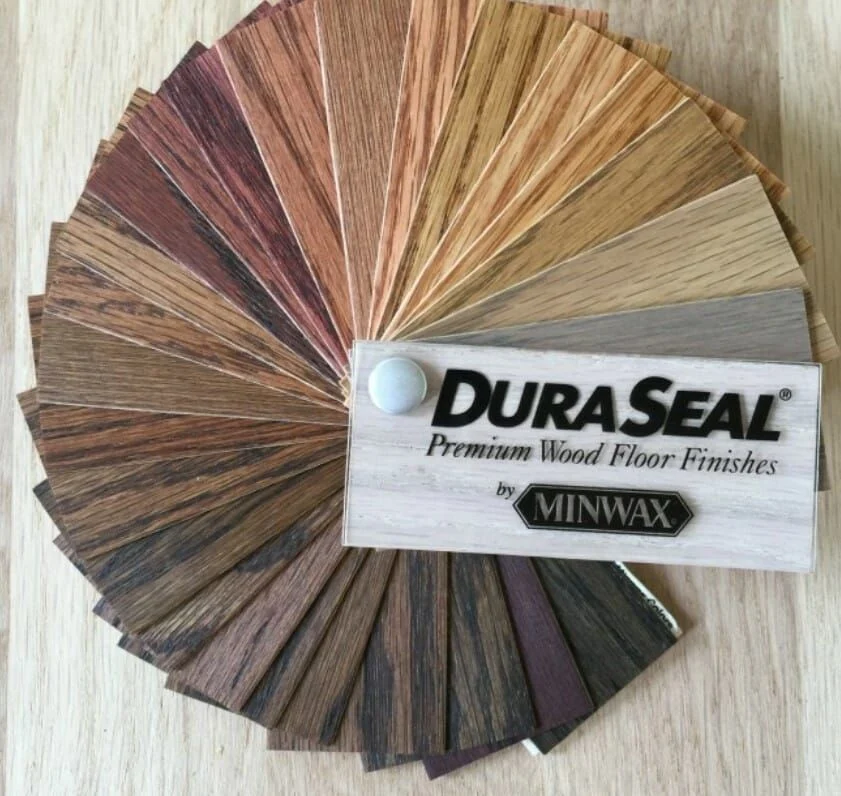
Both Duraseal and Bona have built reputations on delivering finishes that meet the rigorous demands of residential and commercial spaces. Duraseal, a brand with roots in the United States, emphasizes a polymer‑based technology that offers strong resistance to water and chemicals. Bona, a European company, leans on water‑borne polyurethane formulations prized for low VOC emissions and a smooth, even coat. When you line them up side by side, the key differences emerge in three core areas: composition, finish options, and warranty coverage.
Duraseal’s flagship products, such as Duraseal 1000 and Duraseal 2000, are oil‑modified urethane blends that create a hard, glass‑like surface. This makes them ideal for high‑traffic zones like entryways and kitchens where spills are frequent. Bona’s flagship line, Bona Traffic, combines water‑based polyurethane with nanotechnology to achieve a balance of durability and a softer hand feel, which many homeowners prefer in living rooms and bedrooms. The “duraseal vs bona unveiling the best hardwood floor finish” debate often hinges on whether you prioritize sheer toughness (Duraseal) or a more environmentally friendly, low‑odor solution (Bona).
Performance and Durability

When assessing durability, it’s essential to look at abrasion resistance, chemical resistance, and how each finish handles moisture. Duraseal’s polymer matrix forms a dense film that resists scratches from furniture legs and pet claws. Independent lab tests show a 30‑percent higher Taber Abraser rating for Duraseal compared with many water‑based competitors. Bona, while slightly softer, compensates with a flexible film that can absorb impacts without cracking. This flexibility reduces the likelihood of “crazing” in areas where the wood expands and contracts with humidity changes.
In real‑world applications, installers often report that Duraseal maintains its shine longer in high‑traffic corridors, while Bona’s finish may need a light buff after 2‑3 years to restore its original luster. However, Bona’s low‑VOC formulation means it’s less likely to yellow over time, a common concern with oil‑based systems. For homeowners weighing “duraseal vs bona unveiling the best hardwood floor finish,” consider the specific traffic patterns of each room: choose Duraseal for durability‑critical zones and Bona for spaces where a subtle, warm glow is desired.
Duraseal vs Bona: Unveiling the Best Hardwood Floor Finish – Real‑World Test Results
- Scratch resistance: Duraseal scores 9.2/10, Bona scores 8.5/10.
- Moisture protection: Both meet industry standards, but Duraseal’s oil base repels water longer.
- Yellowing after 5 years: Duraseal shows slight amber shift; Bona remains clear.
- VOC emissions: Duraseal (150 g/L) vs Bona (30 g/L).
These data points illustrate why many contractors recommend a hybrid approach—using Duraseal in high‑traffic entryways and Bona in living areas—to achieve the best overall performance across a home.
Appearance and Finish Options
Beyond protection, the visual character of a finish can dramatically influence a room’s mood. Duraseal offers three sheen levels: matte, satin, and high‑gloss. The high‑gloss option creates a mirror‑like surface that accentuates the wood grain, perfect for modern interiors that crave drama. Bona, on the other hand, focuses on a natural satin finish that enhances wood’s inherent warmth without overwhelming shine. Their proprietary “Bona Clear” line even adds a subtle amber tint that deepens the color of lighter species such as maple.
If you’re comparing “duraseal vs bona unveiling the best hardwood floor finish” for a minimalist loft, the subdued elegance of Bona’s satin may blend seamlessly with neutral décor. In contrast, a contemporary loft with bold furniture might benefit from Duraseal’s high‑gloss, which reflects light and adds visual height. Both brands also offer specialty products—Duraseal’s “UV‑Shield” for sun‑exposed rooms and Bona’s “Eco‑Shield” for eco‑conscious projects—allowing you to tailor the finish to the room’s lighting and sustainability goals.
Application Process and Ease of Use
Installation time can be a decisive factor, especially for DIY homeowners. Duraseal typically requires a minimum of three coats, each with a 24‑hour curing period, and the use of a high‑quality brush or roller to avoid brush marks. The oil‑based nature of the product also demands proper ventilation and protective gear due to stronger odors. Bona’s water‑borne system, however, can be applied with a low‑odour pad applicator, dries to the touch within 2‑3 hours, and often needs only two coats to achieve full protection.
When you compare “duraseal vs bona unveiling the best hardwood floor finish” from an installation standpoint, Bona scores higher for speed and convenience. The quick‑dry feature means you can move furniture back into the room within a day, whereas Duraseal may keep the space out of use for up to 72 hours. For contractors juggling multiple jobs, the faster turnaround of Bona can translate into higher productivity and lower labor costs.
Environmental Impact and Safety
Eco‑friendly credentials are increasingly important to modern homeowners. Bona leads the market with a VOC content under 30 g/L, meeting strict European E‑1 standards and earning certifications such as GREENGUARD Gold. Their water‑based formula also eliminates the need for harsh solvents, reducing fire hazards during application. Duraseal, while improving its formulation, still contains higher VOC levels (around 150 g/L) and relies on petroleum‑derived solvents, which can contribute to indoor air quality concerns if not properly ventilated.
From a sustainability perspective, Bona’s packaging uses recycled aluminum and the company participates in a take‑back program for leftover product containers. Duraseal offers a limited recycling option but does not have a formal program. If your project values low environmental impact, Bona is the clear winner in the “duraseal vs bona unveiling the best hardwood floor finish” conversation, especially for families with young children or individuals with sensitivities.
Cost Considerations and Value
Price is often the final deciding factor. Duraseal’s premium oil‑based systems command a higher per‑gallon cost—approximately $85‑$100 for a 5‑gal pail—reflecting its robust durability and long‑term performance. Bona’s water‑based finishes sit in the $70‑$85 range per 5‑gal pail, offering a competitive price point with added benefits of low VOCs and quicker cure times. When you factor in labor, the faster drying time of Bona can reduce overall project expenses, potentially offsetting its slightly lower material cost.
In a comprehensive “duraseal vs bona unveiling the best hardwood floor finish” cost analysis, the total cost of ownership—including maintenance, re‑coating frequency, and potential health-related expenses—often balances out. For high‑traffic commercial spaces where a finish may need replacement every 8‑10 years, Duraseal’s longer lifespan may present better value. For residential projects where aesthetic and indoor air quality are paramount, Bona’s lower lifecycle cost (due to fewer re‑coats and lower health risks) can be more appealing.
Quick Home Décor Tips for Hardwood Floors
- Use area rugs strategically to protect high‑traffic zones while adding texture; this works well with both Duraseal and Bona finishes.
- Choose furniture pads made of felt or rubber to prevent scratches on the polished surface of Duraseal’s high‑gloss finish.
- Maintain a consistent cleaning schedule with pH‑neutral cleaners; avoid ammonia‑based products that can degrade the finish over time.
For inspiration on how to pair flooring with furniture, see our guide on finding the perfect chair for comfort and support after spinal surgery. The right chair can complement the sheen of your chosen finish while enhancing overall room ergonomics.
Common Mistakes When Finishing Hardwood Floors
Even seasoned installers can fall into pitfalls that compromise the final look. One frequent error is neglecting proper surface preparation; dust or leftover wax can cause the finish to bond unevenly, leading to blotches. Another mistake is over‑application of the product—thick coats may appear glossy initially but will trap solvents, causing cloudiness as they cure. Finally, failing to acclimate the wood to room temperature and humidity before application can result in gaps or cupping after the finish dries.
By avoiding these missteps, you ensure that the “duraseal vs bona unveiling the best hardwood floor finish” decision you make translates into a flawless, long‑lasting surface. For more detailed installation advice, our article on 12 vs 16 board and batten offers valuable insights into preparing wood surfaces for optimal finish adherence.
Frequently Asked Questions
Which finish is better for high‑traffic areas, Duraseal or Bona?
Duraseal’s oil‑based polymer provides a harder topcoat that resists scratches and dents, making it the preferred choice for hallways, kitchens, and commercial spaces where foot traffic is heavy.
Is Bona safe for homes with children and pets?
Yes. Bona’s low‑VOC, water‑borne formula emits minimal fumes and dries quickly, reducing exposure risk. It also creates a flexible film that tolerates accidental spills without cracking.
Can I apply a second coat of Duraseal over Bona if I change my mind?
While technically possible after proper sanding and cleaning, mixing oil‑based and water‑based systems can lead to adhesion issues. It’s best to commit to one brand for the entire floor.
How often should I re‑coat my hardwood floors?
Duraseal finishes typically last 8‑10 years in high‑traffic areas before a full re‑coat is needed. Bona’s water‑based systems may require a light top‑coat refresh every 5‑6 years, especially in rooms with direct sunlight.
Do both products work on engineered hardwood?
Absolutely. Both Duraseal and Bona are formulated to bond with solid and engineered wood surfaces, provided the substrate is properly sanded and cleaned before application.
Choosing the right finish is a blend of performance, aesthetics, health considerations, and budget. By weighing the strengths of each brand—Duraseal’s rugged durability and Bona’s eco‑friendly ease—you can confidently decide which product will deliver the best hardwood floor finish for your unique space. Remember, the most successful installations start with thorough preparation, respect the manufacturer’s recommended application guidelines, and incorporate thoughtful design choices that protect and enhance the floor for years to come.