
Table of Contents
- elfa vs pax: Understanding the Brands and Their Core Offerings
- Design Flexibility and Customization in the elfa vs pax Debate
- elfa vs pax: Choosing the Right System for Specific Rooms
- Installation Process: Tools, Time, and Skill Required for elfa vs pax
- Cost Comparison: Budgeting for elfa vs pax
- Aesthetic Appeal: Finishes, Styles, and Visual Impact
- Best Use Cases: Matching the System to Your Lifestyle
- Maintenance and Longevity: What to Expect Over Time
- Quick Home Décor Tips for Maximizing elfa vs pax Systems
- Common Mistakes to Avoid When Choosing Between elfa and pax
- Frequently Asked Questions
- Which system is easier for a DIY beginner, elfa or pax?
- Can I mix elfa and pax components in the same room?
- What is the typical lifespan of an elfa system compared to pax?
- Are there eco‑friendly options within the elfa vs pax range?
- How do I decide the right width for a Pax wardrobe?
Elfa vs Pax: In‑Depth Comparison for Modern Home Organization
When it comes to creating a tidy, functional living environment, the choice of storage system can dramatically influence both aesthetics and usability. Two names dominate the conversation among homeowners, interior designers, and DIY enthusiasts: Elfa and Pax. While both systems promise modularity and customization, they stem from different design philosophies, price points, and brand histories. Understanding these nuances helps you avoid costly mistakes and ensures the solution you select truly fits your lifestyle.
In this comprehensive guide, we’ll explore every facet of the ongoing debate—elfa vs pax—by dissecting design flexibility, installation ease, cost considerations, and long‑term durability. Whether you’re furnishing a compact apartment, revamping a master bedroom, or simply looking for smarter storage in a hallway, the insights below will equip you with the knowledge to make an informed decision that aligns with your modern décor goals.
Beyond the raw specs, we’ll also weave in practical tips, common pitfalls, and real‑world examples that illustrate how each system performs in everyday settings. By the end of the article, you’ll have a clear roadmap for selecting, installing, and maintaining the perfect storage solution for your home.
elfa vs pax: Understanding the Brands and Their Core Offerings
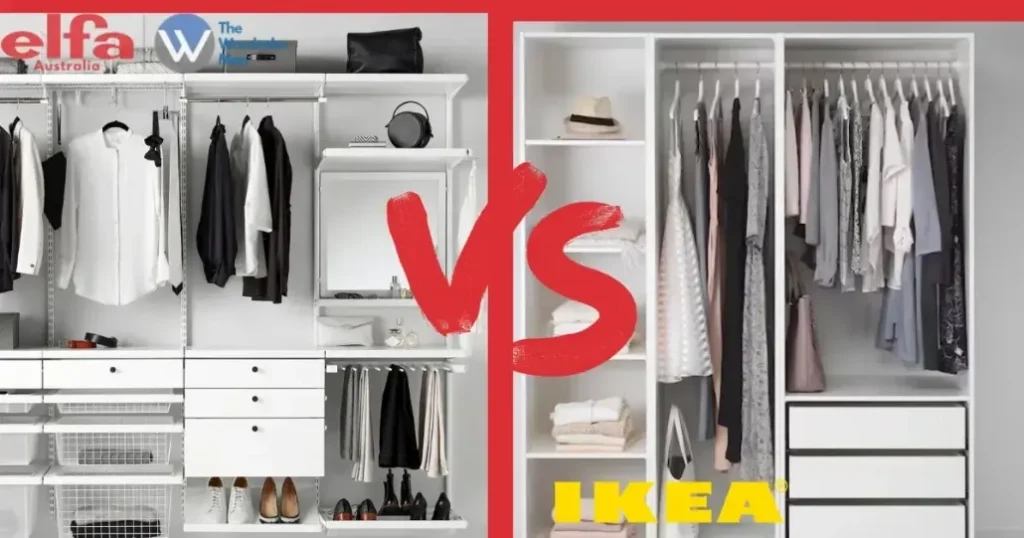
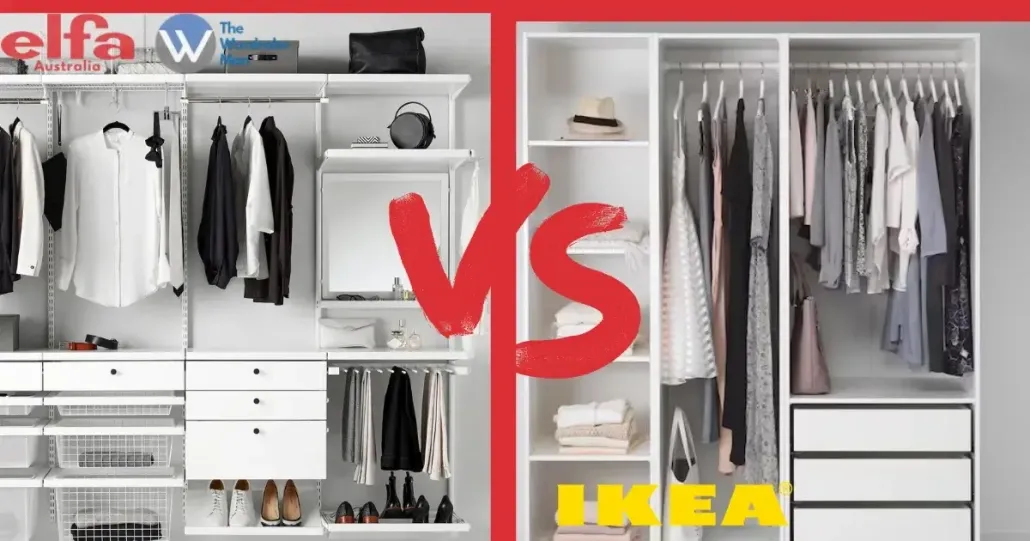
Elfa, a subsidiary of The Container Store, has built its reputation on highly configurable metal framing combined with a wide range of accessories—shelves, baskets, drawers, and hanging rods. The system is praised for its sturdy steel construction, which can bear heavier loads than many wood‑based alternatives. Elfa’s modular nature allows users to start with a basic framework and expand over time, making it ideal for evolving storage needs.
Pax, on the other hand, is IKEA’s flagship wardrobe solution. It primarily utilizes particleboard or MDF panels with a sleek, minimalist façade that can be customized with doors, interior organizers, and lighting. Pax’s strength lies in its affordable price point and the ability to blend seamlessly with other IKEA furniture, creating a cohesive look throughout the home.
Both brands champion the idea of “do‑it‑yourself” customization, yet they diverge in material choices, aesthetic language, and target market. Recognizing these foundational differences is the first step in the elfa vs pax comparison.
Design Flexibility and Customization in the elfa vs pax Debate
One of the most compelling arguments for elfa is its unparalleled flexibility. The steel rails can be mounted on any wall height, and accessories can be added or removed without compromising structural integrity. For example, you can combine a series of pull‑out drawers with hanging rods and open shelves in a single unit, tailoring each segment to the specific items you store.
Pax offers a different kind of flexibility through its “plug‑and‑play” interior kits. You can select from a menu of shelves, pull‑out trays, shoe racks, and lighting options. However, the configuration is constrained by the fixed width of the wardrobe frame, typically 39‑inches, which may limit creativity for unconventional spaces.
In practice, homeowners who prioritize a highly personalized layout—such as a craft room with mixed‑size bins—often gravitate toward elfa. Conversely, those seeking a clean, uniform look that aligns with IKEA’s Scandinavian design language may find Pax more appealing.
elfa vs pax: Choosing the Right System for Specific Rooms
- Bedroom closets: Elfa’s steel frames can accommodate heavier winter coats and large suitcases, while Pax provides a polished façade with optional glass doors for a boutique feel.
- Home office: Elfa’s modular shelves support books, binders, and tech gear; Pax’s drawer units work well for stationery and files when paired with a desk.
- Bathroom storage: For moisture‑prone environments, Elfa’s metal components are rust‑treated, whereas Pax’s particleboard may warp if not properly sealed. See our related article on EnduroShield vs ShowerGuard for more bathroom barrier insights.
Installation Process: Tools, Time, and Skill Required for elfa vs pax
Installing an elfa system typically begins with locating studs and securing the steel rails using a drill, level, and screwdriver. Because the frames are lightweight yet strong, a single person can often handle the process, though an extra set of hands speeds up mounting multiple shelves.
Pax installation is more involved due to the need to assemble large panels before anchoring them to the wall. IKEA provides step‑by‑step instructions, but the process can be time‑consuming, especially if you opt for glass doors or integrated lighting. A power drill, screwdriver, and occasionally a hammer are essential tools.
Both systems benefit from careful measurement. Mistakes in spacing can lead to gaps or misaligned doors, which are costly to correct after assembly. For those who enjoy a hands‑on approach, elfa offers a quicker, less labor‑intensive experience, whereas Pax rewards patience with a polished final product.
Cost Comparison: Budgeting for elfa vs pax
Pricing is a decisive factor for many shoppers. Elfa’s components tend to be priced per piece—rails, brackets, baskets—allowing you to start small and scale up. A basic Elfa wall unit might cost $150, while a fully stocked configuration could exceed $800 depending on accessories.
Pax is sold as a complete wardrobe kit, with a base price that includes the outer frame, doors, and a limited set of interior fittings. A standard Pax wardrobe starts around $200 and can climb to $1,200 for premium finishes and extensive internal accessories. Because Pax bundles many elements, the upfront cost appears higher, but the overall price can be competitive when you factor in the sleek finish and integrated lighting.
When comparing elfa vs pax, consider both immediate expense and long‑term value. Elfa’s durability often translates to fewer replacements, while Pax’s aesthetic upgrades—such as mirrored doors—can add resale value to a home.
Aesthetic Appeal: Finishes, Styles, and Visual Impact
Elfa’s aesthetic is industrial‑modern, with exposed metal frames that can be painted or left raw for a loft‑style look. The open‑shelf design showcases items, making it ideal for displaying decorative baskets or books. If you prefer a seamless wall, you can conceal the rails with panels or fabric.
Pax excels in creating a seamless, built‑in appearance. Its doors come in various finishes—white, black‑brown, wood veneer, and even glass—allowing you to match other furniture. The clean lines contribute to a minimalist vibe that’s popular in contemporary interiors. For inspiration on wall finishes, explore our piece on Textured Walls vs Smooth.
Ultimately, the visual choice between elfa vs pax hinges on the room’s overall design language. An open‑concept loft might benefit from Elfa’s raw metal, while a sleek master suite could be elevated by Pax’s refined doors.
Best Use Cases: Matching the System to Your Lifestyle

Consider the following scenarios to determine which system aligns with your daily routines:
- Frequent reorganizers: Elfa’s interchangeable components let you reconfigure shelves in minutes, perfect for hobbyists who rotate supplies.
- Minimalist aesthetic lovers: Pax’s concealed storage offers a clutter‑free look, ideal for those who prefer hidden organization.
- Small apartments: Elfa’s ability to mount directly on walls frees floor space; however, Pax’s wardrobe kits can double as room dividers.
- Family homes: For heavy winter coats and sports gear, Elfa’s steel rails provide robust support, while Pax’s child‑safe door hinges add safety for younger members.
By aligning the system with your functional needs, the elfa vs pax decision becomes less about brand loyalty and more about practical fit.
Maintenance and Longevity: What to Expect Over Time
Elfa’s steel components are resistant to wear and can be wiped clean with a damp cloth. If you opt for painted frames, touch‑up paint is readily available. The modular nature also means individual parts can be replaced without discarding the entire system.
Pax’s particleboard panels are sturdy when kept dry, but they can be vulnerable to moisture and scratches. IKEA offers replacement panels, but swapping out a damaged door may involve re‑assembly of the entire wardrobe. Adding protective liners or using moisture‑absorbing pads can extend the life of a Pax system.
Overall, both systems are designed for long‑term use, but Elfa tends to outlast in high‑traffic areas due to its metal construction, whereas Pax shines in environments where a polished look is paramount.
Quick Home Décor Tips for Maximizing elfa vs pax Systems
- Use matching baskets and bins to create visual cohesion, especially with Elfa’s open framework.
- Incorporate LED strip lighting inside Pax wardrobes to enhance visibility and add a luxe feel.
- Combine wall‑mounted Elfa units with floating shelves for a layered storage effect.
- Apply decorative wallpaper behind open Elfa shelves to add personality without clutter.
Common Mistakes to Avoid When Choosing Between elfa and pax
1. Ignoring weight limits: Overloading Elfa shelves with heavy items can bend brackets, while stuffing Pax doors with too many accessories may cause hinges to strain.
2. Skipping measurements: Failing to measure wall space accurately leads to gaps or the need for costly modifications.
3. Overlooking style harmony: Pairing an industrial Elfa unit with a delicate, pastel‑colored bedroom can clash; ensure the storage system complements the room’s overall palette.
4. Neglecting future needs: Choose a system that can grow with you. Elfa’s modularity excels here, while Pax may require a complete replacement if your storage needs drastically change.
Frequently Asked Questions
Which system is easier for a DIY beginner, elfa or pax?
Elfa generally offers a simpler installation process because it involves mounting steel rails and attaching accessories, which can be completed with basic tools. Pax requires assembling large panels and aligning doors, which can be more challenging for first‑time DIYers.
Can I mix elfa and pax components in the same room?
While both systems are designed to be self‑contained, you can combine them in a room by using Elfa for open shelving and Pax for closed storage. Just ensure the visual styles complement each other to avoid a disjointed look.
What is the typical lifespan of an elfa system compared to pax?
Elfa’s steel framework often lasts 10‑15 years or more with minimal wear, whereas Pax’s particleboard can show signs of wear after 5‑8 years, especially in humid environments. Regular maintenance can extend both systems’ longevity.
Are there eco‑friendly options within the elfa vs pax range?
Elfa uses recyclable steel, and many of its accessories are made from renewable materials. Pax has introduced a line of responsibly sourced wood veneers and offers recycling programs for its flat‑pack furniture. Consider these options if sustainability is a priority.
How do I decide the right width for a Pax wardrobe?
Measure the available floor space and consider door swing clearance. Pax modules come in 39‑inch widths, but you can combine multiple units side by side. For narrow hallways, Elfa’s adjustable rail system may provide a better fit.
Choosing between elfa vs pax is ultimately a personal decision that balances aesthetics, functionality, budget, and long‑term goals. By weighing the strengths and limitations outlined above, you can select a storage solution that not only meets your practical needs but also enhances the overall design narrative of your home.
Now that you’re equipped with a thorough understanding of both systems, take the next step: map out your space, sketch a layout, and start gathering the components that will transform clutter into curated elegance. For further inspiration, explore our guide on Hallway Gallery Wall Inspiration and discover how thoughtful design can elevate even the smallest passageways.
Remember, the best storage solution is the one that seamlessly integrates into your daily life while reflecting your personal style. Whether you lean toward the industrial versatility of Elfa or the sleek minimalism of Pax, the right choice will bring order, beauty, and lasting value to your home.